
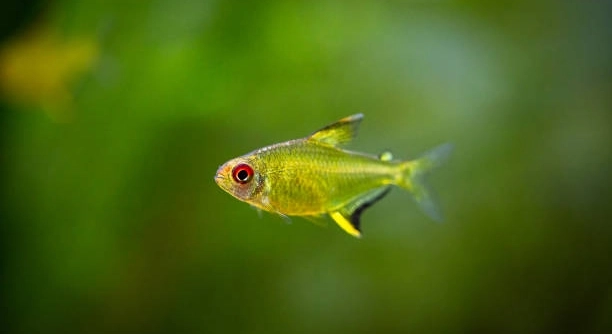
Lemon tetras are small, bright fish that bring life to any aquarium. Many aquarists notice them spending a lot of time under plants, moving slowly and sometimes hiding. Their behavior seems gentle and calm.
Lemon tetras rest under plants primarily for shelter and security. Dense foliage offers protection from perceived threats, reduces stress by mimicking natural habitats, and provides shaded areas that help regulate light exposure and maintain comfort in the aquarium environment.
Observing these behaviors can help aquarists better design tank environments that cater to their tetras’ natural preferences and overall well-being.
Why Lemon Tetras Prefer Plant Cover
Lemon tetras feel safer under plants because it reminds them of their natural habitat. In rivers and streams, these fish use plants to hide from predators and to rest without stress. In an aquarium, dense foliage provides a quiet area with softer light, helping them feel secure. Hiding under leaves also allows them to regulate their energy, resting during bright hours and staying active when they feel comfortable. Some tetras may even nibble on tiny microorganisms on plant surfaces while resting, making it a useful feeding spot. Over time, you may notice certain fish always choosing the same plants or areas of the tank, indicating their preferred hiding places. Observing these patterns helps aquarists provide better care by arranging plants strategically. Adding floating plants can also diffuse harsh lighting and create shaded areas, further encouraging natural behavior. A well-planted aquarium not only supports their instincts but improves the overall balance of the tank ecosystem.
Dense plant coverage encourages calm behavior and reduces sudden darting or nervous movements in lemon tetras.
Plants provide more than just hiding space; they influence social behavior, stress levels, and activity cycles. Lemon tetras feel safer swimming in groups under foliage, which can reduce aggression and territorial disputes. Some tetras even use plants as landmarks to navigate the tank, remembering where they can retreat when feeling uneasy. Properly placed plants also help maintain water quality by absorbing nitrates and offering surfaces for beneficial bacteria. Tetras resting among leaves may spend less energy and show brighter colors, signaling better health. For aquarists, arranging plants thoughtfully can replicate natural conditions and promote stability. Observing interactions between tetras and plants can guide decisions about adding more foliage or adjusting lighting. Dense plants near tank corners often become favored spots, offering shelter without crowding swimming areas. By combining floating and rooted plants, the tank gains depth, shade, and security, supporting both resting and active behaviors. Providing varied plant types ensures tetras have options to explore, hide, and rest comfortably, reflecting their instincts from natural habitats.
Plant Types That Appeal Most
Soft-leaved plants like java fern or anubias are ideal for resting spots because their broad surfaces feel secure.
Lemon tetras prefer plants with gentle, broad leaves over sharp or fine-leaved species. Broad leaves allow the fish to hover underneath without risking injury, while floating plants like water sprite diffuse light and create shaded zones. Fast-growing stem plants offer hiding spots in layers, supporting social interactions and providing a sense of safety. Placing plants at different heights also encourages exploration and natural swimming patterns. Choosing hardy species reduces maintenance and ensures consistent shelter. Observing which plants tetras use most can guide future plant additions, creating a tank that matches their preferences while keeping care simple. Proper placement enhances both comfort and visual appeal.
Lighting and Its Effect on Lemon Tetras
Lemon tetras prefer dimmer lighting when resting under plants. Bright lights can stress them, making them hide more often or dart nervously. Shaded areas help them feel comfortable and encourage natural resting behavior.
Controlling light levels in an aquarium can make a noticeable difference in lemon tetra behavior. Using floating plants or positioning taller plants near bright spots creates softer lighting zones where tetras can relax. Sudden changes in light, such as turning on strong overhead lights quickly, may cause them to seek cover immediately, increasing stress. Gradually adjusting light intensity mimics natural sunrise and sunset patterns, helping fish adapt without anxiety. Observing how they respond to lighting can guide placement of plants and ornaments for optimal comfort. Over time, consistent lighting encourages regular activity cycles, reduces stress, and enhances their colors.
Balanced lighting supports both rest and activity for lemon tetras. Soft light encourages normal swimming, while shaded areas help them remain calm and secure.
Tank Placement and Environmental Comfort
Placing plants strategically provides tetras with safe spots close to food sources and hiding areas. Dense corners often become preferred resting zones, improving overall comfort.
Tank layout influences lemon tetras’ stress levels and behavior more than many realize. Plants placed in corners or along tank edges create natural boundaries, giving fish a sense of security while leaving open swimming areas in the center. Hiding spaces near feeding zones allow tetras to approach food without feeling exposed, reducing competition and nervousness. Providing vertical layers with tall plants, mid-level stems, and floating cover replicates the complexity of rivers and streams, allowing natural movement and exploration. Monitoring their favored areas can help adjust plant density, height, and placement to match their comfort needs. By thoughtfully arranging plants, aquarists support both social behavior and resting patterns, ensuring the fish feel safe while maintaining visibility for observation. Proper tank placement encourages stable water flow, consistent lighting, and easy maintenance, all contributing to a healthier, less stressed environment for lemon tetras.
Water Quality and Plant Interaction
Clean water is essential for lemon tetras to rest comfortably under plants. Poor water conditions can stress them, causing them to hide more often or avoid certain areas.
Plants help maintain water quality by absorbing nitrates and providing surfaces for beneficial bacteria. Healthy plants support stable water parameters, which reduces stress and encourages natural resting patterns.
Temperature Considerations
Lemon tetras thrive in slightly warm water, around 74–80°F. Proper temperature ensures they remain active yet feel secure under plant cover. Maintaining a stable temperature prevents sudden stress and supports natural resting behavior, especially in shaded areas of the tank.
Plant Density and Comfort
A moderate amount of plant density is best. Overcrowding can limit swimming space, while too few plants reduce resting spots. Proper density balances safety and freedom, helping lemon tetras feel secure without feeling trapped.
Observing Behavior Patterns
Noticing when and where lemon tetras rest under plants reveals their preferences. Tracking patterns helps aquarists adjust plant placement and tank conditions to meet their comfort needs.
FAQ
Why do lemon tetras hide under plants so often?
Lemon tetras naturally seek shelter under plants to feel safe. Dense foliage provides a sense of security from perceived threats and creates shaded areas where they can rest. Hiding under leaves reduces stress and allows them to conserve energy, supporting healthy behavior.
Is it normal for them to spend most of their time under plants?
Yes, it is normal. Lemon tetras are small, peaceful fish that feel more secure near cover. Spending long periods under plants is natural and indicates they feel safe. However, they should occasionally swim in open areas, showing they are comfortable in the tank.
Do lemon tetras need specific types of plants?
They do better with soft, broad-leaved plants like anubias, java fern, or water sprite. These provide comfortable surfaces to rest under without risk of injury. Floating plants also help diffuse light, creating shaded areas that encourage natural behavior.
Can too many plants be harmful for them?
Excessive plants can limit swimming space and reduce oxygen circulation, causing stress. A balanced layout with enough open areas and safe hiding spots is ideal. Observing their movement and resting patterns helps decide the right plant density for a healthy tank.
Do they hide under plants due to illness?
Hiding alone does not indicate illness. Healthy lemon tetras often use plants for resting or security. Signs of sickness include lethargy, clamped fins, loss of color, or difficulty swimming. Monitoring behavior alongside water quality helps determine if health issues are present.
How can I encourage them to explore more of the tank?
Providing a mix of open swimming spaces and shaded plant areas helps. Gradual introduction of decorations or rearranging plants can encourage exploration without causing stress. Gentle lighting and stable water parameters also make tetras feel more secure to move freely.
Do lemon tetras prefer certain areas of the tank under plants?
Yes, they often favor corners or areas near food sources. These spots feel safe and allow easy access to nutrients. Observing their preferences helps in arranging plants effectively, creating an environment that suits their comfort and natural instincts.
Will plant placement affect their social behavior?
Absolutely. Plants placed in layers or along edges encourage group swimming and reduce territorial conflicts. Dense cover allows weaker fish to retreat safely, promoting calm and cooperative interactions among tankmates. Proper arrangement supports both social and resting behaviors.
How does lighting affect their resting under plants?
Bright lights can cause stress, making tetras hide more frequently. Shaded areas created by plants or floating foliage provide softer lighting, encouraging them to rest naturally. Gradual lighting changes replicate day and night patterns, supporting healthy activity cycles.
Can I use artificial plants instead of live ones?
Artificial plants can provide hiding spots, but they don’t help with water quality. Live plants absorb nitrates and support beneficial bacteria, improving overall tank health. A combination of both types can offer safety, aesthetic appeal, and environmental benefits.
How often should I check plant health for the tetras’ comfort?
Regular checks are important. Removing decayed leaves and trimming overgrown plants ensures safe hiding spots and prevents water quality issues. Healthy plants contribute to a stable environment where lemon tetras can rest and swim comfortably.
Do lemon tetras prefer certain heights for resting under plants?
They often favor mid-level to upper-level foliage. This allows them to feel protected while observing their surroundings. Floating and tall stem plants provide vertical layers, giving them options for both resting and social interaction.
Will changing plant arrangements stress them?
Sudden or drastic changes can cause temporary stress. Gradual adjustments, like moving a few plants at a time, help tetras adapt without disrupting resting patterns. Observing their reactions ensures changes benefit comfort and behavior rather than cause anxiety.
Are there signs they feel safe under certain plants?
Yes, tetras resting calmly, swimming slowly, and showing bright coloration indicate they feel secure. Preferred plants are often revisited, and multiple fish may share the same spot without aggression, demonstrating comfort and stability in the environment.
How do plants influence breeding behavior?
Dense plants provide safe spawning areas and shelter for fry. Hiding spots reduce stress during mating and protect eggs. Well-placed plants encourage natural behaviors, supporting both reproduction and the overall well-being of lemon tetras.
Can overfeeding affect their use of plants for resting?
Yes. Excess food can attract algae or decay, affecting plant health. This may reduce shaded areas or make hiding spots less appealing. Balanced feeding keeps plants healthy and resting spaces comfortable, maintaining natural behavior.
Is it important to monitor tankmates around plants?
Definitely. Aggressive or overly active tankmates can disturb resting tetras. Placing plants strategically allows lemon tetras to retreat safely, reducing stress and maintaining peaceful social interactions.
How can I tell if my tetras are stressed despite hiding?
Signs include rapid gill movement, clamped fins, loss of color, or frantic swimming when disturbed. Even if they hide under plants, these indicators show stress. Maintaining stable water conditions, proper lighting, and safe plant coverage helps reduce anxiety.
Do lemon tetras always prefer the same plants?
Often, they show consistent preferences. Individual fish may favor specific leaves or shaded corners. Observing these choices helps optimize plant placement, ensuring their comfort and promoting healthy resting and swimming behavior.
How does tank size affect their use of plants?
Larger tanks allow more open swimming space while keeping plants as safe resting spots. Smaller tanks require careful plant placement to avoid overcrowding and ensure both security and room for natural movement. Proper balance supports overall health and reduces stress.
Lemon tetras are naturally drawn to plants because they provide a sense of safety and comfort. In an aquarium, dense foliage mimics their natural habitat, offering shelter from perceived threats and a shaded area to rest. Observing these fish under plants shows that hiding is not a sign of fear but a normal behavior that helps them regulate stress. When they rest under leaves or among stems, they are conserving energy, reducing exposure to bright light, and maintaining a stable position in the water. The presence of plants also gives them small surfaces to explore or nibble on, which adds subtle enrichment to their daily activities. Over time, lemon tetras tend to favor certain areas, indicating their preferences for both safety and comfort. As an aquarist, understanding these patterns helps in arranging plants strategically so the tank environment meets their natural instincts and promotes well-being.
Plants play a broader role than just providing hiding spots. They contribute to water quality by absorbing nitrates and offering surfaces for beneficial bacteria to grow. Healthy plants help create a stable environment, which is essential for lemon tetras to remain calm and active. Proper placement of plants supports social interactions among tetras, reducing territorial conflicts and providing multiple layers for resting. Floating plants and soft-leaved species are particularly effective in creating gentle lighting and shaded zones, encouraging natural behaviors. Balanced plant density is key; too many plants can restrict swimming space and reduce oxygen circulation, while too few can leave tetras feeling exposed and stressed. Observing how lemon tetras use their environment provides valuable insights into their comfort levels and preferences. This can guide decisions about plant types, arrangement, and overall tank layout.
Maintaining a tank with both open swimming areas and safe plant cover ensures lemon tetras remain healthy, active, and secure. Lighting, water quality, temperature, and tank placement all influence how comfortably they use plant areas for resting. Gradual changes to the tank, like rearranging plants or adjusting light, prevent unnecessary stress and help tetras adapt naturally. By providing varied plant heights and types, aquarists can encourage exploration, social interactions, and resting behaviors simultaneously. Paying attention to their responses under different conditions allows for adjustments that support overall health, natural instincts, and long-term comfort. Lemon tetras thrive in environments that balance safety with freedom, where plants offer shelter without limiting movement. Observing, learning, and adapting the tank environment ensures that these fish not only survive but flourish, demonstrating calm, vibrant, and natural behavior throughout their daily routine.

Hello,
If you enjoy the content that we create, please consider saying a "Thank You!" by leaving a tip.
Every little bit helps us continue crafting quality advice that supports the health, happiness, and well-being of pets around the world, for pets of all shapes, sizes, and species.
We really appreciate the kindness and support that you show us!