
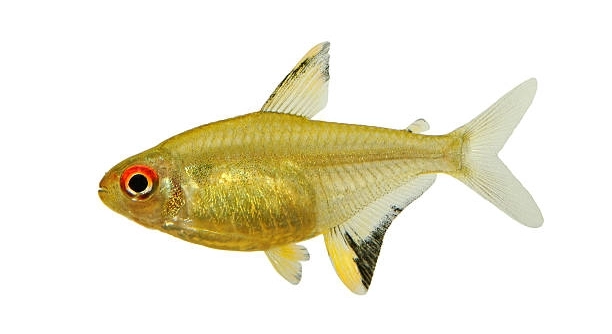
Do your lemon tetras seem shy or restless in their tank? Many aquarists notice that lighting can change their behavior and appearance. Understanding how light affects these small fish helps create a healthier, calmer environment.
Lemon tetras prefer dim to moderate lighting rather than bright light. Excessive brightness can stress the fish, reduce their activity, and cause color fading. Providing subdued lighting supports natural behavior and enhances their well-being in a home aquarium.
Proper lighting is essential for creating a comfortable habitat. Small adjustments can improve their mood, activity, and overall health in the aquarium setting.
Understanding Lemon Tetra Behavior Under Light
Lemon tetras are small, active fish that respond noticeably to changes in their environment. When the tank is too bright, they often hide among plants or decorations, appearing stressed or lethargic. Dim lighting encourages natural schooling behavior, making them swim more openly and interactively. Observing their movements and color vibrancy can give insight into their comfort level. Plants and ornaments not only provide shelter but also help diffuse harsh lighting, creating a balanced environment. The best practice is to mimic their natural habitat, where light is filtered through water and foliage. Avoid placing the tank in direct sunlight, as this can lead to sudden temperature spikes and overexposure. Gradually adjusting the light over time helps them acclimate and reduces stress. A consistent lighting schedule, such as 10 to 12 hours per day, supports their biological rhythms and keeps them active during daylight. Overall, creating the right light conditions improves their health and visual appeal.
Dim lighting keeps lemon tetras active, colorful, and less stressed, making their behavior easier to observe and enjoy.
Watching how they interact in a carefully lit tank can reveal subtle behaviors. Bright lights may cause darting or hiding, while soft light promotes calmer movement. Adjusting light intensity gradually ensures they adapt comfortably. Adding floating plants or shading can further reduce stress. Observing their daily patterns under moderate light allows for better feeding routines and healthier growth. Color intensity often improves, making them more visually appealing and easier to monitor for signs of illness. Proper lighting is a simple, yet effective, step in promoting overall wellness.
Choosing the Right Lighting for Your Tank
Moderate or dim LED lights are ideal for lemon tetras. Avoid high-intensity lighting that shines directly into the tank, as it can stress fish and encourage algae growth.
Selecting the correct lighting involves considering intensity, spectrum, and duration. LED lights offer adjustable brightness and energy efficiency, making them popular for small tropical tanks. Position lights to avoid glare and direct exposure on open water areas, focusing instead on natural diffusion through plants and decorations. Using a timer ensures consistent light periods, helping fish maintain their natural circadian rhythm. Avoid sudden changes in lighting, which can trigger stress responses such as hiding or erratic swimming. Floating or tall plants can further soften harsh light and provide shelter. Dimmer, warm-toned lights mimic the natural habitats of lemon tetras, promoting vibrant coloration and encouraging normal schooling behavior. Monitoring fish behavior after adjustments allows you to fine-tune light levels to their comfort. Proper lighting not only enhances aesthetics but also supports feeding, growth, and overall tank harmony, contributing to a stable and healthy aquarium environment.
Adjusting Tank Decor to Control Light
Adding plants and decorations can soften bright light and create shaded areas for lemon tetras. Tall or floating plants provide cover, making fish feel safer and more active during the day.
Plants and ornaments not only reduce direct light but also offer hiding spots, which help minimize stress. Dense foliage allows tetras to dart and explore naturally without feeling exposed. Rocks and driftwood can break up light patterns and create visual interest while contributing to a more natural environment. By arranging decor thoughtfully, light intensity becomes less harsh, and fish can choose areas that suit their comfort. Gradual adjustments to both light and decor let them adapt without sudden stress. Combining natural shading and moderate lighting enhances behavior, encourages schooling, and keeps colors vibrant, creating a healthier, more visually appealing tank.
By creating shaded areas, lemon tetras display calmer, more consistent behavior. They feel secure and move naturally within the tank.
Monitoring Fish Health and Light Effects
Observing color, activity, and behavior under different lighting helps ensure lemon tetras are comfortable. Faded colors or constant hiding can indicate light stress.
Tracking behavior over time allows for precise adjustments in light intensity and placement. Fish that remain hidden or show dull coloration may benefit from dimming the tank or adding more plant coverage. Conversely, fish that appear active and colorful under moderate light demonstrate optimal conditions. Recording observations each day helps identify trends and prevent long-term stress. Consistency in lighting, combined with gradual changes, prevents sudden shocks and encourages natural routines. Checking water quality, temperature, and feeding schedules alongside lighting ensures a holistic approach to tank health. Small modifications, like repositioning lights or adding floating plants, can dramatically improve comfort and reduce stress, supporting longevity and overall well-being.
Creating a Balanced Light Schedule
Setting a consistent light schedule helps lemon tetras adapt and feel secure. Using a timer ensures they experience predictable periods of light and darkness, which supports their natural rhythms.
Gradually increasing or decreasing light in the morning and evening prevents sudden stress. A consistent schedule, around 10 to 12 hours of light daily, mimics natural day-night cycles. This approach encourages normal activity, feeding, and resting patterns. By maintaining regularity, fish become less prone to hiding or showing stress-related behaviors, and their colors stay more vibrant. A well-planned schedule improves tank harmony and supports long-term health.
Avoiding Direct Sunlight
Direct sunlight can quickly overheat the tank and create intense brightness, stressing lemon tetras.
Placement away from windows or using shades reduces glare. Even brief exposure to sunlight may trigger hiding, erratic swimming, or weakened immune response. Proper positioning ensures light comes from controlled sources, protecting the fish and stabilizing water conditions.
LED vs Fluorescent Lighting
LED lights are efficient and offer adjustable brightness, while fluorescent bulbs provide steady illumination but less control. Choosing the right option depends on tank size and decor.
LEDs allow dimming and color tuning, which can be tailored for the comfort of lemon tetras. Fluorescent lights produce consistent brightness but may lack flexibility in intensity adjustments. Positioning either light to avoid direct glare and complement plants enhances both aesthetics and fish well-being. Considering energy use, heat emission, and ease of maintenance helps determine which lighting option fits best. Both can support healthy behavior and coloration if managed properly.
Signs of Stress from Improper Light
Faded color, hiding, and erratic swimming often indicate that light levels are too high or inconsistent.
FAQ
How long should lemon tetras be exposed to light each day?
Lemon tetras do best with a consistent light period of about 10 to 12 hours daily. This mimics their natural day-night cycle. Too much light can stress them, while too little can affect activity and coloration. Using a timer helps maintain a regular schedule without constant monitoring.
Can lemon tetras live under bright light if shaded areas are available?
Yes, they can tolerate brighter light if there are sufficient shaded areas. Plants, rocks, and driftwood provide spots to retreat and rest. These areas help them feel secure and reduce stress while still allowing open swimming in more illuminated parts of the tank.
What type of light is safest for lemon tetras?
Dim to moderate LED lighting is ideal. LEDs are adjustable, energy-efficient, and produce little heat. Fluorescent lights work too but offer less flexibility in brightness control. The key is consistent, indirect light that replicates filtered sunlight in their natural habitat.
How can I tell if the light is stressing my fish?
Signs of stress include hiding constantly, fading color, darting around, or reduced feeding. Fish that remain near cover or refuse to swim in open areas likely need dimmer lighting or more shaded zones. Observing them over several days helps identify patterns.
Does the tank background affect light intensity for lemon tetras?
Yes, darker backgrounds reduce reflected light, helping to moderate overall brightness. Light-colored walls or backgrounds can amplify intensity and create glare, which may stress the fish. Choosing a natural-toned background provides visual comfort and complements tank decor.
Can too little light harm lemon tetras?
Insufficient light can reduce activity levels and dull coloration. While they tolerate dim environments, complete darkness for long periods disrupts feeding routines and natural rhythms. A moderate balance ensures health and encourages schooling behavior.
Should lights be turned off at night?
Yes, lemon tetras need darkness to rest. Continuous light prevents proper sleep, leading to stress and reduced immunity. Turning off lights at night or using a timer to simulate a natural cycle supports normal behavior and overall well-being.
Do floating plants really help control light stress?
Floating plants act as natural diffusers, softening bright light and creating shaded areas. They give fish options for retreat, reduce glare, and make the environment feel safer. Over time, tetras tend to swim more freely and display natural schooling behavior under these conditions.
Is it okay to place the tank near a window?
Placing a tank in direct sunlight is risky. It can overheat the water and create intense light, stressing lemon tetras. Indirect light is fine, but shading or blinds help control intensity. Consistent lighting from artificial sources is preferable.
How quickly should lighting changes be made?
Any change in lighting should be gradual. Sudden bright or dim shifts can shock fish, causing hiding or erratic behavior. Adjust brightness slowly over several days, monitor reactions, and ensure shaded areas are available during transitions. This helps them adapt comfortably without stress.
Can LED color temperature affect lemon tetras?
Yes, warmer tones are more natural and calming, while very cool or harsh white light can seem intense. A neutral to warm spectrum promotes comfort, enhances coloration, and mimics filtered sunlight from their natural habitat.
Does tank size influence lighting needs?
Larger tanks may require stronger or multiple light sources to cover the entire area evenly, but intensity should still be moderated. Smaller tanks need careful placement to avoid overexposing certain sections while maintaining shaded retreats for the fish.
How do I balance lighting with plant growth?
Aquatic plants need light to thrive, but overdoing it can stress fish. Moderate lighting, combined with shaded zones, supports plant photosynthesis without overwhelming lemon tetras. Floating or tall plants help diffuse light and create a natural balance in the tank.
Can I leave lights on during feeding?
Yes, lights during feeding help tetras see food, but keep intensity moderate. Sudden bright light may startle them, while very low light can reduce feeding efficiency. Maintaining a comfortable level encourages active, healthy feeding routines.
What are the benefits of dim lighting for color vibrancy?
Dim, natural-like lighting enhances the yellow hue and silver shine of lemon tetras. Bright light can bleach colors temporarily or cause stress, while moderate light allows their natural tones to appear vivid, making them look healthier and more visually appealing.
Is it necessary to adjust lighting seasonally?
Seasonal adjustments are optional if using artificial lighting with a timer. Natural daylight variations are already accounted for with a consistent schedule. Gradual seasonal changes can help mimic nature but are not essential for tank health.
How do I prevent algae with moderate lighting?
Moderate light combined with proper tank maintenance reduces algae growth. Avoid leaving lights on for excessively long periods, remove debris, and balance nutrients. Plants compete with algae for resources, further helping maintain a clean and healthy environment.
Can stress from light affect breeding?
Yes, lemon tetras are sensitive to stress, and overly bright or inconsistent lighting can inhibit breeding. Dim, stable light encourages normal behavior, increases activity, and supports a natural environment conducive to spawning.
Is it safe to use colored LED lights?
Colored LEDs can be used sparingly for aesthetics but should not dominate the tank. Too much colored light may confuse fish and alter perceived brightness, causing stress. Neutral or slightly warm tones are safest for consistent health.
How long does it take for fish to adjust to new lighting?
Adjustment usually takes several days to a week. Gradual changes with access to shaded areas allow fish to adapt without stress. Monitoring behavior and color helps ensure they are comfortable with the new conditions.
Can I combine natural and artificial lighting?
Yes, but natural light should be indirect, and artificial light should provide the primary illumination. Combining them carefully ensures stability, prevents overheating, and maintains a predictable light cycle, supporting health and normal behavior.
What should I do if fish keep hiding despite dim lighting?
Check for other stress factors like water quality, temperature, or tankmates. Ensure adequate hiding spots, correct feeding, and stable light cycles. Persistent hiding may indicate adjustment needs beyond lighting, requiring gradual environmental improvements.
How does light affect feeding behavior?
Moderate lighting encourages active swimming and natural schooling, making feeding more efficient. Overly bright or harsh light can cause hesitation, hiding, or stress during feeding. Dim, controlled light ensures fish locate and consume food easily.
Are there long-term effects of poor lighting?
Chronic exposure to too bright or inconsistent light can lead to stress, weakened immunity, reduced color vibrancy, and abnormal behavior. Maintaining stable, moderate lighting is essential for overall health, longevity, and visual appeal of lemon tetras.
Can other fish in the tank influence lighting needs?
Yes, tankmates with different light preferences may affect overall comfort. Adjust light to balance the needs of all species, provide shaded areas, and ensure that lemon tetras have sufficient retreats to reduce stress.
Final Thoughts
Maintaining the right lighting for lemon tetras is one of the simplest ways to improve their overall health and comfort. These small fish are naturally adapted to environments with filtered light and moderate shading. When lighting is too bright, they may become stressed, hide more often, and display duller colors. On the other hand, dim to moderate lighting encourages natural swimming patterns, enhances their yellow and silver coloration, and promotes social behavior within the school. By paying attention to light intensity and providing shaded areas with plants, rocks, or driftwood, aquarists can create a comfortable and stable habitat that supports the well-being of lemon tetras. The difference in behavior between a well-lit but harsh tank and a carefully balanced environment can be significant, making lighting a key factor in tank management.
Using a consistent light schedule is equally important. Lemon tetras, like many tropical fish, follow a natural day-night cycle, and maintaining regular periods of light and darkness helps them regulate activity, feeding, and rest. Timers can simplify this process and prevent accidental overexposure or irregular light cycles. Gradual adjustments to lighting are crucial, as sudden changes can shock the fish and lead to stress-related behaviors. Additionally, indirect light from artificial sources is preferable over direct sunlight, which can overheat the tank, create glare, and increase algae growth. Combining artificial lighting with floating or tall plants helps diffuse the light naturally while providing shelter. Over time, these simple practices not only reduce stress but also enhance the visual appeal of the fish, allowing their vibrant colors to shine without causing discomfort. Observing behavior under different lighting conditions and making small, incremental changes is an effective strategy for keeping lemon tetras healthy and active.
Finally, lighting works together with other environmental factors to support overall tank harmony. Water quality, temperature, feeding schedules, and the presence of tankmates all influence how lemon tetras respond to light. Even moderate lighting can become stressful if other conditions are not optimal. Providing consistent, well-planned lighting is part of a holistic approach to tank care, helping fish feel secure and behave naturally. Thoughtful placement of plants, decorations, and light sources ensures that fish have both shaded retreats and open swimming spaces. Paying attention to their color, activity, and schooling behavior allows aquarists to fine-tune light levels for maximum comfort. By keeping lighting moderate, consistent, and complemented with proper decor, lemon tetras can thrive, displaying their natural beauty and active, healthy behavior. Lighting is a small but powerful tool for creating a balanced, stable, and enjoyable aquarium environment.

Hello,
If you enjoy the content that we create, please consider saying a "Thank You!" by leaving a tip.
Every little bit helps us continue crafting quality advice that supports the health, happiness, and well-being of pets around the world, for pets of all shapes, sizes, and species.
We really appreciate the kindness and support that you show us!