
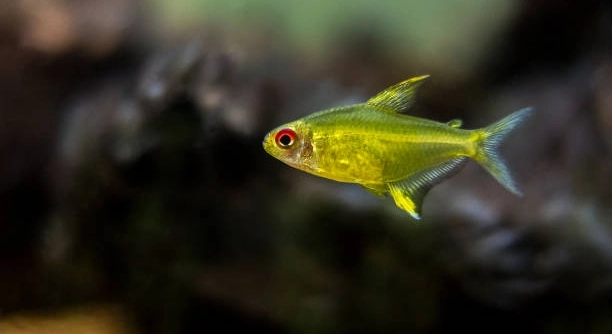
Do you ever find yourself setting up a new aquarium and worrying about how to keep your Lemon Tetra healthy and stress-free? Choosing the right filtration can make a big difference in their environment.
Using a sponge filter with Lemon Tetra provides gentle, effective filtration that minimizes strong currents, maintains stable water parameters, and promotes beneficial bacterial growth. This system supports their delicate nature and contributes to a healthier, more balanced tank ecosystem.
Selecting the proper filter for your tank is essential, and understanding the benefits of a sponge filter can improve your fishkeeping experience. The following guide will help you make an informed choice for your Lemon Tetra.
Gentle Filtration for Lemon Tetra
A sponge filter creates a gentle current, which is ideal for Lemon Tetra because they are small and can be easily stressed by strong water flow. Unlike traditional filters, sponge filters push water slowly through the sponge, allowing for safe circulation while keeping the fish calm. The filter also traps debris and particles in the water, preventing waste from spreading throughout the tank. Over time, the sponge develops colonies of beneficial bacteria that help break down harmful ammonia and nitrites. This makes it easier to maintain stable water conditions and reduces the frequency of water changes. Many aquarists notice that fish are more active and display brighter colors when using sponge filtration. Setting up a sponge filter is also straightforward, requiring minimal maintenance. It can be powered by an air pump or a small motor, making it energy-efficient and quiet. This simplicity makes it suitable for both beginners and experienced keepers alike.
Sponge filters are quiet and efficient, creating minimal stress for Lemon Tetra while maintaining healthy water conditions and reducing maintenance needs.
Because the sponge develops beneficial bacteria, it improves the tank’s nitrogen cycle naturally. This makes the tank safer for fish, especially young or delicate species. It also prevents sudden spikes in ammonia that can harm them. Compared to other filters, sponge filters are inexpensive and easy to clean. Removing the sponge for rinsing does not disrupt the tank or harm the bacteria completely. The slow water flow also prevents small fish from being sucked into the intake, a risk with stronger filters. Over time, tanks with sponge filtration require fewer interventions, which makes daily fish care simpler. Additionally, sponge filters are compatible with a variety of tank setups, including planted tanks, because they do not disturb decorations or plants. Their versatility and effectiveness make them a reliable choice for Lemon Tetra owners who want to maintain a healthy, low-stress environment.
Encouraging Biological Balance
Sponge filters support beneficial bacterial growth that keeps water quality stable and safe for fish.
By providing a surface for bacteria to colonize, sponge filters enhance the biological filtration process. These bacteria break down harmful compounds like ammonia and nitrites into less toxic nitrates, which plants and other organisms in the tank can tolerate more easily. This process is essential for preventing sudden changes in water chemistry that can stress or harm fish. The sponge’s porous structure maximizes surface area for bacteria, making the system more efficient than standard mechanical filters alone. Regular sponge maintenance, such as gentle rinsing in tank water, ensures that the bacterial colonies remain healthy while removing accumulated debris. Over time, this consistent balance of beneficial bacteria helps create a stable ecosystem where Lemon Tetra can thrive. Proper biological filtration also reduces the risk of algae overgrowth because the tank chemistry remains more predictable, supporting a cleaner, healthier environment. Overall, sponge filters are a simple but highly effective tool for promoting long-term tank stability and fish well-being.
Safe for Small Fish
Sponge filters prevent small Lemon Tetra from being sucked into the filtration system, offering a safe environment. They produce gentle currents and ensure young or delicate fish can swim freely without risk of injury or stress from strong flows.
The design of a sponge filter allows water to pass through a porous sponge slowly, capturing debris while leaving fish unharmed. Unlike powerful hang-on-back or canister filters, there is no strong intake that could pull in tiny fish. This is especially important for Lemon Tetra, which are active but fragile, and can be easily stressed. Keeping the filter gentle also helps maintain their natural swimming patterns, encouraging healthy exercise and normal behavior. Sponge filters are low-maintenance, making them ideal for tanks with small species. Regular rinsing in tank water keeps them effective without disturbing the fish.
The sponge filter’s quiet operation reduces stress levels for small fish. Constant, gentle water flow prevents sudden turbulence, helping Lemon Tetra feel secure. It also allows them to feed and explore freely without interference. Sponge filters are compatible with breeding tanks, as they protect fry while still maintaining water quality. Their simplicity and safety make them a practical choice for any aquarium with delicate species, allowing the fish to thrive in a calm and stable environment.
Easy to Maintain
Sponge filters require minimal effort, making daily and weekly tank care simpler. Cleaning the sponge is straightforward and does not disrupt water quality.
Maintenance involves gently rinsing the sponge in old tank water to remove debris while preserving beneficial bacteria. This avoids sudden changes in water chemistry that can stress fish. There is no need to replace the entire filter regularly, which reduces ongoing costs. Air pumps or small motors used with sponge filters are easy to operate and energy-efficient. Unlike complex filtration systems, they do not require frequent replacement of cartridges or mechanical parts, making them highly practical. Even in heavily stocked tanks, sponge filters maintain efficiency and reliability, supporting a balanced environment with less work.
Regular upkeep of sponge filters ensures consistent performance without disturbing the fish. Removing debris and rinsing the sponge maintains water clarity and promotes beneficial bacterial growth. These filters are less prone to clogging compared to standard mechanical systems, allowing stable water flow and continuous filtration. Their simple design reduces the risk of mechanical failures, making them more dependable over time. This ease of maintenance supports healthier tanks with minimal effort, letting Lemon Tetra live in cleaner water while owners spend less time managing the filtration system. Simple care routines make sponge filters convenient for long-term use in both small and medium-sized aquariums.
Affordable and Efficient
Sponge filters are inexpensive compared to other filtration systems. They provide reliable performance without high energy use, making them cost-effective for long-term aquarium care.
The simple design reduces the need for frequent replacement parts or expensive maintenance. They deliver continuous filtration while keeping energy consumption low, which benefits both the tank and your budget.
Promotes Oxygenation
Sponge filters increase water movement gently, which improves oxygen levels. This is essential for Lemon Tetra, as it supports their metabolism and overall health.
Reduces Stress
The quiet operation of sponge filters keeps the tank environment calm. Lemon Tetra experience less disturbance, allowing them to swim naturally and exhibit normal behavior without fear or tension.
What is a sponge filter and how does it work?
A sponge filter is a type of aquarium filter that uses a porous sponge to trap debris and support beneficial bacteria. Water is pulled or pushed through the sponge either by an air pump or a small motor. The sponge captures particles while allowing fish to swim safely. Over time, the sponge becomes colonized by bacteria that break down harmful ammonia and nitrites, converting them into less toxic nitrates. This biological filtration is crucial for maintaining stable water conditions. Unlike traditional filters, sponge filters generate gentle water flow, making them ideal for small or delicate fish like Lemon Tetra. They also help oxygenate the water slightly as bubbles rise, improving overall tank health.
Are sponge filters suitable for all tank sizes?
Sponge filters work well in small to medium tanks but can also be adapted for larger setups with multiple units. In smaller tanks, a single sponge filter is usually sufficient to maintain water quality and biological balance. For larger tanks, adding more than one sponge filter ensures even circulation and consistent filtration across the aquarium. The size of the sponge and the strength of the air pump or motor should be matched to the tank’s volume. Large tanks may require bigger sponges or multiple units to ensure that the entire water column is properly filtered. They remain effective without creating strong currents that could stress delicate fish.
How often should I clean a sponge filter?
A sponge filter should be cleaned every two to four weeks, depending on the tank’s bio-load. Rinse the sponge gently in tank water to remove trapped debris without killing beneficial bacteria. Avoid using tap water with chlorine, as it can destroy the bacterial colonies. Proper maintenance ensures the sponge continues to filter efficiently while supporting biological balance. Frequent cleaning is unnecessary and may disrupt the beneficial bacteria. Keeping a regular routine preserves water quality, prevents unpleasant odors, and reduces the risk of ammonia spikes. Sponge filters are forgiving, and minimal, gentle maintenance keeps them performing well for long periods.
Can sponge filters be used in breeding tanks?
Yes, sponge filters are ideal for breeding tanks. Their gentle water flow prevents fry from being sucked into the filter, which is a risk with stronger mechanical filters. The sponge also provides a surface where fry can hide or feed on microfauna. This makes them suitable for protecting delicate young fish while maintaining clean water conditions. Air-driven sponge filters are particularly common in breeding setups because they are easy to adjust and move if needed. Using a sponge filter allows you to maintain healthy water without introducing turbulence that could stress adult fish or fry, making it a practical choice for breeding Lemon Tetra.
Do sponge filters affect planted tanks?
Sponge filters are safe for planted tanks because they do not disturb soil or uproot plants. The gentle flow ensures nutrients remain available to plants without washing them away. They also help prevent debris from accumulating on plant leaves by gently circulating water. Unlike strong power filters, sponge filters do not create high currents that can damage delicate stems or leaves. Their quiet operation maintains a stable environment for both plants and fish. Using a sponge filter in a planted tank supports biological filtration while preserving the integrity of the aquascape, making it easier to maintain a healthy and visually appealing aquarium.
What are the benefits of using a sponge filter over a traditional filter?
Sponge filters are safer for small fish, inexpensive, easy to maintain, and energy-efficient. They provide biological filtration while producing minimal water flow. Unlike traditional filters, they reduce stress for delicate species and require less frequent maintenance. Their simple design allows them to be used in various setups, including breeding or planted tanks. They do not rely on complicated parts or frequent replacements, which saves time and money. The combination of gentle flow, reliable filtration, and low operating costs makes sponge filters a practical choice for Lemon Tetra and other small, sensitive fish. Their versatility and efficiency give them an edge over many standard filtration options.
Can a sponge filter handle heavily stocked tanks?
Sponge filters can handle moderately stocked tanks, but very heavily stocked aquariums may require additional filtration. Using multiple sponge filters or combining them with another type of filtration can help maintain water quality in such setups. Regular maintenance becomes more important in densely populated tanks to prevent debris accumulation and ensure sufficient bacterial growth. Sponge filters alone can manage waste efficiently for many small fish species, but monitoring water parameters is key in crowded environments. By adjusting the number and size of sponges, even tanks with high bio-loads can benefit from the gentle, effective filtration sponge filters provide.
Is it easy to set up a sponge filter for Lemon Tetra?
Setting up a sponge filter is straightforward and beginner-friendly. Attach it to an air pump or a small motor, place it in the tank, and ensure it is submerged correctly. Adjust the airflow to create gentle water movement suitable for Lemon Tetra. Once installed, it begins filtering immediately, trapping debris and supporting bacterial growth. Minimal tools are required, and no complicated plumbing or electrical work is needed. This simplicity makes sponge filters a convenient choice for both new and experienced aquarium keepers. Regular monitoring and occasional cleaning keep the system running efficiently without disturbing the fish.
Can sponge filters improve fish health?
Yes, sponge filters contribute to overall fish health by maintaining stable water conditions and reducing stress. Gentle filtration and low turbulence help Lemon Tetra swim naturally, feed well, and display bright colors. By supporting beneficial bacteria, sponge filters prevent spikes in ammonia and nitrites, reducing the risk of illness. The calm environment encourages normal behavior, which is essential for reproduction and growth. Consistent oxygenation from the rising bubbles also benefits metabolism. Regular maintenance of the sponge ensures continued efficiency, creating a safe and healthy habitat where Lemon Tetra can thrive for years.
Are there any downsides to using a sponge filter?
The main limitations are aesthetic and capacity-related. Sponge filters can be visible in the tank, which some aquarists may find less attractive. In very large tanks with high bio-loads, they may not provide sufficient filtration alone and could require additional systems. While gentle flow is ideal for small fish, it may not meet the needs of species requiring stronger currents. They also need periodic cleaning to avoid clogging and reduced efficiency. Despite these minor drawbacks, the benefits for delicate fish like Lemon Tetra generally outweigh the limitations, making sponge filters a practical and effective choice for most small to medium aquariums.
How long does a sponge filter last?
With proper care, a sponge filter can last for many years. The sponge may eventually degrade or become less effective, but the air pump or motor can continue functioning indefinitely if maintained. Replacing only the sponge keeps costs low while maintaining filtration efficiency. Regular rinsing prevents clogging and prolongs the lifespan. Their durability and low maintenance requirements make sponge filters a reliable, long-term solution for maintaining healthy water and a safe environment for Lemon Tetra. Even older filters remain effective if cared for properly, offering consistent performance over time.
Using a sponge filter with Lemon Tetra provides a reliable and practical way to maintain a healthy aquarium. These filters are gentle and create minimal water flow, which is ideal for small and delicate fish. The slow movement of water ensures that Lemon Tetra can swim naturally without being stressed by strong currents. At the same time, the sponge traps debris, keeping the water clean and reducing the need for constant tank maintenance. Over time, beneficial bacteria grow on the sponge, supporting the nitrogen cycle and converting harmful ammonia and nitrites into less toxic nitrates. This biological filtration is essential for maintaining stable water parameters, which directly contributes to the health and well-being of Lemon Tetra. Many aquarists find that fish in tanks with sponge filters are more active and display brighter, more vibrant colors because they live in a calm, balanced environment. Additionally, the quiet operation of sponge filters reduces stress levels for fish, creating a more peaceful and natural tank atmosphere.
Sponge filters are also highly practical because they are easy to set up and maintain. Installing a sponge filter requires minimal equipment and no complicated plumbing. A simple air pump or small motor provides the necessary water flow, and the filter begins working immediately. Cleaning the sponge is straightforward; rinsing it gently in tank water removes trapped debris without harming the beneficial bacteria. This simple maintenance routine helps ensure the filter continues to operate efficiently while preserving the delicate ecosystem of the aquarium. Because sponge filters do not rely on cartridges or mechanical parts that need frequent replacement, they are cost-effective and long-lasting. The combination of ease of use, efficiency, and low maintenance makes them an excellent choice for both new and experienced fishkeepers. Even in tanks with multiple Lemon Tetra or other small species, a sponge filter can provide consistent filtration without creating a strong, stressful current, making it a versatile solution for many types of freshwater aquariums.
Finally, sponge filters offer a balance of safety, functionality, and affordability that is difficult to match. They protect small fish from strong intake currents, reduce stress, and support healthy water conditions, all while being energy-efficient and budget-friendly. They are compatible with a variety of setups, including planted tanks and breeding environments, and their quiet operation promotes a calm, stable habitat. Regular upkeep and occasional cleaning allow sponge filters to function effectively for years, ensuring that Lemon Tetra can thrive in a safe and balanced environment. Choosing a sponge filter is a practical and reliable step for any aquarist looking to maintain optimal conditions in their tank, helping fish live longer, healthier lives while keeping the maintenance process simple and manageable.

Hello,
If you enjoy the content that we create, please consider saying a "Thank You!" by leaving a tip.
Every little bit helps us continue crafting quality advice that supports the health, happiness, and well-being of pets around the world, for pets of all shapes, sizes, and species.
We really appreciate the kindness and support that you show us!