
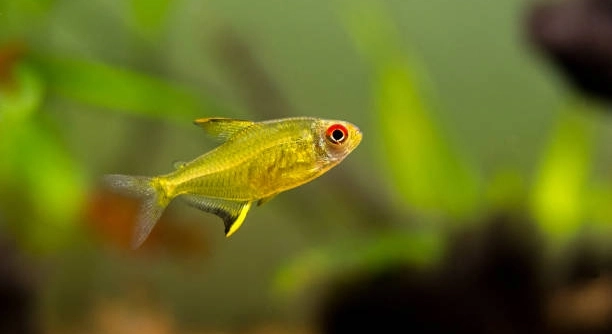
Do your Lemon Tetra seem to disappear for no reason, leaving you unsure of where they went? Many fish owners notice subtle changes in their behavior, especially when a fish is not feeling well.
Lemon Tetras often hide when sick as a natural defense mechanism. This behavior reduces stress, conserves energy, and limits exposure to potential threats while their immune system works to fight illness and recover from infection or injury.
Observing their hiding habits can reveal important signs of illness and help maintain a healthy aquarium environment for your fish.
Common Signs of Illness in Lemon Tetras
When a Lemon Tetra becomes unwell, changes in behavior and appearance are often the first noticeable indicators. Sick fish may lose their bright coloration, swim sluggishly, or isolate themselves from the school. Some may hover near the tank bottom or hide behind decorations. Appetite changes are also common; a fish that suddenly refuses food may be signaling internal stress or infection. Physical symptoms such as clamped fins, visible spots, or frayed tails often accompany these behavioral changes. Observing your fish regularly allows you to detect early signs of illness, making it easier to intervene. Environmental factors, such as poor water quality or sudden temperature fluctuations, can also contribute to stress and sickness. Monitoring parameters like ammonia, nitrite, and nitrate levels, along with maintaining consistent temperature and proper filtration, can prevent many common health issues. By paying attention to these signals, you can improve your Lemon Tetra’s chances of recovery.
Early detection of sickness helps prevent more severe problems and supports timely treatment for your fish.
Keeping a consistent feeding schedule and monitoring their activity can make spotting abnormal behavior easier. Recognizing even subtle changes in swimming patterns, fin position, or social interactions often indicates an underlying issue. Acting promptly can minimize stress and prevent the spread of disease within the tank.
Causes of Hiding Behavior
Lemon Tetras hide for various reasons beyond sickness.
Water quality is a major factor that drives hiding behavior. Poor filtration, high ammonia, or unbalanced pH can stress fish, prompting them to seek shelter. Sudden temperature shifts or inadequate lighting may also contribute to hiding, as these conditions make the environment unpredictable. Social dynamics in the tank influence behavior too; overcrowding or aggressive tank mates can cause timid fish to retreat. Hiding can also serve as a natural response to vulnerability, allowing the fish to conserve energy while assessing its surroundings. Even healthy fish may occasionally hide when adjusting to a new tank or recovering from minor stress. Ensuring proper water conditions, providing ample plants or decorations for cover, and maintaining a stable, calm environment reduces stress-induced hiding. Observing these behaviors in context helps differentiate between normal hiding and signs of illness, improving overall tank management and fish welfare.
Environmental Stress Factors
Water temperature changes, strong currents, or sudden lighting shifts can trigger hiding behavior in Lemon Tetras. Even small disturbances in their surroundings may cause them to retreat and stay in sheltered areas until they feel safe.
Maintaining a stable environment is essential for Lemon Tetras. Sudden changes in temperature or pH can stress fish, making them more likely to hide. Consistent water parameters, gentle filtration, and proper lighting help fish feel secure. Plants and decorations offer hiding spots, but overcrowding or insufficient cover can increase stress. Observing behavior alongside tank conditions allows for adjustments that support their well-being. Regular water testing and gradual acclimation to changes reduce stress-induced hiding and improve overall health.
Stress from environmental factors can also weaken the immune system, making Lemon Tetras more vulnerable to illness. Fish that hide excessively may need careful monitoring and intervention to prevent health complications. Adjusting tank layout, maintaining clean water, and minimizing sudden disturbances are practical steps to create a safer, more comfortable habitat for these delicate fish.
Nutrition and Its Impact
Poor diet or irregular feeding can influence a Lemon Tetra’s behavior. Nutritional deficiencies or skipped meals often lead to hiding and lethargy.
Providing a balanced diet is crucial for maintaining health. Lemon Tetras need a mix of high-quality flakes, frozen, or live foods to get proper nutrients. Inadequate nutrition reduces energy and weakens the immune system, increasing susceptibility to disease. Feeding small amounts multiple times daily mimics natural grazing and keeps fish active. Observing their feeding habits also helps identify early signs of illness. Supplemental vitamins or occasional treats can enhance their diet. Maintaining consistent feeding routines supports overall vitality, encourages social behavior, and reduces hiding tendencies.
A strong diet strengthens immune function, helping fish resist infections that might otherwise cause prolonged hiding. Balanced nutrition ensures vibrant coloration, active swimming, and natural interactions within the school. Paying attention to feeding habits, portion sizes, and food variety allows for healthier, more confident Lemon Tetras. Adjusting diet to meet their specific needs contributes to long-term tank stability and prevents behavior linked to nutritional stress.
Tank Mates Influence
Aggressive or overly active tank mates can cause Lemon Tetras to hide frequently. Peaceful species and proper stocking levels reduce stress and encourage natural schooling behavior.
Introducing compatible fish ensures a calmer environment. Lemon Tetras feel safer and are less likely to retreat when surrounded by non-aggressive companions.
Monitoring Behavior
Regular observation of swimming patterns and interactions helps identify early signs of stress or illness. Changes in activity often indicate environmental or health issues.
Water Quality Maintenance
Consistent testing and cleaning of the tank prevent harmful conditions that can lead to hiding behavior. Maintaining proper pH, temperature, and filtration supports overall health.
Signs of Recovery
Active swimming, bright coloration, and normal feeding habits indicate a recovering Lemon Tetra. Observing these behaviors ensures interventions are effective.
Continue the article with the following outline. Bold the questions. Do not write an intro for each header, get straight to the point. Do not use a greeting. Make it feel slightly personal. Write in a simplistic style.; Outline: ; FAQ (write at least 500 words); Note: Skip the intro, get straight to the point. The rest of the headers will be provided later, so do not write them yet. Skip the conclusion, and recap. Respect the given word count for every paragraph.
Lemon Tetras are naturally sensitive fish, and their behavior often reflects their comfort and health within the tank. Hiding is one of the ways they respond to stress, illness, or environmental changes. Observing when and how they hide provides insight into their overall well-being. Consistent patterns of retreat, especially when paired with changes in color, appetite, or swimming, often indicate that something in the environment or diet needs attention. Paying close attention to these signs allows you to address problems early, ensuring the fish remain healthy and active. By understanding their behavior, you can create a tank that supports both physical health and natural social interactions.
Maintaining stable water quality is essential for minimizing hiding behavior and supporting overall health. Regular testing of ammonia, nitrite, nitrate, and pH levels helps detect issues before they become serious. Temperature consistency and proper filtration further reduce stress, giving Lemon Tetras a safe and predictable environment. In addition to water parameters, tank layout plays an important role. Adequate plants, decorations, and hiding spots make the fish feel secure, while overcrowding or aggressive tank mates can increase stress. Providing a balanced diet also ensures proper nutrition, which strengthens the immune system and encourages natural activity. Careful attention to these factors prevents many common issues that contribute to hiding behavior.
Monitoring your Lemon Tetras daily allows you to notice subtle changes that may indicate stress or illness. Simple adjustments, such as altering feeding routines, improving tank conditions, or reorganizing decorations, can make a significant difference in their comfort levels. When illness is suspected, quick intervention and, if needed, temporary isolation can support recovery. Over time, observing how the fish respond to changes helps you better understand their individual needs. Creating a calm, stable, and supportive environment ensures that Lemon Tetras feel secure and exhibit natural behaviors. With consistent care and attention, you can reduce hiding tendencies and help your fish thrive in a healthy, balanced aquarium.

Hello,
If you enjoy the content that we create, please consider saying a "Thank You!" by leaving a tip.
Every little bit helps us continue crafting quality advice that supports the health, happiness, and well-being of pets around the world, for pets of all shapes, sizes, and species.
We really appreciate the kindness and support that you show us!