
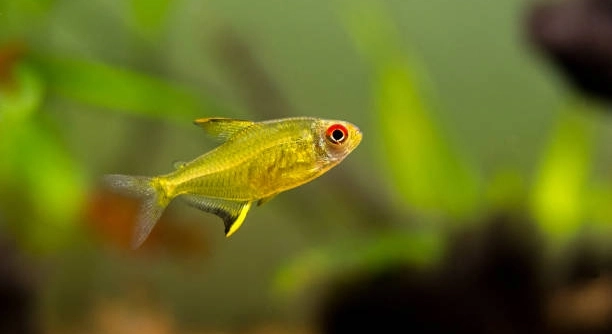
Lemon tetras are small, vibrant fish that bring life to any aquarium. Their playful movements and peaceful nature make them popular among aquarists seeking a calm and visually appealing community. Maintaining their well-being requires attention and care.
Balancing lemon tetra behavior involves providing appropriate tank size, consistent water parameters, a proper diet, and social structure. Ensuring these factors are met minimizes stress, reduces aggression, and promotes natural, calm interactions within the school, supporting long-term health and stability.
Observing their behavior closely allows you to address potential issues before they escalate, ensuring your tetras remain healthy, active, and harmonious in their environment.
Understanding Lemon Tetra Behavior
Lemon tetras are naturally peaceful fish, but their behavior can be influenced by multiple factors in the aquarium. Stress from overcrowding or poor water quality can lead to aggression or hiding. Providing a well-planted tank with open swimming spaces helps them feel secure. Observing their schooling behavior is essential, as these fish thrive in groups of six or more. They display coordinated movements, which indicate comfort and balance. Sudden changes in water temperature or chemistry can also disrupt their calm behavior, causing them to dart nervously or isolate themselves. Feeding habits influence behavior too; irregular feeding or insufficient nutrition can make them restless. Providing a balanced diet of high-quality flakes, frozen, or live foods supports steady energy and reduces stress. Light levels and hiding spots also contribute. Bright lights without shaded areas may make them skittish, while plenty of plants and gentle lighting encourage calm interactions.
Monitoring behavior regularly prevents long-term stress and maintains a harmonious tank.
Maintaining consistency in water quality, diet, and tank environment is key to stable lemon tetra behavior over time.
Tank Setup and Social Structure
Tank size should allow free swimming and group cohesion. Lemon tetras feel safer in a community of six or more.
A well-structured tank balances space, plants, and swimming areas to reduce stress. Decorations should not overcrowd the aquarium, allowing tetras to interact naturally while retreating when needed. Grouping them in sufficient numbers prevents dominant individuals from harassing others. Live plants, gentle filters, and proper lighting mimic their natural habitat, encouraging calm schooling and natural feeding behavior. Regular observation ensures signs of stress or illness are noticed early, allowing for quick adjustments. Maintaining stable water temperature and pH levels is essential. Integrating compatible tank mates can further reduce tension, but aggressive or fin-nipping species should be avoided. Establishing this environment fosters predictable and peaceful behavior patterns.
Diet and Feeding Practices
Feeding lemon tetras consistently helps maintain balance. Small portions multiple times a day prevent overeating.
A varied diet of flakes, micro pellets, and occasional live food supports health. Avoid overfeeding, as leftover food can affect water quality.
Monitoring how tetras respond to feeding provides insights into their well-being. Feeding at the same times each day establishes routine, which reduces stress. Introducing live or frozen foods occasionally stimulates natural hunting behavior. Ensuring all fish have access to food prevents competition and aggression. Clean the tank regularly to remove uneaten food and maintain water quality. A consistent feeding routine, paired with a stable environment, contributes to calm, balanced behavior and long-term health in lemon tetras.
Maintaining Water Quality
Regular water changes are essential for calm lemon tetra behavior. Removing 20–30% of water weekly keeps toxins low and prevents stress. Testing water for ammonia, nitrites, and nitrates ensures a stable environment. Proper filtration and avoiding sudden changes help maintain clarity and balance, supporting healthy fish interactions.
Consistent water parameters directly affect the mood and activity of lemon tetras. Fluctuations in temperature or pH can cause restlessness, hiding, or aggression. Using a reliable heater and monitoring devices stabilizes their environment. A gentle filter reduces strong currents that might stress fish, while plants and decorations provide shelter and resting areas. Cleaning the substrate regularly removes debris that can affect water chemistry. By staying attentive to these factors, the tank maintains a calm atmosphere where tetras can school naturally.
Keeping water stable also prevents disease outbreaks. Fish in stressed conditions are more susceptible to infections, which can further disrupt group dynamics. Regular observation and prompt action on water changes reinforce a healthy, predictable habitat that encourages balanced behavior and long-term vitality for lemon tetras.
Observing Social Interactions
Schooling behavior indicates comfort and balance among lemon tetras. A cohesive group swims together, maintains distance, and interacts peacefully.
Aggression or isolation often signals stress, illness, or inadequate group size. Dominant fish may chase others if numbers are too low. Observing their positions, movements, and interactions helps detect early signs of imbalance. Social harmony is encouraged by keeping groups large enough, providing hiding spaces, and minimizing disturbances. Environmental enrichment, such as plants and shaded areas, supports natural social behavior. Any sudden changes in tank setup can disrupt these interactions, so adjustments should be gradual.
Encouraging healthy social dynamics requires consistent attention to group composition, tank environment, and behavioral patterns. Monitoring for repeated aggressive displays or persistent hiding allows timely intervention. Addressing these issues quickly maintains calm schooling, prevents stress-related health problems, and ensures that all tetras have equal access to food and swimming space. Establishing a stable routine with minimal disruptions reinforces positive social behavior, helping the group function as a balanced, cohesive unit within the aquarium.
Lighting and Environment
Proper lighting helps lemon tetras feel secure and calm. Bright lights without shaded areas can make them skittish. Soft lighting with plants or decorations allows them to retreat and reduces stress, supporting balanced behavior in the aquarium.
Gradually adjusting light levels prevents sudden shocks. A consistent day-night cycle keeps fish activity predictable. Providing hiding spots among plants or ornaments gives tetras areas to rest and feel safe. Avoiding strong direct light and excessive reflections minimizes stress, allowing natural schooling and peaceful interactions to continue without disruption.
Temperature Control
Maintaining a stable temperature is essential. Lemon tetras thrive between 72–78°F. Sudden changes can cause stress and erratic behavior.
Monitoring with a reliable heater and thermometer ensures a consistent environment. Avoid placing the tank near drafts, vents, or direct sunlight. Stable temperatures promote regular activity, proper feeding, and calm schooling, preventing health issues related to stress or temperature fluctuations.
Managing Aggression
Even peaceful species may show occasional chasing. Addressing causes quickly helps maintain a calm tank.
Routine Observation
Regularly watching your tetras lets you notice behavior changes early. This allows timely adjustments in tank conditions or group composition, ensuring a healthy, balanced environment.
FAQ
How many lemon tetras should be kept together?
Lemon tetras are schooling fish and need groups of at least six to feel secure. Smaller groups can lead to stress, hiding, or aggression. Keeping a larger group encourages natural schooling, reduces chasing, and helps maintain calm and balanced behavior.
What tank size is suitable for lemon tetras?
A minimum of 20 gallons is recommended for a small group. More space allows them to swim freely, reduces territorial disputes, and accommodates plants and decorations that provide hiding spots. A larger tank supports stable water parameters, which is crucial for their well-being.
What water parameters are ideal for lemon tetras?
Temperature should be between 72–78°F, pH around 6.5–7.5, and hardness low to moderate. Stable parameters are key. Sudden fluctuations in temperature, pH, or water hardness can stress fish, cause erratic behavior, or trigger aggression.
How often should water changes be done?
Weekly water changes of 20–30% help maintain low toxin levels and stable conditions. Removing debris and uneaten food prevents ammonia and nitrate spikes. Regular water changes also help sustain healthy fish activity and calm behavior.
What should lemon tetras be fed?
A balanced diet of flakes, micro pellets, and occasional live or frozen food keeps them healthy. Feeding small amounts multiple times a day prevents overeating and reduces stress. Variety in diet encourages natural feeding behavior and supports energy for swimming and schooling.
How do I prevent aggression in the tank?
Keep enough tetras in a group and provide ample hiding spots. Avoid aggressive tank mates and maintain stable water conditions. Observing social interactions regularly allows you to notice early signs of chasing or bullying and intervene before it escalates.
What tank decorations are best for lemon tetras?
Live or artificial plants, driftwood, and smooth rocks create shaded areas and open swimming spaces. Avoid overcrowding the tank with decorations. A balanced layout supports natural schooling, provides retreats during stress, and helps fish feel secure.
Can lemon tetras be kept with other fish?
Yes, but choose peaceful species that are similar in size. Avoid fin-nipping or aggressive fish that may harass them. Proper tank size, hiding spaces, and compatible companions promote calm behavior and prevent stress.
How can I tell if my lemon tetras are stressed?
Signs include hiding, darting, loss of appetite, or aggression. Disrupted schooling or isolated individuals also indicate stress. Monitoring behavior daily helps catch problems early, allowing adjustments in water quality, group size, or tank layout to restore calm.
What lighting conditions suit lemon tetras?
Moderate lighting with shaded areas helps them feel secure. Bright light without cover can make them skittish. Using a day-night cycle with plants or decorations prevents stress, encourages natural schooling, and supports balanced activity.
How important is routine observation?
Observing your tetras regularly allows you to notice changes in behavior, health, or interactions. Early detection of stress, illness, or aggression enables timely intervention, ensuring long-term calm and balanced behavior in the tank.
How do I maintain long-term calm behavior?
Stable water parameters, proper diet, adequate group size, and a well-structured tank are all essential. Regular observation and consistent routines prevent stress and aggression, ensuring lemon tetras remain healthy, active, and harmonious in their environment.
This FAQ addresses the key aspects of keeping lemon tetras balanced, calm, and thriving. Each factor—from tank size and water quality to social dynamics and diet—plays a role in their long-term well-being. Careful attention ensures they remain peaceful, active, and visually vibrant.
Final Thoughts
Maintaining balanced and calm behavior in lemon tetras requires consistent attention to their environment, diet, and social needs. These fish are naturally peaceful and thrive in stable conditions with minimal disruptions. Providing a properly sized tank with adequate swimming space is fundamental, as it allows them to school naturally and reduces stress. Plants, decorations, and hiding spots create secure areas for resting, while open spaces let them move freely. Grouping lemon tetras in numbers of six or more ensures they feel safe and supported, preventing dominant fish from harassing others. A well-structured tank also helps maintain stable water quality and reduces the likelihood of aggressive or erratic behavior.
Water quality plays a crucial role in the well-being of lemon tetras. Consistent water parameters, including temperature, pH, and hardness, help keep them calm and active. Weekly water changes of around 20–30% remove excess waste and maintain a stable environment. Using a gentle filter prevents strong currents that may stress the fish, while careful monitoring with thermometers and test kits ensures any changes are noticed early. A stable environment also reduces the risk of disease, as stressed fish are more vulnerable to infections. By paying close attention to these factors, the tank becomes a predictable and safe space, encouraging natural schooling behavior and promoting overall health.
Diet and feeding practices are equally important in maintaining calm behavior. Providing a balanced diet of flakes, micro pellets, and occasional live or frozen food ensures that all tetras receive proper nutrition without competition or overeating. Feeding small amounts multiple times a day supports steady energy levels, preventing restlessness or aggressive chasing for food. Observation during feeding allows you to notice changes in appetite or social behavior, which may indicate stress or health issues. Combined with a stable tank environment, proper lighting, temperature control, and compatible companions, consistent care helps lemon tetras thrive. By maintaining these routines and observing their behavior regularly, you create a harmonious environment where tetras remain peaceful, active, and visually vibrant, ensuring long-term balance and well-being.

Hello,
If you enjoy the content that we create, please consider saying a "Thank You!" by leaving a tip.
Every little bit helps us continue crafting quality advice that supports the health, happiness, and well-being of pets around the world, for pets of all shapes, sizes, and species.
We really appreciate the kindness and support that you show us!