
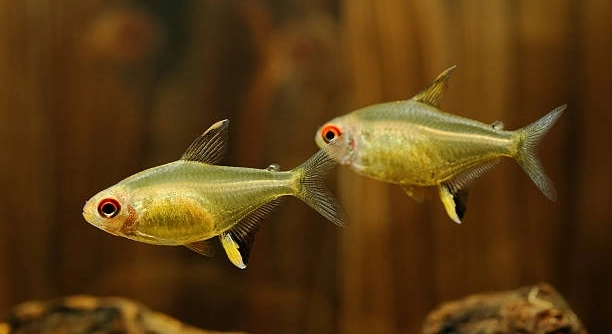
Lemon tetras are small, colorful fish often kept in home aquariums. Their vibrant appearance and active behavior make them popular among fish enthusiasts. Observing their interactions and daily routines can reveal fascinating aspects of their behavior.
Lemon tetras are capable of learning through repetition, demonstrating the ability to associate actions with outcomes. Repeated exposure to specific stimuli can reinforce behavior patterns, indicating that these fish can adapt and respond to their environment over time.
Learning about how lemon tetras respond to repetition can improve their care and enrichment. Observing these patterns offers insight into their cognitive abilities and everyday interactions in a home aquarium.
How Lemon Tetras Respond to Repetition
Lemon tetras are observant and respond well to consistent cues in their environment. Over time, they can associate feeding times or specific signals with food delivery. Repetition helps them recognize patterns, reducing stress and encouraging predictable behavior. For instance, tapping lightly on the aquarium glass or moving a net consistently can teach them to approach or avoid certain areas. Their learning is gradual, requiring patience and attention to their reactions. By offering the same stimulus repeatedly, they begin to understand cause and effect, showing small but noticeable changes in behavior. These fish thrive when their environment is stable, and repetition introduces a sense of structure. Daily routines, like feeding at the same time, strengthen their capacity to anticipate and respond. Observing these patterns can make aquarium care easier and more engaging. It also allows a closer look at how fish adapt to their surroundings.
Repeated exposure improves their behavior and reduces stress. Predictable routines help them feel secure and respond consistently over time.
Lemon tetras are more than just visually appealing fish. Their learning through repetition shows that even small creatures can adapt to regular stimuli. By practicing consistent feeding, movement, and interaction cues, owners can encourage them to develop habits. These habits may include swimming toward a feeding spot or avoiding certain areas during maintenance. Their memory is limited but sufficient for short-term associations, which can be reinforced daily. Recognizing these small behavioral changes is rewarding. It demonstrates that patience and structured interaction can influence their activity levels and social behavior within the tank. Such observations highlight the importance of stability in their environment. Adjustments should be gradual, allowing the fish to acclimate to new routines without confusion. Overall, repetition is a simple but effective tool for promoting predictable and healthy behavior in lemon tetras.
Training Techniques for Lemon Tetras
Positive reinforcement is effective for teaching lemon tetras simple responses. Small food rewards paired with a signal encourage repetition.
Training should start with brief, consistent sessions. Introduce one stimulus at a time, allowing the fish to associate it clearly with a reward. Over days, their response becomes more reliable. Keep sessions short to avoid stress, and always use the same signals. Gradually, their reactions will become consistent, showing that repetition and reward can shape behavior. Observing their learning pace helps refine techniques, ensuring training remains effective and stress-free. Structured repetition encourages interaction and mental stimulation, improving their overall well-being and tank activity.
Observing Behavioral Changes
Lemon tetras show subtle changes when exposed to repeated cues. They may swim faster toward a feeding area or cluster near familiar signals. These responses indicate learning and recognition, reflecting their ability to adapt to consistent patterns over time.
Tracking their behavior daily helps identify progress. Small adjustments in feeding times or environmental cues can reveal how quickly they learn. Noticing patterns like approaching certain areas or responding to movements provides insight into their memory capacity. Documenting these responses ensures that repetition is effective without causing stress. Over weeks, these observations show clear behavior shifts.
Consistent repetition strengthens habits, making their reactions predictable. Simple signals paired with rewards encourage recognition, and over time, lemon tetras demonstrate reliable responses. Monitoring these behaviors ensures that their environment supports learning and reduces unexpected stress. Even minor adjustments in daily care routines can significantly impact their adaptability and overall comfort in the aquarium. This process highlights the importance of patience and consistent observation in promoting behavioral growth.
Environmental Factors Affecting Learning
Tank conditions play a major role in learning ability. Stable water temperature, lighting, and minimal disturbances enhance responsiveness to repetition.
When environmental stress is minimized, lemon tetras respond more consistently to cues. Fluctuating water parameters or overcrowding can reduce learning ability. A well-maintained tank allows them to focus on patterns rather than survival instincts. Regular water testing, gentle handling, and predictable feeding routines improve receptiveness. Observing responses in different areas of the tank can reveal preferences and learning tendencies, highlighting the importance of comfort in behavioral development. Adjusting the environment gradually supports confidence and consistent reactions.
Social Interaction and Learning
Lemon tetras respond to the behavior of other fish. Observing peers during feeding or movement can influence their reactions. Social cues reinforce learning and make repetition more effective within the group.
Group dynamics affect how quickly behaviors are learned. Fish often mimic successful actions of others, improving their response to repeated stimuli.
The Role of Consistency
Consistent timing and signals are essential for learning. Random or irregular cues confuse lemon tetras and slow behavior development. Repetition only works when the environment and stimuli are predictable, allowing the fish to form clear associations with outcomes.
Signs of Successful Learning
Recognizable behavior changes, such as approaching a feeding area promptly, indicate that learning is taking place. These signals show that repetition has strengthened memory and response patterns.
FAQ
Can Lemon Tetras Really Learn From Repetition?
Yes, lemon tetras can learn from repeated cues. They form simple associations between signals and outcomes, such as feeding times or environmental changes. While their memory is limited, consistent repetition helps them recognize patterns, respond predictably, and adjust their behavior over time.
How Long Does It Take for Them to Learn?
Learning varies based on the fish and the type of cue. Most lemon tetras begin to show noticeable responses within a few days of consistent repetition. Daily, brief sessions are more effective than long or irregular interactions, as they reduce stress and reinforce memory gradually.
What Types of Behaviors Can They Learn?
Lemon tetras can learn to respond to feeding cues, approach certain areas of the tank, or avoid specific stimuli. They can also pick up on social behaviors from other fish, mimicking actions that appear rewarding or safe. However, complex tasks are beyond their capacity.
Does Environment Affect Learning?
Yes, stable and calm tank conditions significantly improve learning. Fluctuating water temperatures, poor water quality, overcrowding, or sudden changes in lighting can distract fish and reduce their ability to recognize repeated cues. Predictable routines and a comfortable environment support behavioral adaptation.
How Can I Encourage Learning Without Stressing Them?
Keep training sessions short and consistent. Pair signals with small rewards like food. Avoid sudden movements or frequent changes in routine. Observing their reactions allows adjustments to ensure repetition is reinforcing behavior rather than causing anxiety. Patience is key.
Can They Learn From Each Other?
Social learning is possible. Lemon tetras often observe peers during feeding or movement. They can mimic successful actions of other fish, which helps reinforce positive behavior. Group interactions can improve the speed at which new patterns are recognized and followed.
Is There a Limit to What They Can Remember?
Yes, lemon tetras have limited memory. They mainly retain short-term associations with repeated stimuli. While they can form predictable habits, they are not capable of complex problem-solving or long-term planning. Repetition helps them maximize their short-term memory effectively.
Do They Respond Better to Certain Cues?
Visual and consistent cues, such as tapping the glass or using a specific feeding tool, are most effective. Sudden or inconsistent signals may be ignored. Repetition paired with recognizable visual or environmental cues strengthens learning outcomes.
How Often Should I Repeat the Cue?
Daily, brief repetitions work best. Overdoing it can cause stress, while too little repetition slows learning. Observing their reactions helps determine the right frequency, ensuring the cues are meaningful without being overwhelming.
Will Learning Improve Their Overall Well-Being?
Yes, structured repetition and predictable routines provide mental stimulation and a sense of security. Fish that understand patterns and cues are less stressed, more active, and more confident, which improves social interactions and overall health in the aquarium environment.
Can I Use Food to Reinforce Learning?
Food rewards are highly effective. Small, consistent portions paired with a cue help fish associate signals with positive outcomes. Avoid overfeeding to prevent health issues, and ensure that rewards are predictable to strengthen the learning process.
How Do I Know When They Have Learned a Behavior?
Consistent responses, such as swimming to a feeding area or reacting to a cue without hesitation, indicate successful learning. Observing repeated, predictable behavior confirms that the fish has formed an association between the stimulus and outcome.
Can Learning Be Reversed If the Routine Changes?
Yes, if routines or cues change, learned behavior can weaken or disappear. Fish adapt to new patterns slowly. Maintaining consistency helps solidify learned behavior, while abrupt changes may require additional repetition to re-establish associations.
Are All Lemon Tetras Equally Capable of Learning?
Individual differences exist. Some fish are more responsive or quicker to pick up cues, while others may take longer. Age, health, and personality influence learning ability, making observation and adjustment important for each fish in the tank.
What Mistakes Should Be Avoided When Encouraging Learning?
Avoid inconsistency, overcrowding, sudden environmental changes, and overfeeding. These factors cause stress and reduce responsiveness. Using unpredictable or harsh cues can confuse the fish and hinder behavioral development. Gradual, patient repetition is essential for effective learning.
Can Learning Help Reduce Aggression or Stress?
Yes, predictable routines and understanding signals can lower stress and minimize conflicts. Fish that recognize feeding cues or safe zones are calmer and less likely to exhibit aggressive behavior. Structured interaction improves social cohesion and overall well-being in the tank.
Is Repetition the Only Method to Teach Them?
Repetition is the primary and most effective method for lemon tetras. While observation of peers helps, consistent cues and rewards form the foundation of learning. Other methods are less reliable due to the fish’s limited memory and cognitive capacity.
How Can I Track Their Learning Progress?
Document daily observations, noting responses to cues, timing, and social interactions. Recording patterns over time reveals improvements and highlights areas needing adjustment. Gradual tracking ensures training remains consistent, effective, and tailored to individual fish needs.
Do They Forget Learned Behaviors Quickly?
Without regular reinforcement, learned behaviors can fade. Short-term memory is strongest when repetition is consistent. Periodic reinforcement helps maintain responses and strengthens associations, keeping learned behaviors reliable over time.
Are Certain Ages Better for Learning?
Younger fish are often more adaptable, while older tetras may take longer to respond. However, consistent repetition benefits all ages, with gradual improvements in behavior seen across life stages. Patience and observation are essential for effective learning regardless of age.
Can Learning Affect Feeding Efficiency?
Yes, fish that recognize feeding cues respond faster and more predictably, reducing stress during meals. Improved efficiency ensures food is consumed promptly and minimizes competition or missed feeding opportunities. This contributes to overall health and tank harmony.
How Important Is Patience in This Process?
Patience is crucial. Fish require time to form associations and respond reliably. Rushed or inconsistent attempts often lead to stress or confusion. Gradual repetition with careful observation ensures learning is effective and stress-free, creating a stable environment for behavioral growth.
What Is the Most Effective Way to Start Training?
Begin with one simple cue paired with a small reward. Repeat the action consistently for short periods daily. Observe responses closely and adjust timing or method as needed. Starting slow and building gradually ensures successful learning without overwhelming the fish.
Can Learning Be Applied to Multiple Behaviors?
Yes, once a fish responds reliably to one cue, additional behaviors can be introduced gradually. Each new pattern should be paired with consistent repetition and reinforcement, ensuring clarity and avoiding confusion between signals.
Is Learning Through Repetition Limited to Feeding?
No, it also applies to movement, social interactions, and environmental responses. Fish can learn to recognize areas, avoid obstacles, and respond to other fish behaviors. Repetition across various contexts strengthens overall adaptability and awareness in the tank.
Does Group Size Affect Learning Ability?
Smaller groups allow more focused observation, while larger groups can increase social learning opportunities. Overcrowding, however, causes stress and reduces responsiveness. Maintaining a balanced group size ensures both social influence and individual learning are optimized.
How Do I Prevent Stress During Training?
Keep sessions short, use consistent cues, avoid sudden changes, and maintain stable tank conditions. Watching the fish for signs of fatigue or anxiety helps prevent negative effects, making repetition a positive and safe method for behavioral development.
What Are Common Mistakes in Tracking Progress?
Failing to record observations, using inconsistent cues, and misinterpreting behavior as learning when it is random are common mistakes. Accurate tracking requires attention to patterns, consistency in methods, and clear identification of repeated, predictable responses.
How Can I Reinforce Positive Social Behavior?
Use predictable feeding and environmental cues. Reward desired actions and allow fish to observe peers responding appropriately. Reinforcing positive behavior through repetition strengthens social cohesion and reduces conflicts within the tank.
Is Learning Permanent in Lemon Tetras?
Learned behaviors persist with consistent reinforcement but are not permanent. Without repeated cues, responses can fade over time. Regular practice maintains associations and ensures predictable behavior continues.
Can Environmental Enrichment Enhance Learning?
Yes, varied structures, plants, and safe hiding spots improve engagement and curiosity. Enriched environments encourage interaction with cues and enhance responsiveness, making repetition more effective and enjoyable for the fish.
How Does Stress Interfere With Learning?
Stress reduces attention and responsiveness, slowing the formation of associations. Sudden changes, overcrowding, or poor water conditions disrupt learning. Maintaining calm, stable conditions is essential to ensure repetition is effective and behavioral development is supported.
What Is the Role of Observation in the Learning Process?
Careful observation allows recognition of progress, identification of effective cues, and early detection of stress. Monitoring behavior ensures repetition is applied correctly and supports positive adaptation, making learning efficient and safe for the fish.
Can Training Be Used to Improve Tank Management?
Yes, trained responses make routine care, like feeding or cleaning, easier. Fish that recognize cues react predictably, reducing stress for both the fish and caretaker. Structured repetition streamlines tank management and enhances overall health and harmony.
How Do I Adjust Cues If Learning Slows?
Evaluate timing, consistency, and reward size. Small modifications to signals or reinforcement can improve clarity. Maintaining calm conditions and patience ensures the fish continue to respond positively without stress or confusion.
Are Visual Cues More Effective Than Sounds?
Yes, lemon tetras rely heavily on visual signals. Subtle movements, lights, or consistent feeding tools are more recognizable than sounds, which may be less noticeable underwater. Repetition with clear visual cues strengthens learning more efficiently.
Can Learning Improve Feeding Safety?
Yes, trained fish anticipate feeding without rushing or colliding with others. Recognizing feeding cues reduces competition and ensures a calmer, safer mealtime environment, improving overall health and social behavior within the tank.
Does Repetition Affect Long-Term Health?
Structured repetition indirectly benefits health by reducing stress and promoting consistent behavior. Predictable routines encourage proper feeding, activity, and social interaction, contributing to better growth, immunity, and overall well-being.
How Do I Know When to Introduce New Cues?
Once a fish reliably responds to one cue, additional signals can be added gradually. Introduce one new pattern at a time, paired with repetition and rewards, ensuring the fish can distinguish between cues without confusion.
Is Learning the Same for All Fish in the Tank?
Individual differences matter. Some fish are quicker to respond, while others need more time. Observing each fish ensures training is adapted to their pace, making repetition effective for all individuals.
How Can I Make Learning Enjoyable for Them?
Keep sessions short, predictable, and rewarding. Avoid stress and provide a stable environment. Positive interactions strengthen response to repetition and encourage active, confident behavior.
Are There Limits to Repetition?
Yes, overdoing repetition can cause stress and reduce responsiveness. Short, consistent sessions are more effective than long, frequent ones. Balance is key to successful learning without negative effects.
What Should I Avoid During Training?
Avoid inconsistent cues, sudden changes, overcrowding, and overfeeding. These factors create stress, confusion, and poor learning outcomes. Gradual, patient repetition ensures positive results and minimizes negative impact on behavior and health.
Can Training Influence Social Hierarchy?
Yes, predictable behavior and cue recognition can reduce conflicts. Fish that respond to routines are less likely to challenge others, promoting calmer interactions and smoother social dynamics in the tank.
How Do I Combine Learning With Enrichment?
Introduce varied objects, plants, and safe spaces while maintaining consistent cues. Repetition paired with environmental stimulation encourages exploration, responsiveness, and mental engagement, enhancing learning effectiveness.
Is Repetition Effective Without Rewards?
Rewards increase learning efficiency but some simple patterns, like consistent feeding times, can be learned without direct reinforcement. Positive associations improve behavior, but pairing cues with small rewards accelerates adaptation and predictability.
How Can I Track Long-Term Learning Progress?
Keep daily records of responses, noting timing, consistency, and reactions. Over months, patterns reveal improvements and areas needing reinforcement. Documentation ensures repetition remains effective and tailored to each fish’s behavior.
Does Learning Through Repetition Reduce Aggression?
Yes, fish that understand routines and recognize cues are calmer, reducing aggressive encounters. Predictable environments foster social harmony, improving well-being for all individuals in the tank.
Can Lemon Tetras Teach Each Other New Behaviors?
Observation helps. Fish may mimic peers performing successful actions, reinforcing learned behaviors. Social learning supplements repetition, making training more effective within groups.
How Often Should I Review Training Methods?
Regularly assess cues, rewards, and environmental conditions. Adjust methods based on progress and fish responses. Periodic review ensures repetition remains effective and supports healthy behavior development.
Are There Signs That Learning Is Complete?
Reliable, predictable responses to repeated cues indicate successful learning. Fish react promptly, consistently, and with minimal hesitation, showing that associations have been firmly established.
Can Repetition Be Stressful?
If overdone or inconsistent, yes. Short, predictable sessions reduce stress. Observing fish ensures repetition supports learning rather than causing anxiety, keeping interactions positive and productive.
How Do I Balance Training and Daily Care?
Incorporate cues into routine activities like feeding and cleaning. Keep sessions brief and consistent, ensuring that learning complements care rather than disrupting it. This balance maintains health, reduces stress, and encourages predictable behavior.
Does Age Affect Learning Ability?
Younger fish often adapt faster, but all ages benefit from repetition. Patience and consistency are crucial for training, regardless of the fish’s stage of life, to reinforce predictable behavior effectively.
What Role Does Observation Play in Training?
Observation is key to tracking progress, identifying effective cues, and detecting stress. Careful monitoring ensures repetition is applied correctly and learning is reinforced safely, creating a structured environment.
Can Lemon Tetras Forget Learned Behaviors Quickly?
Yes, without reinforcement, behaviors can fade. Short-term memory is strengthened through consistent repetition. Regular practice maintains associations and ensures responses remain reliable over time.
How Do I Handle Fish That Don’t Learn Quickly?
Adjust cues, increase consistency, and observe carefully. Patience is essential. Not all fish learn at the same pace, so gradual reinforcement helps even slower learners respond effectively.
Can Learning Be Used to Reduce Feeding Conflicts?
Yes, predictable cues allow fish to anticipate meals calmly. Structured repetition reduces competition, ensures fair access to food, and promotes a healthier, more harmonious tank environment.
Are Lemon Tetras Capable of Complex Learning?
Their learning is limited to simple associations. They respond well to repetition and predictable cues, but tasks requiring long-term planning or abstract thinking are beyond their cognitive ability.
How Does Repetition Impact Tank Management?
Trained fish respond predictably to care routines, reducing stress during feeding, cleaning, or movement. Consistent repetition simplifies daily maintenance and improves overall tank health.
Is Positive Reinforcement Essential for Learning?
While some habits form without rewards, pairing repetition with food or stimuli accelerates learning and strengthens associations, making positive reinforcement highly effective.
Can Environmental Changes Reset Learned Behaviors?
Significant changes may disrupt learned responses. Gradual adjustments allow fish to adapt without losing previous associations, maintaining consistency and minimizing stress.
How Can I Make Learning a Daily Routine?
Integrate cues into feeding, cleaning, and observation. Short, consistent sessions every day reinforce habits, improving predictability and overall tank harmony.
Does Group Size Affect Learning Efficiency?
Balanced groups provide social learning benefits without overcrowding stress. Too many fish reduce responsiveness, while too few limit social cues. Optimal group size supports both observation and individual learning.
What Are Common Mistakes in Training Lemon Tetras?
Inconsistency, overfeeding, abrupt environmental changes, and ignoring stress signals hinder learning. Patience, clear cues, and careful observation prevent mistakes and promote effective repetition.
Can Learning Improve Social Behavior?
Yes, fish that respond predictably to cues interact more calmly, reducing aggression and promoting smoother social dynamics in the tank.
Are Visual Rewards More Effective Than Food?
Food is more motivating, but visual cues paired with consistent signals can reinforce learning. Fish respond best to predictable, recognizable patterns, which strengthen associations over time.
How Do I Know If Learning Is Stress-Free?
Calm behavior, active swimming, and prompt responses indicate comfort. Avoid signs of stress like hiding, erratic swimming, or lethargy. Observing these behaviors ensures repetition is positive and safe.
Can Lemon Tetras Learn From Observation Alone?
Observation aids learning but is slower than repetition with reinforcement. Watching peers helps, but consistent cues and rewards are necessary for predictable behavioral development.
Is Short-Term Memory Enough for Effective Learning?
Yes, their short-term memory suffices for simple patterns. Repetition strengthens associations, ensuring predictable responses despite cognitive limitations.
How Can I Combine Feeding With Learning?
Pair consistent feeding times with cues. Fish learn to recognize signals and approach calmly, improving feeding efficiency and reinforcing behavioral patterns.
Do Individual Differences Affect Learning Outcomes?
Yes, age, health, and personality influence responsiveness. Some fish learn quickly, while others require more repetition. Tailoring training to each individual ensures success.
What Happens if I Stop Repeating Cues?
Learned behaviors fade over time. Consistent reinforcement maintains associations and predictable responses. Without it, fish may revert to default behavior.
Can Learning Reduce Stress During Tank Maintenance?
Yes, predictable cues make cleaning and feeding less stressful. Fish that recognize patterns react calmly, improving overall tank management and well-being.
How Important Is Timing in Repetition?
Consistent timing strengthens associations. Irregular intervals reduce effectiveness and may confuse the fish. Daily, predictable schedules yield the best results.
Does Learning Through Repetition Affect Longevity?
Indirectly, yes. Reduced stress, better feeding habits, and predictable behavior support overall health, contributing to a longer, healthier life.
How Do I Adjust Cues for Multiple Fish?
Introduce cues gradually, monitor responses, and adjust timing to accommodate individual learning speeds. Consistency ensures all fish understand and react appropriately.
Can Lemon Tetras Learn to Avoid Negative Stimuli?
Yes, with careful repetition and observation, they can associate certain areas or actions with mild aversive cues, encouraging avoidance without causing stress.
Is Overfeeding a Risk During Training?
Yes, rewards should be small and controlled. Overfeeding disrupts health and reduces learning effectiveness. Careful portioning ensures safe and productive reinforcement.
Can I Use Repetition to Encourage Exercise?
Yes, placing cues or rewards in different tank areas encourages movement and exploration, promoting physical activity while reinforcing learning.
How Do I Track Social Learning Progress?
Observe interactions and note mimicked behaviors. Track which fish respond to peer cues and how quickly habits form. Recording patterns helps assess effectiveness and adjust training.
Does Repetition Influence Breeding Behavior?
Indirectly, predictable routines reduce stress and support healthy social interactions, creating conditions more favorable for breeding, though it does not directly teach reproductive behavior.
**Are Visual and Environmental
Final Thoughts
Lemon tetras are small, delicate fish with surprisingly adaptable behavior. Observing their daily routines shows they can respond to repeated cues, gradually learning to associate certain actions with outcomes. This ability, while limited compared to larger animals, is significant in understanding their cognitive capabilities. Repetition allows them to anticipate feeding, respond to signals, and interact more predictably with other fish in the tank. Even minor adjustments, like consistent feeding times or simple signals, can produce noticeable behavioral changes over a period of days or weeks. These changes demonstrate that they are capable of learning within the context of their environment, provided that it is stable and predictable.
Creating a consistent routine is key for reinforcing learned behaviors. Lemon tetras respond best to short, repeated sessions where cues are clear and paired with positive outcomes, such as food rewards. Abrupt changes, inconsistent signals, or stressful conditions can disrupt the learning process, making repetition less effective. Stability in tank conditions, including proper temperature, water quality, and space, ensures that the fish can focus on the cues rather than adjusting to environmental stressors. Social interactions also play a role in learning, as fish can observe the behavior of their peers and mimic actions that appear beneficial. By monitoring their reactions and adjusting cues carefully, owners can create an environment that encourages learning without causing unnecessary stress. Over time, these patterns help the fish develop predictable responses, which can improve daily tank management and overall fish well-being.
Understanding how repetition influences lemon tetras can make a meaningful difference in their care. Their short-term memory allows them to form habits that improve feeding efficiency, reduce stress, and encourage more active and confident behavior. While they cannot perform complex tasks or long-term planning, they are capable of learning simple associations that enhance their interaction with the tank environment. Observing and documenting these responses provides valuable insight into their cognitive abilities and helps tailor care routines to their needs. Consistent, gentle repetition creates an enriched environment that supports both mental and physical health, making it possible to maintain a harmonious and engaging aquarium. By respecting their natural limitations and providing clear, predictable cues, caretakers can help lemon tetras thrive, demonstrating that even small fish are capable of meaningful behavioral adaptation.

Hello,
If you enjoy the content that we create, please consider saying a "Thank You!" by leaving a tip.
Every little bit helps us continue crafting quality advice that supports the health, happiness, and well-being of pets around the world, for pets of all shapes, sizes, and species.
We really appreciate the kindness and support that you show us!