
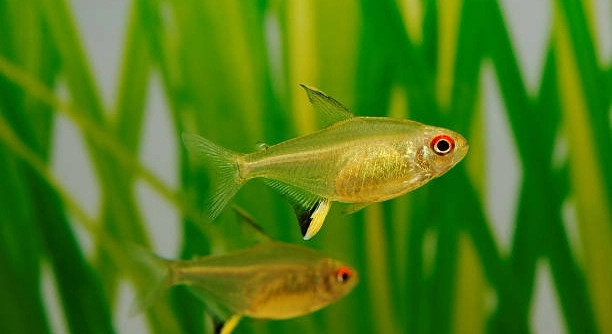
Lemon tetras are small, colorful freshwater fish often kept in home aquariums. Many aquarium owners enjoy watching their lively movements and peaceful interactions in a well-maintained tank environment. These fish can bring charm and activity to any setup.
Lemon tetras generally do not fight over food. They are a schooling species that tends to eat together without aggressive competition. While occasional mild nipping may occur, it is rare and does not indicate true food-related aggression.
Observing their behavior during feeding can reveal subtle social patterns and interactions that make these fish interesting to keep. This insight helps maintain a harmonious aquarium environment.
Typical Feeding Behavior of Lemon Tetras
Lemon tetras are peaceful fish that thrive in groups. When feeding, they tend to scatter across the tank, picking up flakes or small pellets one by one. They rarely chase each other aggressively, even when food is limited. Observing a school of lemon tetras during mealtime shows a natural rhythm. Some fish may swim closer to the surface for floating flakes, while others stay near plants or decorations to pick up sinking food. Their schooling instinct helps distribute the feeding activity, reducing stress and preventing a single fish from dominating. Over time, you notice each fish develops subtle habits, such as which area of the tank they prefer during feeding. Occasionally, faster fish may grab more food, but this rarely escalates into fighting. Maintaining a calm environment and feeding small portions several times a day can help all fish eat comfortably without tension. Their peaceful nature makes them suitable for community tanks.
Feeding lemon tetras in small portions helps avoid competition. They usually adjust well to multiple feeding spots in the tank.
Even in a well-stocked aquarium, lemon tetras may display minor shuffling or jostling as they swim toward food. These brief interactions are natural and rarely indicate stress or aggression. Over time, they learn to anticipate feeding times and positions, which helps maintain harmony. Tank setup, including plants and decorations, provides areas where slower fish can feed without interference. Monitoring their feeding behavior allows you to notice any unusual signs, such as sudden chasing or hiding, which may indicate illness or stress rather than competition. Regular observation ensures a healthy group dynamic.
Managing Food Distribution
Providing multiple feeding spots can reduce any minor competition among lemon tetras. Scattering food encourages natural foraging behavior.
It is important to monitor portions and feeding frequency for healthy tetras. Overfeeding can lead to water quality issues, which stress fish and may increase mild nipping. Feeding small amounts several times a day ensures all fish receive adequate nutrition. Using sinking and floating food types can satisfy different feeding preferences and reduce crowding at the surface. Observing their responses helps adjust feeding routines to suit the group. Creating a calm feeding environment without sudden movements or tapping on the glass prevents startling the fish. A well-planned feeding strategy supports growth, coloration, and overall well-being while keeping the tank peaceful. By understanding their patterns, it is easier to maintain balance and prevent any minor disputes from escalating. Regular tank maintenance, combined with careful feeding, ensures lemon tetras remain active, healthy, and harmonious in their aquarium habitat.
Signs of Minor Food Disputes
Minor food disputes in lemon tetras are rare and usually involve brief chasing or nipping. These behaviors are short-lived and stop once the food is spread out. Occasional squabbles do not indicate serious aggression.
Even when feeding several tetras at once, small shuffles may occur. Faster fish sometimes reach flakes first, causing a quick flutter or nudge from slower fish. These moments are brief and do not result in injuries. In a healthy aquarium, fish quickly adapt to each other’s presence and feeding habits. Over time, they establish an informal order without constant conflict. Monitoring these behaviors ensures that everyone gets enough food and that the group remains balanced.
Tetras are more likely to focus on the food than on each other. Minor disputes are easily avoided by spreading food over a wider area and offering both floating and sinking options. Careful observation helps identify if any fish are struggling to eat or need special attention. This simple approach maintains harmony and prevents stress from building up in the group.
Tips to Prevent Food-Related Stress
Feeding in multiple locations and offering small amounts reduces crowding and stress among lemon tetras.
Using small portions several times a day helps prevent overeating and ensures all fish get a fair share. Providing both surface flakes and sinking pellets allows different feeding styles and keeps slower fish from missing out. Regularly observing the fish while feeding helps spot any signs of stress or unusual behavior early. Adjusting feeding routines based on tank size, number of fish, and diet type keeps the group balanced. Maintaining a calm environment during feeding reduces sudden movements or disruptions that could trigger mild skirmishes. Combined with proper tank maintenance, these practices promote healthy, peaceful interactions among lemon tetras and support their growth and coloration.
Feeding Hierarchy
Lemon tetras rarely develop a strict feeding hierarchy. While some fish are faster, most eat together without prolonged chasing. Any brief nudges usually end quickly and do not affect the group’s overall harmony.
Occasional shuffles may happen as fish reach for the same flake. These moments are brief and naturally resolve without intervention.
Observing Mealtime Interactions
Watching lemon tetras during feeding shows subtle social behavior. Faster fish may pick food first, but slower fish adapt by foraging nearby. Plants, decorations, and multiple feeding spots help reduce overlap. Over time, the group develops a rhythm, with fish balancing speed and space to avoid constant tension. Regular observation ensures feeding is effective and peaceful.
Adjusting Feeding Techniques
Spreading food evenly across the tank prevents crowding. This simple adjustment supports calm, cooperative feeding behavior among lemon tetras.
FAQ
Do lemon tetras fight over food?
Lemon tetras are generally peaceful and do not fight over food. They may show brief shuffling or nudging as faster fish reach flakes first, but these interactions are short-lived. Most of the time, all fish manage to eat without conflict, especially when food is spread across multiple areas of the tank.
How can I reduce minor disputes during feeding?
Feeding small portions in multiple locations helps prevent crowding. Using both floating flakes and sinking pellets allows slower fish to eat comfortably. Keeping the environment calm and avoiding sudden movements near the tank reduces stress. Observing their behavior regularly lets you adjust portions or feeding spots if needed.
Is it necessary to separate lemon tetras during feeding?
Separation is rarely needed. Lemon tetras are schooling fish and adapt well to each other’s presence during feeding. Only consider temporary separation if one fish consistently struggles to eat or is being repeatedly nipped, which is uncommon in a healthy group.
How often should I feed lemon tetras?
Feeding small amounts two to three times a day is ideal. Frequent feedings prevent overeating, reduce food competition, and maintain water quality. Overfeeding can lead to leftover food, which may decay and increase ammonia levels in the tank.
Can the tank setup affect feeding behavior?
Yes, tank setup influences how lemon tetras feed. Plants, decorations, and hiding spots provide space for slower fish to forage without interference. A well-arranged tank helps distribute food evenly and reduces brief skirmishes during mealtime.
What types of food are best for lemon tetras?
A combination of high-quality flakes, micro pellets, and occasional live or frozen foods ensures a balanced diet. This variety satisfies their nutritional needs and encourages natural foraging behaviors. Feeding different types also reduces competition since some fish prefer floating flakes, while others pick up sinking options.
Are faster or larger fish a problem during feeding?
Some fish may reach food first due to speed or size, but this rarely leads to serious conflict. Ensuring multiple feeding points and varying food placement helps all fish access their share without stress. Regular observation ensures no fish is consistently excluded from meals.
How can I tell if a fish is not eating enough?
Watch for signs such as lingering near plants or decorations, appearing thinner than other fish, or remaining inactive during feeding. Adjusting food placement or providing extra portions in a quiet area can help. Occasional careful observation is usually sufficient to prevent long-term issues.
Does feeding behavior indicate health problems?
Yes, unusual aggression or lack of interest in food can signal stress, illness, or poor water conditions. Healthy lemon tetras usually eat eagerly but calmly. Sudden changes in behavior during feeding warrant checking water quality, diet, or the presence of sick fish.
Can feeding mistakes impact the entire tank?
Overfeeding or uneven feeding can lead to water quality problems and stress in the group. Excess food can decay, raising ammonia and nitrite levels, which affects all inhabitants. Small, regular feedings and observing fish behavior prevent these issues and support a peaceful environment.
How long does a typical feeding session last?
Feeding usually takes a few minutes. Lemon tetras pick up flakes quickly, and once the food is gone, they return to normal swimming and schooling behavior. Extending feeding beyond this can result in leftover food and water quality issues.
Should I mix food types in one feeding?
Mixing flakes and pellets in a single feeding works well, but avoid overwhelming the tank with too much food at once. Providing small amounts of each type allows all fish to eat comfortably and reduces minor competition.
Can lemon tetras share a tank with other species during feeding?
Yes, they are peaceful and usually feed alongside other non-aggressive fish without issues. Choosing compatible tankmates ensures feeding remains calm. Avoid adding overly aggressive or fast-feeding species that could dominate shared food and stress lemon tetras.
Is it normal for some fish to eat more than others?
Yes, individual differences in speed or appetite exist. Minor variations do not indicate aggression. Providing multiple feeding points and monitoring food intake helps ensure all fish get enough without escalating minor disputes.
How do I know when to adjust feeding routines?
Observe fish behavior and growth. If some fish appear consistently underfed or water quality declines, adjust portion sizes, feeding frequency, or food placement. Regular monitoring keeps the group healthy, balanced, and peaceful during meals.
What are signs of a calm feeding environment?
Fish eat evenly without prolonged chasing, shuffling stops quickly, and all individuals access food. Calm swimming, minimal stress, and active schooling afterward indicate that feeding routines and tank setup are effective.
How long does it take for fish to adapt to new feeding methods?
Most lemon tetras adjust within a few days. Introducing new feeding locations or food types gradually helps reduce stress and ensures all fish learn to access their meals without conflict. Patience during this adjustment period is key.
Can I hand-feed lemon tetras?
Hand-feeding is possible with patience but should be done carefully. Small flakes or pellets can be offered near your hand, allowing fish to pick food calmly. Avoid sudden movements to prevent stress and maintain trust.
Do lemon tetras show food preferences?
Yes, some fish prefer floating flakes while others favor sinking pellets or live foods. Offering a variety ensures everyone eats comfortably and reduces minor competition during feeding sessions.
Is overfeeding the main cause of aggression?
Overfeeding rarely causes aggression in lemon tetras, but it can lead to water quality issues that increase stress. Stress may trigger brief nipping, but proper portions and distribution prevent these problems effectively.
How does schooling behavior affect feeding?
Schooling promotes calm feeding, as fish move together and distribute themselves naturally. Minor nudges are absorbed into the group dynamic, preventing prolonged conflicts. Spacing out food supports this behavior, ensuring harmony in the tank.
Can lemon tetras eat at the same time as slower species?
Yes, with careful food distribution. Sinking and floating foods help accommodate different feeding speeds. Observing the interaction ensures slower fish are not left out, maintaining peaceful feeding conditions for all species.
What should I do if a fish is repeatedly chased away?
Check for health issues, adjust food placement, and consider adding more feeding spots. In most cases, minor adjustments resolve the problem quickly without separating fish.
Do seasonal changes affect feeding behavior?
Temperature and light changes can alter appetite slightly. Lemon tetras may eat more slowly during cooler periods or adjust their swimming patterns. Maintaining consistent feeding routines helps keep the group balanced.
How long should I observe feeding sessions?
A few minutes is sufficient to ensure all fish eat. Watch for unusual behavior or signs of stress. Observing too long may disturb them, so brief monitoring during each session works best.
Can feeding behavior indicate social hierarchy?
Only subtly. Faster fish may access food first, but lemon tetras do not establish rigid hierarchies. Minor shuffling is part of their natural interactions and usually resolves quickly without harm.
How can I make feeding more engaging?
Scattering food and offering different types encourages natural foraging. Plants and decorations provide space for exploration, making feeding interactive while reducing stress.
Are frozen or live foods necessary?
Occasional frozen or live foods improve nutrition and stimulate natural hunting instincts. They complement flakes or pellets and help maintain health and activity levels.
Can lemon tetras overeat?
Yes, feeding too much can lead to leftover food and water quality issues. Stick to small portions multiple times a day to prevent overeating and ensure balanced nutrition.
What is the best way to monitor feeding success?
Observe all fish during meals, noting if any are consistently missing food or showing stress. Adjust portions, locations, and food types as needed. This ensures all fish thrive in a peaceful, healthy tank.
How important is consistency in feeding routines?
Consistency is crucial. Feeding at similar times and in similar ways helps lemon tetras anticipate meals, reduces stress, and supports a calm, harmonious environment.
Can minor disputes escalate if ignored?
Rarely. Lemon tetras are peaceful, and small nudges or shuffles usually resolve naturally. Maintaining proper feeding practices and observing fish behavior prevents minor disputes from becoming problematic.
How long should food remain in the tank?
Only a few minutes. Remove uneaten food to prevent decay and maintain water quality. This practice keeps the tank clean and reduces stress for all fish.
Do lemon tetras need variety in food types?
Yes, offering flakes, pellets, and occasional frozen or live foods ensures proper nutrition and satisfies different feeding preferences, supporting health and reducing competition during mealtime.
Can feeding spots influence social behavior?
Absolutely. Placing food in multiple locations reduces overlap, giving all fish space to eat and minimizing brief shuffling or nudging. Thoughtful placement supports a calm feeding environment.
Is it necessary to change feeding routines over time?
Adjustments may be needed as the group grows or tank conditions change. Observing fish behavior helps identify when changes are required to maintain a balanced, peaceful feeding environment.
Do lemon tetras ever steal food from other species?
They may grab food opportunistically, but serious aggression is rare. Providing multiple feeding spots ensures all species receive adequate nutrition without conflict.
How can I ensure all fish get enough food?
Spread food across the tank, offer sinking and floating options, and observe meals closely. Adjust portions or locations if some fish are consistently missing out.
Do water quality and temperature affect feeding behavior?
Yes, poor water quality or incorrect temperatures can reduce appetite or cause stress, increasing minor shuffling. Maintaining stable conditions supports healthy feeding patterns and peaceful interactions.
How do I introduce new foods?
Add small amounts gradually alongside familiar foods. Monitor how fish respond and adjust portions accordingly. Gradual introduction helps all fish adapt without stress or competition.
What signs indicate successful feeding sessions?
Fish eat calmly, all individuals access food, and minimal chasing occurs. After feeding, the group returns to normal schooling behavior with no lingering stress.
Can lemon tetras share food with bottom-dwelling species?
Yes, using a mix of floating and sinking foods ensures everyone can eat. Observing interactions ensures slower or bottom-dwelling species are not excluded during mealtime.
How important is observation during feeding?
Careful monitoring allows early detection of stress, illness, or imbalance in food distribution. Observing regularly helps maintain a peaceful, healthy tank.
What adjustments help timid fish eat better?
Offering extra portions in quiet areas, scattering food, and using plants or decorations for cover allows timid fish to feed without interference, supporting balanced growth and reducing stress.
Do lemon tetras compete more in smaller tanks?
Yes, limited space can increase brief shuffling during feeding. Spreading food, providing hiding spots, and avoiding overstocking reduces competition and maintains calm behavior.
Can feeding practices influence coloration?
Proper nutrition from varied food types enhances coloration and health. Peaceful, stress-free feeding helps fish display their natural vibrant colors consistently.
How long should feeding adjustments take to show results?
Minor changes usually show effects within a few days. Fish adapt to new portions, food types, or placement quickly if adjustments are consistent and properly managed.
Are there signs of feeding stress to watch for?
Signs include persistent chasing, hiding, refusal to eat, or rapid swimming near food. Adjusting portions, distribution, or environment usually resolves these issues quickly.
Does tank size affect feeding behavior?
Larger tanks reduce competition by allowing more space to distribute food. Smaller tanks require careful feeding strategies to prevent minor disputes and ensure all fish eat adequately.
Can feeding routines affect breeding behavior?
Yes, consistent and adequate nutrition supports overall health and encourages natural reproductive behavior in lemon tetras, making balanced feeding important beyond daily meals.
Do lemon tetras need fasting days?
Occasional fasting can help prevent overfeeding and maintain water quality. Skipping one feeding day occasionally is safe and may support digestion.
How can I track which fish are eating well?
Observe each fish during meals. Noting who eats first and who lags helps adjust feeding practices to ensure everyone receives adequate nutrition.
Are aggressive incidents more common with new fish introductions?
Slight nudging may occur as new fish find their place, but lemon tetras generally settle quickly. Monitoring feeding ensures new individuals access food without conflict.
Can feeding in a group encourage social learning?
Yes, slower fish often learn to eat efficiently by observing faster or more confident tankmates, improving overall feeding success without aggression.
Do water plants affect feeding competition?
Plants provide cover and separate feeding areas, reducing overlap. Strategically placed plants help distribute fish and food evenly, minimizing brief skuffling.
Can stress from other causes impact feeding behavior?
Yes, poor water conditions, illness, or overly aggressive tankmates can reduce appetite and increase minor nipping. Maintaining a healthy, calm environment supports consistent, peaceful feeding.
What is the easiest way to maintain fair feeding?
Provide multiple feeding spots, small portions, and varied food types. Observe fish behavior to ensure all individuals access food, keeping the group calm and healthy.
How often should feeding strategies be reviewed?
Periodic observation is enough. Adjust routines when noticing repeated shuffling, missed meals, or stress, ensuring a balanced, peaceful tank over time.
Are lemon tetras more competitive with limited food?
Brief shuffles may occur if food is scarce, but they rarely escalate to aggression. Ensuring sufficient portions and distribution prevents stress and maintains calm feeding behavior.
Can feeding adjustments improve timid fish confidence?
Yes, careful placement and gradual introduction of new foods help shy fish access meals without stress, encouraging balanced feeding among all group members.
Do lemon tetras ever hoard food?
No, they typically eat what they reach and move on. Their schooling nature discourages hoarding or prolonged competition for flakes or pellets.
Can feeding behavior predict health issues?
Yes, sudden changes in appetite or unusual aggression may indicate illness or poor water conditions. Prompt adjustments and observation help maintain health and harmony.
How does group size affect feeding harmony?
Larger groups disperse food naturally, reducing minor disputes. Smaller groups may require more careful portioning and placement to prevent brief shuffling or nudging.
What is the role of patience in feeding adjustments?
Introducing new routines or food types requires patience. Gradual changes allow fish to adapt without stress, ensuring all individuals eat adequately and peacefully.
Can feeding observations help with long-term care?
Yes, monitoring meals helps identify growth patterns, health concerns, and social dynamics. Consistent observation supports balanced nutrition and a harmonious aquarium.
How much food should be offered per session?
Only enough for a few minutes of active feeding. Excess leads to waste, water issues, and potential stress, while properly measured portions maintain harmony and health.
Do lemon tetras prefer group feeding or solitary meals?
They are schooling fish and naturally feed in groups. Isolated feeding is unnecessary unless addressing health or timid individuals, as group feeding encourages normal social behavior.
Can minor food disputes be ignored?
Yes, brief shuffles are normal and usually resolve quickly. Regular observation and proper feeding practices prevent these minor interactions from becoming problematic.
How does feeding routine consistency affect tank peace?
Consistent timing and placement reduce stress, support balanced nutrition, and maintain calm behavior, ensuring lemon tetras interact peacefully during meals.
Are some fish naturally faster eaters?
Yes, slight differences in speed exist. Multiple feeding points and varied food types prevent slower fish from being excluded and maintain harmony.
How does diet variety support feeding behavior?
Offering flakes, pellets, and occasional live or frozen foods satisfies preferences, encourages foraging, and reduces minor competition during meals.
What adjustments help overcrowded tanks?
Use multiple feeding spots, smaller portions, and plants for cover. These measures reduce brief nudging and ensure all fish access food safely.
Do lemon tetras ever show aggressive feeding behaviors toward tankmates?
Serious aggression is rare. Minor nudges may occur briefly, but proper feeding techniques and tank setup prevent escalation and maintain a peaceful group dynamic.
Can feeding behavior indicate water quality issues?
Yes, reduced appetite, sudden aggression, or hiding can signal poor water conditions. Maintaining clean water ensures healthy, calm feeding behavior.
How important is food variety for long-term health?
Variety ensures balanced nutrition, encourages natural behaviors, and reduces minor competition, supporting overall health and vibrant coloration over time.
Does group composition affect feeding harmony?
Yes, peaceful, similarly sized tankmates reduce competition. Aggressive or overly fast feeders can disrupt harmony, so choosing compatible species helps maintain calm feeding.
How should I handle aggressive newcomers?
Introduce slowly, provide multiple feeding spots, and observe interactions. Minor nudging is normal but usually resolves without intervention as the group adjusts.
Can feeding techniques influence social structure?
Yes, spacing food and providing options helps prevent minor disputes, allowing all fish to eat comfortably and maintain a calm group dynamic.
Is regular observation necessary for feeding success?
Yes, monitoring ensures all fish access food, reduces stress, and allows quick adjustments for portion sizes, food types, or placement when needed.
How can I balance feeding in a mixed-species tank?
Offer both sinking and floating foods, multiple feeding points, and watch interactions. Adjust portions and placement to ensure all species receive adequate nutrition without stress.
Do lemon tetras ever compete aggressively for food?
No, serious competition is uncommon. Brief shuffles or nudges are part of normal interaction and resolve quickly when proper feeding techniques are used.
What is the best way to introduce new feeding spots?
Gradually place small amounts of food in different locations. Fish adapt quickly, reducing overlap and minor disputes while encouraging natural foraging behavior.
How often should food variety be rotated?
Introducing new types occasionally ensures balanced nutrition and prevents boredom, but sudden changes should be gradual to avoid stress.
Do lemon tetras remember feeding locations?
Yes, they quickly learn where food is offered. Spacing food across multiple spots ensures calm feeding and reduces minor shuffling.
Can feeding behavior predict breeding readiness?
Healthy, calm, and eager feeding is a good indicator of overall health, which supports natural reproductive behavior in lemon tetras.
How do I prevent dominant fish from taking most food?
Spread food across the tank, offer varied food types, and provide multiple feeding spots. These measures help ensure all fish eat without stress.
Do lemon tetras require hand-feeding for timid fish?
Only occasionally. Timid fish may benefit from quiet feeding areas or extra portions, but hand-feeding is not generally necessary.
Can minor disputes cause injuries?
Rarely. Nudges or brief chasing are short-lived and typically do not result in harm when proper feeding practices are followed.
How does tank maintenance affect feeding harmony?
Clean water and proper filtration prevent stress and support peaceful feeding. Poor maintenance can increase minor disputes or reduce appetite.
**Are there signs a
Final Thoughts
Lemon tetras are small, peaceful fish that can thrive in community aquariums when given the proper care. Their natural schooling behavior helps reduce competition and keeps feeding times calm. In most cases, these fish do not fight over food, and minor nudges or shuffling are brief and harmless. Observing their behavior during feeding can be both interesting and reassuring. You notice subtle interactions, like which fish swim closer to the surface or prefer certain areas of the tank, but these small movements rarely escalate into actual aggression. Providing a balanced diet with a mix of flakes, pellets, and occasional frozen or live foods ensures that all fish receive the nutrition they need. Feeding small portions multiple times a day helps maintain harmony, prevents overeating, and supports a clean, healthy tank environment. By paying attention to these details, you create conditions that allow lemon tetras to feed peacefully while enjoying their natural behaviors.
A well-planned tank setup is also important in maintaining calm feeding behavior. Plants, decorations, and hiding spots give slower or timid fish space to eat without interference. Spreading food across multiple areas reduces minor competition and allows fish to forage naturally. Even in smaller tanks, careful food placement helps prevent brief shuffling from turning into stress. Monitoring fish during feeding sessions gives insight into their social dynamics, appetite, and overall health. If a fish consistently struggles to access food or appears underweight, slight adjustments to feeding routines, portion sizes, or placement can solve the problem. Consistency in feeding schedules and portions further reinforces a stable environment. Over time, the group adapts to these routines, creating a rhythm that keeps all fish comfortable. Observing their growth, coloration, and activity levels provides a clear indication of whether the feeding strategy is effective. Peaceful mealtimes contribute to a harmonious aquarium where lemon tetras thrive alongside other compatible species.
Feeding lemon tetras successfully is a combination of understanding their natural tendencies, providing the right foods, and creating an environment that minimizes stress. Their calm, cooperative behavior during meals makes them suitable for both beginner and experienced aquarists. By offering varied diets, multiple feeding spots, and small portions, you ensure that all fish eat adequately and remain healthy. Regular observation allows for early detection of changes in appetite or behavior that might signal health issues. Maintaining clean water, stable temperatures, and appropriate tankmates further supports peaceful feeding interactions. Ultimately, the goal is to provide a safe, balanced, and comfortable environment where lemon tetras can enjoy their meals without conflict. With thoughtful attention to feeding routines and tank setup, these vibrant, active fish continue to display their natural charm and lively behavior, making them a rewarding addition to any home aquarium.

Hello,
If you enjoy the content that we create, please consider saying a "Thank You!" by leaving a tip.
Every little bit helps us continue crafting quality advice that supports the health, happiness, and well-being of pets around the world, for pets of all shapes, sizes, and species.
We really appreciate the kindness and support that you show us!