
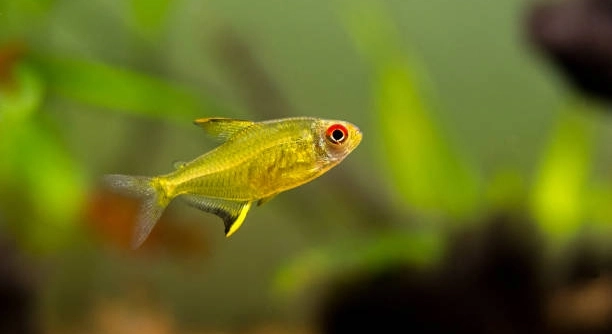
Lemon tetras are small, vibrant fish that brighten any freshwater aquarium. Feeding them correctly helps maintain their health, reduce stress, and support their natural behavior. Simple feeding routines can make a noticeable difference in their well-being.
Providing a low-stress feeding environment for lemon tetras involves regular, small meals, high-quality food, and minimal disturbances. Ensuring stable water conditions and avoiding sudden changes in diet supports their digestive health and reduces anxiety, promoting long-term vitality and growth.
Learning effective feeding strategies improves both the fish’s health and your enjoyment as an aquarist. Proper techniques can create a calm, thriving environment where your lemon tetras can flourish naturally.
Choose Small, Frequent Meals
Lemon tetras have tiny stomachs, so feeding them small portions multiple times a day is ideal. Large meals can lead to leftover food, which may decay and affect water quality. By offering smaller amounts, you ensure that each fish gets enough without overfeeding. Observe how quickly they eat and adjust portion sizes accordingly. Flakes, micro-pellets, and finely crushed frozen food work well for their size. Maintaining a consistent schedule also helps the fish develop a routine, reducing stress during feeding times. Avoid skipping meals for long periods, as this can cause sudden hunger, leading to aggressive feeding behavior. Feeding in small increments allows their digestive systems to process food properly and supports steady growth. Over time, you will notice your tetras becoming more active and vibrant as they receive a balanced, manageable diet.
Smaller, frequent meals reduce waste and keep the tank cleaner. They also prevent stress related to sudden overfeeding.
A consistent feeding schedule paired with appropriate portion sizes strengthens overall health. By observing your lemon tetras during each feeding, you can gauge their appetite and adjust accordingly. This approach prevents water pollution and supports a stable tank environment. Smaller portions also encourage natural foraging behavior, keeping the fish engaged. Overfeeding can cause bloating, lethargy, and digestive problems, so careful measurement is important. By making minor adjustments based on their response, you create a low-stress feeding routine that benefits both the fish and the aquarium’s ecosystem.
Use High-Quality Food
Choosing nutritious food designed for small tropical fish ensures your lemon tetras get essential vitamins and minerals. Low-quality flakes may lack sufficient nutrients and produce excessive waste, harming water quality.
High-quality options like micro-pellets, freeze-dried worms, and brine shrimp provide balanced nutrition. Including a variety of food types helps meet dietary needs and keeps fish interested in feeding. Always check the ingredients for protein content and avoid fillers that add little value. Rotating food occasionally introduces diversity and supports natural feeding instincts, reducing boredom or aggression. Preparing frozen or live foods properly before feeding ensures safety and minimizes stress. A focus on quality over quantity guarantees the fish remain healthy, colorful, and active.
By prioritizing nutritional content and consistency, lemon tetras can thrive. Healthy diets improve immune response, coloration, and long-term vitality, creating a stable and vibrant aquarium environment. Regularly monitoring their behavior and adjusting food types as needed keeps feeding sessions effective and stress-free.
Maintain Stable Water Conditions
Stable water parameters reduce stress and support digestion in lemon tetras. Frequent fluctuations in temperature, pH, or hardness can affect their appetite and overall health.
Keeping the water temperature between 72–78°F and pH around 6.5–7.5 ensures comfort. Regular water changes of 20–30% weekly remove excess nutrients and waste that could promote bacterial growth. Test water parameters consistently to detect changes early. Using a reliable filter and monitoring ammonia, nitrite, and nitrate levels prevents toxic buildup. Proper aeration and gentle water flow also contribute to a calm environment. When conditions remain stable, tetras feed more readily and show healthier, more vibrant behavior, making their care manageable and predictable.
Maintaining consistent water quality directly influences feeding success. Fish eat more consistently and digest efficiently when their environment is secure, supporting long-term health. Regular observation helps spot early signs of stress or illness before they become serious problems. A stable tank promotes natural activity and reduces sudden outbreaks caused by poor conditions, ensuring a peaceful and thriving habitat for your lemon tetras.
Feed at the Same Time Daily
Feeding lemon tetras at consistent times reduces anxiety and establishes a routine. Regular schedules allow fish to anticipate meals and eat efficiently without competing aggressively.
Consistency in feeding time helps regulate their metabolism and digestive cycles. Morning or evening feedings are often best, but choose times that fit your routine and stick with them. Avoid sudden changes in timing, which can startle fish and disrupt eating patterns. If possible, feed at the same times each day, even when busy, to maintain predictability. This practice encourages calm behavior, prevents overfeeding, and reduces leftover food that can decay and affect water quality. Gradually, tetras learn to associate feeding times with minimal stress, promoting overall well-being.
Feeding schedules also aid in monitoring health. By observing eating behavior consistently, you can notice subtle changes indicating illness or stress. Predictable routines reduce competition during meals, letting each tetra eat its portion without anxiety. Over time, maintaining this habit ensures a stable, low-stress feeding environment, benefiting both fish and aquarium upkeep.
Avoid Overfeeding
Overfeeding can cause poor water quality and digestive issues in lemon tetras. Giving only what they can eat in a few minutes helps maintain a healthy tank environment.
Measuring portions carefully and removing uneaten food prevents decay and excess nutrients. This simple step reduces stress and keeps fish active and healthy.
Introduce Live or Frozen Foods
Live or frozen foods like daphnia, brine shrimp, and bloodworms stimulate natural feeding instincts. They are rich in protein, supporting growth and coloration. Regularly alternating between prepared flakes and live options enhances nutrition and keeps tetras engaged without overwhelming their digestive system.
Minimize Disturbances During Feeding
Sudden movements or tapping on the tank can stress lemon tetras. Feeding quietly in a calm environment encourages natural, stress-free eating behavior.
FAQ
How often should I feed my lemon tetras?
Lemon tetras do best with small meals two to three times daily. Their stomachs are tiny, so frequent feeding in controlled portions helps prevent overeating and reduces waste. Observing how quickly they eat allows you to adjust amounts. Stick to a consistent schedule for better digestion and calmer fish.
What types of food are best for lemon tetras?
High-quality flake or micro-pellet food is ideal for daily feeding. Supplementing with live or frozen options like brine shrimp, daphnia, or bloodworms provides protein and variety. Avoid low-quality foods with fillers, as they offer little nutritional value and can degrade water quality. Rotating food occasionally keeps feeding interesting and supports overall health.
Can lemon tetras eat vegetables?
Yes, lemon tetras can nibble on finely chopped or blanched vegetables such as spinach or zucchini. Vegetables should only be a small part of their diet. Overfeeding plant matter can cause water pollution or digestive upset. Use it as a supplement to their regular protein-rich diet for balanced nutrition.
How much food is too much?
Feed only what the fish can consume in two to three minutes. Any leftover food should be removed to prevent decay. Overfeeding can lead to bloating, poor water quality, and increased risk of illness. Start with small portions and increase gradually if all food is consistently eaten.
Should I feed at the same time every day?
Consistency is important. Feeding at the same times each day helps regulate metabolism and creates a predictable routine for the fish. It reduces stress and encourages more efficient feeding. Morning and evening feedings work well, but the exact times can be adjusted to fit your schedule.
Is it necessary to fast lemon tetras occasionally?
Occasional fasting, such as one day per week, can help prevent digestive issues and keep the fish healthy. Fasting mimics natural feeding patterns in the wild and allows the digestive system to clear itself. Do not fast for multiple days, as it may cause stress or malnutrition.
How do I know if my lemon tetras are stressed while feeding?
Signs of stress include hiding, slow movement, refusing food, or aggressive behavior toward tankmates. Sudden water changes, loud noises, or overcrowding can cause stress. Maintain stable water conditions and a calm environment during feeding to encourage natural eating behavior.
Can feeding live foods cause problems?
Live foods are nutritious but can carry parasites or bacteria if not sourced carefully. Always rinse or quarantine live food before feeding. Frozen alternatives are safer and equally nutritious. Regularly rotating live, frozen, and flake foods ensures a balanced diet without introducing unnecessary risks.
How do I prevent uneaten food from polluting the tank?
Feed measured portions and remove leftovers within a few minutes. Use a siphon or net to clean uneaten food and debris. Regular partial water changes and proper filtration maintain water quality, reducing stress and disease risk for your lemon tetras.
What is the best way to transition to a new food?
Introduce new food gradually by mixing it with familiar options over several days. Sudden changes can cause stress or refusal to eat. Observe the fish’s response and adjust amounts to ensure a smooth transition. Consistency and patience make the diet change successful without affecting health.
Can lemon tetras eat flake food exclusively?
Yes, they can survive on high-quality flake food alone, but adding variety with live or frozen foods improves health, coloration, and activity levels. Balanced nutrition prevents deficiencies and keeps your tetras vibrant and energetic in the long term.
How do I handle feeding during a water change?
Avoid feeding immediately before or after a water change. Sudden changes in water conditions can stress fish and disrupt digestion. Feed a small meal an hour before or a few hours after the water change to ensure safe and effective feeding without affecting tank stability.
Can overcrowding affect feeding?
Overcrowded tanks increase competition and stress, making it difficult for all tetras to eat. Each fish may get less food, or dominant individuals may overeat. Maintain proper stocking levels and consider spreading food across different areas of the tank to ensure all fish have access.
Is it okay to feed frozen food straight from the freezer?
Frozen food should be thawed slightly before feeding to prevent temperature shock. Warm it in a small cup of tank water until soft but not hot. Proper preparation ensures the fish can eat easily and reduces stress on their digestive system.
How do I know if my tetras are getting enough nutrients?
Healthy tetras are active, have bright coloration, and show normal growth. Signs of malnutrition include faded color, lethargy, poor appetite, or stunted growth. Providing a mix of high-quality flakes, pellets, and occasional live or frozen foods supports balanced nutrition and overall health.
Can I feed my lemon tetras human food?
Avoid feeding processed human food, as it can harm fish. Certain vegetables or boiled egg yolk in tiny amounts are acceptable, but most human foods contain salts, fats, or additives that are unsafe for tetras. Stick to specialized fish foods for optimal health and safety.
What’s the best way to feed shy or timid tetras?
Feed smaller portions in multiple spots around the tank. Shy tetras may eat better when dominant fish are distracted or when food is offered in quieter areas. Observing behavior and adjusting feeding placement ensures all fish receive adequate nutrition without stress.
How do seasonal changes affect feeding?
Temperature fluctuations can influence metabolism and appetite. Slightly cooler water may reduce activity and feeding frequency, while warmer water increases metabolic needs. Adjust feeding amounts according to activity levels, and monitor fish closely during seasonal changes to maintain health and growth.
Can I use automatic feeders for lemon tetras?
Automatic feeders can be convenient but must be set to small, frequent portions to prevent overfeeding. Check that all food is consumed quickly and monitor tank conditions regularly. These devices are helpful during absences but require careful calibration to maintain a low-stress environment.
How long should feeding sessions last?
Keep feeding sessions brief, around two to three minutes. Fish will eat quickly, and leftover food should be removed promptly. Short, controlled feedings prevent overeating, reduce stress, and maintain water quality, supporting overall health and a thriving aquarium environment.
Final Thoughts
Feeding lemon tetras properly is essential for their health and overall well-being. These small fish require careful attention to portion sizes, feeding frequency, and diet variety. Overfeeding or offering inappropriate foods can lead to water quality problems, digestive issues, and stress. By focusing on small, frequent meals, you can prevent leftover food from polluting the tank and create a calm environment where the fish feel safe and comfortable. Consistency in feeding times and portion sizes allows lemon tetras to establish a routine, reducing anxiety and encouraging natural foraging behavior. Observing their eating habits helps you adjust portions and feeding schedules as needed, ensuring that each fish receives adequate nutrition. Paying attention to the details of feeding habits can have a significant impact on their activity levels, coloration, and long-term health.
Choosing high-quality food is another important factor in maintaining healthy lemon tetras. Flakes, micro-pellets, and occasional live or frozen options like brine shrimp and daphnia provide the nutrients necessary for growth and vitality. A varied diet prevents boredom and ensures that the fish receive proteins, vitamins, and minerals in balanced amounts. While flake food alone can sustain them, supplementing with live or frozen food enhances natural behaviors and improves coloration. Proper preparation of live or frozen foods is also crucial to avoid introducing harmful bacteria or parasites into the tank. By carefully selecting and preparing their food, you create a stable feeding routine that minimizes stress and promotes strong, healthy fish. Over time, the effects of a good diet become clear in their increased energy, vibrant color, and calm behavior during feeding sessions.
Maintaining stable water conditions and minimizing disturbances during feeding are equally important. Lemon tetras thrive in clean, well-filtered water with consistent temperature and pH levels. Sudden changes or tapping on the tank can startle them and reduce their appetite. Creating a calm environment during feeding sessions allows each fish to eat without competition or stress. Combining a stable environment with proper feeding practices ensures long-term health, improves immune response, and supports natural growth patterns. Establishing these routines may take some attention at first, but the benefits are clear. Healthy, well-fed lemon tetras are more active, display brighter colors, and are less prone to illness, making your aquarium easier to maintain and more enjoyable to observe. A thoughtful feeding approach ensures that both the fish and the aquarium environment flourish together.

Hello,
If you enjoy the content that we create, please consider saying a "Thank You!" by leaving a tip.
Every little bit helps us continue crafting quality advice that supports the health, happiness, and well-being of pets around the world, for pets of all shapes, sizes, and species.
We really appreciate the kindness and support that you show us!