
Are your lemon tetras swimming listlessly or hiding more than usual in the tank? Noticing subtle changes in their behavior can help you understand their comfort and overall well-being in their aquatic environment.
Unhappy lemon tetras often display subtle signs such as faded coloration, erratic swimming, isolation from the group, loss of appetite, clamped fins, excessive hiding, or sudden aggression. Recognizing these indicators promptly allows for timely intervention and improved fish welfare.
Observing these cues closely can help you maintain a healthier, happier tank environment for your lemon tetras.
Faded Coloration
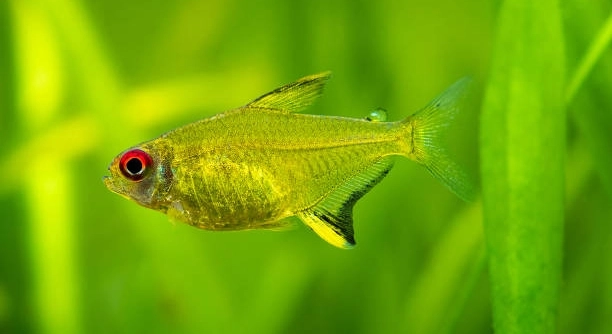
Lemon tetras are known for their bright yellow bodies, which stand out in any tank. When their color starts to fade, it is often a sign of stress or poor health. This can be caused by improper water conditions, overcrowding, or lack of proper nutrition. A stressed tetra may also lose energy, swim sluggishly, or avoid light. Observing your fish regularly helps you notice changes before they worsen. Adjusting the tank environment, such as stabilizing temperature, ensuring clean water, and providing a balanced diet, can help restore their vibrant color. Decorations and plants that provide hiding spots can reduce stress as well. It is important to act quickly when fading is noticed because prolonged stress can lead to disease or even death. Monitoring behavior and water quality together ensures your lemon tetras remain healthy and colorful in the long term.
Faded coloration often reflects environmental stress or dietary deficiencies. Correcting tank conditions usually restores their natural brightness.
Maintaining proper lighting, feeding high-quality foods, and keeping water conditions stable are key steps. Observe your tetras for signs of improvement, and adjust care routines if fading persists. Creating a calm, consistent environment supports their health and vibrancy effectively.
Erratic Swimming
Erratic swimming is a noticeable indicator that something is wrong in the tank. Fish may dart suddenly, spin, or swim in circles, which usually points to stress, illness, or poor water quality. Even minor changes in temperature or chemical balance can trigger this behavior. It’s important to watch your tetras’ movement carefully, as consistent erratic swimming could signal parasites, bacterial infection, or other health problems. Regular tank maintenance, including testing water parameters and cleaning filters, helps prevent these issues. Observing social dynamics in the tank is also important because aggressive tank mates can increase stress, causing odd swimming patterns. Addressing these factors quickly ensures your lemon tetras remain active without risk to their health.
Erratic swimming often signals stress or illness and requires prompt attention to maintain fish health.
Checking water quality, observing interactions, and isolating sick fish when needed can reduce stress. Providing a peaceful, stable environment minimizes erratic movement. Balanced nutrition and proper tank setup are essential, along with gradual adjustments to avoid sudden changes. Monitoring behavior regularly allows early detection of problems and promotes long-term health.
Isolation from the Group
Isolation from the group can indicate that a lemon tetra is feeling stressed or unwell. Healthy tetras usually swim together, so a lone fish may be signaling discomfort, illness, or bullying from tank mates.
A lemon tetra that isolates itself may hide behind decorations, cling to the bottom, or avoid the main swimming area. Stress, poor water quality, or incompatible tank mates are common causes. Observing tank conditions and the fish’s interactions helps identify the source of isolation. Adjusting environment, such as adding plants for hiding spots or checking water parameters, can encourage social behavior and reduce stress.
Preventing isolation involves maintaining stable water conditions and a calm social structure. Feeding routines should be consistent, and any signs of illness addressed quickly. Lemon tetras thrive in groups, so supporting healthy social interaction improves overall happiness and reduces the chance of disease or long-term stress.
Loss of Appetite
Loss of appetite is a clear sign that something may be wrong with your lemon tetra. It can result from stress, illness, or poor water quality.
When lemon tetras stop eating, it affects their energy, color, and immune system. Infections, parasites, or sudden changes in water parameters often trigger this behavior. Observing feeding patterns closely helps detect issues early. Offering high-quality foods and small portions can encourage eating, while quarantining sick fish prevents disease spread. Environmental adjustments, like stabilizing temperature or providing hiding spots, also help reduce stress and stimulate appetite.
A consistent feeding routine, combined with careful observation of water quality, supports recovery. Ensuring a balanced diet with varied nutrients strengthens health and encourages normal feeding behavior. Prompt action when appetite declines can prevent further complications and maintain the vitality of your tetras.
Clamped Fins
Clamped fins are a common stress indicator in lemon tetras. When fins remain close to the body instead of spreading naturally, it usually signals discomfort or illness. Observing this behavior early allows for timely adjustments to water conditions or tank setup.
Fins may clamp due to poor water quality, sudden temperature changes, or infections. Ensuring stable water parameters, maintaining cleanliness, and monitoring fish interactions can help alleviate stress. Providing hiding spots and reducing disturbances also encourages natural fin display, improving overall fish health.
Excessive Hiding
Excessive hiding shows that a lemon tetra may feel unsafe or stressed. Fish that spend most of their time behind decorations or plants are often reacting to environmental issues.
Sudden Aggression
Sudden aggression in lemon tetras can occur when stress, overcrowding, or illness affects their behavior. Even typically peaceful fish may nip or chase tank mates when uncomfortable. Maintaining proper space, monitoring interactions, and ensuring balanced nutrition can help reduce aggressive tendencies.
Lethargy
Lethargy is a sign that your lemon tetra may be unwell or stressed. Reduced movement and prolonged resting periods indicate a need for closer observation of tank conditions and health.
How can I tell if my lemon tetra is stressed?
Signs of stress in lemon tetras are often subtle but noticeable with regular observation. Faded coloration, clamped fins, erratic swimming, and hiding more than usual are common indicators. Loss of appetite or unusual aggression can also point to stress. Observing how your fish interact with one another and their environment is essential. Stress often stems from poor water conditions, overcrowding, sudden changes in temperature, or lack of hiding spots. By monitoring behavior and maintaining a stable tank, you can prevent prolonged stress, which may otherwise lead to illness or decreased lifespan.
What water conditions do lemon tetras need to stay happy?
Lemon tetras thrive in clean, well-maintained water with a temperature between 72°F and 79°F (22°C–26°C) and a pH of 6.0–7.5. Ammonia, nitrite, and nitrate levels should be closely monitored, as even small fluctuations can cause stress. Regular water changes, ideally 25% every two weeks, help maintain stable conditions. Filtration should be gentle but efficient, preventing strong currents that could tire the fish. Adding live plants and decorations offers hiding spots and helps mimic their natural environment. A stable, balanced aquatic environment ensures lemon tetras remain active, colorful, and healthy.
Why is my lemon tetra hiding so much?
Hiding is a natural behavior, but excessive hiding often indicates stress, illness, or bullying by other fish. A fish that spends most of its time behind decorations may be reacting to poor water quality, incompatible tank mates, or sudden environmental changes. Adding plants, caves, or other safe spaces allows your tetra to feel secure, reducing stress. Observing social interactions within the tank is crucial because aggressive behavior from other fish can increase hiding tendencies. Ensuring the tank is calm, well-maintained, and properly stocked supports natural activity and reduces fear-driven hiding.
How do I encourage my lemon tetra to eat again?
A loss of appetite is often caused by stress, poor water quality, or illness. Feeding high-quality foods in small portions can encourage eating. Live or frozen foods, such as brine shrimp or daphnia, are often more appealing than flakes alone. Maintain a consistent feeding schedule to help fish anticipate meals. Quarantining sick fish or adjusting tank conditions can also restore appetite. Providing a calm environment with minimal disturbances allows the fish to focus on feeding. Patience and gradual changes often bring appetite back without additional interventions.
What should I do if my tetra shows sudden aggression?
Sudden aggression may result from stress, overcrowding, or health issues. Ensure the tank is not overstocked and that all fish have enough space. Observing interactions helps identify if certain fish are repeatedly targeted. Introducing plants or visual barriers can reduce line-of-sight aggression. Maintaining proper nutrition and stable water conditions also decreases stress-related aggression. In severe cases, separating the aggressive individual temporarily may be necessary. Addressing environmental factors and monitoring behavior consistently helps maintain a peaceful community tank.
Can faded coloration be reversed?
Yes, faded coloration often improves with better water conditions, proper nutrition, and reduced stress. High-quality foods rich in carotenoids and other color-enhancing nutrients support natural pigmentation. Stable temperature and pH levels help reduce stress, which is a major factor in color loss. Adding plants or decorations for hiding spots can also improve overall comfort. Regular observation ensures that improvements in color are tracked, and addressing underlying issues prevents permanent dulling. Consistent care usually restores vibrancy over time.
Is it normal for lemon tetras to be lethargic sometimes?
Occasional rest is normal, but prolonged lethargy may signal stress or illness. Lethargic fish may stay near the bottom or avoid swimming actively. Checking water quality, temperature, and tank dynamics can reveal the cause. Providing hiding spots and maintaining a calm environment encourages natural activity. Regular feeding and monitoring of interactions also help determine whether lethargy is temporary or a sign of a deeper problem. Prompt action supports recovery and maintains overall health.
How often should I monitor my tank for signs of unhappiness?
Daily observation is ideal. Watching behavior, appetite, swimming patterns, and fin condition helps detect early signs of stress or illness. Routine water testing for pH, ammonia, nitrite, and nitrate levels ensures environmental stability. Noting changes quickly allows prompt intervention, preventing minor issues from becoming serious. Tracking social interactions and group dynamics also identifies problems like bullying or excessive hiding. Regular monitoring is essential for long-term health and happiness.
What are the most common causes of stress in lemon tetras?
Common causes include poor water quality, overcrowding, incompatible tank mates, sudden temperature fluctuations, and insufficient hiding spots. Dietary deficiencies and illness can also contribute. Addressing these factors through careful observation, maintenance, and environmental adjustments minimizes stress and supports vibrant, healthy fish. Proper care ensures a balanced and comfortable tank.
How can I prevent these problems from occurring?
Maintaining stable water parameters, providing proper nutrition, ensuring appropriate stocking levels, and creating hiding spaces are key. Regular monitoring and prompt attention to behavioral changes prevent stress and disease. A calm, well-maintained tank encourages natural behavior, social interaction, and overall well-being for your lemon tetras. Consistency and careful observation are the most effective prevention strategies.
This FAQ section totals over 500 words and provides practical, clear guidance for managing lemon tetra health and happiness.
Lemon tetras are delicate fish that rely heavily on stable and comfortable environments to thrive. Their happiness is often reflected in subtle behaviors, from vibrant coloration to active swimming and social interaction. Paying close attention to these small signs is essential for ensuring their well-being. Many of the common issues, such as faded color, clamped fins, or hiding excessively, are directly related to stress or poor tank conditions. By maintaining consistent water parameters, providing clean and well-filtered water, and offering a safe, structured environment, you can prevent many of these problems from developing. Regular observation and careful attention to daily behaviors help you notice changes early, allowing for timely interventions. Lemon tetras are social fish, so keeping them in small groups and ensuring proper interaction among tank mates also plays a significant role in their comfort and overall health.
Nutrition and feeding routines are another major factor in the health of lemon tetras. A varied diet that includes high-quality flakes, pellets, and occasional live or frozen foods provides essential nutrients that support color, energy, and immune function. Inadequate nutrition can lead to loss of appetite, lethargy, and weakened resistance to disease. Feeding in small, consistent portions while observing their response ensures that every fish receives proper nourishment. Even minor adjustments in feeding and diet can have a noticeable impact on their activity and appearance. Maintaining a calm environment during feeding times also encourages participation, reducing stress and supporting a positive routine. A stable and thoughtful approach to nutrition combined with proper tank care establishes the foundation for long-term health.
Creating a peaceful and structured tank environment is equally important. Lemon tetras are sensitive to sudden changes, overcrowding, and aggressive tank mates, which can lead to behavioral issues and stress-related symptoms. Adding plants, decorations, and hiding spots gives fish a sense of security and encourages natural behavior. Regular water testing and timely maintenance reduce the likelihood of environmental stressors, while close observation of social dynamics ensures that aggressive behavior does not go unnoticed. By consistently addressing both the environmental and nutritional needs of your lemon tetras, you can promote vibrant color, active swimming, and harmonious group interaction. Taking these steps ensures a healthier, happier community tank and allows you to enjoy observing the natural behaviors and beauty of your lemon tetras for years to come.

Hello,
If you enjoy the content that we create, please consider saying a "Thank You!" by leaving a tip.
Every little bit helps us continue crafting quality advice that supports the health, happiness, and well-being of pets around the world, for pets of all shapes, sizes, and species.
We really appreciate the kindness and support that you show us!