
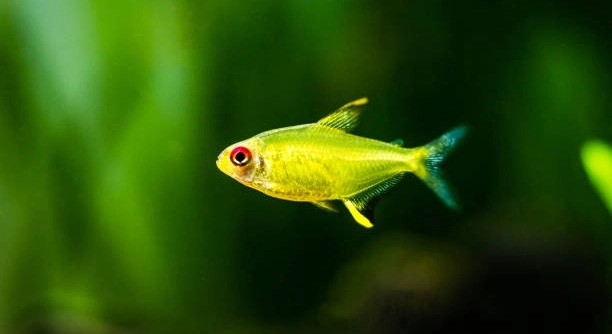
Do you ever find yourself observing your lemon tetras swimming gracefully across the tank, wondering how water movement affects their behavior? These small, bright fish bring life to any aquarium and thrive under the right conditions for comfort and activity.
Lemon tetras generally prefer gently moving water rather than completely still water. Moderate flow simulates their natural riverine environment, promoting healthy swimming patterns, reducing stress, and supporting proper oxygenation, all of which contribute to their overall wellbeing and vitality.
Understanding water flow preferences will help you create a more suitable environment for your lemon tetras, ensuring they remain active, healthy, and comfortable in their aquatic home.
Understanding Lemon Tetras’ Natural Habitat
Lemon tetras are native to slow-moving rivers and streams in South America. In these environments, water is rarely stagnant but flows gently around rocks, plants, and submerged branches. Observing this, it becomes clear why lemon tetras thrive in tanks with some movement. Gentle currents help them navigate, explore, and interact with each other, keeping their energy levels balanced. Completely still water can make them less active, sometimes leading to stress or minor health issues. Their small size and bright coloring make them more noticeable when they swim in schools, and movement in the water allows their colors to reflect naturally. Replicating aspects of their natural habitat, like moderate current and hiding spots among plants, ensures lemon tetras feel secure. It also encourages natural behaviors such as schooling and foraging. Choosing the right filter and positioning it properly can make a significant difference, providing steady water flow without overwhelming the fish.
Moderate water flow also helps maintain water quality. It distributes nutrients and prevents debris from settling.
Keeping the water gently moving supports healthier fish, reduces algae buildup, and allows lemon tetras to display their natural, lively behavior. It creates a balanced tank where they can thrive safely and actively.
Setting Up the Right Water Flow
Using a gentle filter or sponge pump is ideal for lemon tetras.
Too strong a current can stress them, while gentle movement promotes comfort.
Positioning the filter outlet to create subtle circulation ensures water reaches all corners of the tank without causing turbulence. Plants and decorations can further slow the flow and create calm areas for resting. Observing how your tetras respond allows you to adjust flow as needed. Over time, you may notice them spending more time in open areas when the current is gentle, compared to hiding excessively in strong flows. By balancing movement with still spaces, you create a dynamic environment that encourages schooling, exploration, and natural swimming behavior. This careful adjustment not only improves their physical health but also reduces stress, making them less prone to disease. Water circulation also helps maintain consistent temperature and oxygen levels, which are essential for their wellbeing. Watching them adapt to this setup provides insight into their preferences and ensures a more lively, harmonious aquarium.
Choosing the Right Tank Size
A larger tank makes it easier to maintain gentle water flow and gives lemon tetras room to swim freely.
A 20-gallon tank or larger works well, as it provides ample space for schooling and avoids overcrowding. Overcrowding can lead to stress and aggressive behavior, while a spacious tank allows them to distribute evenly and reduces competition for resources. Providing sufficient space also helps maintain water quality, as waste is less concentrated. Plants, rocks, and other decorations should be arranged to create open swimming areas and slow-flow zones, giving fish choice and comfort. Schools of lemon tetras move together more naturally in a roomy environment, and observing them in these conditions is both calming and rewarding. The combination of proper tank size, moderate water flow, and thoughtfully placed decor ensures a healthy and stimulating habitat.
Proper tank size prevents stress-related behaviors and helps maintain a peaceful, active community among your lemon tetras.
Spacing plants and decorations strategically allows smooth circulation while giving the fish calm spots to rest.
Monitoring Fish Behavior
Paying attention to swimming patterns reveals how well lemon tetras adjust to their environment.
Signs of stress include clamped fins, erratic swimming, or hiding excessively. Healthy fish swim in coordinated schools, exploring open areas with curiosity. Adjusting water flow or rearranging plants can quickly improve behavior, making them more active. Observation helps identify any issues before they affect overall health. Water parameters like temperature, pH, and oxygen levels also play a role in comfort. Regular checks and small adjustments ensure a stable environment.
Recording observations over time helps track changes in behavior and highlights preferences for current strength or resting spots. Maintaining consistent conditions fosters confidence in your fish, encouraging natural schooling and feeding behavior. Keeping a journal of patterns can also help spot early signs of disease or stress, allowing intervention before problems escalate. This proactive approach creates a healthier, more engaging environment for lemon tetras, making tank maintenance more predictable and rewarding.
Adjusting Flow with Plants
Adding live or artificial plants helps slow down water currents in the tank.
Plants provide shelter and resting areas, letting lemon tetras choose calmer spots when needed.
Using Gentle Filters
Sponge filters or low-flow power filters work best for lemon tetras. They create steady, manageable currents without overwhelming the fish, allowing them to swim naturally. Proper placement of the filter helps maintain consistent water movement while avoiding areas of turbulence that could stress the fish.
Observing Schooling Behavior
Lemon tetras naturally swim in groups, and their schooling patterns indicate comfort with water flow. Observing how they cluster or spread out can guide adjustments to tank currents for a balanced environment.
FAQ
Do lemon tetras need strong water currents?
Lemon tetras do not require strong currents. They are used to gently flowing rivers and streams in their natural habitat. Strong currents can tire them out and cause stress. Providing a moderate, steady flow is enough to simulate natural conditions, keep them active, and ensure proper oxygenation.
Can lemon tetras live in still water?
They can survive in still water, but it is not ideal. Still water can lead to lower oxygen levels and may make them less active. A small amount of movement helps maintain water quality, promotes natural swimming behavior, and reduces stress. Adding gentle circulation keeps the tank healthier and the fish more energetic.
How can I create gentle water flow in the tank?
Using sponge filters, low-flow power filters, or air-driven filters works best. Position the filter so it circulates water without creating strong turbulence. Decorations and plants can further diffuse the current, giving fish areas to rest. Observing the tetras’ response helps fine-tune the flow for their comfort.
What signs show lemon tetras are stressed by water movement?
Stress signs include clamped fins, erratic swimming, hiding excessively, or staying near the tank bottom. Overly strong currents may cause them to struggle or avoid open areas. Adjusting flow gradually and providing calm zones helps reduce stress and encourages natural schooling behavior.
How does water flow affect schooling behavior?
Moderate flow encourages coordinated schooling, as fish can swim together naturally without being pushed off course. Too little movement can make the group sluggish, while strong currents may scatter them and increase tension. A balanced flow ensures healthy interaction and keeps their patterns consistent.
Do decorations impact water movement?
Yes, plants, rocks, and driftwood slow down water and create sheltered areas. These calm spots allow tetras to rest and hide when needed. Thoughtful placement of decorations helps balance flow and provides a dynamic environment where the fish can choose between open swimming areas and quieter retreats.
How often should I check water flow?
Monitoring flow regularly ensures it remains suitable as plants grow or the tank setup changes. Weekly observation is usually enough, but adjustments may be needed if fish behavior changes. Recording observations can help maintain a consistent environment and prevent stress-related issues.
Can lemon tetras tolerate fluctuating currents?
They prefer consistency. Frequent changes in water movement can stress them and disrupt schooling behavior. Maintaining a steady moderate flow, with occasional minor adjustments when needed, provides a stable and comfortable habitat, supporting health and natural activity levels.
Does water flow affect feeding?
Yes, gentle movement helps distribute food and allows tetras to feed naturally while swimming. Strong currents may push food away, while still water can make feeding less efficient. Observing how they respond during feeding times helps optimize both flow and feeding routines.
Are there any additional tips for maintaining the right flow?
Monitor fish behavior and make small adjustments over time. Use plants and decorations to control turbulence, choose filters that produce gentle currents, and ensure the tank size allows space for swimming. Consistent conditions and careful observation create a thriving environment for lemon tetras.
This FAQ provides practical guidance on managing water flow to ensure lemon tetras remain healthy, active, and comfortable in their aquarium.
Lemon tetras are small, colorful fish that respond strongly to their environment. Their natural habitat consists of slow-moving rivers and streams, which means they are most comfortable in tanks with gentle water movement. Providing moderate flow helps them swim naturally, interact with each other, and stay healthy. Completely still water can make them less active and sometimes stressed, while strong currents can overwhelm them. By observing their behavior, it becomes easier to understand how much water movement is ideal and to adjust the setup accordingly. A balanced environment allows them to display natural schooling behavior, explore the tank safely, and enjoy a consistent routine that supports both their physical and mental wellbeing.
Creating the right conditions for lemon tetras is not only about water flow but also about combining it with proper tank size, decorations, and filtration. A larger tank allows them space to swim freely and reduces overcrowding, which can lead to stress and aggressive behavior. Plants, rocks, and other decorations help slow water currents and provide resting spots where fish can take breaks from swimming. Sponge filters or low-flow power filters are ideal tools to maintain steady circulation without creating turbulence. Together, these elements create a tank that closely replicates their natural environment and supports healthier, more active fish. Paying attention to water parameters such as temperature, oxygen levels, and pH also complements proper flow, ensuring that the overall habitat remains stable and comfortable for lemon tetras.
Monitoring the tetras over time is important to ensure they remain happy and healthy. Watching their swimming patterns, schooling behavior, and reactions to the flow gives insight into whether the tank conditions are suitable. Adjustments can be made gradually if signs of stress or discomfort appear, such as clamped fins, excessive hiding, or erratic swimming. By combining gentle water movement, appropriate tank size, thoughtful decoration, and attentive observation, you can create an aquarium that encourages natural behavior and reduces stress. Providing these conditions will help lemon tetras thrive, allowing their bright colors and lively movements to enhance the tank while ensuring their long-term health and wellbeing.

Hello,
If you enjoy the content that we create, please consider saying a "Thank You!" by leaving a tip.
Every little bit helps us continue crafting quality advice that supports the health, happiness, and well-being of pets around the world, for pets of all shapes, sizes, and species.
We really appreciate the kindness and support that you show us!