
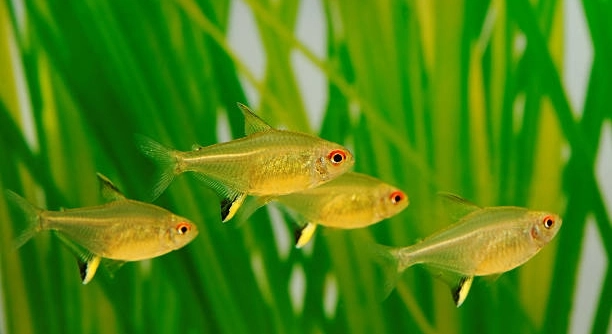
Buying Lemon Tetra online can feel overwhelming, especially when you are unsure about quality, shipping practices, and care needs that ensure your fish arrive healthy and ready for their new home in the best condition.
The most common mistakes when buying Lemon Tetra online include choosing unreliable vendors, ignoring water parameter requirements, overlooking shipping guarantees, purchasing stressed fish, and failing to verify health certifications, increase the risk of receiving unhealthy specimens and reduced survival rates.
Understanding these mistakes supports safer online choices and strengthens your confidence as you select healthy Lemon Tetra for your aquarium.
Mistake 1: Choosing Unreliable Sellers
Choosing unreliable sellers is one of the most damaging mistakes when purchasing Lemon Tetra online, and it often leads to unhealthy fish, poor communication, and unnecessary stress. I have learned that taking a few extra minutes to check a seller’s background can make a difference in the quality of the fish you receive. Reliable sellers provide clear photos, accurate descriptions, and transparent policies that help you feel comfortable with your order. When sellers hide important details or rush you through the buying process, it becomes harder to trust what will arrive at your door. Reading recent reviews, confirming their experience with Lemon Tetra, and checking how they handle shipping delays can save you from unpleasant surprises. A dependable seller takes pride in delivering healthy fish and is willing to address concerns before you commit to a purchase. This careful approach helps you feel more confident and supported throughout your selection.
Focusing on seller reliability protects your Lemon Tetra purchase by reducing health risks and improving overall satisfaction. Taking time to verify photos, policies, and customer feedback helps you avoid fish that arrive stressed or weak, giving you a better start with your new additions in a reliable and confident way.
Understanding how to identify a trustworthy seller makes the buying process smoother and helps you feel more secure when placing an order. Clear communication, reliable packaging, and honest listings reflect a seller’s commitment to quality. When you see consistent reviews that highlight healthy fish arrivals, responsive support, and careful handling, you can move forward with greater certainty. This awareness protects you from rushed purchases and encourages you to choose sellers who value transparency. Building this simple habit strengthens your overall experience and reduces the chance of receiving fish that fail to adapt or thrive in your aquarium at home safely.
Mistake 2: Ignoring Water Parameters
Ignoring water parameters is another common issue that leads to stressed Lemon Tetra and poor adaptation after arrival. Maintaining proper temperature, pH, and hardness ensures your fish can settle comfortably and stay healthy. Overlooking these basics often results in unnecessary losses and weak overall acclimation during their first critical hours.
Ignoring water parameters can quietly undermine your efforts to keep Lemon Tetra healthy, especially when ordering online. These fish rely on stable conditions that match their natural environment, and even small changes can cause noticeable stress. Before placing an order, it helps to understand the specific needs of the species so you can prepare the aquarium ahead of time. Temperature that stays between the recommended range, a balanced pH, and suitable hardness levels create a space where the fish can adjust without strain. When these values drift too far, the fish may struggle to breathe, lose coloration, or become more vulnerable to illness. Preparing the tank properly supports a smooth transition from shipping to acclimation. Taking a moment to measure your water before the fish arrive gives you a stronger sense of control and reduces risk. Once the Lemon Tetra enter a stable environment, they settle faster and respond better to feeding and schooling behaviors. This careful attention keeps them comfortable and helps them show their natural energy soon after arrival. Maintaining these conditions over time encourages steady growth, consistent activity, and reliable coloration that reflects their overall wellbeing, giving you a rewarding experience as they adapt to your aquarium.
Mistake 3: Overlooking Shipping Conditions
Overlooking shipping conditions can cause Lemon Tetra to arrive weak or stressed, especially when handling times are long or packaging is poorly prepared. Paying attention to how sellers manage insulation, water volume, and transit duration helps protect the fish during their most vulnerable period.
Some sellers cut corners with packaging, which affects how well Lemon Tetra handle the trip. Proper insulation keeps temperatures stable, while secure bags prevent leaks and sudden changes that can harm the fish. Oxygen levels also matter because these fish rely on steady support during long transportation hours. Checking whether a seller uses heat packs or cool packs depending on the season helps you avoid extreme temperature shifts that may weaken the fish before arrival. When a seller takes these factors seriously, the fish experience less pressure and adapt better once introduced to your aquarium. Careful observation of shipping practices allows you to choose sellers who value safe transport.
Choosing sellers who pay attention to shipping conditions reduces the chance of receiving fish that struggle immediately after unpacking. When Lemon Tetra arrive in stable water with consistent temperature and proper oxygen levels, they recover faster and settle comfortably. Making sure the seller is experienced with live fish shipments gives you added peace of mind. It also helps prevent issues caused by delays or rough handling. With the right preparation, your fish face fewer complications, allowing them to show healthy behavior and normal activity sooner. This thoughtful step strengthens your overall buying experience and protects the fish during the most disruptive part of the process.
Mistake 4: Buying Without Health Guarantees
Skipping health guarantees exposes you to unnecessary risks when purchasing Lemon Tetra online. Sellers who offer clear coverage show confidence in their fish and demonstrate responsibility if complications arise during shipping or acclimation. This safety net helps you feel more supported during the buying process.
A solid health guarantee provides reassurance that the fish you receive are likely raised in stable conditions and monitored for signs of illness. It also reflects the seller’s commitment to healthy stock, proper care, and responsible shipping. When a seller is transparent about their replacement or refund policy, you know they are willing to stand by their fish. Reviewing the details helps you avoid vague coverage that leaves you without support if the fish arrive in poor condition. Choosing a seller with a reliable guarantee protects your investment and reduces stress during delivery. It also shows that the seller values high standards and consistent quality in their Lemon Tetra.
Mistake 5: Ignoring Acclimation Needs
Ignoring acclimation steps can cause Lemon Tetra to react poorly when moved into a new tank. Sudden changes in temperature or water chemistry create stress that weakens their ability to settle and adapt after shipping.
Careful acclimation supports smoother adjustment and reduces the risk of shock. Giving the fish enough time to match temperature and water parameters helps them ease into the environment. This simple habit makes their transition more comfortable and stable.
Mistake 6: Purchasing Stress-Prone Stock
Purchasing stress-prone stock leads to unhealthy behavior, poor coloration, and weak recovery after arrival. Some sellers may offer fish that already show signs of strain due to overcrowded holding tanks or inconsistent care. Observing photos, reviewing customer feedback, and checking the seller’s handling habits help you avoid these issues. Healthy Lemon Tetra display clear eyes, full fins, and steady activity, which indicates they were maintained in better conditions. Selecting fish that come from stable environments supports better adaptation and lowers the chance of disease.
Mistake 7: Skipping Research on Tank Compatibility
Skipping compatibility research can lead to conflicts in your tank. Lemon Tetra need peaceful neighbors, stable conditions, and enough space to swim comfortably without constant pressure or competition.
How can I tell if a Lemon Tetra is healthy before buying online?
A healthy Lemon Tetra has clear eyes, vibrant coloration, and intact fins. Look for active movement in photos or videos provided by the seller. Avoid fish that appear lethargic, have clamped fins, or show any signs of spots, lesions, or discoloration. Sellers who provide multiple images or short videos give a better sense of the fish’s condition. Reading reviews from other buyers can also help identify patterns in fish health. Healthy fish usually come from well-maintained tanks with stable water parameters, minimal stress, and proper feeding.
What is the best way to acclimate Lemon Tetra after shipping?
Acclimation should be slow and careful to avoid shocking the fish. Float the sealed bag in the tank for at least 15-20 minutes to match temperatures. Gradually mix small amounts of tank water into the bag over 30-60 minutes to adjust water chemistry. Avoid pouring the fish directly into the tank; instead, gently net them or allow them to swim out on their own. Slow acclimation reduces stress, encourages better feeding, and lowers the risk of illness. Proper acclimation is especially important for fish shipped over long distances.
How many Lemon Tetra should I buy at once?
Lemon Tetra are schooling fish and should be kept in groups of at least six. Smaller groups can lead to stress, aggression, and reduced activity. Buying a group ensures they display natural schooling behavior and remain active and colorful. If space allows, larger groups of 10-12 provide more security and comfort for the fish. Schools also reduce the impact of any individual fish being shy or stressed. Planning the right group size before purchasing helps avoid overstocking while supporting the social needs of the fish.
What water parameters do Lemon Tetra need?
Lemon Tetra thrive in temperatures between 72-78°F (22-26°C), a pH range of 5.5-7.0, and soft to moderately hard water (2-10 dGH). Stability is more important than hitting exact numbers. Sudden changes in temperature, pH, or hardness can stress the fish and increase susceptibility to disease. Frequent water testing before and after introducing new fish ensures conditions remain safe. Using a heater with a reliable thermostat, a water conditioner, and regular partial water changes helps maintain the ideal environment.
Can Lemon Tetra live with other fish?
Yes, Lemon Tetra are peaceful and compatible with other small, non-aggressive fish. Suitable tank mates include Corydoras, small rasboras, guppies, and other community species. Avoid larger or aggressive fish that may nip fins or outcompete them for food. Ensuring enough space and hiding spots helps reduce stress and supports healthy schooling behavior. Introducing the group at the same time can prevent territorial disputes and allow them to settle together comfortably.
How often should I feed Lemon Tetra?
Lemon Tetra should be fed small amounts 1-2 times a day. Use high-quality flake, micro-pellet, or frozen foods designed for small tropical fish. Remove uneaten food after a few minutes to prevent water contamination. Feeding a varied diet supports coloration, energy, and overall health. Avoid overfeeding, as this can pollute the water and create digestive issues. Observing how quickly the fish eat helps you adjust the portion size.
What should I do if a fish appears sick after arrival?
Isolate sick fish in a quarantine tank to prevent spreading illness. Monitor water parameters and ensure the tank is clean and stable. Treatments depend on the specific symptoms, so identifying signs such as fin rot, clamped fins, or lethargy is crucial. Some cases respond to over-the-counter medications, while others may need professional guidance. Keeping accurate records of feeding, water changes, and temperature helps diagnose issues faster. Early attention improves recovery chances and protects the rest of your tank.
Is it safe to buy Lemon Tetra from international sellers?
Buying internationally can be safe if the seller provides proper shipping guarantees, health certificates, and insulated packaging. Longer shipping times increase stress risk, so ensure the fish will be shipped quickly and with temperature control. Health guarantees and responsive communication are critical. Check for import regulations in your country to avoid legal issues. Preparing your tank in advance ensures the fish have a safe environment on arrival. International purchases can work well if these precautions are followed carefully.
How can I reduce stress during transportation?
Stress can be minimized by choosing sellers who use sturdy bags, adequate water volume, and temperature control. Avoid shaking the package, keep it in a stable environment, and introduce the fish to the tank gradually. Prepping the tank and having a quiet area ready for the new arrivals helps them recover faster. Some sellers provide oxygenation or insulated boxes, which also reduce stress during transit. Handling the fish calmly during unpacking supports their wellbeing.
How do I maintain long-term health for Lemon Tetra?
Regular water changes, stable parameters, a balanced diet, and sufficient schooling companions are key. Monitor behavior, color, and appetite to detect early signs of illness. Maintaining a consistent routine reduces stress and promotes active, healthy fish. Avoid overcrowding and aggressive tank mates. Observing seasonal changes in temperature and adjusting as needed supports overall longevity. Keeping a clean, stable, and enriched environment ensures Lemon Tetra remain vibrant and active for years.
Buying Lemon Tetra online can be an enjoyable experience if approached carefully. Paying attention to details such as seller reliability, shipping practices, and fish health helps reduce stress and increases the chances of receiving healthy, active fish. I have found that researching the seller, reading customer reviews, and reviewing photos or videos of the fish beforehand provides confidence in the purchase. Understanding the common mistakes, like ignoring water parameters or skipping acclimation steps, allows you to prepare properly and give your Lemon Tetra the best start in their new tank. Even small steps, like checking the seller’s packaging methods or ensuring a health guarantee, can make a significant difference in the outcome.
Maintaining the right conditions for your Lemon Tetra after arrival is equally important. Stable water parameters, a properly set up tank, and gradual acclimation reduce stress and support healthy adaptation. These fish thrive in groups, so keeping at least six together helps them display natural behavior and reduces nervousness. Feeding them a balanced diet with high-quality flake or frozen foods strengthens coloration and supports overall health. Observing their behavior daily ensures any issues are caught early. Preparing a safe and suitable environment before the fish arrive makes the transition smoother and helps prevent common problems like illness or lethargy. Paying attention to tank compatibility, water quality, and proper acclimation leads to active, confident fish that settle quickly into your aquarium.
Ultimately, successful online purchases come down to careful planning, observation, and attention to detail. Lemon Tetra are delicate and require a bit of extra effort, but the payoff is rewarding when they display their bright colors, schooling behavior, and energy. By avoiding common mistakes, you create a foundation for a healthy, stable tank and a positive experience with online fish buying. Taking the time to learn about proper shipping, acclimation, and ongoing care ensures the fish remain strong and vibrant. With patience and preparation, buying Lemon Tetra online becomes a reliable way to enjoy these beautiful, active fish in a safe and stress-free manner.

Hello,
If you enjoy the content that we create, please consider saying a "Thank You!" by leaving a tip.
Every little bit helps us continue crafting quality advice that supports the health, happiness, and well-being of pets around the world, for pets of all shapes, sizes, and species.
We really appreciate the kindness and support that you show us!