
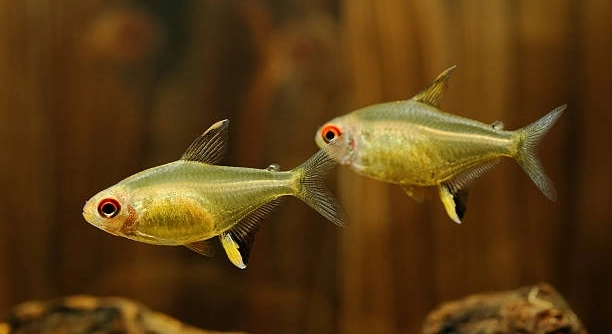
Have you ever noticed your lemon tetras huddled together in one corner of the tank, leaving the rest of the space almost empty? Observing their behavior can be both puzzling and oddly comforting for fish owners.
Lemon tetras group in one corner primarily due to stress, water conditions, or social hierarchy. Limited space, strong currents, or sudden changes in environment can prompt them to seek safety in numbers, creating the clustered behavior commonly observed in aquariums.
Understanding why they behave this way can improve tank management and ensure your lemon tetras feel secure and thrive in their home environment.
Understanding Their Social Behavior
Lemon tetras are naturally schooling fish, which means they feel safest when close to others of their kind. In a tank, this instinct drives them to stick together, especially when they sense something unusual in their environment. Even small changes, like a new decoration, a sudden shadow, or bright lighting, can make them cluster. Their bright yellow color stands out more when they are grouped, and being together helps them communicate and coordinate movements. Observing them, I noticed they often choose corners where they feel less exposed, giving them a sense of shelter. Over time, this behavior becomes predictable, and the same corner may always serve as their preferred gathering spot. Understanding this instinct is important for anyone keeping lemon tetras because it influences how they react to feeding, interaction, and tank setup. A tank designed to accommodate their schooling behavior helps reduce stress and promotes healthier, calmer fish.
When grouped, lemon tetras are displaying natural instincts. They feel safer and more secure in numbers.
Keeping them in groups also helps reduce aggression among tank mates. Stress can decrease if the tank allows space for both hiding and swimming freely. Proper schooling reduces conflicts and promotes social interaction, allowing each fish to thrive in a stable environment.
Tank Conditions That Influence Clustering
Tank conditions play a major role in where lemon tetras spend their time. Temperature, water quality, and light levels all affect their comfort. If water parameters fluctuate, or if the tank is too small or crowded, they will often gather in one corner where they feel protected. The same is true if the current is strong. In my own tank, I noticed that after cleaning, they temporarily huddled in the same spot until the water settled back to a calm state. Hiding spaces, like plants or decorations, can also attract them, as these spots feel safe. By paying attention to these details, you can predict and gently adjust their behavior, ensuring the tank feels comfortable. Regular monitoring of pH, temperature, and ammonia levels is crucial. Minor adjustments can prevent prolonged stress, which can affect health. Additionally, arranging decorations thoughtfully gives them multiple options to explore without forcing them into a single corner. A calm, balanced environment allows lemon tetras to swim freely while still respecting their schooling instincts.
Proper water conditions help them stay calm and balanced.
Maintaining stable water parameters and tank layout ensures lemon tetras spend more time exploring and less time clustered. By controlling light, temperature, and current, their natural behavior appears without stress. Adding plants or gentle hiding spots encourages movement and reduces the need to huddle, promoting a healthier, more active school.
Stress Factors in Lemon Tetras
Stress in lemon tetras often comes from sudden changes, overcrowding, or aggressive tank mates. Even minor disturbances can make them retreat to a corner. They are sensitive to noise, vibrations, and rapid movements around the tank, which increases their need to stay together.
When stress occurs, lemon tetras show clear signs. They may hide more, swim erratically, or cluster tightly in one corner. Stress weakens their immune system, making them more prone to illness. In my experience, introducing new fish slowly and keeping a calm environment reduces this behavior. Observing how they react to changes helps me adjust tank conditions before problems escalate. Temperature shifts, poor water quality, or too much light can all trigger these defensive habits, but with careful monitoring, the fish gradually regain confidence.
Preventing stress is about creating a stable environment. Gradual adjustments, calm surroundings, and plenty of space help them feel secure. I noticed when I minimized sudden changes, their schooling behavior became natural and less tense. Adding plants and hiding spots allows them to choose their preferred area without forcing them into one corner, which reduces overall stress and promotes healthier interaction within the group.
Influence of Tank Size and Layout
Tank size directly affects lemon tetras’ behavior. Smaller or overcrowded tanks leave less swimming space, pushing them to corners. A thoughtful layout with open areas and hiding spots balances their need for movement and security.
In my experience, a tank that is at least 20 gallons with plenty of vertical and horizontal space allows lemon tetras to spread out while still feeling safe. Decorations, rocks, and live plants provide natural barriers that break lines of sight, making the corners feel less confining. They still school together, but now it’s a choice rather than a necessity. A well-planned layout reduces constant clustering and encourages exploration, improving their activity levels and overall health.
Strategic placement of plants and structures also guides their movement. They tend to swim along paths that feel protected while having room to interact with the group. Providing multiple corners or sheltered areas allows them to rotate between spots, decreasing stress. In my tank, they started using different corners depending on lighting or feeding, showing that layout changes can directly influence their clustering behavior without adding artificial barriers or forcing them into confined spaces.
Water Quality and Its Impact
Poor water quality can make lemon tetras gather in one corner. High ammonia, nitrite, or nitrate levels stress them. Clean, stable water encourages normal schooling and activity.
Temperature fluctuations or low oxygen levels also push them to stay together. Maintaining proper filtration and regular water changes keeps the tank safe and comfortable for them.
Feeding Patterns
Lemon tetras often group near one corner during feeding times. They instinctively wait together for food, which helps reduce competition and ensures all fish get their share. Observing them, I noticed that clustering decreases once feeding is complete, showing this behavior is partly driven by mealtime routines.
Light and Hiding Spots
Bright lighting can make lemon tetras seek corners or shaded areas. Providing plants or decorations gives them options to feel safe while still moving around.
Health and Disease
Sick or weak lemon tetras often retreat to a corner. Early detection of unusual clustering helps identify potential health issues before they worsen, allowing timely care and treatment.
FAQ
Why do lemon tetras stay in one corner even when the tank looks fine?
Even in a well-maintained tank, lemon tetras may cluster due to instinctive schooling behavior. They naturally seek safety in numbers. Minor stressors, like sudden shadows, nearby movement, or unfamiliar objects, can trigger this grouping. In my tank, I noticed they often chose a corner with plants, which made them feel sheltered and calm. Over time, I realized that this behavior is usually harmless if water conditions are stable and the fish are active at other times.
Can overcrowding cause lemon tetras to cluster?
Yes, overcrowding is a common reason. When too many fish are in one tank, swimming space becomes limited. Lemon tetras respond by gathering tightly in one corner to feel secure. In my experience, increasing tank size or reducing the number of fish allowed them to spread out more naturally. Even adding floating plants or decorations can break up the open space, giving them options to school without feeling trapped. Proper spacing reduces stress and promotes healthier movement.
Does water temperature affect their behavior?
Absolutely. Lemon tetras are sensitive to temperature fluctuations. Too cold or too warm water can make them sluggish and encourage corner clustering. Maintaining a stable temperature within the recommended range (around 74–80°F) helps them swim freely and school naturally. I noticed in my own tank that even small changes after water changes caused temporary clustering, which disappeared once the temperature stabilized. A reliable heater and thermometer are essential for keeping their environment comfortable.
Do lemon tetras cluster when sick?
Yes, illness or weakness often leads them to retreat to a corner. Sick fish conserve energy and avoid potential threats. Watching for unusual clustering alongside other symptoms—like faded color, clamped fins, or slow movement—helps identify health problems early. In my experience, early attention to water quality, feeding, and medication prevented minor illnesses from becoming serious. Observing their behavior daily gives insight into their overall well-being.
Can lighting cause clustering?
Bright or sudden lighting changes can push lemon tetras to one corner. They instinctively look for shaded areas to feel secure. Providing plants, rocks, or other hiding spots allows them to distribute naturally without constant corner clustering. I found that dimming lights slightly or using soft lighting reduced their need to gather in one spot. Gradual transitions between bright and dark also help them adjust calmly.
Does feeding schedule influence grouping?
Yes, feeding routines can make them gather in one corner. They tend to wait together for food, especially if they expect it from a specific side of the tank. I noticed that once feeding is complete, the clustering often breaks up. Changing the location of food or feeding in small portions around the tank encourages more movement and reduces fixed corner habits.
How can I encourage them to explore more of the tank?
Adding hiding spots, plants, and decorations creates alternative safe areas. Providing open swimming space and maintaining stable water conditions encourages them to spread out. In my tank, rearranging decorations occasionally prompted them to explore different corners, keeping their behavior natural while still respecting their need to school together.
Is it normal for lemon tetras to stay together most of the time?
Yes, it’s part of their natural schooling behavior. They feel more secure when close to others. As long as they swim actively, eat well, and show no signs of stress or illness, this grouping is typical. Over time, I learned to recognize when clustering indicated normal social behavior versus stress, which helped me manage tank conditions effectively.
Can water currents affect clustering?
Strong currents often push them into corners where swimming is easier. Lemon tetras prefer gentle flow that allows free movement. In my tank, adjusting filter output and adding plants as natural barriers helped reduce corner clustering caused by current. This allowed them to school naturally while still having areas to rest safely.
Do tank decorations influence where they gather?
Yes, corners with plants, rocks, or other decorations feel safer. Providing multiple options lets lemon tetras choose their preferred spots without concentrating in just one area. In my experience, rearranging decorations or adding more hiding places encouraged them to spread out and explore, which reduced constant clustering and made the tank feel more dynamic.
How often should I monitor their behavior?
Daily observation is best. Even small changes in water, lighting, or tank mates can influence clustering. By paying attention to patterns, I can detect stress, illness, or environmental issues early. Monitoring behavior helps maintain a stable, healthy environment where lemon tetras feel safe, active, and comfortable.
Does schooling with other species affect their clustering?
Yes, tank mates can influence their behavior. Aggressive or overly active fish may stress lemon tetras, causing them to cluster more. In my tank, keeping peaceful, compatible species allowed them to school confidently without retreating excessively. Careful selection of companions ensures the tetras feel secure while maintaining natural social behavior.
Can water chemistry changes trigger corner behavior?
Fluctuations in pH, ammonia, nitrite, or nitrate levels can make lemon tetras gather in corners. I noticed that after a water change or sudden pH shift, they often huddled until the tank stabilized. Regular testing and gradual adjustments help prevent stress-induced clustering and promote consistent activity throughout the tank.
How do I know if clustering is normal or a problem?
Normal clustering is temporary and associated with feeding, light, or schooling instincts. Problematic clustering is persistent, accompanied by lethargy, faded colors, or erratic swimming. Observing other behaviors, checking water quality, and ensuring proper tank conditions are essential. In my experience, differentiating between normal and concerning clustering becomes easier with consistent observation over time.
Final Thoughts
Lemon tetras are small, bright fish that naturally school together. Their instinct to stay close is a normal part of their behavior, and it helps them feel safe. Observing them in a tank, it becomes clear that clustering in one corner is often linked to their need for security. Over time, I noticed that their choice of corner usually depends on factors like light, hiding spots, or water current. They often pick the spot that feels most sheltered while still allowing them to interact with the rest of the group. This behavior is not necessarily a problem if they appear healthy, swim actively, and feed well. In many cases, what seems like unusual clustering is simply their way of communicating with each other and maintaining social bonds. It is important to recognize these patterns so that the tank setup can accommodate their natural instincts rather than trying to force them into different behavior.
Water quality and tank conditions play a major role in lemon tetras’ comfort and activity. Maintaining stable temperature, clean water, and gentle filtration helps them feel secure and reduces excessive clustering. I learned that even small changes, like adding a new decoration or rearranging plants, can temporarily make them gather in one corner. Providing enough space for swimming and multiple hiding spots encourages them to explore the tank more freely while still allowing them to return to a preferred area when they feel stressed. Overcrowding, strong currents, or sudden lighting changes can also contribute to corner behavior. Keeping an eye on these factors and making adjustments gradually prevents unnecessary stress. By observing their daily routines, feeding habits, and reactions to changes, it becomes easier to create a calm and stable environment. A balanced tank setup ensures that lemon tetras can show natural schooling behavior without being forced into one spot all the time.
Lastly, paying attention to their health and social dynamics is crucial. Lemon tetras may cluster more when they are sick, weak, or uncomfortable, so unusual or prolonged clustering can be an early warning sign. Watching for other symptoms like faded color, clamped fins, or slowed swimming helps identify potential issues early. I found that when the tank is well-maintained and stressors are minimized, lemon tetras cluster less out of fear and more out of natural schooling behavior. Providing an environment that meets their needs—proper water conditions, space, compatible tank mates, and hiding spots—encourages healthy interaction and reduces unnecessary stress. Understanding why lemon tetras gather in one corner allows you to make thoughtful changes to their environment, helping them thrive and maintain their natural instincts while remaining active and happy in their tank.

Hello,
If you enjoy the content that we create, please consider saying a "Thank You!" by leaving a tip.
Every little bit helps us continue crafting quality advice that supports the health, happiness, and well-being of pets around the world, for pets of all shapes, sizes, and species.
We really appreciate the kindness and support that you show us!