
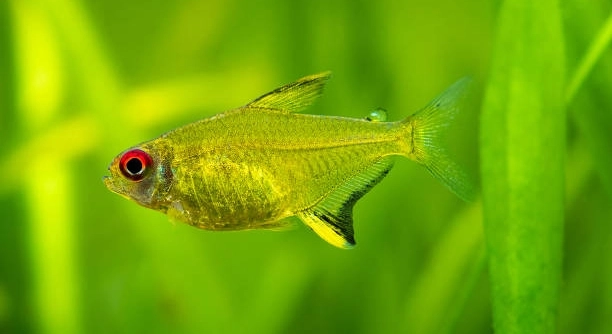
Are your lemon tetras often seen gasping at the water surface, struggling to get enough oxygen? This behavior can be worrying for any fish owner who wants their aquarium to thrive. Understanding the causes is important.
Lemon tetras may gasp for air due to poor water quality, low oxygen levels, overcrowding, disease, or improper temperature. These factors disrupt their natural respiration, making it difficult for the fish to absorb sufficient oxygen and maintain healthy bodily functions.
Knowing why your fish struggle can help you prevent future problems and ensure a healthier, more comfortable environment for your aquarium. Proper care and observation are key to keeping them active and happy.
Poor Water Quality
Dirty water is one of the most common reasons lemon tetras gasp at the surface. Waste buildup, leftover food, and decaying plants release ammonia and nitrites, which are harmful to fish. Even small amounts of toxins can stress them out. High nitrate levels can also reduce the oxygen in water, making it harder for fish to breathe. Regular water testing is important to keep ammonia, nitrite, and nitrate levels in check. Performing partial water changes and cleaning the substrate will improve the water quality. Using a reliable filter helps remove debris and maintain clarity, which keeps oxygen levels stable. Lemon tetras are sensitive to sudden changes, so introducing water treatment slowly is best. Aeration devices, like air stones or a sponge filter, can help improve oxygen distribution. Monitoring your aquarium weekly ensures that your fish remain healthy and avoid respiratory stress caused by poor water conditions.
Maintaining clean water is essential. Regular testing, water changes, and filtration help lemon tetras breathe easily and thrive in their tank environment.
Even with consistent care, poor water quality can sneak up quickly. Uneaten food or overcrowded tanks may lead to unexpected ammonia spikes. Fish can become lethargic, lose their color, and gasp for air. Using live plants can help naturally absorb nitrates, while adding proper aeration ensures oxygen spreads evenly. Observing your fish daily allows you to notice early signs of stress before serious problems occur. Small changes, like adjusting feeding habits or cleaning the filter, can prevent major health issues. Keeping water parameters stable creates a safer, calmer environment, reducing the need for tetras to surface frequently for oxygen. Paying attention to tank conditions and acting quickly when changes appear helps your fish remain active, healthy, and comfortable. A well-maintained aquarium supports both their physical health and natural behavior.
Low Oxygen Levels
Low oxygen makes lemon tetras struggle to breathe properly.
Oxygen levels in a tank drop due to overstocking, high temperatures, or stagnant water. When there isn’t enough dissolved oxygen, fish will come to the surface more often, appearing to gasp. Adding aeration, such as an air pump or filter with strong water movement, increases oxygen distribution. Cooler water holds more oxygen, so avoid letting temperatures rise too high. Live plants can help, but they consume oxygen at night, so balance is key. Avoid overcrowding, as too many fish in a small tank reduces available oxygen for everyone. Regular maintenance, including removing debris and partial water changes, ensures oxygen stays adequate. Observing the fish’s behavior can indicate when oxygen is low, allowing immediate corrective measures. With proper tank management, lemon tetras remain healthy and active, reducing stress caused by oxygen deprivation.
Overcrowding
Too many fish in a small tank reduces oxygen and increases stress. Lemon tetras need space to swim freely. Overcrowding can lead to frequent gasping, weaker immune systems, and aggressive behavior among fish, making the tank unhealthy overall.
Overcrowded tanks cause constant competition for oxygen and food. Fish may become stressed, leading to slower growth and increased susceptibility to disease. Waste levels rise quickly, affecting water quality. Even a small increase in tank population can create noticeable problems, forcing lemon tetras to surface more often. Providing adequate space, monitoring fish numbers, and maintaining proper filtration can prevent these issues. Spacing out fish carefully keeps them active and healthy, reducing the risk of oxygen deprivation.
When lemon tetras are cramped together, their natural behavior changes. Swimming patterns are restricted, and weaker fish may struggle to reach food. Stress can weaken their immune system, leaving them vulnerable to illness. Overcrowding also makes it difficult to maintain consistent water parameters, which further affects oxygen levels. Adjusting tank size, limiting fish numbers, and ensuring proper aeration can improve overall health. Giving each tetra enough room to move freely ensures better breathing, reduced stress, and a more peaceful tank environment, supporting their natural behavior and long-term well-being.
Improper Temperature
Temperature that is too high or too low affects oxygen levels and metabolism. Lemon tetras prefer stable, moderate temperatures. Fluctuations make them more likely to gasp at the surface and appear restless.
Water that is too warm holds less oxygen, making fish struggle to breathe. Cold water slows metabolism, reducing their ability to process oxygen efficiently. Consistently monitoring the tank temperature with a thermometer prevents sudden swings. Using a heater or cooling device ensures the water stays within the ideal range. Even small, rapid changes in temperature can cause stress, leading to gasping and lethargy. Gradual adjustments help fish adapt without risking health.
Temperature also impacts overall tank health. Sudden shifts may trigger disease, weaken immunity, or cause aggression among tetras. Maintaining a steady range supports natural behavior, digestion, and oxygen absorption. Combining stable temperatures with good water circulation helps oxygen spread evenly. Observing fish responses after temperature changes allows for quick corrections. Proper equipment and consistent monitoring prevent stress-related gasping and ensure a comfortable environment for lemon tetras to thrive naturally.
Disease
Illnesses like gill parasites or bacterial infections make lemon tetras gasp for air. Infected fish may appear lethargic, lose color, or have clamped fins. Prompt identification and treatment are necessary to prevent worsening symptoms and protect other fish in the tank.
Some diseases reduce oxygen intake by damaging gills. Sick fish struggle to maintain normal respiration and may isolate themselves. Quarantining affected fish and treating them with appropriate medication can improve recovery. Maintaining clean water and proper nutrition lowers disease risks and helps fish stay active.
Low Water Flow
Poor circulation limits oxygen distribution in the tank. Stagnant areas form where tetras struggle to breathe. Adjusting filter output or adding an air stone can improve movement, ensuring oxygen reaches all parts of the aquarium and supporting healthier fish behavior.
Stress
Stress from sudden changes, loud vibrations, or aggressive tankmates can make lemon tetras gasp. Chronic stress weakens immunity, affecting oxygen use and general health.
Why is my lemon tetra gasping at the surface?
Lemon tetras often gasp when oxygen levels are low, water quality is poor, or they are stressed. High temperatures, overcrowding, and sudden environmental changes can also cause gasping. Observing the fish carefully and checking water parameters helps identify the cause quickly, allowing for immediate action.
Can poor water quality really affect my fish that fast?
Yes, lemon tetras are very sensitive. Ammonia, nitrites, and high nitrates build up quickly, even in a well-maintained tank. Dirty water can reduce oxygen, irritate gills, and stress the fish. Weekly testing, partial water changes, and proper filtration keep them safe and breathing normally.
How much space do lemon tetras need?
They need room to swim and spread out. Overcrowding causes competition for oxygen and food, leading to gasping. A small group in a properly sized tank with good filtration prevents stress, ensures oxygen reaches all fish, and reduces disease risk.
Does temperature really affect breathing?
Yes, water that is too warm holds less oxygen, while cold water slows metabolism. Both extremes make fish gasp more often. Keeping the tank within a stable range, using heaters or cooling systems, and monitoring with a thermometer ensures normal respiration.
Are tankmates a factor in stress and gasping?
Aggressive or overly active fish can stress lemon tetras, making them gasp for air. Peaceful tankmates, proper space, and hiding spots help reduce stress, allowing fish to swim naturally and breathe comfortably without constant fear or competition.
Can I fix gasping by adding an air stone?
Yes, improving aeration increases oxygen levels. Air stones, sponge filters, or strong water flow can help spread oxygen evenly. While this doesn’t solve underlying issues like poor water quality or disease, it provides immediate relief and helps fish recover from low oxygen stress.
How do I know if my fish are sick or just stressed?
Sick fish often show color fading, clamped fins, lethargy, or abnormal swimming. Stressed fish may dart around, hide, or gasp intermittently. Checking water parameters, observing daily behavior, and quarantining new or affected fish helps identify illness versus environmental stress.
Can live plants help with oxygen levels?
Yes, live plants can increase oxygen during the day and absorb nitrates. However, they consume oxygen at night, so balance and sufficient circulation are important. Combining plants with proper filtration and aeration keeps oxygen consistent and supports healthier fish.
How often should I clean the tank to prevent gasping?
Weekly partial water changes, substrate cleaning, and filter maintenance are essential. This removes waste and toxins that reduce oxygen. Over-cleaning or abrupt changes can stress fish, so gradual cleaning paired with monitoring water parameters works best.
What is the quickest way to help a gasping lemon tetra?
Immediate steps include testing water quality, increasing aeration, adjusting temperature if needed, and removing stress factors. Small water changes and improved circulation give fast relief, but long-term care requires addressing the root causes of gasping to keep fish healthy consistently.
Can diet affect their breathing?
Yes, poor nutrition weakens immune systems, making tetras more vulnerable to stress and disease. Feeding a balanced diet in proper amounts supports growth, immunity, and energy levels, which indirectly helps fish maintain normal breathing patterns and overall health.
Is quarantine necessary for new fish?
Quarantining new arrivals prevents disease from spreading. Lemon tetras are sensitive to infections that can affect gills and respiration. Keeping them separate for a few weeks ensures they are healthy before introducing them to the main tank, reducing risk for existing fish.
Do filters alone solve oxygen issues?
Not always. While filters remove debris and improve water movement, stagnant areas can still form. Adding aeration devices or adjusting flow ensures oxygen reaches all corners of the tank, keeping lemon tetras breathing evenly and reducing stress from low oxygen pockets.
How long can a stressed lemon tetra survive gasping?
Survival depends on severity and conditions. Minor stress may be temporary, but chronic low oxygen, poor water, or disease can be fatal within days. Immediate attention to water quality, tank conditions, and stress factors is crucial for recovery and long-term survival.
What daily habits help prevent gasping?
Observing fish, checking water temperature and parameters, feeding appropriately, and ensuring proper aeration are key. Small, consistent actions prevent oxygen deprivation, reduce stress, and maintain a comfortable, healthy environment for lemon tetras to thrive.
Are there signs that indicate serious oxygen deprivation?
Rapid surface gasping, lethargy, clamped fins, and unusual swimming patterns indicate oxygen stress. Early intervention, such as adding aeration, water changes, or adjusting temperature, can prevent long-term damage or fatalities in your fish.
How do I balance plants and oxygen needs?
Live plants improve water quality but consume oxygen at night. Ensure good circulation, use aeration, and monitor fish behavior. Combining plants with proper tank management allows tetras to benefit from plants without suffering oxygen shortages.
Can sudden water changes harm my fish?
Yes, abrupt changes in temperature or chemistry can stress lemon tetras. Gradual water replacement during changes protects gills and respiration. Partial water changes with proper dechlorination are safest and reduce the likelihood of gasping episodes caused by shock.
How often should I test water?
Weekly testing for ammonia, nitrites, nitrates, and temperature is ideal. Frequent monitoring catches small changes before they become serious, ensuring oxygen levels remain sufficient and fish stay healthy and active.
What equipment helps maintain ideal conditions?
Reliable filters, heaters, thermometers, and aeration devices all support a healthy tank. Proper equipment stabilizes oxygen, temperature, and water flow, reducing stress and keeping lemon tetras breathing normally. Consistent maintenance ensures all devices function effectively.
How can I tell if gasping is temporary or serious?
Temporary gasping may occur after minor stress, such as brief temperature fluctuation. Persistent or worsening gasping with lethargy, color loss, or abnormal swimming signals a serious problem requiring immediate intervention in water quality, temperature, or disease treatment.
Is overcrowding reversible?
Yes, reducing the number of fish or upgrading tank size restores oxygen balance and reduces stress. Proper stocking density ensures all tetras can swim freely and breathe comfortably, improving overall health and minimizing frequent gasping.
How long does it take for tetras to recover?
Recovery time varies depending on the cause. Correcting water quality, temperature, or oxygen issues often shows improvement within hours to days. Treating disease or stress-related problems may take longer, but consistent care ensures full recovery and healthier long-term behavior.
Are there long-term effects from repeated gasping?
Chronic oxygen deprivation or stress weakens immunity, slows growth, and can shorten lifespan. Regular monitoring, proper tank management, and prompt intervention prevent lasting damage and support continued health for lemon tetras.
Can I prevent gasping completely?
While it’s impossible to eliminate all stress, maintaining clean water, stable temperature, adequate oxygen, proper tank size, and a balanced diet greatly reduces the likelihood of gasping. Attentive care ensures fish remain active and comfortable in their environment.
Do I need professional help if gasping continues?
If gasping persists despite optimal water quality, proper temperature, and aeration, consulting a veterinarian experienced with fish is advisable. They can diagnose disease, parasites, or other issues that may not be obvious, ensuring proper treatment and recovery.
How important is observation for prevention?
Daily observation is crucial. Noticing small behavior changes, such as occasional gasping or color fading, allows early intervention. Consistent monitoring combined with proper tank care prevents oxygen deprivation and keeps lemon tetras healthy over time.
Are there quick fixes that actually work?
Increasing aeration, performing partial water changes, and checking temperature provide immediate relief. While these don’t solve underlying issues like disease or overcrowding, they give fish a chance to recover quickly and reduce stress until long-term solutions are applied.
What signs indicate improvement after intervention?
Reduced surface gasping, normal swimming, brighter coloration, and active feeding indicate recovery. Continuous observation ensures that changes in behavior are lasting, confirming that water conditions, oxygen levels, and overall care are now suitable for healthy fish.
Can stress from handling cause gasping?
Yes, handling or moving fish abruptly can trigger short-term gasping. Avoid unnecessary handling and allow fish to acclimate slowly to changes in environment to prevent temporary respiratory distress and reduce stress-induced behaviors.
How do I keep oxygen levels consistent at night?
Using a filter that maintains water movement and adding an air stone helps balance oxygen consumption by plants during the night. This prevents nighttime gasping and ensures tetras remain comfortable even when photosynthesis stops.
What are the best practices for long-term prevention?
Regular water testing, proper tank stocking, consistent temperature, good aeration, and a balanced diet prevent oxygen-related issues. Observing fish behavior daily allows early detection of stress, ensuring lemon tetras maintain healthy respiration and thrive in their environment consistently.
Can environmental changes affect breathing immediately?
Yes, sudden light, noise, or water chemistry changes can cause immediate gasping. Keeping conditions stable and minimizing abrupt changes helps lemon tetras maintain normal respiration and reduces long-term stress impacts.
How do I handle new fish additions safely?
Quarantine new fish for at least two weeks, monitor behavior, and gradually introduce them to the main tank. This prevents disease spread, reduces stress on existing tetras, and protects oxygen balance while maintaining a healthy environment.
Are all tetras equally sensitive to oxygen levels?
No, lemon tetras are more sensitive than some other species. They require stable, well-oxygenated water, proper space, and gentle handling. Awareness of their needs ensures proper care and prevents frequent gasping episodes.
What equipment failures can cause gasping?
Filters clogging, heaters malfunctioning, or air stones failing reduce oxygen and increase stress. Regular inspection, cleaning, and testing of equipment prevent sudden drops in water quality or oxygen levels, keeping fish healthy.
How does feeding schedule impact oxygen and stress?
Overfeeding increases waste, reducing water quality and oxygen. Small, controlled feedings prevent excess debris and maintain tank balance. A proper feeding schedule supports normal respiration and reduces stress-related gasping behaviors.
Can gasping indicate multiple problems at once?
Yes, low oxygen, poor water quality, disease, and stress can combine, making symptoms worse. Identifying all contributing factors ensures comprehensive treatment, improving health and breathing efficiency for lemon tetras.
Is it normal for occasional gasping?
Brief, infrequent gasping can happen after sudden movement or minor disturbances. Persistent, repeated gasping indicates a problem requiring attention, such as low oxygen, poor water, or illness. Monitoring behavior helps differentiate between normal and concerning patterns.
Can seasonal changes affect my tank?
Yes, temperature fluctuations in summer or winter can alter oxygen levels. Adjusting heaters, monitoring water quality, and maintaining circulation help keep lemon tetras comfortable and prevent seasonal gasping episodes.
Does tank size alone prevent gasping?
No, while larger tanks provide more space and oxygen, proper filtration, aeration, and maintenance are still necessary. Tank size must be combined with careful management to maintain healthy respiration and prevent gasping.
Are there behavioral signs before gasping starts?
Lethargy, color changes, hiding, or rapid gill movement often appear before consistent gasping. Early recognition allows corrective action to prevent oxygen deprivation and support healthier fish behavior.
Can I use medication safely if disease is suspected?
Yes, but it must match the specific illness. Overuse or wrong medication can harm fish. Quarantine, proper dosage, and following instructions ensure treatment addresses gill parasites, bacterial infections, or other causes effectively.
How does light affect oxygen and stress?
Intense or inconsistent lighting can stress fish and plants, impacting oxygen levels. Maintaining a consistent light cycle supports normal behavior, reduces stress, and ensures healthy oxygen balance for lemon tetras.
What is the role of gill health in gasping?
Damaged or infected gills reduce oxygen absorption, causing gasping. Regular water maintenance, proper nutrition, and disease prevention protect gill function, ensuring lemon tetras breathe efficiently and remain active.
How do I balance multiple preventive measures?
Combining clean water, proper temperature, adequate space, balanced diet, aeration, and monitoring behavior creates a stable environment. Each measure supports oxygen levels and reduces stress, preventing gasping and promoting long-term fish health.
Can I observe improvements within hours?
Yes, if the cause is simple, like low oxygen or minor stress, fish may start swimming normally and reduce gasping within hours of intervention. Persistent improvement confirms correct actions were taken.
Is water hardness relevant to breathing?
Extreme hardness or softness affects gill function and stress levels. Maintaining moderate, stable hardness ensures proper respiration and prevents frequent gasping, supporting overall health for lemon tetras.
Do different foods affect oxygen demand?
High-protein foods increase waste, reducing water quality and oxygen. Balanced, moderate feedings help maintain clean water, reduce oxygen stress, and support normal breathing for lemon tetras.
How do I maintain consistent care while away?
Automatic feeders, stable heaters, aeration devices, and trusted observation prevent oxygen and water quality issues. Proper planning reduces stress and keeps lemon tetras healthy during short absences.
Can gasping ever indicate aging?
Older fish may gasp more due to weaker gills or slower metabolism. Maintaining clean, oxygenated water and proper nutrition helps aging lemon tetras remain comfortable and active, minimizing respiratory strain.
Does tank decor affect oxygen flow?
Dense decorations may restrict water circulation, creating stagnant areas. Proper placement of plants, rocks, and ornaments ensures even oxygen distribution and prevents local low-oxygen spots where lemon tetras might gasp.
Is sudden gasping after feeding normal?
Occasional brief gasping can occur after feeding, especially if fish swim vigorously. Persistent gasping after feeding signals water quality issues, overfeeding, or digestive stress, which should be addressed immediately.
How important is regular observation compared to testing?
Both are critical. Testing provides measurable data, while observation detects early behavioral changes. Combining daily monitoring with weekly testing ensures oxygen, water quality, and health remain optimal for lemon tetras.
Can water additives help with oxygen issues?
Some additives increase oxygen temporarily, but they do not replace proper aeration or tank maintenance. Long-term care requires clean water, stable temperature, and proper circulation to prevent repeated gasping.
Do different species have different oxygen needs?
Yes, lemon tetras are sensitive and need well-oxygenated water. Knowing each species’ tolerance ensures proper tank conditions and prevents gasping caused by low oxygen or stress.
How do I prevent recurring gasping in the future?
Consistent water maintenance, proper tank size, good filtration, aeration, stable temperature, balanced diet, and daily observation prevent repeated episodes. Combining these practices creates a safe environment that supports healthy breathing and reduces stress for lemon tetras.
Is gasping always visible at the surface?
Not always. Fish may gasp in lower areas of the tank if oxygen distribution is uneven. Observing overall behavior and ensuring water circulation helps detect hidden oxygen deficiencies.
Can multiple small interventions be as effective as one big fix?
Yes, gradual improvements like partial water changes, adjusting temperature, and increasing aeration reduce stress better than sudden drastic changes, allowing lemon tetras to adapt without worsening gasping.
Does stress recovery time vary by individual fish?
Yes, some tetras recover quickly, while others take longer depending on age, health, and prior stress. Consistent care and observation support all fish until they resume normal breathing and activity.
Are there warning signs after a fix is applied?
Yes, if fish continue gasping, show lethargy, or hide, underlying issues may remain. Continued observation and additional adjustments are necessary to ensure full recovery and proper oxygen levels.
How do I prevent accidental overcorrection?
Gradual changes in water chemistry, aeration, or temperature prevent shock. Rapid adjustments may stress fish further, causing more gasping. Careful, incremental interventions are safest.
Can I rely solely on fish behavior to assess oxygen?
Behavior is a helpful indicator but should be paired with water testing. Measuring dissolved oxygen, temperature, and water quality provides objective data to prevent chronic gasping.
Are there long-term benefits to proper tank maintenance?
Yes, consistent care reduces disease, stress, and gasping episodes. Healthy water conditions, stable temperature, adequate space, and proper nutrition support overall vitality, longevity, and natural behavior for lemon tetras.
Is there a seasonal maintenance adjustment I should make?
Yes, summer heat may require extra aeration, while winter may need stable heating. Seasonal adjustments ensure oxygen remains sufficient and fish remain comfortable year-round.
How do I know if I’ve corrected the root cause?
Sustained normal swimming, reduced surface gasping, bright coloration, and active feeding indicate that water quality, oxygen, temperature, and stress factors have been addressed effectively.
Can gasping be an early warning for other health issues?
Yes, persistent gasping often precedes illness or environmental problems. Early recognition allows intervention before more serious conditions develop, protecting both individual fish and the tank ecosystem.
What habits support long-term prevention?
Regular observation, water testing, tank cleaning, proper stocking, stable temperature, adequate aeration, balanced diet, and disease prevention create a stable environment. Consistent care minimizes oxygen-related stress and keeps lemon tetras healthy.
Is there a checklist I can follow for prevention?
Yes, daily observation, weekly water testing, proper feeding, aeration, and temperature monitoring serve as a practical checklist. This structured approach ensures consistent care and reduces the likelihood of gasping.
Are there signs that gasping may return soon?
Yes, minor surfacing, slight lethargy, or clamped fins can indicate recurring oxygen or stress issues. Early response prevents escalation and maintains healthy respiration.
Can multiple factors combine to cause gasping?
Absolutely, oxygen deficiency, poor water quality, stress, disease, and overcrowding can interact. Addressing all contributing factors is necessary to restore healthy breathing and prevent repeated episodes in lemon tetras.
How do I track progress effectively?
Daily notes on behavior, feeding, and swimming patterns, combined with weekly water tests, provide a clear record. Tracking changes helps identify trends, confirm recovery, and prevent future gasping incidents.
Is immediate action always better than waiting?
Yes, lemon tetras respond best when oxygen and water issues are corrected quickly. Delays can worsen stress, lead to illness, and make recovery slower or incomplete.
How can I support weaker fish in a tank?
Providing extra space, gentle water flow, optimal feeding, and oxygenation helps weaker tetras recover. Reducing competition and stress allows them to breathe normally and regain strength over time.
Can gasping occur without obvious water issues?
Yes, disease or gill damage can cause gasping even in clean water. Observ
Lemon tetras are small, delicate fish that rely on stable, well-maintained water conditions to thrive. Gasping at the surface is one of the most noticeable signs that something in their environment is off. While it can be alarming to see them struggling, it often points to issues that can be corrected with careful observation and consistent care. Water quality, temperature, oxygen levels, and space all play a role in their overall health. Paying attention to these factors regularly can prevent many common problems before they become serious. Even small changes in water chemistry or temperature can stress fish, so gradual adjustments and careful monitoring are important. Maintaining a routine of partial water changes, proper filtration, and aeration helps create a stable environment where tetras can swim comfortably and breathe normally.
Another factor to consider is the behavior and well-being of the fish themselves. Lemon tetras are social creatures that do best in small groups, and overcrowding can lead to stress, increased competition for oxygen, and more frequent gasping. Aggressive or incompatible tankmates may also cause stress that affects breathing. Observing how the fish interact, swim, and feed provides valuable clues about their health. Signs of stress, such as clamped fins, lethargy, or faded colors, often appear before gasping becomes severe. Providing hiding spots, proper tank size, and peaceful companions supports their natural behavior and reduces stress, which in turn helps them maintain healthy respiration. Even diet plays a role, as balanced nutrition supports immune function and overall vitality. Feeding the right amount of food and avoiding overfeeding keeps water clean and prevents oxygen levels from dropping due to excess waste.
Finally, prevention is key to keeping lemon tetras healthy and minimizing gasping behavior. Regular monitoring of water parameters, consistent tank maintenance, proper aeration, and stable temperature management form the foundation of a healthy aquarium. Early intervention when fish show signs of stress or illness can prevent minor issues from becoming severe. It is also important to quarantine new fish before introducing them to the main tank, ensuring that diseases or parasites do not spread. Even small, consistent actions, such as checking filters, testing water weekly, and observing fish behavior daily, make a significant difference in the long-term well-being of lemon tetras. By understanding their needs and maintaining a stable environment, gasping behavior can be reduced, and the fish can thrive comfortably. This careful, attentive approach ensures that lemon tetras live a healthy, active life and enjoy a peaceful, oxygen-rich environment.

Hello,
If you enjoy the content that we create, please consider saying a "Thank You!" by leaving a tip.
Every little bit helps us continue crafting quality advice that supports the health, happiness, and well-being of pets around the world, for pets of all shapes, sizes, and species.
We really appreciate the kindness and support that you show us!