
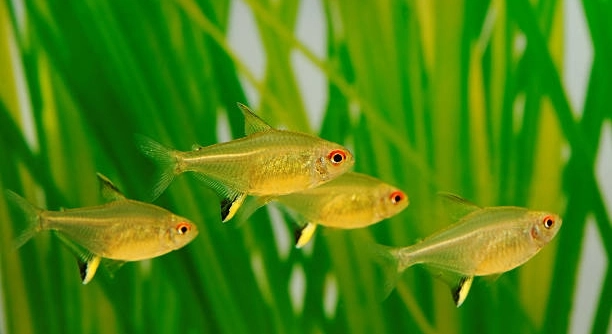
Breeding Lemon Tetra can be a rewarding experience for aquarium enthusiasts who enjoy observing vibrant, active fish. These small, yellow-accented fish require a calm environment and consistent care to thrive and reproduce successfully in home tanks.
Optimal breeding conditions for Lemon Tetra involve maintaining a stable water temperature between 24–28°C, soft slightly acidic water with pH 5.5–6.5, low lighting, and providing dense plants or spawning mops to support egg laying and fry survival.
Creating the right setup ensures your Lemon Tetra flourish and produce healthy offspring, making their aquatic environment both balanced and engaging for long-term care.
Choosing the Right Tank Size
A proper tank size is crucial for breeding Lemon Tetras. A tank that is too small can stress the fish, reduce oxygen levels, and make it difficult for fry to survive. Ideally, a 20-gallon tank provides enough space for a small breeding group. The tank should have a gentle filter to maintain water quality without creating strong currents. Adding fine-leaved plants or spawning mops will give the fish safe places to lay eggs. Lighting should be soft to reduce stress, as Lemon Tetras prefer subdued conditions. Regular water changes help maintain cleanliness and stability, preventing sudden chemical changes. Observing your fish daily allows you to spot signs of readiness for breeding, such as brighter coloration or increased activity. Maintaining a calm environment will make spawning more successful, and ensuring each fish has enough space reduces aggression, which can otherwise damage eggs or harm fry. Attention to these details improves survival rates and promotes healthier adults.
Smaller tanks may be tempting, but they often lead to stress and lower spawning success. A spacious, well-planted tank encourages natural behavior.
Proper tank setup directly impacts the fish’s comfort and willingness to breed. Creating zones with plants, gentle water movement, and stable conditions ensures a safer environment for eggs and fry. Observation and patience are key to achieving successful breeding outcomes.
Water Parameters and Temperature
Water quality is critical for Lemon Tetra breeding. Maintaining a temperature between 24–28°C and soft, slightly acidic water ensures eggs develop properly. Regular testing prevents sudden pH or hardness changes that can harm fry.
Stable water conditions are essential. Frequent checks of temperature, pH, and hardness reduce stress and support healthy spawning behavior.
Consistency in water parameters is the backbone of successful Lemon Tetra breeding. Soft water with a pH around 5.5–6.5 mimics their natural habitat, improving egg viability. Temperature fluctuations can cause eggs to fail or fry to develop slowly. Ammonia, nitrite, and nitrate levels must remain low, as toxic spikes are harmful. Frequent partial water changes keep the tank clean without disturbing fish too much. Using dechlorinated water prevents chemical stress. Gentle aeration and filtration maintain oxygen levels while avoiding strong currents that could sweep away eggs. Providing dense plant coverage or artificial spawning mops gives eggs a protected surface. Observing the fish’s behavior helps indicate readiness; males will display more vibrant colors, and females appear fuller when carrying eggs. Maintaining these parameters consistently improves survival rates and encourages multiple spawning events over time, creating a healthy, thriving breeding setup.
Continue the article with the following outline and format. Do not write an intro for each header, get straight to the point. Do not use a greeting. Make it feel slightly personal. Write in a simplistic style. Do not greet the reader.; Outline and Format: ; Header: xxxxxxxxxxxxxxxxxxx; 50 words paragraph; 100 words paragraph; 100 words paragraph; Header: xxxxxxxxxxxxxxxxxxx; 75 words paragraph; 125 words paragraph; Note: Skip the intro, get straight to the point. The rest of the headers will be provided later, so do not write them yet. Skip the conclusion, and recap. Respect the given word count for every paragraph.
Spawning Triggers
Introducing slightly cooler water during morning hours can encourage Lemon Tetras to spawn. Gentle water changes create subtle environmental cues that stimulate natural breeding behavior.
Providing fine-leaved plants or spawning mops gives fish secure places to lay eggs. Covering part of the tank can also create a safe, dim environment that supports egg survival.
Separating Adults from Fry
Once eggs are laid, removing adults prevents them from eating the eggs. A separate rearing tank ensures higher survival rates for fry. Careful handling during transfer reduces stress and helps maintain water quality in both tanks.
Monitoring Egg Development
Lemon Tetra eggs typically hatch within 24–36 hours. Observing their progress ensures prompt action if water conditions fluctuate or fungus appears. Regular checks help maintain healthy fry development.
Fry Care
Providing freshly hatched infusoria or micro-foods supports the growth of tiny fry. Gradually introducing finely crushed flakes ensures proper nutrition as they develop.
FAQ
How often do Lemon Tetras spawn?
Lemon Tetras can spawn multiple times during favorable conditions. Typically, they will breed every few weeks when water parameters, temperature, and diet are consistently maintained. Spawning frequency depends on adult health, tank stability, and availability of suitable hiding places for eggs.
What is the best water temperature for breeding?
Maintaining a temperature between 24–28°C supports both egg development and adult activity. Consistent warmth encourages spawning behavior while preventing stress. Sudden temperature changes can cause eggs to fail or slow fry growth, so gradual adjustments are necessary if changes are needed.
Do Lemon Tetras need soft or hard water?
Soft, slightly acidic water with a pH between 5.5 and 6.5 is ideal for breeding. Hard water or high pH levels can reduce egg viability and may make adults less likely to spawn. Monitoring water regularly helps maintain suitable conditions.
How do I know when adults are ready to breed?
Males display brighter yellow coloration and more intense fin movement, while females appear fuller, especially near the abdomen. Observing increased activity around plants or spawning mops indicates readiness. Subtle behavioral changes are often the first sign before actual egg-laying occurs.
Should adults be separated from eggs immediately?
Yes, removing adults after spawning prevents them from eating the eggs. Using a separate rearing tank or divider ensures higher survival rates for fry and reduces stress on both adults and eggs.
What do Lemon Tetra eggs look like?
The eggs are small, round, and slightly translucent. They are sticky and adhere to plant leaves or spawning mops. Healthy eggs appear clear and free from white spots, which can indicate fungus or developmental issues.
How long do eggs take to hatch?
Lemon Tetra eggs typically hatch within 24–36 hours under optimal conditions. Temperature and water quality affect the exact timing. Observing the eggs closely allows early detection of any problems, such as fungus or unfertilized eggs.
What should I feed the fry?
Freshly hatched infusoria or commercially available micro-foods work best for tiny fry. As they grow, finely crushed flakes or baby brine shrimp can be gradually introduced. Frequent small feedings support steady growth and reduce leftover food that can pollute water.
How do I prevent fungus on eggs?
Maintaining clean water and stable conditions is key. Using a mild antifungal treatment or adding a few drops of methylene blue can help prevent fungal growth. Avoid disturbing eggs too much, as excessive handling can damage them.
Can Lemon Tetras spawn without plants?
Plants or spawning mops provide a safe surface for eggs and protect them from adults. While some fish may lay eggs on bare surfaces, survival rates are much lower. Providing adequate cover increases fry survival and reduces stress on breeding adults.
How long until fry are free-swimming?
Fry become free-swimming about three to four days after hatching. During this stage, they leave the surface of plants or mops and start exploring the tank. Careful monitoring ensures they have access to appropriate micro-food and clean water.
When can fry eat normal flake food?
Fry can gradually transition to finely crushed flakes after two to three weeks. By this stage, they are larger and able to handle more substantial food. Mixing micro-food with crushed flakes helps them adapt without nutritional gaps.
Do Lemon Tetras need specific lighting to breed?
Soft, consistent lighting is preferred. Bright or fluctuating lights can stress adults and reduce spawning activity. Timed lighting simulates natural day-night cycles, encouraging normal behavior and supporting egg and fry development.
Is it necessary to feed live food to breeding adults?
Live foods like brine shrimp or daphnia enhance condition and stimulate natural breeding behavior. While high-quality flakes help maintain general health, live food increases energy and encourages spawning. Offering a mix of live and frozen foods works best.
Can breeding be successful in a community tank?
It is possible but more challenging. Other fish may eat eggs or fry, and competition for resources can stress adults. Using a separate breeding tank ensures higher survival rates and allows precise control over conditions.
How do I handle water changes during breeding?
Small, frequent water changes help maintain cleanliness and stable parameters. Avoid sudden or large changes, as they can stress adults or damage eggs. Using dechlorinated water at matching temperature and pH preserves a stable environment.
What is the average survival rate for Lemon Tetra fry?
With proper care, survival rates can be high, often above 70%. Factors affecting survival include water quality, protection from adults, appropriate feeding, and prevention of fungal infections. Consistency and observation are critical during early development stages.
When should I introduce plants or spawning mops?
Introduce dense plants or spawning mops before the breeding process begins. This gives adults time to explore and choose suitable egg-laying sites, improving the likelihood of successful spawning and protecting eggs from potential disturbances.
Can stress prevent spawning?
Yes, stress from sudden temperature shifts, poor water quality, overcrowding, or aggressive tank mates can inhibit breeding. Maintaining calm, stable conditions with ample hiding spots encourages natural behavior and improves reproductive success.
How do I tell if eggs are fertilized?
Fertilized eggs appear clear and develop small embryos visible under close observation. Unfertilized eggs often turn white or opaque and may become susceptible to fungus. Removing white eggs prevents contamination of healthy eggs.
What is the ideal number of adults for breeding?
A small group of 4–6 adults works best, with a balanced male-to-female ratio. Too many fish increase stress and competition, while too few may reduce mating opportunities. Observing interactions helps ensure compatible pairings.
How long does it take for fry to reach adult size?
Fry typically reach full size within three to four months with proper care. Adequate nutrition, clean water, and stable environmental conditions accelerate growth, resulting in healthy, vibrant adults capable of breeding themselves.
Are there signs of disease to watch for during breeding?
White spots, lethargy, or unusual swimming behavior may indicate disease. Prompt identification and treatment, combined with clean water and proper nutrition, prevent outbreaks that can harm adults, eggs, and fry.
Can Lemon Tetras breed year-round?
With stable tank conditions, consistent diet, and controlled temperature, Lemon Tetras can breed throughout the year. Seasonal changes are less critical in aquariums, but maintaining optimal water and environmental stability is necessary for continuous success.
How do I transition fry to a community tank?
Gradually acclimate fry once they are large enough to avoid being eaten. Introduce them to new tank water slowly and provide hiding spots. Feeding should continue with small, frequent meals until they adapt to community conditions.
What role does plant density play in breeding success?
Dense plant growth provides shelter for eggs and fry, reducing predation and stress. It also allows adults to display natural behavior and select safe egg-laying sites. Sparse vegetation increases vulnerability and decreases survival rates.
How can I maintain long-term breeding success?
Regularly monitor water parameters, provide varied diets, maintain stable lighting, and ensure adults are healthy. Periodically refreshing breeding stock prevents inbreeding and supports genetic diversity, improving resilience and reproductive performance over time.
Are there common mistakes to avoid during breeding?
Avoid sudden temperature changes, overcrowding, poor water quality, and insufficient hiding spots. Overfeeding or neglecting tank maintenance can also reduce success. Attention to detail and consistent care ensure higher survival rates for both adults and fry.
Is it necessary to remove uneaten food promptly?
Yes, leftover food can decompose, affecting water quality and stressing both adults and fry. Removing uneaten food prevents spikes in ammonia and nitrate, reducing the risk of disease and improving breeding outcomes.
Can I reuse water from the adult tank for fry?
Partial reuse is possible if water is clean and free from contaminants. Always monitor pH, hardness, and temperature, and ensure no chemicals or medications are present. Maintaining stable conditions is more important than full water replacement.
How do I manage aggression during breeding?
Providing ample space, hiding spots, and plant coverage reduces conflict. Observing fish behavior allows intervention if aggression becomes severe. Separating particularly aggressive individuals can protect eggs and fry from harm.
What is the best way to increase egg survival?
Remove adults promptly, maintain clean water, provide dense plant cover, and use mild antifungal treatment if necessary. Stable environmental conditions and careful feeding practices improve fry survival rates.
How quickly should I feed fry after hatching?
Fry should begin feeding within a few hours after becoming free-swimming. Infusoria or specialized micro-food supports their tiny mouths and rapid growth. Frequent small feedings ensure consistent nutrition without polluting water.
Are Lemon Tetras easy to breed for beginners?
They are moderately easy if conditions are carefully maintained. Stable water parameters, appropriate diet, and proper tank setup simplify the process. Attention to detail and patience yield consistent results even for less experienced keepers.
Can water hardness affect egg development?
Yes, harder water or high mineral content can reduce egg viability. Soft, slightly acidic water mimics natural conditions and improves successful hatching and fry survival. Monitoring hardness ensures a suitable environment.
What is the role of male behavior during spawning?
Males actively display bright colors, chase females gently, and fan fins to encourage egg laying. This behavior stimulates spawning and helps fertilize eggs. Observing these displays indicates a healthy, motivated breeding pair.
How long should fry remain in a separate tank?
Fry should stay in a protected tank until they are large enough to avoid predation, typically three to four weeks. Gradual acclimation ensures they adapt safely to community conditions while remaining healthy and strong.
Can I breed Lemon Tetras with tap water?
Tap water can be used if dechlorinated and adjusted for pH and hardness. Testing and conditioning water ensures it is safe, reducing the risk of stress, disease, and egg or fry mortality.
Is lighting important for fry development?
Yes, soft and consistent lighting helps fry locate food and explore safely. Avoid bright or fluctuating lights, which can stress young fish and inhibit normal growth and behavior.
Do adults need special care after spawning?
After spawning, continue regular feeding and maintain stable water conditions. Adults may be slightly stressed, so monitoring health and ensuring a calm environment supports recovery and prepares them for future spawning events.
How do I prevent overpopulation in breeding setups?
Plan tank space and monitor fry numbers. Regularly transfer or sell excess fish to avoid overcrowding. Overpopulation stresses water quality and reduces survival chances for both fry and adults.
Are there visual signs of healthy fry?
Healthy fry are active, swim steadily, and have clear, bright coloration. Lethargy, deformities, or discolored bodies indicate stress, poor water quality, or nutritional deficiencies that need attention.
What is the most common mistake during Lemon Tetra breeding?
Neglecting water quality and tank stability is the most frequent issue. Inconsistent temperature, pH fluctuations, and poor maintenance reduce spawning success and fry survival, making careful monitoring essential for reliable results.
How can I improve genetic diversity?
Introducing new adults from different sources prevents inbreeding. Rotating breeding stock and selecting healthy, active fish ensures stronger, more resilient offspring with fewer genetic problems.
Can temperature drops trigger spawning?
Slight drops in temperature during morning water changes can stimulate spawning. These subtle environmental cues mimic seasonal variations and encourage natural breeding behavior without causing stress.
Should I use filters during breeding?
Gentle filtration maintains water quality while avoiding strong currents that can sweep away eggs or fry. Sponge filters or low-flow setups work best, keeping water clean and oxygenated safely.
What is the recommended tank substrate for breeding?
Fine gravel, sand, or bare-bottom setups work well. The key is to provide surfaces where eggs can settle safely and be easily observed. Plants or spawning mops complement substrate choice.
Can I breed multiple pairs in one tank?
Yes, but space and hiding spots must be adequate. Overcrowding increases stress and aggression, so monitor behavior carefully and separate pairs if needed to protect eggs and fry.
Do fry require special water conditions?
Fry need stable temperature, soft water, and clean, well-oxygenated conditions. Slight variations in pH or hardness can affect growth and survival, making careful monitoring crucial during early stages.
How important is plant coverage for fry survival?
Dense plant coverage provides shelter from predation, reduces stress, and allows fry to explore safely. Sparse or absent vegetation increases vulnerability and decreases overall survival rates.
Can I breed Lemon Tetras in a tank with other species?
While possible, it is challenging. Other fish may eat eggs or fry, or stress adults, reducing breeding success. A separate tank is recommended for optimal results.
What signs indicate successful spawning?
Adults laying eggs among plants or spawning mops and showing consistent, active behavior indicate successful spawning. Clear, fertilized eggs adhering to surfaces confirm progress.
How do I maintain water quality for long-term breeding?
Regular partial water changes, gentle filtration, and careful monitoring of pH, hardness, ammonia, and nitrate levels maintain stable conditions. Clean water supports adult health, egg viability, and fry development.
Are there any additives that help breeding?
Methylene blue or mild antifungal treatments can protect eggs from fungus. Only minimal, safe doses should be used to avoid stressing adults or fry. Proper use enhances survival without harming fish.
How long should breeding adults be rested between spawning events?
Allowing a few weeks between spawning events helps adults recover energy, reduces stress, and improves egg quality for the next cycle. Rest periods support long-term reproductive health and vitality.
Can I encourage breeding in the winter months?
Yes, maintaining consistent temperature, lighting, and water parameters simulates favorable conditions. Seasonal timing is less critical in controlled tanks, but stability remains essential.
What is the ideal male-to-female ratio?
A 1:2 male-to-female ratio works best. This ensures males can display courtship behavior without over-chasing females, balancing energy and reducing stress during breeding periods.
How do I remove adults without harming fry?
Use a net or carefully scoop adults, ensuring minimal disturbance to plants or spawning mops. Slow, gentle movements prevent stress or accidental damage to eggs and newly hatched fry.
How can I tell if fry are thriving?
Active swimming, regular feeding, and gradual growth indicate thriving fry. Healthy coloration, smooth scales, and steady development confirm proper conditions and adequate nutrition.
Are there seasonal factors affecting breeding?
In aquariums, stable tank conditions minimize seasonal influence. However, slight changes in lighting or temperature can mimic natural cues and sometimes trigger spawning behavior.
How do I prevent overcrowding of fry?
Monitor numbers, transfer some to separate tanks if necessary, and plan feeding carefully. Overcrowding leads to stress, slower growth, and increased susceptibility to disease.
Can breeding success vary between individual fish?
Yes, some adults are naturally more active or healthy, resulting in higher spawning success. Selecting robust, active fish improves overall results and fry survival.
What are common mistakes with fry care?
Underfeeding, poor water quality, and insufficient shelter are common errors. Regular monitoring, appropriate food, and protective environments ensure healthy development and reduce mortality.
How long does it take for fry to reach breeding maturity?
Fry generally reach sexual maturity around three to four months. Maintaining proper diet, clean water, and stable environmental conditions supports timely and healthy development into breeding adults.
Is it necessary to quarantine new adults before breeding?
Yes, quarantining prevents disease introduction, ensures healthy stock, and reduces stress on existing fish. A short isolation period helps maintain a safe breeding environment.
Can I use artificial plants for spawning?
Yes, fine-leaved artificial plants or spawning mops provide surfaces for eggs. They are easy to clean, reduce the risk of pests, and mimic natural egg-laying sites effectively.
What temperature changes are safe for stimulating spawning?
Minor adjustments of 1–2°C during morning water changes are sufficient. Larger fluctuations can stress adults and harm eggs, so gradual, small shifts are preferred.
Are Lemon Tetras prone to inbreeding issues?
Yes, keeping the same stock for too long increases inbreeding risks. Introducing new, healthy adults from different sources maintains genetic diversity and stronger offspring.
How do I manage leftover food during breeding?
Remove uneaten food promptly to prevent ammonia spikes. Feeding small portions multiple times daily reduces waste and keeps water quality stable.
What is the recommended pH for breeding?
A slightly acidic pH of 5.5–6.5 supports egg development and adult activity. Regular testing ensures conditions remain within this safe range.
Can fry survive in harder water if adults are adapted?
Survival is lower in harder water. Soft, slightly acidic water is optimal for fry, even if adults tolerate harder conditions. Gradual adjustments help acclimate them safely.
Is it necessary to use spawning mops if plants are present?
Not strictly, but spawning mops increase surface area for eggs and are easier to remove for fry protection. They complement natural plants effectively.
How do I prevent fungal infections on eggs?
Maintaining clean water, stable conditions, and using mild antifungal treatment if needed prevents fungus. Removing white or dead eggs reduces contamination risks.
Can Lemon Tetras spawn in bare tanks?
They may lay eggs on glass or substrate, but survival rates are lower without plants or spawning mops. Providing cover significantly improves fry protection and breeding success.
How do I acclimate fry to new water conditions?
Introduce new water slowly over several hours while monitoring temperature, pH, and hardness. Gradual acclimation reduces stress and supports healthy growth.
Can temperature drops at night affect spawning?
Minor nighttime drops can mimic natural conditions and sometimes encourage spawning. Large fluctuations should be avoided to prevent stress and egg mortality.
Do Lemon Tetras eat their own eggs?
Yes, adults may consume eggs if left in the same tank. Removing eggs promptly and providing separate rearing areas ensures higher survival rates.
How often should I check water parameters?
Daily monitoring of temperature, pH, hardness, and ammonia levels is recommended. Consistent observation allows early intervention and prevents conditions that could harm adults, eggs, or fry.
What are signs of stressed adults during breeding?
Hiding excessively, erratic swimming, faded coloration, or aggression indicate stress. Addressing water quality, tank setup, and diet helps reduce stress and improve breeding outcomes.
Can I reuse spawning mops for multiple batches?
Yes, clean them gently between uses to remove debris and prevent fungus. Reusing mops is convenient and maintains safe surfaces for eggs.
How do I handle eggs that fall to the substrate?
If using a bare-bottom tank, eggs on the substrate can be gently collected and placed on plants or spawning mops. Care
Breeding Lemon Tetras requires attention to detail, consistency, and patience. The success of spawning largely depends on maintaining stable water parameters, proper temperature, and a well-planned tank setup. Ensuring a calm environment with soft lighting, gentle water flow, and adequate hiding spots encourages natural behavior. Adults respond positively to a consistent routine, and small adjustments, such as slight water changes or the introduction of spawning mops, can create ideal conditions for egg-laying. Paying attention to the health and activity of your fish allows you to spot readiness for breeding and take timely action. Providing a balanced diet with live, frozen, and high-quality flake foods supports adult vitality and improves the quality of eggs. Overfeeding should be avoided, as excess food can pollute water and stress the fish, reducing reproductive success. Maintaining a proper male-to-female ratio and monitoring interactions ensures less aggression and a higher chance of successful spawning.
Once eggs are laid, careful management of both adults and fry is crucial. Removing adults from the breeding area prevents them from eating eggs, while providing dense plant coverage or spawning mops gives fry a safer start. Observing egg development allows early intervention if fungus appears or if eggs are unfertilized. Fry require frequent, small feedings with appropriate micro-foods like infusoria or baby brine shrimp, gradually transitioning to finely crushed flakes as they grow. Stable water parameters, including soft, slightly acidic water, moderate temperature, and low lighting, are critical during this stage. Monitoring ammonia, nitrite, and nitrate levels ensures a healthy environment, while gentle aeration and filtration maintain oxygen without creating strong currents that could displace fry. Regular observation of fry behavior and growth helps identify potential issues early, whether related to water quality, feeding, or overcrowding. Attention to these details significantly increases survival rates and contributes to healthier, more active adult fish over time.
Successful breeding of Lemon Tetras also relies on planning for long-term care and sustainability. Adults benefit from rest periods between spawning cycles to recover energy and improve egg quality for future events. Introducing new breeding stock periodically prevents inbreeding and maintains genetic diversity, ensuring stronger offspring. Careful management of population levels, including relocating or selling excess fry, avoids overcrowding and maintains water quality. Consistent maintenance, including partial water changes, monitoring of parameters, and removal of uneaten food, keeps both adults and fry healthy. Understanding natural behaviors, such as male displays and female readiness, allows for better timing and management of breeding activities. By combining stable environmental conditions, appropriate nutrition, and careful observation, Lemon Tetras can thrive and reproduce successfully. Patience, attentiveness, and routine care create a balanced setup where both adults and fry can grow, develop, and continue the species successfully in a home aquarium.

Hello,
If you enjoy the content that we create, please consider saying a "Thank You!" by leaving a tip.
Every little bit helps us continue crafting quality advice that supports the health, happiness, and well-being of pets around the world, for pets of all shapes, sizes, and species.
We really appreciate the kindness and support that you show us!