
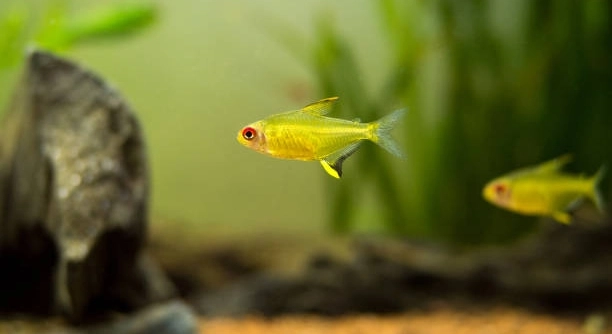
Lemon tetras are small, active fish that brighten any aquarium with their vibrant colors. Their behavior often fascinates aquarists, especially when they interact with their environment. Observing how they respond to human gestures can reveal surprising levels of awareness.
Research indicates that lemon tetras are capable of recognizing and responding to simple visual cues. While they may not follow fingers as consistently as larger, more interactive species, repeated exposure can lead to noticeable tracking behavior, demonstrating basic learning abilities.
Exploring their responses helps aquarists better understand their intelligence and daily interactions, offering insights into care and enrichment for these lively fish.
Understanding Lemon Tetra Behavior
Lemon tetras are naturally curious and active swimmers. They spend most of their time exploring the tank, inspecting plants, decorations, and other fish. Observing them closely, I noticed that they often react to movements outside the tank, such as hands approaching the glass. These reactions are subtle at first, usually a slight turn or darting movement. Over time, with consistent exposure, some tetras began to track movements more deliberately. Their eyes follow objects passing near the tank, showing an ability to notice changes in their environment. This behavior suggests that they are capable of learning through repetition. They are social fish, and interactions among tank mates can also influence their attention span. Playing with simple visual cues, like moving a finger along the glass, can reveal their awareness and responsiveness. Consistency, patience, and gentle observation are key when trying to notice these learning behaviors.
Some tetras respond more quickly than others, depending on personality and confidence in the tank environment.
Tracking behavior in lemon tetras develops gradually. Fish first observe new movements cautiously. As they grow familiar with the motion, they begin to anticipate and follow it for short distances. Tank conditions, like lighting and minimal distractions, help maintain focus. Encouraging gentle interaction improves responsiveness. Regular feeding schedules also enhance learning since fish associate movement with positive outcomes. The more consistent the cues, the better the tetras adapt, showing their ability to recognize patterns. Social dynamics influence learning too, as observing peers can trigger interest and imitation. Providing a stable environment and maintaining calm during interactions ensures the fish feel safe. Over weeks, small improvements become noticeable, with some individuals following fingers along the tank more smoothly. These responses demonstrate that lemon tetras, while small, can develop a basic understanding of repeated visual cues.
Techniques to Encourage Following Behavior
Start with slow, predictable movements near the tank glass to gain attention.
Consistency and gentle repetition are essential. Begin by moving a finger slowly along the outside of the tank, allowing the tetras to notice without stress. Rewarding positive responses with feeding or a visible treat strengthens the association between movement and reward. Avoid sudden gestures or tapping, which can frighten the fish and reduce willingness to engage. Observing each fish individually helps determine which respond fastest, as some tetras are naturally more attentive. Changing tank decorations or introducing distractions can reset learned behaviors, so maintain a stable setup during training. Short sessions, repeated daily, are more effective than long periods of interaction. Patience is important; the learning process is gradual, and progress may vary between individuals. Over time, many tetras begin to follow the movement reliably. Consistency, calm interaction, and careful observation are key to developing tracking behavior in lemon tetras.
Observing Finger-Following in Lemon Tetras
Some lemon tetras show immediate interest when a finger moves slowly near the glass. Others need repeated exposure before reacting. Each fish’s response varies depending on confidence, curiosity, and previous interaction with their environment. Tracking begins subtly, often with glances or small turns.
Patience is crucial when encouraging finger-following. I noticed that short, consistent sessions produce better results than long, infrequent ones. The fish need time to associate the movement with a neutral or positive experience. Slowly moving a finger, paired with feeding or treats, reinforces the behavior. Over time, even shy tetras begin to anticipate the movement, turning or swimming in the direction of the finger. It takes days to weeks, but consistent practice yields noticeable tracking.
Environmental factors play a significant role in their responsiveness. Bright, calm tanks encourage focus, while excessive noise or movement can distract them. I observed that fish closer to decorations may be less likely to follow initially, as they feel more secure staying near familiar areas. Group dynamics also matter; some tetras are influenced by the actions of others, following once one fish engages. Ensuring consistent conditions, gentle cues, and careful observation helps maximize the chances of finger-following behavior developing naturally.
Tips for Training Lemon Tetras
Keep sessions brief and consistent to maintain interest.
Start with slow, predictable finger movements near the glass, repeating daily for a few minutes. Avoid tapping or sudden gestures that may startle them. Reward responses with food or visual cues to reinforce learning. Observing individual tendencies helps adjust training pace. Gradually, fish become more confident and consistent in following motions. Maintaining a stable tank environment reduces distractions and encourages engagement. Tracking becomes more reliable when cues are gentle and repeated consistently.
Consistency and observation are key to success. Each fish reacts differently, so noting individual progress helps tailor training. Slow movements prevent stress and allow tetras to associate gestures with positive outcomes. Feeding during sessions strengthens the connection between movement and reward, encouraging repeated engagement. Some fish follow immediately, while others require weeks of exposure to learn. Group behavior also influences learning; observing peers increases participation. Limiting distractions, maintaining calm tank conditions, and repeating sessions daily produce the best results. Over time, finger-following becomes a reliable behavior for most lemon tetras.
Factors Affecting Learning
Lighting and tank setup influence how lemon tetras respond to finger movements. Bright, calm environments encourage attention, while cluttered or dim tanks may reduce engagement. Clear visibility and minimal distractions help fish track gestures more easily and learn faster.
Individual temperament plays a role. Some tetras are naturally more curious and willing to engage, while others may remain cautious. Shy fish need repeated, gentle exposure before they respond. Group dynamics also impact learning, as confident fish can influence others to follow. Understanding these differences allows for tailored approaches and improves overall success in encouraging tracking behavior.
Feeding as Motivation
Using food as a reward reinforces finger-following behavior. Fish associate movement with positive outcomes, strengthening learning.
Common Challenges
Some tetras may not respond immediately, requiring patience. Overly fast movements or tapping can stress fish and hinder progress. Maintaining calm, consistent sessions ensures better results.
FAQ
Can all lemon tetras learn to follow fingers?
Not all lemon tetras respond the same way. Some are naturally curious and will follow movements quickly, while others remain cautious. Personality, previous exposure to interaction, and confidence in the tank all play roles. Patience and repeated gentle exposure help most fish eventually show tracking behavior.
How long does it take for them to start following?
The time varies depending on the individual fish and their environment. Some tetras respond within days, while others may take weeks. Short, consistent sessions are more effective than long, infrequent attempts. Gradual exposure helps fish associate movement with safety or reward, encouraging engagement over time.
What is the best way to get their attention?
Slow, predictable movements work best. Abrupt gestures or tapping on the glass can scare them. Positioning fingers at the edge of the tank and moving gently along the glass allows tetras to notice without feeling threatened. Combining movement with a visible reward increases responsiveness.
Can group dynamics affect learning?
Yes, observing other fish can influence learning. Confident tetras may lead shy ones to follow movements. A single attentive fish often encourages the rest to engage over time. Group interactions provide social cues, making learning more consistent within the school.
Does tank setup impact their ability to learn?
Tank environment matters. Clear visibility, calm water, and minimal distractions improve focus. Overcrowded tanks or excessive decorations may distract fish. Stable lighting and consistent conditions also help tetras notice and track movements more reliably.
Should I use food to encourage finger-following?
Food is an effective motivator. Fish learn to associate movement with a positive outcome, like feeding. Offering small amounts during sessions reinforces the behavior. Avoid overfeeding, and ensure sessions remain short to maintain interest and prevent stress.
Is finger-following stressful for lemon tetras?
When done slowly and gently, it is not stressful. Abrupt movements or tapping can startle fish, so calm, consistent sessions are essential. Observing individual responses ensures each fish remains comfortable and engaged without feeling threatened.
Can finger-following improve their mental stimulation?
Yes, gentle interaction provides enrichment. Tracking movements engages their natural curiosity and encourages focus, which helps reduce boredom. Regular interaction can contribute to overall well-being, promoting active swimming and more confident behavior in the tank.
What if some tetras never follow fingers?
Not all individuals will respond. Shyness, personality, or past experiences can prevent tracking behavior. Accepting this variation is normal. Focus on those that respond, and maintain gentle, consistent sessions. Over time, more fish may join in, but some will remain uninterested.
How often should I practice finger-following sessions?
Short daily sessions work best, usually a few minutes each time. Consistency is more important than duration. Repeated exposure allows fish to associate movements with a neutral or positive experience, gradually strengthening their attention and tracking abilities.
Can distractions outside the tank affect learning?
Yes, excessive movement or noise nearby can reduce focus. Tetras are sensitive to surroundings, so minimizing distractions during sessions ensures better engagement. Calm, quiet periods make finger-following more effective and reduce stress for the fish.
Are younger lemon tetras easier to train than older ones?
Younger fish often adapt more quickly due to curiosity and flexibility in learning. Older tetras can learn too, but may require more patience and slower exposure. Consistency and gentle repetition are key for all ages.
Is it safe to encourage this behavior long-term?
Yes, as long as interactions remain gentle and brief. Consistent, calm sessions provide stimulation without stress. Monitoring each fish’s response ensures that finger-following remains a positive and safe enrichment activity in the tank.
Can other fish species in the same tank follow fingers?
Some species with higher curiosity and interaction levels can respond similarly, though results vary widely. Each species has its own learning capabilities, and some may be less interested or slower to react compared to lemon tetras. Observing individual behavior is essential.
What should I avoid during training?
Avoid tapping, sudden movements, or prolonged sessions that may stress the fish. Overfeeding during training can also lead to health issues. Keep sessions calm, short, and consistent to promote positive engagement and minimize risk.
How do I know if the fish are improving?
Improvement is shown when fish track movements more consistently or follow fingers for longer distances. Gradual progress is normal, and some days may be better than others. Keeping notes or observing patterns helps gauge development accurately.
Does finger-following affect their social behavior?
Gentle interaction does not negatively impact social dynamics. In some cases, confident fish may influence shy ones to engage. Observing reactions ensures that group behavior remains balanced and that all fish feel safe in their environment.
Can this technique help with feeding or care routines?
Yes, finger-following can make feeding times smoother. Fish associate hand movements with food, improving predictability. This behavior can also help monitor individual fish more easily, making care routines less stressful for both the fish and the aquarist.
Is it necessary to use special equipment for training?
No special tools are required. A simple finger or slow hand movement near the tank glass is sufficient. Consistency, gentle cues, and patience are far more important than any equipment when encouraging tracking behavior.
What are realistic expectations for this behavior?
Not all fish will follow perfectly or every time. Some may respond occasionally, while others track consistently. Progress can be gradual, and variability is normal. Maintaining gentle, patient, and consistent sessions sets realistic goals for observing finger-following behavior in lemon tetras.
Final Thoughts
Observing lemon tetras and their behavior can be surprisingly rewarding. These small, active fish often seem simple at first glance, but their responses to visual cues reveal more intelligence than expected. Finger-following is one of the ways to notice their awareness and curiosity. Some tetras respond quickly, while others take more time, but repeated gentle interaction shows that they are capable of learning basic patterns. The process requires patience and careful observation, as each fish reacts differently depending on personality, environment, and confidence levels. Maintaining a calm, stable tank environment helps the fish feel secure, making them more willing to engage with movements near the glass. Short, consistent sessions are generally more effective than longer, occasional attempts. Gradual exposure allows fish to associate gestures with neutral or positive experiences without causing stress. Over time, small improvements become noticeable, showing that lemon tetras can track and respond to simple visual cues in their surroundings.
Using food as a reward can enhance the learning process. Fish quickly link hand or finger movements with feeding opportunities, making the experience both stimulating and positive. It is important to avoid overfeeding, as excessive treats can impact health. Sessions should remain short and consistent, focusing on gentle, predictable movements. Environmental factors, such as lighting, tank layout, and minimal distractions, contribute significantly to the fish’s attention span and engagement. Group dynamics also matter, as confident individuals may encourage shy fish to participate. Observing these interactions can be fascinating and offers insight into their social structure and learning abilities. Progress may vary between individuals, but even minor responses indicate awareness and adaptability. This behavior provides both mental stimulation for the fish and a deeper understanding of their habits for the aquarist, making finger-following an enriching experience for both sides.
It is important to set realistic expectations. Not all lemon tetras will respond consistently or follow fingers perfectly, and some may never fully engage. Shyness, temperament, and prior experiences influence how readily they learn. Accepting this variation is part of understanding the species. Consistency, patience, and gentle handling are essential in encouraging tracking behavior while keeping the fish comfortable. Finger-following offers more than entertainment; it provides a way to observe curiosity, intelligence, and social behavior in a subtle, natural way. By maintaining calm and predictable sessions, aquarists can foster enrichment that promotes confidence and activity among the fish. Over time, these interactions highlight the capabilities of lemon tetras, showing that even small fish can demonstrate learning and responsiveness when provided with care, consistency, and thoughtful engagement.

Hello,
If you enjoy the content that we create, please consider saying a "Thank You!" by leaving a tip.
Every little bit helps us continue crafting quality advice that supports the health, happiness, and well-being of pets around the world, for pets of all shapes, sizes, and species.
We really appreciate the kindness and support that you show us!