
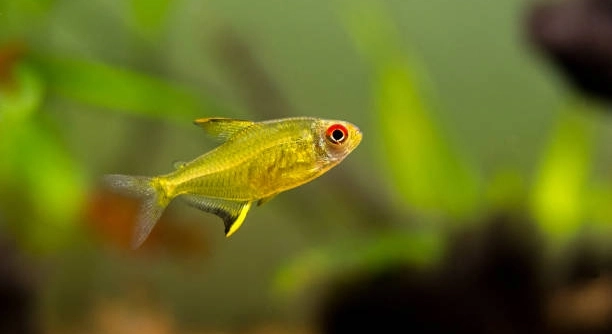
Do your lemon tetras keep returning to the same corner of the tank, no matter how much space they have to swim? Observing them can be both amusing and puzzling, as this behavior seems oddly deliberate.
Lemon tetras often focus on one spot due to territorial instincts, environmental cues, and comfort zones. This behavior allows them to establish security, monitor surroundings, and interact with preferred areas in their habitat, promoting stability and reduced stress.
Understanding why this behavior occurs can improve tank design, social harmony among fish, and overall health. Paying attention to their preferred spots provides insight into their natural instincts and needs.
Why Lemon Tetras Pick a Favorite Spot
Lemon tetras often choose a single spot in the tank where they feel safest. This area usually has good lighting, shelter, or proximity to other fish they prefer. Observing them, I noticed they repeatedly return to corners with plants or decorations. The position provides a sense of security and a clear view of their surroundings, helping them stay aware of any changes or potential threats. Sometimes they cluster there to interact with one another while remaining protected. The behavior can also relate to temperature variations or gentle water currents that make certain areas more comfortable. Over time, they memorize this space and stick to it, even if the tank layout changes slightly. Recognizing these patterns can help in tank planning. Providing multiple similar spots reduces stress and allows them freedom without losing the sense of safety.
This habit shows their instinct for stability and comfort, rather than randomness in swimming.
Offering plants, rocks, and soft lighting in multiple areas can encourage movement while respecting their need for security. It also prevents overcrowding and keeps the tank balanced.
How Environment Shapes Their Behavior
Tank conditions greatly affect lemon tetra behavior. Factors like water temperature, pH, and decoration layout guide where they feel comfortable. Even minor changes can shift their preferred locations. Observing these patterns has helped me understand their reactions.
Adjusting water flow, adding hiding spots, and ensuring gentle lighting can create multiple appealing areas. This encourages natural exploration while respecting their tendencies. Tetras often return to spots that provide both security and interaction opportunities. Overcrowding or stark, empty spaces can increase stress and reduce activity, so a well-planned environment is essential. I noticed that introducing new decorations gradually helps them adjust without disrupting their chosen spot entirely. They also respond to plant density and water clarity, which mimic their natural habitats. Recreating these conditions promotes calmer and healthier fish. Understanding these factors helps maintain balance, as they rely on both environmental stability and social dynamics to thrive. When the right conditions are provided, lemon tetras explore more, interact freely, and maintain regular feeding and swimming patterns, demonstrating that comfort in their environment strongly influences behavior.
Social Dynamics and Spot Preference
Lemon tetras often pick one spot based on social hierarchy. Dominant fish claim prime areas, while others settle nearby. This behavior helps reduce conflicts and maintain group cohesion within the tank. Observing their interactions can show which fish are more confident or cautious.
Fish establish a routine around their favorite spot, often returning at the same time each day. This behavior reflects both comfort and social positioning. Fish that occupy central areas tend to have easier access to food and better visibility. Others adapt by choosing slightly less exposed spaces. Over time, these choices create a subtle order in the tank. Watching these patterns helped me understand which fish were more assertive and which preferred quieter spaces. The consistency of their location is a form of social regulation, ensuring stability and reducing unnecessary stress.
Interaction with neighbors also affects spot selection. Fish often balance comfort with social engagement, occasionally moving if another fish encroaches. Monitoring these adjustments helps in maintaining a peaceful tank and encourages natural behavior, while giving insight into individual temperaments and group dynamics.
Feeding Habits and Preferred Locations
Lemon tetras often return to one spot during feeding times. This area usually offers easy access to floating food or safer proximity to hiding places while they eat. They quickly learn which spots are most convenient.
Feeding behavior reinforces their attachment to a specific location. Over time, fish may associate a certain corner with food, making it a habitual spot. In my tank, I noticed fish gathering near floating plants where flakes accumulate naturally. This tendency reduces competition and allows slower or shy fish to eat comfortably. Locations near decorations also provide cover during feeding, lowering stress levels. The association between a feeding area and safety becomes strong, making the spot even more attractive over time. Adjusting feeding routines or distributing food across multiple locations can encourage movement, but many tetras will still favor familiar zones. Recognizing these patterns helps manage feeding efficiency and tank harmony.
Some fish may temporarily move to other areas if food is scarce or another fish dominates the usual spot. Tracking these shifts provides insight into their social and survival instincts. Observing these tendencies helps maintain consistent feeding and reduces tension in the tank.
Light and Temperature Preferences
Lemon tetras often choose spots with moderate lighting. Bright areas can make them nervous, while dark corners feel safer. They instinctively find the balance that keeps them comfortable and alert.
Temperature variations also influence their preferred location. Slightly warmer areas are more inviting, promoting activity and feeding.
Plant Coverage and Hiding Spots
Dense plant coverage or decorations provide security and reduce stress. Fish naturally gravitate toward areas where they can hide if needed. In my tank, lemon tetras consistently returned to spots with tall plants or rock formations. These areas offer safety from sudden movements, reflections, or tank disturbances. Cover allows shy or less dominant fish to stay close to the group while avoiding confrontation. Over time, they memorize these zones and establish them as their routine resting or feeding spots. Ensuring multiple sheltered locations helps all fish feel secure, encouraging natural behavior and reducing aggression.
Routine and Memory
Lemon tetras remember familiar spots and often return to the same location daily. Their memory helps them navigate the tank efficiently.
FAQ
Why do lemon tetras always stay in one corner of the tank?
Lemon tetras pick a specific corner because it provides a sense of security and stability. They prefer areas with shelter, moderate lighting, and gentle water flow. Returning to the same spot helps them feel safe while observing the rest of the tank. In my experience, corners near plants or decorations are especially favored because they combine cover with a clear view of other fish. This habit is not random but an instinctive choice for comfort and routine.
Will my lemon tetras fight over their favorite spot?
Conflicts can happen if multiple fish want the same location, but generally, they establish social hierarchies. Dominant fish occupy the prime spots while others adapt by choosing nearby areas. Providing multiple hiding spots and similar comfort zones reduces tension. Over time, each fish finds a space it feels secure in without constant confrontation. I’ve noticed that rearranging plants slightly helps spread the group and prevents persistent disputes over a single spot.
Does the tank setup affect their spot preference?
Yes, the layout strongly influences where lemon tetras spend time. Plants, rocks, and decorations create areas of cover, reducing stress. Water flow and temperature also play a role, as fish move to spots that feel comfortable. I observed that even subtle changes in lighting or decoration placement can shift their preferred corner. Maintaining consistent environmental conditions while offering multiple appealing areas encourages them to explore while respecting their natural instincts.
Can spot preference affect feeding habits?
Absolutely. Lemon tetras often return to familiar spots during feeding because they associate these areas with food. This behavior ensures they can eat safely without competition. In my tank, fish naturally gathered near floating plants or shaded areas where flakes settled. Providing food evenly across the tank helps distribute activity, but they will often return to their favorite zones, showing how feeding habits reinforce comfort and routine.
Do they ever change their favorite spot?
Yes, spot preference can change with environmental shifts or social dynamics. Introducing new decorations, plants, or adjusting water flow can encourage them to explore other areas. Shifts in tank hierarchy may also cause less dominant fish to pick new spots. I found that gradual changes allow them to adapt without stress, while sudden rearrangements can temporarily disrupt their routine. Watching these adjustments provides insight into both their flexibility and instincts.
Is spot obsession linked to stress?
Not necessarily. Choosing one spot is often a comfort behavior rather than a sign of stress. However, if the area is overcrowded, poorly lit, or lacks hiding places, stress can increase. I noticed fish became skittish when their preferred zone was exposed or altered abruptly. Providing multiple comfortable areas helps them feel secure, reducing any potential stress related to territory or social pressures.
Do all lemon tetras behave this way?
Most lemon tetras display this behavior, but individual temperament matters. Some fish are more exploratory, while others are naturally cautious and cling to one spot. In my experience, even active fish occasionally settle in familiar areas when feeding or resting. Recognizing these differences helps in planning the tank layout and ensuring that each fish has a secure zone suited to its personality.
How can I encourage movement without causing stress?
Adding decorations, plants, and gentle currents in multiple areas can motivate exploration. Gradual changes are key. I noticed fish respond well when new plants or floating objects are added slowly, allowing them to investigate without abandoning comfort zones. Multiple sheltered spots give shy fish options, reducing the risk of aggression or stress. Balancing security with gentle encouragement keeps the group active while maintaining a calm environment.
Can this behavior affect breeding?
Yes, spot preference can influence spawning. Lemon tetras often choose sheltered, stable areas for laying eggs. Providing dense plants or moss in their favorite corners supports natural breeding habits. Observing where they gather can indicate readiness to spawn. I’ve seen that fish tend to return consistently to these areas during reproductive periods, highlighting the link between comfort, routine, and breeding success.
What should I do if one spot becomes too crowded?
Create alternative areas with similar cover, lighting, and comfort. Fish will naturally redistribute when other appealing zones are available. I often add small plant clusters or rocks near the crowded corner, which encourages movement without stress. Monitoring interactions ensures that dominant fish do not monopolize multiple spots, keeping social balance intact. Multiple options reduce tension and maintain overall tank harmony, while allowing all fish to enjoy safe resting and feeding areas.
This FAQ covers common behaviors and concerns, showing that spot obsession is largely instinctive, shaped by environment, social hierarchy, and comfort. Observing and adjusting the tank thoughtfully keeps lemon tetras healthy and content.
Lemon tetras are small, active fish that display surprisingly consistent habits. One of the most noticeable behaviors is their preference for a particular spot in the tank. Observing this habit over time shows that it is rarely random. Fish often choose a spot that offers comfort, safety, and visibility. Corners near plants, decorations, or areas with gentle water flow are particularly attractive to them. They return to these locations repeatedly because the spots provide a sense of security. This repeated behavior is part of their natural instincts, helping them monitor their surroundings while remaining protected. Recognizing and respecting these preferences can improve their overall well-being, as fish feel safer and more confident when they have familiar areas in their environment.
Spot preference is influenced by several key factors, including social dynamics, feeding routines, and environmental conditions. Dominant fish often claim the most desirable locations, while less assertive individuals adapt by choosing nearby areas. This creates a subtle social order in the tank that reduces conflict and maintains group stability. Feeding habits also reinforce favorite spots, as fish quickly associate certain areas with food availability. Environmental conditions such as lighting, temperature, and coverage play an important role as well. Fish gravitate toward areas where light is gentle, water is comfortable, and they can hide when needed. Over time, these factors combine to form strong attachments to specific locations. Observing these patterns provides insight into the fish’s instincts and personality, allowing aquarists to create a healthier and more balanced tank environment.
Understanding why lemon tetras focus on one spot allows for practical adjustments in tank design and care. Providing multiple areas with similar shelter, lighting, and feeding opportunities encourages movement while maintaining security. Gradual changes to tank decorations, plants, or water flow can help fish explore new areas without causing stress. Monitoring their behavior also helps identify individual differences, as some tetras are naturally more cautious while others are curious and active. By paying attention to these habits, tank owners can support the natural instincts of their fish, improve social interactions, and ensure consistent access to food and shelter. Overall, the preference for a particular spot is a normal and healthy behavior that reflects comfort, routine, and instinct. A well-planned tank that respects these tendencies results in calmer, healthier fish that thrive in their environment.

Hello,
If you enjoy the content that we create, please consider saying a "Thank You!" by leaving a tip.
Every little bit helps us continue crafting quality advice that supports the health, happiness, and well-being of pets around the world, for pets of all shapes, sizes, and species.
We really appreciate the kindness and support that you show us!