
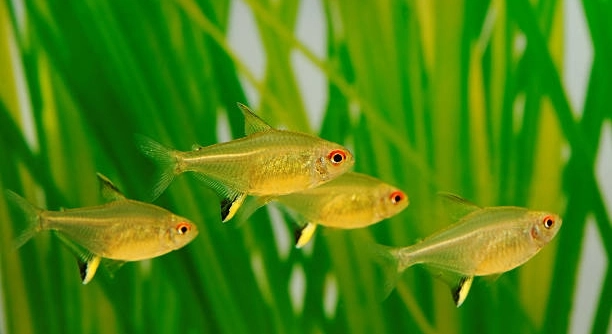
Have you ever set up a small aquarium and thought about breeding your Lemon Tetra successfully? These bright, cheerful fish are popular for home aquariums and require careful attention to their environment for optimal breeding.
Breeding Lemon Tetras requires specific conditions including slightly acidic water, stable temperature between 75-80°F, subdued lighting, sufficient vegetation for spawning, a nutrient-rich diet, gentle water flow, and minimal stress from tankmates. Meeting these factors promotes successful reproduction.
Achieving the right setup for your Lemon Tetras ensures a healthier, more active group of fish. Following these key conditions can make breeding a smoother process.
Water Conditions for Breeding Lemon Tetras
Maintaining the right water conditions is crucial for Lemon Tetra breeding. These fish thrive in slightly acidic water with a pH between 5.5 and 6.5. The water should be soft, ideally with a hardness below 10 dGH. Regular water changes help prevent harmful buildups and maintain chemical stability. Temperature plays an important role; keeping the aquarium between 75 and 80°F creates an environment suitable for spawning. Avoid sudden fluctuations in water parameters, as these can stress the fish and reduce breeding success. Gentle filtration and low water flow are preferable, mimicking their natural habitat and ensuring eggs and fry are not disturbed. Using dechlorinated water is essential to avoid damage to delicate eggs. Observing water clarity and cleanliness consistently promotes a healthier tank, giving your Lemon Tetras the best chance to reproduce successfully.
Consistently stable water parameters increase the likelihood of successful breeding and healthier fry. Monitoring daily helps maintain these ideal conditions.
Setting up the right water conditions requires patience. Adjusting pH, temperature, and hardness should be gradual to prevent stress. Introducing soft-leafed plants gives a natural spawning ground, while keeping lighting subdued encourages natural behaviors. Maintaining a calm environment ensures that fish are comfortable and more likely to breed. With careful attention, your Lemon Tetras can spawn regularly, producing healthy fry ready to grow in a well-maintained tank.
Diet and Nutrition
A balanced diet supports reproductive health and encourages spawning.
Feeding Lemon Tetras high-quality flakes, frozen, and live foods like brine shrimp or daphnia provides necessary proteins and nutrients, boosting energy levels and fertility.
To improve breeding success, offer a varied diet over several weeks before spawning. High-protein foods stimulate egg production in females and increase vitality in males, making them more active in courtship behaviors. Feeding smaller portions multiple times a day prevents overfeeding and maintains water quality. Supplementing with live foods not only enhances nutrition but also encourages natural hunting behaviors, which can trigger spawning instincts. Pairing proper nutrition with the right tank setup, including plants and calm water, creates an environment where Lemon Tetras are ready to reproduce. Regular observation of feeding habits allows adjustments to ensure all fish are receiving adequate nutrition without compromising tank conditions.
Lighting and Tank Setup
Subdued lighting reduces stress and simulates natural conditions, which helps Lemon Tetras feel secure. Dense plants, moss, and spawning mops provide surfaces for egg laying and hiding places for fry. Open swimming areas should remain accessible.
Carefully arranging plants and decorations in the tank encourages natural behaviors. Floating plants soften light and create shaded areas, helping fish feel more comfortable. Providing a mix of tall plants, low foliage, and fine-leaved greenery allows females to lay eggs safely, while fry find shelter after hatching. Maintaining open spaces ensures fish can swim freely without obstruction, reducing aggression and stress. Adjusting lighting gradually can mimic dawn and dusk cycles, promoting consistent activity and natural breeding patterns.
Soft substrate helps prevent eggs from being damaged and reduces stress during spawning. Positioning plants near calm areas of the tank protects delicate eggs and allows parents to interact naturally. Regular observation ensures the setup meets both adult and fry needs, balancing hiding spots with swimming space to maintain an ideal environment for reproduction and healthy growth.
Tankmates and Stress Management
Choosing compatible tankmates is essential to prevent stress during breeding. Lemon Tetras breed best with peaceful species that do not disturb eggs or fry.
Keeping aggressive or large fish out of the breeding tank reduces risks to eggs and fry. Stress from competition or predation can halt spawning entirely. Even minor disturbances, such as sudden movements or loud vibrations near the aquarium, may inhibit reproductive behavior. Ensuring a calm, quiet environment encourages natural interactions between males and females. Maintaining proper population density allows fish to establish territories without conflict, further reducing stress.
Observation is key to managing stress in a breeding setup. Adjusting tankmate numbers, removing overly active species, and limiting sudden environmental changes all help create a stable environment. Providing hiding spots and sufficient space minimizes conflict, while regular feeding prevents competition over food. Monitoring behavior closely allows early detection of stress signs, ensuring timely intervention. With careful management, Lemon Tetras can breed successfully in a calm, controlled environment.
Spawning Triggers
Slightly cooler water changes can trigger Lemon Tetras to spawn by simulating seasonal rain. Gradually adjusting temperature and maintaining consistent water chemistry encourages natural breeding instincts.
Providing fine-leaved plants or spawning mops allows eggs to attach safely. Removing parents after spawning prevents accidental consumption of eggs and increases fry survival rates.
Egg Care
Fertilized eggs hatch within 24 to 36 hours under stable conditions. Removing adults after laying reduces the risk of predation.
Keeping water clean and free from strong currents ensures delicate eggs remain intact. Gentle aeration and low lighting improve survival rates. Regular observation allows timely removal of unfertilized or fungus-infected eggs, preserving healthy development.
Fry Rearing
Once hatched, fry require infusoria or liquid fry food for the first few days. Gradually introducing newly hatched brine shrimp promotes growth.
Feeding small portions multiple times daily maintains water quality and provides consistent nutrition. Monitoring fry health closely ensures weak individuals are identified early, and adjustments can be made to support growth and reduce mortality.
FAQ
What is the best water temperature for breeding Lemon Tetras?
The ideal temperature range for breeding Lemon Tetras is between 75 and 80°F. Keeping the water stable within this range ensures eggs develop properly and reduces stress for both adults and fry. Sudden changes in temperature can halt spawning and harm delicate eggs.
How acidic should the water be for successful breeding?
Lemon Tetras thrive in slightly acidic water, with a pH between 5.5 and 6.5. Soft water below 10 dGH is preferred. Regular testing helps maintain these parameters, as consistent water chemistry supports natural spawning behavior and healthy fry development.
Do I need a separate breeding tank?
A separate breeding tank is highly recommended. It protects eggs and fry from adult fish that may eat them. Using a small, quiet tank with plants or spawning mops increases the chances of successful reproduction and fry survival.
What kind of diet encourages spawning?
High-protein foods like live or frozen brine shrimp, daphnia, and quality flakes stimulate reproductive activity. Feeding multiple small portions daily ensures fish are well-nourished without fouling the water. A varied diet over two to three weeks before breeding increases fertility.
How long does it take for Lemon Tetra eggs to hatch?
Fertilized eggs usually hatch within 24 to 36 hours. Temperature and water quality influence development speed. Once hatched, fry are very small and need tiny food such as infusoria or liquid fry food until they are large enough for newly hatched brine shrimp.
Should adults be removed after spawning?
Yes, removing adults immediately after eggs are laid prevents them from eating the eggs. Providing hiding places for eggs or using spawning mops also protects them. Careful removal ensures a higher survival rate for the fry and reduces stress in the breeding tank.
What kind of plants or decorations help with spawning?
Fine-leaved plants, moss, and spawning mops provide surfaces for eggs to attach and give fry hiding spaces. Floating plants soften light and create shaded areas. Open swimming spaces should be maintained to prevent aggression and allow adults to display natural behaviors.
How often should I feed fry?
Fry should be fed small amounts multiple times a day. Infusoria or liquid fry food is ideal at first, followed by newly hatched brine shrimp as they grow. Regular feeding ensures steady growth and reduces competition that can stress young fish.
Can Lemon Tetras breed under bright lighting?
Bright lighting can stress fish and inhibit spawning. Subdued or diffused lighting is preferable, mimicking natural shaded habitats. Floating plants can soften the light while maintaining visibility, creating a comfortable environment that encourages breeding.
How do I know if the eggs are healthy?
Healthy eggs appear translucent or slightly yellowish and remain attached to plants or spawning mops. Unfertilized or fungus-infected eggs turn white or opaque and should be removed promptly to prevent contamination of healthy eggs. Regular observation ensures proper development and increases fry survival.
What water changes are recommended during breeding?
Small, frequent water changes with slightly cooler, dechlorinated water can trigger spawning. Gradual adjustments prevent stress while maintaining stability in pH, hardness, and temperature. Keeping the water clean helps prevent fungus and increases the chances of fry survival.
How can I reduce stress during breeding?
Minimize disturbances by keeping the tank in a quiet area and avoiding sudden movements or loud noises. Choose peaceful tankmates or use a separate breeding tank. Providing hiding spaces and maintaining stable water conditions ensures adults and fry remain comfortable.
How long until fry can join the main tank?
Fry can be introduced to the main tank after growing large enough to avoid being eaten, usually after four to six weeks. By then, they are strong swimmers and better able to compete for food, reducing mortality risk in a community environment.
Can I breed Lemon Tetras in tap water?
Tap water can be used if properly treated. Chlorine and chloramine must be removed, and hardness and pH adjusted. Testing and adjusting parameters ensures the water mimics their natural soft, slightly acidic habitat, promoting successful breeding and healthy fry development.
Do water flow and filtration affect breeding?
Gentle filtration is essential to keep water clean without disturbing eggs or fry. Strong currents can dislodge eggs and harm fry. Positioning filters to create mild flow while avoiding direct streams in spawning areas helps maintain a safe and stable environment.
Breeding Lemon Tetras requires careful attention to a variety of factors, and achieving the right conditions is essential for success. These fish are sensitive to their environment, so maintaining stable water parameters, including temperature, pH, and hardness, is the first step. Slightly acidic water, soft hardness, and consistent warmth between 75 and 80°F provide an ideal habitat for spawning. Gradual water changes can help trigger breeding while keeping chemical levels steady. Using dechlorinated water and gentle filtration prevents stress on both adults and developing eggs. Observing water clarity and cleanliness regularly ensures a healthier tank and reduces risks from fungus or bacteria that can harm eggs and fry.
The physical setup of the tank also plays a significant role in successful breeding. Subdued lighting, floating plants, moss, and fine-leaved decorations create a comfortable and natural environment. These elements provide surfaces for eggs to attach and hiding places for fry after hatching. At the same time, open swimming areas allow adult fish to display natural behaviors without obstruction. Providing the right balance between shelter and open space helps reduce stress and aggression in the tank. Feeding a varied, high-protein diet to adults over several weeks before breeding encourages egg production and healthy reproductive behavior. Using live or frozen foods like brine shrimp and daphnia gives the fish the energy they need, while smaller portions multiple times a day prevent water quality issues that can interfere with spawning.
Careful management of tankmates, fry care, and stress reduction is also necessary for consistent success. Lemon Tetras do best in peaceful environments with minimal threats to eggs or fry. Removing adults after spawning prevents them from eating eggs, while careful feeding of fry with infusoria, liquid fry food, and later newly hatched brine shrimp promotes healthy growth. Maintaining gentle water flow, low lighting, and a calm environment ensures that both adults and fry can thrive. Regular observation allows timely adjustments, such as removing unhealthy eggs or adjusting food amounts, which improves survival rates. By combining proper water conditions, tank setup, nutrition, and stress management, breeding Lemon Tetras can be a manageable and rewarding experience, leading to healthy, active fry and a thriving aquarium population.

Hello,
If you enjoy the content that we create, please consider saying a "Thank You!" by leaving a tip.
Every little bit helps us continue crafting quality advice that supports the health, happiness, and well-being of pets around the world, for pets of all shapes, sizes, and species.
We really appreciate the kindness and support that you show us!