
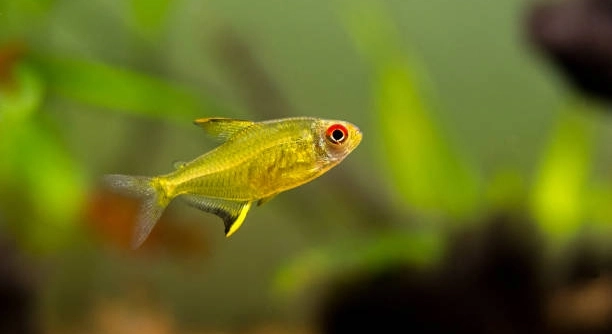
Lemon tetras are small, lively fish that thrive in well-planted, natural environments. Creating a tank that mirrors their natural habitat can improve their health, reduce stress, and bring a sense of calm to your aquarium space.
To make a lemon tetra tank more natural, focus on incorporating live plants, gentle water flow, and subtle decorations such as driftwood and smooth stones. These elements replicate their native environment, promoting natural behaviors and supporting overall well-being.
Achieving a balanced and natural setup enhances both the visual appeal and the quality of life for your fish. Learning the right steps will make your tank feel more like a natural home.
Choosing the Right Plants
Selecting plants for your lemon tetra tank is essential for creating a natural environment. Hardy species like Java fern, Anubias, and Amazon sword are ideal because they tolerate varying water conditions and low light. Floating plants such as duckweed or frogbit provide shaded areas, mimicking the natural river habitats where lemon tetras live. Plants also help absorb excess nutrients, reducing algae growth and maintaining cleaner water. Arranging plants in clusters and varying heights gives fish places to hide and explore. Including dense foliage near the back and sides while leaving open swimming areas in the center allows lemon tetras to feel secure without restricting movement. It is important to ensure that plants do not overcrowd the tank, as proper water circulation and oxygen levels are critical. Regular trimming and maintenance prevent decay, which could otherwise affect water quality and the health of your fish. Overall, plants serve both aesthetic and functional purposes in a natural tank setup.
Plants not only add beauty but also create safe hiding spaces and natural shade, making your fish feel comfortable.
A well-planted tank encourages natural behaviors. Lemon tetras will explore, hide, and school more confidently when plants mimic their natural habitat. Proper plant choice and placement reduce stress, support healthier water conditions, and create a visually balanced aquarium. Observing your tetras interact with the plants can be rewarding and gives a clear indication that the tank environment suits their needs. Over time, the plants grow and develop a lush, dynamic environment that evolves with the fish. Maintaining plant health requires consistent care, such as monitoring light, trimming overgrowth, and adding nutrients when necessary. Even simple decorations like rocks or driftwood can complement plants, providing structure while keeping the tank natural. Balancing open swimming areas with planted sections ensures your lemon tetras can swim freely while benefiting from cover. Every element added contributes to a stable, low-stress habitat, promoting longevity and well-being for your fish.
Using Natural Decorations
Adding natural decorations like driftwood and smooth stones creates a realistic environment. They provide hiding spots and define swimming areas, making fish feel secure.
Driftwood slowly releases tannins into the water, slightly lowering pH and softening water, which suits lemon tetras. Smooth stones and pebbles mimic riverbeds, enhancing the natural look. Arranging decorations in small groups or along the tank edges creates visual interest and shelter without cluttering the central swimming space. Leaf litter can be added for extra cover and to encourage natural foraging behavior. Decorations should be cleaned and inspected regularly to avoid sharp edges or unwanted buildup that could harm fish or water quality. By choosing natural, safe materials, you replicate the fish’s native environment and support their natural behaviors. Combining plants and decorations strategically helps maintain a harmonious balance between aesthetics and function in the tank. A thoughtful arrangement also ensures water flow is not blocked, which is crucial for oxygen distribution and filtration efficiency. Ultimately, decorations are not just for looks—they directly impact fish comfort and health.
Maintaining Water Quality
Consistent water quality is essential for a natural tank. Regular water changes, proper filtration, and monitoring parameters like pH, ammonia, and nitrate keep lemon tetras healthy and stress-free.
Keeping the water clean involves replacing 20-30% weekly while avoiding sudden changes in temperature or chemistry. Using a reliable filter ensures debris and waste are removed efficiently, while testing kits help track water parameters. Stable conditions prevent disease and support both plants and fish, allowing natural behaviors to flourish. It’s important to condition tap water to remove chlorine and chloramines before adding it to the tank. Additionally, observing the fish daily for signs of stress or illness helps identify problems early. A clean, stable environment is the foundation of a natural, thriving aquarium.
Temperature and lighting also affect water quality. Maintaining a consistent 74-80°F and providing 8-10 hours of light per day supports plant growth, prevents algae overgrowth, and keeps lemon tetras active. A well-managed tank feels alive and balanced, reflecting a miniature ecosystem where fish and plants coexist naturally. Regular maintenance creates stability, reduces stress, and allows you to enjoy observing healthy, active fish.
Encouraging Natural Behavior
Adding plants, decorations, and proper water conditions encourages schooling, hiding, and foraging behaviors in lemon tetras.
Providing areas of cover and open swimming space allows tetras to interact as they would in the wild. Dense plant clusters and driftwood sections give them hiding spots when threatened, while open midsections let them school freely. Feeding a varied diet of flake, frozen, or live food stimulates natural hunting and exploration instincts. Observing their movements and interactions indicates whether the tank environment meets their needs. Balanced lighting and gentle water flow also influence behavior, making the tank feel more natural. Consistent conditions reduce stress, leading to more active, vibrant fish. By arranging the tank thoughtfully, you can promote behaviors that improve both health and visual appeal.
Lighting and Ambience
Soft, natural lighting enhances the tank’s appearance and supports plant growth. Avoid overly bright or harsh lights, as lemon tetras prefer gentle illumination that mimics their natural habitat. Proper lighting also highlights the fish’s colors and reduces stress.
Using a timer ensures consistent day and night cycles. This stability helps maintain healthy fish and plants, preventing algae overgrowth and promoting natural behavior patterns.
Substrate Selection
Choosing the right substrate affects both plant health and fish comfort. Fine gravel or sand is ideal because it allows plant roots to anchor and fish to explore safely. Avoid sharp or coarse materials that could injure delicate tetras.
A natural-colored substrate, such as brown or tan, enhances the overall look of the tank while providing a realistic riverbed effect. Substrate depth should be sufficient for planting, generally 2-3 inches, to allow root growth and stability. Layering with nutrient-rich soil beneath can further support plant development. This simple choice impacts water chemistry, ease of cleaning, and the general balance of the aquarium ecosystem. A well-chosen substrate completes the natural appearance of the tank.
Feeding Practices
Feeding small amounts multiple times a day encourages natural foraging behavior and prevents overfeeding. Providing variety supports health and growth.
FAQ
How often should I change the water in my lemon tetra tank?
Water should be changed regularly to maintain stability and cleanliness. Typically, replacing 20-30% of the water weekly is sufficient. Avoid sudden changes in temperature or chemistry, as lemon tetras are sensitive. Using a water conditioner removes chlorine and chloramines from tap water, keeping the environment safe. Consistent maintenance reduces waste buildup, keeps plants healthy, and prevents stress-related illnesses. Observing your fish during water changes helps identify any unusual behavior early, ensuring prompt action. A stable water routine supports a thriving, natural-looking tank.
What plants are best for a natural lemon tetra tank?
Hardy, low-light plants are ideal. Java fern, Anubias, and Amazon sword work well, along with floating plants like duckweed or frogbit. Planting in clusters and varying heights provides cover, creates shaded areas, and encourages natural exploration. Regular trimming prevents decay and maintains water quality. Plants improve aesthetics while supporting fish health and stress reduction. Including dense foliage near the back and sides with open swimming areas in the center allows tetras to feel secure and swim freely. Leaf litter can be added for additional cover, helping mimic their native river habitats.
Can I keep other fish with lemon tetras?
Yes, but compatibility is important. Peaceful species of similar size, like other small tetras, rasboras, or corydoras catfish, are recommended. Avoid aggressive or much larger fish that may bully or eat your tetras. Keeping a group of at least six lemon tetras promotes schooling behavior and reduces stress. Observing interactions between species is crucial, as even compatible fish can show aggression under certain conditions. Providing ample plants, decorations, and open swimming space helps reduce territorial conflicts. A well-planned community tank enhances the natural atmosphere while ensuring the safety and comfort of all inhabitants.
How should I feed lemon tetras?
Offer small amounts 2-3 times daily rather than a large single feeding. Provide a varied diet of flake, frozen, or live food to support health and encourage natural foraging. Removing uneaten food prevents water contamination. Watching your tetras during feeding lets you assess activity and appetite. Feeding promotes color vibrancy, energy, and overall well-being. Offering occasional live or frozen food stimulates hunting behavior, keeping their instincts active. Balanced nutrition supports immunity, reduces stress, and complements the natural environment created with plants, decorations, and proper water conditions.
What temperature and lighting are best?
Maintain water between 74-80°F to match natural conditions. Soft, natural lighting works best for plants and fish, avoiding overly bright or harsh lights. Using a timer ensures consistent day and night cycles. Proper lighting enhances fish coloration, supports plant growth, and keeps algae under control. Stability in temperature and light reduces stress and encourages natural behavior. Observing fish activity helps fine-tune the environment, ensuring plants flourish and fish remain active. Balanced lighting and temperature contribute to a harmonious, natural tank environment.
How do I encourage natural behavior in lemon tetras?
Providing plants, decorations, and gentle water flow encourages schooling, hiding, and foraging. Dense plant clusters, driftwood, and smooth stones offer shelter, while open mid-tank areas allow swimming freely. A varied diet stimulates hunting instincts. Consistent lighting and stable water conditions further support natural behaviors. Observing interactions and movements indicates whether the tank environment meets their needs. Encouraging these behaviors improves overall health and creates a more visually appealing, natural-looking tank. Thoughtful design and routine care make the tetras feel secure and active.
How do I prevent algae in a natural tank?
Algae can be controlled through proper lighting, maintaining clean water, and avoiding overfeeding. Floating plants and dense foliage provide shade, reducing light for algae growth. Regular water changes and proper filtration remove excess nutrients. Balancing light duration with plant needs prevents algae from overtaking the tank. Avoid adding untreated water or overfertilizing plants. Observing the tank helps catch early signs of algae before it spreads. A healthy, natural tank supports plants, fish, and microorganisms in harmony, minimizing algae issues without harsh chemicals.
Is driftwood necessary in a lemon tetra tank?
Driftwood is highly beneficial but not strictly necessary. It releases tannins that slightly soften water and lower pH, matching natural conditions. It provides shelter and resting areas while enhancing the tank’s appearance. Even without driftwood, plants and smooth stones can create hiding spaces and natural structure. Including driftwood adds both function and aesthetic appeal, promoting comfort and natural behaviors in your tetras. Regular cleaning prevents debris buildup, keeping the tank safe and stable.
How can I monitor fish health effectively?
Daily observation is key. Look for changes in swimming patterns, appetite, color, or interaction with other fish. Regularly test water parameters for ammonia, nitrite, nitrate, and pH. Healthy plants, clean substrate, and proper feeding routines also indicate a balanced tank. Early detection of issues allows prompt corrective measures, preventing disease spread. Keeping notes on behavior and water conditions helps track long-term health trends. Consistent care ensures a natural, thriving environment and supports the well-being of all tank inhabitants.
How do I maintain a balanced ecosystem in the tank?
Combining proper water changes, healthy plants, natural decorations, varied diet, and compatible fish creates balance. Monitoring parameters and adjusting lighting and temperature ensures stability. Supporting both fish and plant health keeps the system self-sustaining. Observation and routine maintenance prevent problems before they escalate, maintaining a natural, functional aquarium ecosystem.
Final Thoughts
Creating a natural environment for lemon tetras takes some planning, but it is very rewarding. Small details like choosing the right plants, arranging decorations, and maintaining proper water quality make a big difference. Plants such as Java fern, Anubias, and Amazon sword provide hiding spots, shaded areas, and improve water conditions by absorbing nutrients. Floating plants add extra cover while keeping the tank visually appealing. Driftwood and smooth stones create structure and resting places, giving fish a sense of security. Even the substrate, whether sand or fine gravel, contributes to a natural feel and supports plant growth. Paying attention to these elements creates a space where tetras can swim, hide, and explore as they would in the wild. A tank like this not only looks better but also supports healthier and more active fish. Regular maintenance, like trimming plants and cleaning decorations, ensures the environment remains stable and inviting for the fish.
Water quality is a critical part of keeping lemon tetras healthy. Weekly water changes of 20-30% help remove waste and keep the water balanced. Testing parameters like pH, ammonia, and nitrate is necessary to prevent problems before they affect your fish. Using a proper filter and conditioning tap water are simple steps that support stability. Temperature should be kept steady between 74-80°F, and soft lighting should be used to replicate natural conditions. A stable tank reduces stress, encourages natural behavior, and supports the growth of plants. Feeding small amounts of varied food multiple times a day also helps promote healthy growth and natural foraging behavior. Even small adjustments, like adding leaf litter or arranging plants in clusters, can make the tank feel more like a miniature river ecosystem. Over time, these small decisions come together to create a thriving, balanced environment where fish can live comfortably and behave naturally.
Encouraging natural behavior in lemon tetras is another important part of maintaining a natural tank. By providing hiding spots and open swimming areas, fish feel secure and can interact as they would in their native habitat. Grouping tetras in schools helps reduce stress and allows them to display social behaviors. Observing their movements, interactions, and feeding habits can give a clear sense of whether the tank environment meets their needs. A tank that supports natural behaviors also reduces the risk of disease and increases longevity. Keeping algae under control, maintaining plant health, and ensuring gentle water flow all contribute to a balanced, natural system. Thoughtful attention to every detail, from substrate to lighting, creates a harmonious space that benefits both the fish and the overall look of the tank. With consistent care and observation, your lemon tetra tank can become a peaceful, vibrant environment that feels very close to their natural habitat.

Hello,
If you enjoy the content that we create, please consider saying a "Thank You!" by leaving a tip.
Every little bit helps us continue crafting quality advice that supports the health, happiness, and well-being of pets around the world, for pets of all shapes, sizes, and species.
We really appreciate the kindness and support that you show us!