
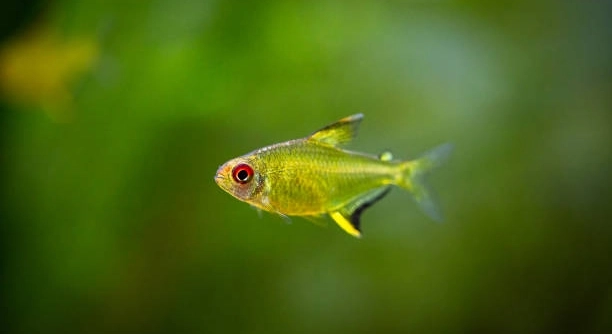
Do your lemon tetras seem less interested in their meals lately? Sudden changes in eating habits can worry any fish owner, especially when these small, vibrant fish are usually lively and eager at feeding time.
A sudden loss of appetite in lemon tetras is often linked to water quality, stress, or illness. Changes in temperature, pH levels, or overcrowding can make them uncomfortable, while internal parasites or infections may directly affect their feeding behavior.
Monitoring their environment and health closely can reveal hidden problems and help restore their usual lively appetite in a safe, effective way.
Common Causes of Appetite Loss in Lemon Tetras
Lemon tetras can stop eating for several reasons, and most are linked to their tank environment. Water quality is often the first factor to check. Even small changes in temperature, pH, or ammonia levels can make these fish stressed and less willing to eat. Stress can also come from overcrowding or introducing new tank mates. Illness is another major factor. Internal parasites, bacterial infections, or fungal growths can reduce appetite quickly. Observing their behavior can provide clues; lethargy, clamped fins, or hiding more than usual often signals a problem. Diet plays a role as well. Offering a variety of foods, including high-quality flakes, frozen, and live options, helps maintain interest in feeding. Sudden changes in food type or brand can sometimes lead to refusal to eat. Keeping a consistent feeding schedule and monitoring water conditions closely will support healthy eating habits for lemon tetras.
Testing water regularly and watching for behavioral changes helps prevent long-term health issues.
Proper tank maintenance is essential. Regular water changes, checking filtration, and avoiding overfeeding help maintain stable water conditions. Healthy tetras need an environment free from sudden fluctuations, strong currents, and aggressive tank mates. Keeping decorations simple and hiding spots available reduces stress. Observing how tetras respond after introducing new foods or changes helps identify problems early. Providing a consistent temperature and stable pH ensures their metabolism functions correctly, which directly affects appetite. If illness is suspected, quarantining affected fish and treating with appropriate medication can prevent further issues. Nutrition and tank care work hand in hand. Feeding varied foods and monitoring overall health ensures lemon tetras regain appetite and thrive. By maintaining a clean, balanced environment and responding quickly to changes, you create a stable space where lemon tetras feel comfortable eating regularly and exhibiting natural behavior.
How to Encourage Eating
Small adjustments can help lemon tetras start eating again. Try offering live or frozen foods, adjusting feeding times, and maintaining consistent water conditions.
Creating a stress-free environment encourages healthy feeding habits. Introduce foods gradually, ensure proper tank temperature, and remove aggressive tank mates. Observing each fish individually helps identify specific needs. Adjust lighting to mimic natural day-night cycles and keep decorations simple to reduce hiding stress. Over time, these measures restore appetite. If appetite does not return, consult a veterinarian or aquatic specialist. Consistency in care and diet is key. By combining careful observation with stable tank conditions, lemon tetras are more likely to regain normal feeding behavior and overall health. Regularly monitoring water parameters and avoiding sudden changes prevents recurring appetite issues, giving your fish a safe and balanced environment to thrive.
Water Quality and Tank Conditions
Regular water changes are crucial for lemon tetras to stay healthy. High ammonia, nitrite, or nitrate levels can stress them and reduce appetite. Keeping the tank clean and maintaining stable temperature and pH supports their natural feeding behavior.
Testing water frequently helps detect issues early. Using a reliable water test kit, check ammonia, nitrite, nitrate, and pH levels at least weekly. Adjust conditions gradually if readings are off, as sudden changes can stress fish further. Filtration should run properly, and partial water changes of 20-25% weekly keep toxins low. Overcrowding worsens water quality, so maintain an appropriate number of fish per tank size. Observing fish behavior during changes can indicate whether they are adjusting well.
Decor and tank layout affect comfort. Provide plants and hiding spots without overcrowding the tank. Avoid sharp or rough decorations that could injure fish. Keep lighting consistent and avoid sudden bright flashes, which may stress them. Adequate swimming space and gentle water flow encourage normal activity and feeding. Regularly remove uneaten food and debris to prevent contamination. Proper tank conditions combined with attentive care improve appetite and overall health, helping lemon tetras thrive in a stable environment.
Illness and Health Issues
Signs of illness often explain appetite loss in lemon tetras. Lethargy, clamped fins, or unusual swimming patterns usually indicate stress or disease. Acting quickly can prevent serious health decline.
Internal parasites, bacterial infections, and fungal growths are common problems. Symptoms can include bloating, white spots, or faded color. Quarantining sick fish and treating with appropriate medication helps control the spread. Observing how fish respond to treatment is important. Adjusting diet to include easily digestible foods can support recovery, while maintaining excellent water quality reduces stress and aids healing. Monitoring each fish closely ensures any complications are caught early.
Nutrition and immunity are connected. Providing high-quality, varied foods strengthens their immune system, making them more resistant to infections. Avoid sudden food changes, and include occasional live or frozen meals to stimulate appetite. Stress from illness or poor tank conditions lowers immunity, so maintaining a stable, clean environment is key. Combining proper feeding, attentive care, and timely treatment encourages lemon tetras to regain appetite and recover fully. Consistent observation and preventive measures help avoid recurring health issues.
Stress and Tank Environment
Stress is a common reason lemon tetras stop eating. Sudden changes in water, aggressive tank mates, or overcrowding can make them anxious. Maintaining stable conditions helps reduce stress and supports normal feeding habits.
Providing hiding spots and gentle water flow makes tetras feel secure. Avoid sudden loud noises or abrupt movements near the tank. Consistent lighting and a calm environment encourage them to eat regularly.
Food Preferences and Feeding Routine
Lemon tetras can be picky eaters, and changes in food type may cause them to refuse meals. Rotating high-quality flakes, frozen, or live foods keeps their diet interesting. Feeding small amounts multiple times a day ensures they are not overfed while stimulating appetite.
Observing how each fish reacts to different foods helps identify preferences. Some may prefer smaller particles, while others enjoy live or frozen options. Maintaining a consistent feeding schedule and avoiding abrupt food changes improves acceptance. Gradually introducing new foods alongside familiar favorites encourages them to start eating again. Variety and routine work together to keep appetite stable.
Temperature and Water Parameters
Stable temperature and pH levels are vital for lemon tetras. Fluctuations can stress them and reduce feeding. Keeping water within their preferred range ensures metabolism functions properly.
Observing Behavior and Appetite
Careful observation helps identify issues early. Noticing changes in swimming, hiding, or interaction can reveal stress or illness before appetite loss becomes severe.
FAQ
Why are my lemon tetras not eating suddenly?
A sudden loss of appetite usually points to stress, poor water quality, illness, or changes in diet. Lemon tetras are sensitive to their environment. Even minor shifts in temperature, pH, or ammonia levels can make them hesitant to eat. Overcrowding and aggressive tank mates also contribute to stress, while internal parasites, bacterial infections, or fungal problems can directly reduce feeding. Monitoring water conditions, observing behavior, and maintaining a stable diet often help restore appetite.
Can water changes affect their eating habits?
Yes, sudden or large water changes can shock lemon tetras. Even though clean water is essential, abrupt shifts in temperature or pH can stress fish and temporarily reduce feeding. Gradual water changes, ideally 20-25% weekly, help keep water parameters stable and prevent appetite loss. Consistent maintenance of filters, regular testing, and removing uneaten food improve both water quality and fish health.
How can I tell if my tetras are sick?
Signs of illness include lethargy, clamped fins, faded colors, bloating, white spots, or unusual swimming patterns. Sick tetras may hide more, swim erratically, or refuse food entirely. Observing these behaviors early allows prompt intervention. Quarantining affected fish and applying proper treatments prevents further spread of disease. Maintaining clean water and offering high-quality, easily digestible foods support recovery and overall immunity.
What foods should I try if they won’t eat?
Lemon tetras respond well to a variety of foods. Offering high-quality flakes, frozen or live brine shrimp, daphnia, and micro worms can encourage feeding. Sometimes fish refuse new foods, so mixing familiar items with new options gradually can help. Small, frequent feedings prevent overfeeding and stimulate appetite. Rotating food types maintains interest and provides balanced nutrition, supporting both growth and immune function.
Does tank setup impact feeding?
Absolutely. Overcrowded tanks, aggressive companions, or lack of hiding spots increase stress and reduce appetite. Lemon tetras thrive in a calm environment with plants and decorations that provide shelter without limiting swimming space. Gentle water flow and consistent lighting create a secure, natural-feeling habitat that encourages regular feeding behavior.
Can temperature and pH affect their appetite?
Yes, lemon tetras need stable temperature and pH within their preferred range. Sudden fluctuations can stress them and disrupt metabolism, leading to appetite loss. Using a reliable heater, thermometer, and regular water tests ensures stable conditions. Gradual adjustments during maintenance prevent shock, helping them maintain normal feeding patterns.
How long should I wait before treating for illness?
If appetite loss lasts more than a day or two, or is accompanied by other symptoms, it’s time to act. Early intervention prevents complications. Quarantine sick fish, test water parameters, and consider medication if needed. Adjust diet with easily digestible foods and maintain excellent water quality to support recovery.
Can stress alone stop them from eating?
Yes, even without illness, stress can suppress appetite. Changes in tank conditions, loud noises, new fish, or overcrowding all contribute. Reducing stress through proper environment, hiding spots, and calm handling encourages lemon tetras to resume normal feeding. Consistent routine and observation are key to preventing long-term feeding issues.
Is it normal for lemon tetras to skip meals sometimes?
Occasional skipped meals can happen, especially after tank changes or brief stress. If skipping persists for more than a couple of days or is paired with unusual behavior, it indicates an underlying problem that needs attention. Keeping track of their eating patterns helps detect issues early.
Should I change their food if they stop eating?
Yes, but gradually. Introducing new foods alongside familiar favorites works best. Sudden changes can worsen appetite loss. Observe which foods they respond to and adjust diet slowly. Providing variety with flakes, frozen, and live options ensures balanced nutrition and stimulates interest in eating.
How do I prevent future appetite loss?
Maintaining stable water parameters, reducing stress, feeding varied foods, and keeping a clean tank all prevent appetite problems. Observing behavior regularly and addressing minor issues quickly helps lemon tetras stay healthy. Routine care and consistent environment are the most effective strategies to avoid sudden feeding disruptions.
Can overcrowding really cause appetite loss?
Yes, overcrowded tanks increase stress, reduce oxygen, and make feeding challenging. Lemon tetras need enough space to swim freely and avoid competition at feeding time. A properly sized tank and careful stocking ensure they remain comfortable, healthy, and willing to eat.
What should I do if they refuse all food?
If they completely refuse food for more than two days, check water quality, temperature, and signs of illness. Isolate affected fish if necessary. Offering live or frozen foods can stimulate feeding. Persistent refusal may require veterinary guidance to identify underlying disease or parasites.
Lemon tetras are delicate, lively fish, and sudden changes in their eating habits can be concerning. Appetite loss often signals an underlying issue, whether it is stress, illness, or environmental factors. Keeping a stable tank environment is essential to supporting their health. Regular water testing and maintenance, including partial water changes and proper filtration, help prevent the buildup of harmful toxins. Observing water parameters such as temperature, pH, and ammonia levels ensures the fish remain comfortable and able to eat regularly. Even minor shifts in these conditions can make lemon tetras hesitant to feed, so attention to detail is important for their well-being. Overcrowding and aggressive tank mates can also contribute to stress, reducing appetite. Providing enough space and creating a calm environment with plants and hiding spots helps the fish feel secure and more willing to eat.
Diet plays a significant role in maintaining appetite and overall health. Lemon tetras respond well to a varied diet that includes high-quality flakes, frozen foods, and live options. Rotating different foods keeps their meals interesting and ensures they receive balanced nutrition. Sudden changes in diet, however, can lead to refusal to eat, so introducing new foods gradually is advisable. Feeding smaller amounts multiple times a day can also help stimulate appetite and prevent overfeeding. Observing how each fish responds to specific foods allows you to adjust meals to their preferences. Maintaining a consistent feeding routine, alongside stable water conditions, creates an environment where lemon tetras are more likely to eat regularly and stay healthy.
Health monitoring and quick action are essential when appetite loss occurs. Signs of illness, such as lethargy, clamped fins, or unusual swimming patterns, should not be ignored. Quarantining sick fish, providing appropriate treatment, and maintaining clean water all support recovery. Stress management and environmental stability also play key roles in encouraging normal feeding behavior. Small adjustments, like improving tank conditions or offering preferred foods, often restore appetite. Observing fish closely and making thoughtful changes ensures that any issues are addressed before they become serious. By focusing on water quality, nutrition, and stress reduction, you can help lemon tetras regain their appetite and maintain long-term health in a stable, comfortable tank.

Hello,
If you enjoy the content that we create, please consider saying a "Thank You!" by leaving a tip.
Every little bit helps us continue crafting quality advice that supports the health, happiness, and well-being of pets around the world, for pets of all shapes, sizes, and species.
We really appreciate the kindness and support that you show us!