
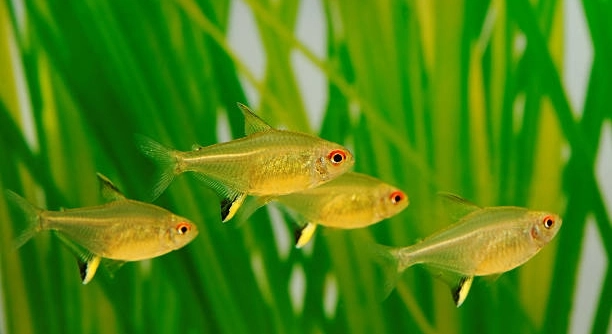
Is your lemon tetra unusually still today? Watching them glide gracefully through the water is always calming, but seeing them linger or barely move can be worrying for any fish owner, even experienced aquarists.
Lemon tetras may reduce movement due to stress, water quality issues, illness, or sudden changes in their environment. Monitoring temperature, pH levels, and observing for physical symptoms can help determine the underlying cause efficiently and accurately.
Understanding these factors can help maintain your tetra’s health and prevent future problems in your aquarium environment. Small adjustments often lead to noticeable improvements in their activity.
Common Reasons Lemon Tetras Stop Moving
Lemon tetras may appear inactive for several reasons, and observing their behavior closely can help identify the issue. Temperature fluctuations are one of the most common causes. Sudden drops or increases in water temperature can stress the fish, causing them to remain still near the bottom of the tank. Poor water quality is another frequent factor. High ammonia, nitrite, or nitrate levels can make the environment unsafe, reducing activity. Overcrowding and aggressive tank mates also affect movement, as tetras may hide to avoid stress or conflict. Diet plays a role too; inadequate or poor-quality food can weaken their energy. Finally, illness and infections, such as fin rot or swim bladder disorder, often manifest through lethargy. Recognizing early signs of these conditions allows owners to intervene promptly, restoring the tetra’s normal activity and preventing more serious complications. Regular monitoring of water parameters and tank conditions is essential for their wellbeing.
Temperature and water quality are usually the main factors reducing tetra activity. Keeping these stable encourages normal swimming behavior.
Lemon tetras thrive in clean, well-maintained aquariums with stable temperatures between 74 and 80 degrees Fahrenheit. Regular water testing ensures ammonia and nitrite levels remain near zero while keeping nitrate below 20 ppm. Providing hiding spots and gentle filtration reduces stress. Feeding a balanced diet of flake, frozen, or live foods maintains energy levels. Observing behavior daily helps detect changes early, preventing serious illness. Removing aggressive tank mates or rearranging decorations can encourage tetras to explore the tank again. Minor adjustments often have a quick impact, restoring movement within days. Consistency in care and environmental conditions is key to supporting their natural activity and overall health.
Signs of Illness in Lemon Tetras
Lethargy is often the first sign of illness. Tetras may also stop eating or display abnormal swimming patterns.
Common illnesses affecting lemon tetras include bacterial infections, parasites, and swim bladder issues. Fin rot, noticeable through frayed or discolored fins, results from bacterial overgrowth and poor water conditions. Ich, a parasitic infection, appears as white spots on the body and gills, causing tetras to scratch against decorations. Swim bladder disorder can make them float abnormally or struggle to maintain position. Early intervention is critical; treating infections promptly with medications and improving water quality increases recovery chances. Isolation of affected fish prevents spread, and maintaining a clean, stable tank environment reduces recurrence. Observing physical signs and behavior regularly allows timely responses, ensuring tetras regain their vitality and normal swimming patterns efficiently.
Adjusting Tank Conditions
Stable water temperature is crucial for lemon tetras. Sudden changes can stress them, reducing movement and affecting appetite. Using a reliable heater and thermometer helps maintain consistency.
Maintaining proper water parameters involves regular testing and partial water changes. Ammonia and nitrite levels must stay at zero, while nitrates should remain below 20 ppm. Adjusting filtration and cleaning the substrate prevents waste buildup that can harm tetras. Adding live plants and decorations provides hiding spots, making fish feel secure and encouraging normal swimming. Gradual acclimation to any changes in the tank, including new fish or decorations, minimizes stress and supports their overall health. Consistency in temperature, pH, and tank environment is key to keeping lemon tetras active and vibrant.
Lighting and oxygen levels also influence activity. Using a timer for consistent light cycles and ensuring proper aeration encourages swimming. Overly bright lights or stagnant water can make tetras hide or stay still, so adjusting these elements often improves behavior.
Monitoring Diet and Feeding
Proper feeding supports energy and movement. Overfeeding or poor nutrition can lead to lethargy in lemon tetras.
Feeding a balanced diet with flake, frozen, or live foods ensures tetras receive essential nutrients. Avoid overfeeding, as leftover food decomposes and pollutes water. Small, frequent meals are better than large portions, promoting regular activity and healthy digestion. Observing how fish respond to different foods helps identify preferences and any changes in appetite, which can indicate stress or illness. Supplementing with occasional live foods stimulates natural hunting behavior and provides enrichment. Consistent feeding routines, combined with proper portion control, maintain energy levels and prevent inactivity, keeping tetras healthy and active.
Reducing Stress Factors
Overcrowding can make lemon tetras hide or stay still. Keeping fewer fish per tank allows for better movement and reduces aggression.
Sudden changes in tank decorations or lighting can also stress tetras. Introducing changes gradually helps them adjust and encourages normal swimming patterns.
Isolating Sick Fish
Separating a sick tetra prevents disease spread. A quarantine tank allows for treatment without affecting healthy fish. Proper isolation also reduces stress for both sick and healthy tetras, helping recovery and maintaining overall tank stability.
Observing Behavior Patterns
Lemon tetras may remain still when resting or during nighttime. Not all inactivity indicates illness.
When to Seek Professional Advice
If lethargy persists despite stable conditions, consulting an aquatic veterinarian ensures correct diagnosis and treatment, protecting the health of the entire tank.
FAQ
Why is my lemon tetra floating at the top of the tank?
Floating can indicate swim bladder issues, overfeeding, or water quality problems. Check for uneven swimming, bloating, or difficulty diving. Adjust feeding habits, test water parameters, and observe for other signs of illness. If it persists, isolating the fish and consulting a veterinarian may be necessary.
Why is my lemon tetra hiding all the time?
Hiding is usually a response to stress or aggression from other fish. Overcrowding, sudden environmental changes, or strong currents can also cause this behavior. Providing plants, decorations, and hiding spots helps the fish feel secure and encourages normal movement.
Can poor water quality make my lemon tetra inactive?
Yes, poor water conditions are a leading cause of lethargy. Ammonia, nitrite, and nitrate levels outside safe ranges stress the fish. Regular testing, partial water changes, and proper filtration are essential to maintain a healthy environment. Clean water restores energy and normal activity levels.
How does temperature affect my lemon tetra’s movement?
Temperature fluctuations or extremes slow metabolism, making tetras less active. Maintaining stable temperatures between 74–80°F with a reliable heater and thermometer keeps them comfortable. Sudden drops or increases can also weaken their immune system, increasing susceptibility to illness.
Can diet impact my lemon tetra’s activity?
Yes, poor or inconsistent feeding reduces energy. Tetras need a balanced diet of flake, frozen, or live foods. Overfeeding leads to water pollution and lethargy. Small, frequent meals support regular movement and maintain digestive health. Observing appetite changes can also indicate stress or early illness.
Is my lemon tetra sick if it stays at the bottom?
Staying at the bottom can indicate stress, low oxygen, illness, or poor water quality. Look for additional signs like frayed fins, discoloration, or labored breathing. Addressing water quality, tank setup, and diet often improves activity, but persistent inactivity may require veterinary advice.
Can tank mates cause my lemon tetra to stop moving?
Yes, aggressive or larger tank mates can intimidate tetras, causing hiding or stillness. Ensure compatible species, avoid overcrowding, and provide hiding spots to reduce stress. Observing interactions can help identify and resolve conflicts.
Why is my lemon tetra swimming erratically before becoming still?
Erratic swimming often precedes illness, stress, or water quality problems. Sudden temperature changes, parasites, or low oxygen can trigger this behavior. Correcting the environment and monitoring for other symptoms helps prevent further health issues.
Should I medicate my lemon tetra if it’s inactive?
Medication is only necessary if there are signs of disease or confirmed infection. Using the wrong treatment can worsen water quality and stress fish. Observing symptoms, improving tank conditions, and isolating sick fish is the first step before medication.
How long can a lemon tetra be inactive before it’s serious?
Short periods of stillness are normal, especially during rest. Extended inactivity, more than a day or two without eating, indicates potential health or environmental problems. Monitoring water, diet, and behavior is essential to prevent serious illness.
Can stress from moving the tank affect my lemon tetra?
Yes, relocating the tank or introducing sudden changes can cause temporary inactivity. Gradually acclimating fish to new environments and maintaining stable conditions reduces stress and encourages normal swimming behavior.
How do I know if inactivity is normal or a health concern?
Normal inactivity occurs during rest or at night. Signs of concern include loss of appetite, color changes, labored breathing, or unusual posture. Consistent monitoring, proper tank conditions, and observing patterns help differentiate normal behavior from illness.
Can low oxygen levels make my lemon tetra stop moving?
Yes, low dissolved oxygen causes lethargy and bottom-dwelling behavior. Proper aeration through air stones, plants, or gentle filtration ensures sufficient oxygen and keeps tetras active and healthy.
Is it normal for lemon tetras to rest in one spot for hours?
Short resting periods are normal, but prolonged stillness with other symptoms may indicate illness or stress. Observing water quality, tank setup, and interactions with other fish helps determine the cause.
Can sudden light changes affect my lemon tetra’s movement?
Yes, sudden bright or flashing lights can startle tetras, causing hiding or stillness. Using timers for consistent light cycles and providing shaded areas encourages natural swimming patterns.
How often should I check on my lemon tetra if it’s inactive?
Daily observation is recommended. Checking for changes in swimming, appetite, or physical appearance allows early detection of stress or illness, ensuring timely intervention and recovery.
What are early warning signs that my lemon tetra is unwell?
Lethargy, loss of appetite, abnormal swimming, frayed fins, color fading, or rapid gill movement are key indicators. Identifying these early allows corrective measures before serious illness develops.
Does tank size affect my lemon tetra’s activity?
Smaller, crowded tanks can reduce swimming space, leading to stress and inactivity. Providing sufficient space with proper stocking density allows tetras to move freely and remain healthy.
Can seasonal changes affect my lemon tetra’s behavior?
Seasonal temperature or light changes can temporarily affect activity. Maintaining stable indoor conditions minimizes these effects and keeps fish active year-round.
Is inactivity reversible in lemon tetras?
Yes, most inactivity due to environmental stress, diet, or mild illness is reversible. Correcting water quality, feeding routines, and tank conditions often restores normal behavior within days. Monitoring progress ensures sustained health.
How can I prevent future inactivity in my lemon tetra?
Consistent water quality, proper temperature, balanced diet, compatible tank mates, and a stress-free environment are essential. Regular observation and timely adjustments prevent inactivity and support long-term health.
What is the best way to track my lemon tetra’s activity?
Keeping a daily log of swimming patterns, feeding behavior, and tank conditions helps identify changes early. Noting unusual behavior aids in diagnosing potential problems quickly and accurately.
Are there any signs that indicate permanent health damage?
Persistent lethargy, significant weight loss, severe fin damage, or chronic respiratory issues suggest lasting effects. Early intervention is critical to prevent permanent health problems.
Lemon tetras are delicate and active fish that thrive in stable, well-maintained aquariums. Observing them daily provides valuable insight into their health and wellbeing. Inactivity can happen for several reasons, including stress, poor water quality, illness, or dietary issues. Understanding these factors allows you to take practical steps to help your fish regain normal activity. Maintaining proper temperature, pH levels, and clean water are the most important aspects of care. Sudden changes in the tank, such as adding new fish or rearranging decorations, can cause stress, so gradual adjustments are always recommended. Providing hiding spots and gentle currents creates a secure environment that encourages exploration and swimming.
Feeding habits play a critical role in maintaining energy levels. Lemon tetras require a balanced diet that includes flake foods, frozen options, and occasional live foods. Overfeeding can lead to water pollution and lethargy, while underfeeding reduces energy and can weaken the immune system. Small, frequent meals are ideal, and observing how your tetras respond to different foods can help detect appetite changes that may indicate stress or early illness. Regular monitoring of behavior and diet helps prevent minor issues from becoming serious health problems. By paying attention to subtle signs, such as reduced movement or hiding, you can address potential concerns before they escalate.
Inactivity is not always a cause for alarm, as tetras may rest or be less active at certain times. However, prolonged stillness accompanied by other symptoms, like color changes, frayed fins, or abnormal swimming patterns, should be addressed promptly. Isolating sick fish when necessary and improving tank conditions can often restore normal behavior. Regular observation, proper feeding, and maintaining a stable environment are the most effective ways to keep lemon tetras healthy and active. Consistency and attention to detail in daily care make a significant difference in their overall wellbeing, allowing you to enjoy lively, vibrant fish in your aquarium.

Hello,
If you enjoy the content that we create, please consider saying a "Thank You!" by leaving a tip.
Every little bit helps us continue crafting quality advice that supports the health, happiness, and well-being of pets around the world, for pets of all shapes, sizes, and species.
We really appreciate the kindness and support that you show us!