
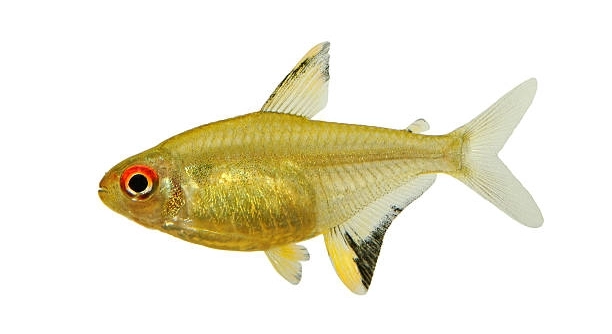
Do your lemon tetras seem to linger in certain areas of your aquarium more than others? Observing their movements can reveal small patterns that indicate comfort, preference, and natural instincts within their tank environment.
Lemon tetras do exhibit favorite spots in the tank, often favoring areas with moderate cover, gentle currents, and consistent light levels. These preferences are influenced by factors such as safety, feeding locations, and social interactions within the school.
Knowing where your tetras prefer to swim can help optimize tank layout, lighting, and decorations for a healthier, more harmonious aquatic environment.
Understanding Lemon Tetra Behavior
Lemon tetras are small, active fish that thrive in well-structured aquariums. Their movements are often guided by instinct, social dynamics, and comfort. In most tanks, they prefer mid-level swimming areas, where they can see their surroundings while feeling safe. Plants, rocks, and gentle water currents provide hiding spots that reduce stress and mimic their natural environment. Lighting also plays a role, as too bright light can make them shy and retreat, while soft, diffused lighting encourages exploration. Observing where they spend most of their time can give insight into their health, mood, and social hierarchy. If they gather consistently in one area, it may indicate preferred temperature, food availability, or the presence of shelter. Schooling behavior is another key factor, as these fish feel more confident in groups, and their favorite spots often reflect the safest zones for multiple individuals. Adjusting tank layout can improve their comfort and activity.
Knowing their preferred zones helps improve overall tank harmony and ensures lemon tetras are active and stress-free.
Monitoring their movements closely reveals patterns tied to safety, feeding, and light exposure, which allows better planning of tank arrangement and decorations. Regular adjustments to plants, rocks, and hiding areas can enhance comfort, reduce aggression, and support natural schooling behavior. Ensuring optimal water flow and temperature in their favorite areas encourages them to explore and interact, creating a more dynamic and healthy tank environment. Over time, recognizing these patterns also allows for more effective feeding strategies, minimizing competition and stress. By observing how lemon tetras interact with their environment, you can identify subtle preferences, such as areas near gentle currents or shaded corners, that promote security and social cohesion. This knowledge is essential for maintaining a balanced ecosystem within the aquarium, supporting both individual health and the overall dynamics of the group. With thoughtful arrangement and monitoring, the tank becomes a space where lemon tetras thrive.
Common Tank Spots Lemon Tetras Prefer
Lemon tetras often favor mid-level areas with light cover from plants or decorations, allowing both visibility and safety.
These fish are drawn to regions with stable water conditions and gentle currents, avoiding extremes in temperature or light. Dense plant clusters or driftwood provide shelter, while open mid-water zones let them maintain social contact with their school. Their schooling nature means they frequently gather together in spots that offer both protection and freedom to swim. Feeding areas also influence their position, as they tend to hover near regions where food is regularly offered. Observation over time helps identify these favored zones, allowing adjustments in tank layout to support comfort. Ensuring multiple preferred spots can reduce stress, prevent territorial disputes, and maintain overall activity. A tank that balances shelter, open swimming space, and consistent conditions encourages natural behaviors, leading to healthier, more vibrant fish that display their full coloration and energy. Regularly checking these zones allows for a better understanding of their environmental needs and social interactions.
Factors Influencing Tank Spot Preference
Water temperature, light levels, and tank decorations all influence where lemon tetras spend their time. They seek areas that feel safe, have moderate flow, and are close to their school. Overly bright light or strong currents can push them to more sheltered spots.
Consistency in tank conditions is essential. Lemon tetras are sensitive to sudden changes in temperature or lighting, and this can affect their movement patterns. Plants, rocks, and driftwood create natural boundaries and hiding spaces that they prefer. Observing their favorite spots often reveals patterns tied to feeding routines, resting areas, and social interactions. Adjusting decorations to mimic these preferences can reduce stress and support healthy behavior.
Social dynamics also affect their preferred areas. In a school, dominant fish may influence where others gather. Ensuring there are multiple hiding spots and mid-level swimming zones allows all fish to feel secure. Over time, careful observation can reveal subtle preferences, such as shaded corners or regions near gentle currents, which provide comfort and maintain group cohesion. Recognizing these factors helps in designing a tank that encourages natural, stress-free activity.
Seasonal and Environmental Effects
Changes in season or environment can subtly affect where lemon tetras spend their time. Slight shifts in room temperature or lighting often result in adjusted swimming patterns and preferred areas.
During warmer months, water near the surface may feel more comfortable, encouraging exploration of mid-level areas. Cooler months might lead them to spend more time in sheltered lower zones. Seasonal feeding patterns also play a role, as lemon tetras may adjust their position to access food easily or avoid competition. Observing these shifts helps in maintaining a stable and supportive environment. Adjusting tank lighting, adding temporary shelters, or ensuring temperature consistency can mitigate stress caused by environmental changes.
Environmental enrichment strengthens their preference patterns. Adding plants, floating decorations, and gentle currents encourages natural exploration while maintaining safe zones. Consistent monitoring ensures that seasonal or room temperature changes do not negatively impact health. This attention to environmental factors supports schooling behavior and reduces aggression, allowing lemon tetras to remain active and vibrant year-round. Creating a balanced habitat with multiple preferred spots enhances comfort, reduces stress, and encourages natural interactions within the school. Understanding these effects ensures a more harmonious aquarium.
How Tank Layout Shapes Behavior
The arrangement of plants, rocks, and decorations directly affects where lemon tetras choose to swim. They prefer areas with moderate cover that allow them to feel safe while maintaining visibility of their surroundings.
Open spaces in the middle of the tank encourage schooling and active swimming, while dense clusters provide shelter and resting zones. Multiple options help reduce stress and prevent territorial disputes, supporting natural behavior and comfort.
Lighting and Its Impact
Lighting intensity and duration influence lemon tetras’ favorite spots. They tend to avoid harsh light and favor shaded or softly lit areas that feel secure and comfortable.
Feeding Locations Matter
Lemon tetras often gather near feeding zones, associating these areas with food. Regular feeding patterns shape their movement and preferred spots within the tank.
FAQ
Do lemon tetras need hiding spots in the tank?
Yes, lemon tetras feel safer with hiding spots such as plants, driftwood, or rocks. These areas reduce stress and provide shelter from strong currents or bright lights. Even a few well-placed decorations can make a noticeable difference in their comfort and activity levels.
How many lemon tetras should be kept together?
Lemon tetras are schooling fish and thrive in groups of at least six to eight. Larger schools help them feel secure, display natural behavior, and reduce stress. Small groups or solitary fish may become shy, hide more, or show less vibrant coloration.
Why do lemon tetras stick to certain areas of the tank?
They often choose spots based on safety, comfort, and social dynamics. Mid-level swimming zones, shaded areas, and regions near plants or decorations are preferred. Temperature, light intensity, and current flow also play a role in their positioning.
Can tank layout affect their preferred spots?
Absolutely. Open swimming spaces encourage schooling, while dense plant clusters or decorations provide rest and hiding areas. A thoughtfully arranged tank with multiple zones helps maintain balance, reduces stress, and supports natural behavior.
Do lemon tetras change their favorite spots over time?
Yes, preferences can shift with changes in temperature, lighting, feeding routines, or social hierarchy within the school. Monitoring their behavior regularly allows adjustments to tank conditions to maintain comfort and activity.
Does water temperature influence where they swim?
Water temperature impacts comfort and movement. Lemon tetras prefer stable, moderate temperatures. Areas with slightly warmer or cooler water may become favored, particularly if other conditions, such as light or shelter, are suitable.
How does feeding affect their tank location?
They often gather near feeding zones, associating these areas with food. Consistent feeding schedules reinforce certain spots as safe and rewarding, influencing swimming patterns and social interactions.
Can stress change their preferred spots?
Yes, stressful conditions such as sudden lighting changes, aggressive tankmates, or poor water quality can make lemon tetras retreat to more secluded areas. Providing shelter, stable conditions, and calm surroundings encourages them to resume normal activity.
Should lighting be adjusted for their comfort?
Soft, diffused lighting is best. Harsh or bright light causes them to seek shaded or covered areas, limiting activity. Adjusting light intensity and using floating plants or décor can help create balanced lighting and reduce stress.
Is it normal for lemon tetras to switch favorite spots frequently?
Some movement is natural as they explore, feed, or interact socially. Frequent drastic changes, however, may indicate stress, illness, or unsuitable tank conditions, requiring observation and adjustment to maintain their health and comfort.
Do decorations or plants need to be moved based on their preferences?
Observing where they gather most often can guide placement. Adjusting plants, rocks, or shelters to replicate favored zones helps reduce stress, encourage schooling, and support natural swimming patterns without overcrowding the tank.
Are certain areas better for resting?
Shaded corners or dense plant clusters are typically favored for rest. These areas offer protection from currents, light, and potential disturbances, allowing lemon tetras to conserve energy and feel secure while part of the school.
Can favorite spots indicate health issues?
Yes, if a normally active fish consistently hides or isolates itself, it may signal stress, illness, or water quality problems. Regular observation and maintenance help ensure all fish remain healthy and engaged in natural behavior.
Do all lemon tetras share the same favorite spots?
Not always. While schooling encourages shared preferences, dominant or shy individuals may occupy slightly different zones. Providing multiple safe and comfortable areas ensures all fish can find a spot suited to their needs.
How can I encourage them to explore more of the tank?
Introduce gentle currents, rearrange decorations occasionally, or add plants in new areas. Ensuring multiple safe zones encourages exploration while maintaining comfort, balance, and natural schooling behavior.
Does tank size influence favorite spots?
Larger tanks allow more choice and reduce territorial disputes, while smaller tanks may force fish into closer proximity. Adequate space combined with thoughtful layout supports activity, comfort, and social dynamics within the school.
Are there signs they are unhappy with their spots?
Hiding excessively, clinging to corners, reduced activity, or lack of schooling can indicate discomfort. Adjusting light, water flow, decorations, or temperature often resolves these issues and restores natural behavior.
Do lemon tetras prefer certain depths?
Mid-level swimming is most common, offering safety, visibility, and social connection. They occasionally explore lower or upper zones for food or shelter but usually return to mid-level areas for comfort and interaction.
Can seasonal changes affect their favorite spots?
Yes, small shifts in room temperature, light duration, or feeding patterns can lead to slight changes in position. Observing these patterns helps maintain stable tank conditions and ensure comfort throughout the year.
What is the best way to monitor their preferences?
Regular observation is key. Note which areas they frequent during different times of the day, feeding sessions, and lighting conditions. This information allows adjustments to the tank layout, lighting, and enrichment to support natural behavior.
How often should tank layout be changed?
Frequent drastic changes can stress fish. Minor adjustments, such as moving plants or adding gentle hiding spots, can encourage exploration without causing discomfort. Observing their reactions ensures the tank remains comfortable and natural.
Do lemon tetras need multiple favorite spots?
Yes, providing several mid-level zones, shaded corners, and sheltered areas ensures all individuals feel safe and supported. Multiple options reduce competition and encourage healthy social interactions within the school.
Can their favorite spots indicate social hierarchy?
Dominant individuals may control preferred zones, while shy or younger fish choose less central areas. Observing their interactions provides insight into schooling dynamics and can guide tank adjustments to reduce conflict.
Are floating plants beneficial for preferred spots?
Floating plants diffuse light and create shaded areas, enhancing comfort for lemon tetras. These plants help mimic natural conditions, encourage exploration, and provide multiple favored zones for resting and schooling.
Do water current patterns affect favorite spots?
Gentle currents are preferred, as they simulate natural streams and rivers. Areas with too strong or stagnant flow may be avoided, while moderate currents encourage swimming, social behavior, and exploration.
How can I create a tank that suits their preferences?
Use a mix of plants, rocks, and decorations to offer shaded mid-level zones, open swimming areas, and gentle currents. Maintain stable temperature, light, and feeding routines to support natural schooling and comfort. Regular observation ensures the tank meets their needs.
Is it normal for their preferences to evolve as they grow?
Yes, as lemon tetras mature, their social dynamics, size, and energy levels influence preferred zones. Providing adaptable layouts and multiple safe areas accommodates these changes while supporting healthy schooling behavior.
Can multiple fish species affect their favorite spots?
Yes, aggressive or territorial tankmates may force lemon tetras to alter their preferred zones. Providing ample hiding spots and mid-level swimming areas reduces stress and allows peaceful coexistence.
Does water quality influence where they spend time?
Poor water quality often drives fish to retreat to less exposed areas. Maintaining clean, stable water conditions ensures they remain active, healthy, and comfortable in their chosen spots.
Are there signs they are fully comfortable in their spots?
Active swimming, bright coloration, regular schooling, and relaxed resting in favorite zones indicate comfort. Observing these behaviors helps confirm that tank conditions and layout meet their needs.
Can rearranging decorations improve activity levels?
Yes, minor adjustments can stimulate exploration and engagement. Creating multiple safe zones encourages swimming, reduces stress, and maintains healthy social behavior without disrupting comfort.
Do lemon tetras have a favorite tank spot for feeding?
They often return to the area where food is offered, associating it with safety and nutrition. Consistency in feeding location encourages schooling, reduces competition, and reinforces comfort in that part of the tank.
How long does it take to learn their favorite spots?
Observing daily for a few weeks usually reveals consistent patterns. Monitoring movements during feeding, rest, and social interactions allows accurate identification of preferred zones and adjustment of tank conditions.
Are their favorite spots affected by tank size or shape?
Yes, larger tanks provide more options, while smaller tanks may concentrate preferred zones. Thoughtful placement of decorations, plants, and hiding spots ensures comfort and natural schooling behavior regardless of size.
Can favorite spots help detect early health problems?
Unusual behavior, such as isolating in unusual areas or avoiding previously favored zones, may indicate illness or stress. Early detection allows prompt attention to water quality, diet, or disease prevention.
Do they prefer certain textures or surfaces?
Soft plants and smooth rocks are generally preferred over sharp or rough surfaces. Providing safe surfaces supports natural exploration, resting behavior, and reduces the risk of injury.
How important is observation in maintaining comfort?
Regular observation is essential. Tracking where lemon tetras spend time helps identify stressors, improve tank layout, and support schooling behavior, ensuring a comfortable and healthy environment for all fish.
Can environmental enrichment shift their favorite spots?
Yes, adding new plants, decorations, or gentle currents encourages exploration and activity. Enrichment must be balanced to maintain safety and comfort while promoting natural behavior within the school.
How often should lighting and temperature be monitored?
Consistent monitoring ensures stable conditions, preventing stress and encouraging activity in preferred zones. Minor adjustments help maintain comfort, support schooling, and protect overall health.
Do lemon tetras communicate through their choice of spots?
Indirectly, yes. Their position can signal social hierarchy, comfort, or readiness to feed. Observing these patterns provides insight into group dynamics and can guide tank management decisions.
Is it necessary to provide multiple resting areas?
Yes, multiple shaded or sheltered zones allow all fish to rest comfortably. This reduces stress, prevents territorial conflicts, and supports natural schooling and social behavior.
Can overstocking influence preferred spots?
Overcrowding reduces available zones, increases competition, and forces some fish into less comfortable areas. Maintaining appropriate stocking levels ensures everyone can access favored spots safely.
Do they return to the same spots after disturbances?
Typically, yes. After mild disturbances, lemon tetras often return to familiar zones that provide safety, comfort, and social reassurance, reflecting strong spatial memory and preference patterns.
Can seasonal changes affect schooling patterns?
Yes, small seasonal shifts in temperature or light may slightly alter where the school congregates. Maintaining stable tank conditions helps keep schooling behavior consistent and reduces stress.
Are certain tank materials better for their comfort?
Natural plants, smooth rocks, and driftwood are preferred. These materials create safe hiding areas, gentle boundaries, and mimic conditions in their natural habitat, supporting preferred swimming and resting zones.
How can I balance open swimming areas with hiding spots?
Providing a mix of open mid-level zones and sheltered corners ensures freedom to swim while offering protection. This balance supports natural schooling, reduces stress, and accommodates individual preferences.
Do lemon tetras need time to adjust to new spots?
Yes, sudden changes in tank layout or decorations may cause hesitation. Allowing gradual adaptation helps them feel safe and resume normal activity in preferred zones.
Are favorite spots linked to energy levels?
Yes, more active fish may favor open mid-level zones for swimming, while resting or shy individuals may choose sheltered areas. Multiple zones ensure comfort for all activity levels.
Can their spots change after tank cleaning?
Yes, minor disruption can temporarily shift favorite areas. Returning decorations and plants to familiar positions helps fish regain comfort and settle back into preferred zones.
Do they prefer tank corners or central areas?
Corners often provide safety and shelter, while central mid-level zones allow schooling and social interaction. Multiple zones accommodate both security and activity needs within the tank.
Are favorite spots influenced by water chemistry?
Stable pH, hardness, and nitrates encourage comfort in preferred zones. Fluctuations may cause them to retreat to safer areas until conditions stabilize.
How can I encourage healthy social behavior through tank spots?
Providing multiple safe mid-level and sheltered areas allows all fish to interact comfortably. Balanced layout supports schooling, reduces aggression, and promotes natural social behavior.
Do lemon tetras show signs of comfort through behavior in their spots?
Active swimming, relaxed schooling, and consistent resting indicate comfort. Observing these behaviors confirms that tank conditions, layout, and enrichment meet their needs.
Can adding floating plants improve activity in preferred zones?
Yes, floating plants diffuse light, create shade, and encourage mid-level swimming, enhancing comfort, exploration, and natural schooling behavior.
How important is consistency in maintaining preferred spots?
Consistency in lighting, temperature, feeding, and decorations helps fish feel secure. Stable conditions maintain comfort, support schooling, and reduce stress, ensuring healthy behavior in their favored areas.
Do favorite spots change with fish age?
Yes, as lemon tetras mature, their energy, size, and social role may shift preferred zones. Providing adaptable, multiple safe areas accommodates evolving needs.
Can favorite spots indicate readiness to breed?
During breeding periods, they may gather in slightly different zones near plants or gentle currents. Observing changes helps identify reproductive behavior without causing disturbance.
Are there signs that favorite spots are inadequate?
Excessive hiding, inactivity, or stress behaviors suggest insufficient shelter, open space, or stable conditions. Adjusting tank layout and environmental factors improves comfort and activity.
Do lemon tetras prefer areas near the surface?
Occasionally, especially during feeding, but mid-level zones are most comfortable for schooling, rest, and social interaction. Multiple zones ensure balance between exploration and security.
Can favorite spots support natural behavior?
Yes, providing multiple shaded, open, and sheltered areas encourages swimming, schooling, resting, and exploration, supporting overall health and well-being in the aquarium.
How do I know if they are satisfied with their preferred spots?
Regular observation of active swimming, schooling, feeding response, and relaxed resting indicates satisfaction and comfort in their chosen zones.
Are there adjustments needed for mixed-species tanks?
Yes, ensuring safe mid-level zones and multiple hiding spots reduces stress from territorial or aggressive species, allowing lemon tetras to maintain comfort and natural behavior.
Do seasonal lighting changes require adjustments to favorite spots?
Minor seasonal shifts may affect where they gather. Using adjustable lighting and shaded areas maintains consistency and comfort throughout the year.
How can I track favorite spots over time?
Regular notes or photos of swimming patterns, resting zones, and schooling behavior allow identification of consistent preferences and guide tank adjustments.
Can preferred spots improve overall health?
Yes, comfort and reduced stress from favored zones support activity, schooling, coloration, and overall vitality, ensuring a balanced and healthy aquarium.
Are there risks if preferred spots are overcrowded?
Overcrowding can lead to stress, competition, and aggression. Providing multiple safe zones and sufficient open space ensures all fish remain comfortable and active.
Do lemon tetras adapt quickly to new spots?
With gradual changes and stable conditions, they adapt within days. Sudden rearrangements can cause stress, so careful observation is key.
How do favorite spots influence feeding behavior?
Familiar feeding zones reduce competition, encourage schooling, and ensure all fish can access food safely, promoting health and natural behavior.
Can favorite spots indicate environmental issues?
Persistent avoidance of previously favored zones may indicate water quality problems, poor lighting, or stressors. Prompt attention maintains comfort and health.
How often should I check for changes in favorite spots?
Daily observation during feeding, activity, and resting periods helps detect changes early and maintain a comfortable, balanced tank environment.
Can multiple favorite spots coexist in one tank?
Yes, providing a combination of open mid-level zones, shaded corners, and sheltered areas supports schooling, reduces stress, and accommodates individual preferences.
Do lemon tetras have a hierarchy in choosing spots?
Dominant individuals may occupy prime areas, while shy fish choose less central zones. Multiple safe areas reduce conflict and support group harmony.
Are there long-term benefits to observing their preferred spots?
Yes, consistent observation allows optimization of tank layout, lighting, and enrichment, promoting natural behavior, comfort, and overall health over time.
Can favorite spots indicate preferred temperature zones?
Yes, fish often select areas with the most comfortable temperature, avoiding extremes in light, current, or water flow, helping maintain optimal activity and health.
Do they return to the same spots after disturbances?
Typically, yes. Lemon tetras exhibit spatial memory and return to familiar safe zones after minor disturbances, reflecting strong comfort patterns.
Is it normal for some individuals to have different favorite spots?
Yes, dominant, shy, or younger fish may prefer slightly different zones. Multiple options accommodate these differences and maintain harmony.
Can changing favorite spots too often cause stress?
Yes, frequent major changes disrupt comfort and social behavior. Gradual, minimal adjustments help maintain natural activity and reduce stress.
Are favorite spots linked to schooling cohesion?
Absolutely. Safe, open mid-level zones promote synchronized swimming, social interaction, and natural schooling behavior, contributing to overall well-being.
Can environmental enrichment shift their favorite zones?
Yes, adding plants, decorations, or gentle currents encourages exploration, activity, and natural behavior while maintaining multiple comfortable zones for security.
Do lemon tetras prefer calm or flowing water in their spots?
Moderate flow is preferred. Too strong currents push them to sheltered areas, while gentle flow encourages swimming and exploration, supporting schooling and comfort.
Are favorite spots influenced by tank noise or vibration?
Yes, excessive vibration or noise can drive them to secluded zones. Minimizing disturbances ensures comfort and encourages activity in preferred areas.
Can lighting color affect their preferred spots?
Soft, natural lighting is best. Harsh or overly bright lighting causes retreat to shaded or sheltered zones, affecting activity and comfort.
Do lemon tetras show excitement in favorite spots?
Yes, active swimming, schooling near food, and exploration indicate engagement and satisfaction with their chosen zones.
Is it necessary to provide multiple mid-level zones?
Yes, this supports schooling, individual comfort, and reduces conflict. Multiple zones accommodate varying energy levels and social dynamics within the school.
Can favorite spots reveal environmental preferences?
Yes, consistent selection indicates preferred light, temperature, water flow, and shelter, guiding optimal tank setup and maintenance for comfort and health.
Do lemon tetras adjust their favorite spots gradually or suddenly?
Adjustments are usually gradual unless triggered by sudden changes in water, lighting, or layout. Gradual adaptation maintains comfort and minimizes stress.
How important is stability for their favorite spots?
Stability in temperature, light, water flow, and decorations ensures comfort, promotes natural schooling, and reduces stress, keeping the fish healthy and active.
Can favorite spots influence social learning?
Yes, younger or shy fish often observe dominant individuals in preferred zones, learning safe and productive areas to swim and rest.
Are favorite spots linked to feeding hierarchy?
Yes, dominant fish may occupy prime feeding zones
Lemon tetras are small, lively fish that benefit greatly from a tank that meets their natural needs. Observing where they spend most of their time can reveal a lot about their comfort and behavior. Many lemon tetras tend to prefer mid-level areas in the tank, where they can swim freely while still feeling secure. These spots are often near plants, rocks, or other decorations that provide shelter and reduce stress. Open swimming areas allow them to maintain social connections with their school, while shaded or covered zones give them places to rest when they feel the need to hide or conserve energy. By paying attention to their preferred spots, it is possible to create a tank layout that supports both activity and safety, encouraging natural behavior and improving their overall well-being.
Tank layout plays an important role in how lemon tetras interact with their environment. Providing a balance between open swimming areas and sheltered zones is key. Too many decorations in one area can make the tank feel crowded, causing fish to avoid that section, while too few hiding spots may leave them feeling exposed. Plants, driftwood, and rocks can be arranged in ways that create multiple comfortable zones. Gentle water currents are also important, as lemon tetras generally avoid strong flow but enjoy moderate movement that simulates their natural habitat. Lighting matters as well. Harsh or overly bright light may push them toward shaded corners, while softer, diffused lighting encourages exploration and active swimming. Seasonal changes, temperature fluctuations, and feeding routines can also influence where they prefer to spend their time. Recognizing these factors allows adjustments to be made so that all individuals within the school feel secure and comfortable in the tank.
Understanding their favorite spots is not just about comfort; it also promotes healthy social behavior and reduces stress. Lemon tetras are schooling fish, so providing multiple mid-level and sheltered zones ensures that all fish can interact and rest according to their own needs. Observing their movement patterns can indicate whether water conditions, tank layout, or lighting need adjustment. If a fish consistently isolates or avoids certain areas, it may signal stress, discomfort, or even health concerns. Creating a stable and enriched environment that meets their preferences allows them to thrive. With thoughtful arrangement, consistent care, and careful observation, lemon tetras can live active, vibrant lives, displaying natural behaviors that reflect both their instincts and their comfort within the aquarium.

Hello,
If you enjoy the content that we create, please consider saying a "Thank You!" by leaving a tip.
Every little bit helps us continue crafting quality advice that supports the health, happiness, and well-being of pets around the world, for pets of all shapes, sizes, and species.
We really appreciate the kindness and support that you show us!