
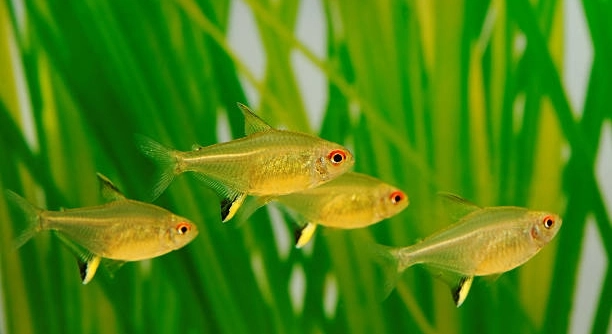
Lemon tetras are small, vibrant fish that brighten home aquariums with their color and movement. Their behavior often shifts when they are ready to spawn, showing patterns that may seem unusual to casual observers.
Before spawning, lemon tetras exhibit distinctive behaviors including chasing partners, shaking in place, and hovering near plants. These actions are part of their reproductive process and are essential indicators of readiness for egg-laying in a controlled aquatic environment.
Observing these behaviors can provide insight into their reproductive cycle and help ensure the right conditions for successful spawning. It also highlights the complexity of their social interactions and instincts.
Darting Movements and Sudden Chases
Lemon tetras often start darting around the tank when preparing to spawn. These quick movements are not random; they are part of their mating behavior. Males may chase females across short distances repeatedly, signaling their readiness. You may notice them weaving through plants or swimming rapidly near tank corners. This behavior helps establish dominance and tests the responsiveness of potential partners. Observing these movements can give you a clear indication that spawning is imminent. In some cases, these chases can appear aggressive, but they are usually harmless and temporary. Providing sufficient space and hiding spots reduces stress and allows both males and females to interact naturally. The speed and frequency of these movements can vary between individual fish and can change depending on the tank environment. Lighting and water conditions also influence activity levels. Watching these subtle shifts can be both informative and surprisingly engaging, showing how instinct guides their behavior.
These darting movements are a natural signal that spawning activity is about to begin.
Recognizing this behavior early helps in adjusting tank conditions. It ensures that plants, water quality, and tank layout support the spawning process. Additionally, knowing how to observe without disturbing the fish can improve the chances of successful egg-laying. These sudden chases are an important communication method among lemon tetras, helping them coordinate timing and interactions. By noting patterns and frequencies, you can better understand each fish’s readiness and pair compatibility, ultimately fostering a healthier and more productive tank environment.
Shaking and Hovering Near Plants
Shaking in place is a behavior often seen just before lemon tetras release eggs.
This subtle trembling usually happens near leaves or dense plant areas, signaling readiness to spawn and providing the best protection for eggs.
Hovering near plants gives females a safe space for laying eggs and helps males align their movements to fertilize efficiently. This behavior is a careful balance of instinct and environmental cues. Plants offer shelter, reduce stress, and act as a natural guide for egg placement. Males often follow the females closely, maintaining proximity while avoiding direct contact, creating a rhythm that increases fertilization success. By providing fine-leaved plants, you encourage natural spawning behavior. Observing how they interact with these spaces can teach you a lot about their preferences and social dynamics. Shaking, combined with hovering, creates a visible pattern that signals imminent spawning, making it easier to track the reproductive process without interference. This pattern is an essential part of their reproductive strategy and highlights how environment and behavior are closely connected.
Flashing Colors
Lemon tetras often display brighter colors before spawning. Males intensify their yellow and silver hues to attract females and signal health and vitality. This visual cue is a key part of their reproductive behavior.
Flashing colors serve as a communication method between males and females. The brighter the male’s coloration, the more likely a female is to respond positively. This signaling helps reduce physical confrontation, as females can choose mates based on appearance rather than prolonged chasing. Tank lighting and water clarity can influence how noticeable these colors appear, so maintaining optimal conditions supports natural behavior. Watching the shift in coloration can help you identify which fish are actively participating in the spawning process.
Color changes are often accompanied by other mating behaviors, like hovering or chasing. When males flash their hues repeatedly, it demonstrates fitness and readiness. Females respond by positioning themselves strategically among plants, allowing the male to approach and coordinate egg fertilization. This interplay of visual signals and movement shows the importance of environment and behavior working together.
Bubble Nesting Attempts
Some lemon tetras may attempt to create small bubble clusters before spawning, usually near leaves or corners.
These bubble clusters serve as temporary egg supports, offering protection and indicating the fish’s readiness to lay eggs. It is a natural instinct to secure a safer environment for offspring.
Bubble nesting is not as pronounced as in other species, but the behavior is noticeable in attentive tanks. Males sometimes blow tiny bubbles and hover beneath them, guiding females toward suitable egg-laying spots. This action also demonstrates territorial awareness and coordination, ensuring eggs remain in safer areas. Providing floating plants or soft leaves enhances this behavior, as it offers surfaces for bubbles to attach. Watching the formation and location of these clusters helps identify the most receptive pairs and improves monitoring of the spawning process. Timing and environmental stability play a crucial role in whether the bubbles persist or dissipate quickly.
Tail Flicking
Tail flicking is a common behavior before spawning. Lemon tetras rapidly flick their tails while hovering near plants or other surfaces, signaling readiness to mate and stimulating females to prepare for egg release.
This behavior also helps males assert presence without direct chasing. Tail flicks are subtle but consistent, indicating reproductive activity.
Body Rubbing
Lemon tetras sometimes rub their bodies against plants or tank decorations before spawning. This action may help loosen eggs or stimulate physical readiness for mating. It is a gentle, repetitive movement mostly seen in females, often in well-planted areas.
Group Circling
Before spawning, lemon tetras often swim in tight circles together. This group movement helps synchronize readiness and reduces stress, creating a coordinated environment for egg-laying. Observing these circles can show which fish are actively preparing to spawn.
Hiding in Plants
Females frequently hide among dense plants before releasing eggs. This behavior provides safety and encourages males to approach carefully, ensuring successful fertilization in a protected area.
How can I tell when my lemon tetras are ready to spawn?
You can identify readiness by observing several key behaviors. Males will often chase females gently, flash brighter colors, and flick their tails while hovering near plants. Females may hide in dense foliage, shake slightly, or rub their bodies against surfaces. Monitoring these cues over several days helps confirm reproductive readiness.
Do lemon tetras need special plants for spawning?
Yes, fine-leaved plants or floating vegetation work best. These plants provide surfaces for egg attachment and protection from other fish. Species like Java moss or dense aquarium plants are ideal. The plants also help reduce stress, giving females safe spots to hover and release eggs naturally.
Is water quality important for spawning?
Absolutely. Lemon tetras require clean, slightly acidic to neutral water, around 24–28°C (75–82°F), with stable parameters. Regular water changes and gentle filtration ensure the environment mimics natural conditions, encouraging spawning behavior. Poor water quality can prevent mating and reduce egg viability.
How long does it take for eggs to hatch?
Eggs usually hatch within 24–36 hours, depending on temperature. Higher temperatures accelerate development slightly, while cooler water slows it down. After hatching, fry are very small and need suitable microfoods, like infusoria or freshly hatched brine shrimp, for the first days of life.
Can adult fish eat the eggs or fry?
Yes, adult lemon tetras often eat their eggs or newly hatched fry. To prevent this, it is best to use a breeding tank or isolate the eggs in a separate container. Dense plants or fine mesh barriers can also reduce predation in a shared tank.
How often do lemon tetras spawn?
Under ideal conditions, lemon tetras can spawn every few weeks. Frequent spawning depends on proper diet, water quality, and stress-free environments. Overcrowded tanks or poor conditions may delay or prevent repeated spawning attempts. Regular observation helps identify when the pair is ready again.
What diet encourages spawning?
Feeding a high-protein diet, including live or frozen foods such as daphnia, bloodworms, and brine shrimp, stimulates reproductive behavior. Fresh, varied food strengthens fish and enhances coloration. Proper nutrition supports egg production and increases the likelihood of successful spawning.
Do males and females behave differently before spawning?
Yes, males are more active in chasing, flashing colors, and tail flicking. Females are usually more reserved, hiding among plants, shaking slightly, and preparing their bodies to release eggs. Observing these distinct behaviors allows you to identify their roles and readiness.
Can lighting affect spawning behavior?
Lighting influences activity and color display. Moderate, consistent lighting helps fish show natural behaviors, while sudden changes or excessive brightness may cause stress. Floating plants can diffuse light, providing shaded areas that encourage females to feel safe during egg-laying.
What is the best way to ensure successful fertilization?
Provide a well-planted environment, clean water, and minimal disturbance. Monitor male-female interactions and ensure the female has safe spaces to lay eggs. Timing matters, as males and females often coordinate their behaviors in cycles. Observing and maintaining these conditions maximizes fertilization success.
How can I care for the fry after hatching?
Move the fry to a separate tank or ensure dense plant coverage to protect them from adults. Feed small live foods or microfoods initially, gradually introducing larger foods as they grow. Regular water changes and stable parameters support healthy development during the first critical weeks.
Are there signs that spawning was unsuccessful?
Unfertilized eggs often turn white and fungus may develop, while fertilized eggs remain transparent and healthy. If adults eat the eggs or water conditions are poor, eggs may fail to develop. Monitoring egg appearance and maintaining clean water helps detect and address issues early.
Do environmental changes trigger spawning?
Yes, subtle changes like slightly warmer water, improved diet, and new plant growth can trigger spawning behaviors. Mimicking seasonal changes in nature often encourages activity, as fish respond to conditions signaling the best time for reproduction.
Can stress prevent lemon tetras from spawning?
Stress from overcrowding, aggressive tank mates, poor water quality, or sudden changes can inhibit mating behavior. Ensuring a calm, stable environment with adequate space and hiding spots increases the likelihood of successful spawning and reduces disruptive behavior.
How long does the spawning process last?
Spawning can take several hours to a full day. Males and females repeat chasing, hovering, and egg release multiple times to ensure fertilization. Observing these cycles helps confirm that eggs are being laid and fertilized efficiently.
Is it necessary to separate males and females after spawning?
Separating fish is not strictly necessary if eggs are protected, but doing so prevents adults from eating eggs or fry. Using a breeding tank or dense plant coverage ensures higher survival rates for offspring, allowing careful observation of early growth.
Can lemon tetras spawn in community tanks?
They can, but success is less predictable. Other fish may stress the pair or eat eggs. Providing dense plants and quiet areas improves chances, but dedicated breeding setups yield better outcomes for protecting eggs and fry.
How can I identify healthy eggs?
Healthy eggs are small, round, and transparent or slightly yellowish. They adhere to plants and remain intact without fungus. Monitoring eggs daily allows you to remove unhealthy ones and maintain optimal water conditions for developing fry.
Do all lemon tetras in a tank spawn at the same time?
Not necessarily. Individual readiness varies, so some pairs may spawn while others remain inactive. Observing each pair’s behavior helps determine which fish are prepared, allowing targeted care and attention for successful breeding.
Are there signs of egg-laying stress?
Females may hide excessively, shake, or appear restless if stressed. Males may chase excessively or fail to display normal coloration. Adjusting water quality, reducing disturbances, and providing hiding spots mitigates stress and encourages natural spawning behavior.
How soon can fry be fed after hatching?
Fry begin feeding within 24–48 hours after hatching. Start with microscopic foods such as infusoria or liquid fry food. Gradually introduce larger foods like newly hatched brine shrimp as they grow, ensuring proper nutrition for healthy development.
Can I reuse water from the main tank for the breeding tank?
Yes, using conditioned water from the main tank is fine as long as it is free from contaminants and predators. This helps maintain familiar water chemistry, reducing stress for both adults and fry. Monitoring parameters ensures it remains suitable for breeding and early fry growth.
What is the survival rate of fry in home aquariums?
Survival depends on protection, water quality, and proper feeding. With careful management, many fry reach juvenile stages. Dense plants, separate tanks, and consistent microfood feeding increase survival rates, helping ensure more fish reach maturity without unnecessary losses.
How long until fry resemble adult lemon tetras?
Fry gradually develop coloration and body shape over several weeks. By four to six weeks, they resemble miniature adults, though full color intensity may take a few months. Providing stable conditions and proper nutrition supports healthy growth and development during this period.
Observing lemon tetras before spawning reveals a surprising range of behaviors that are both fascinating and important for successful breeding. Their quick darting movements, tail flicks, and chasing may seem chaotic at first, but these actions serve a clear purpose in signaling readiness and coordinating interactions between males and females. Understanding these behaviors allows fish keepers to provide the right environment, such as sufficient plants and space, that supports natural spawning. Paying attention to these signs can help anticipate when eggs might be laid and ensures that the fish are not stressed during the process. Over time, noticing subtle cues, like shaking near plants or hovering patterns, becomes easier, and you begin to recognize individual tendencies in each fish, improving your ability to create conditions conducive to reproduction.
Color changes and flashing behaviors are also key indicators of spawning readiness. Males often intensify their hues to attract females, while females may hide among dense plants, shaking slightly or rubbing against surfaces. These signals are essential parts of the mating process, helping pairs coordinate egg release and fertilization without unnecessary conflict. Providing the right lighting, water quality, and plant coverage enhances these behaviors naturally. Observing these changes over time gives insight into the reproductive health of your fish and helps prevent common problems, such as egg predation or delayed spawning. The interplay between visual signaling, movement, and environmental conditions demonstrates how sensitive lemon tetras are to their surroundings, emphasizing the importance of stable tank conditions for successful breeding.
Caring for eggs and fry is the final, crucial step in the process. Once eggs are laid, ensuring they remain protected from adults and other potential threats increases the chances of survival. Dense plants, breeding nets, or a separate breeding tank can make a significant difference in the success of hatching and early growth. Feeding fry appropriate microfoods and maintaining stable water conditions supports healthy development during the first weeks of life. By understanding the full range of behaviors lemon tetras exhibit before and during spawning, fish keepers can create an environment that promotes natural reproductive cycles and healthy offspring. Observing, adjusting, and supporting these behaviors not only increases the likelihood of successful breeding but also enhances the overall health and activity of the fish, providing a more engaging and rewarding aquarium experience.

Hello,
If you enjoy the content that we create, please consider saying a "Thank You!" by leaving a tip.
Every little bit helps us continue crafting quality advice that supports the health, happiness, and well-being of pets around the world, for pets of all shapes, sizes, and species.
We really appreciate the kindness and support that you show us!