
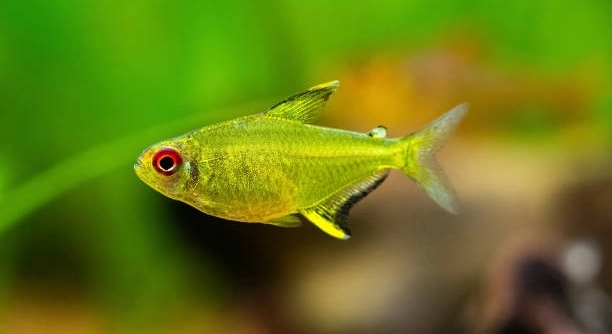
Lemon tetras are small, vibrant fish that brighten any aquarium with their shimmering yellow hue. Watching them swim gracefully can be relaxing, yet many owners wonder how to ensure these lively fish live a full, healthy life.
Several factors directly influence the lifespan of lemon tetras, including water quality, tank size, diet, temperature stability, stress levels, disease prevention, and social environment. Proper management of these elements can significantly extend their average lifespan in captivity.
Knowing what affects their longevity helps create a stable, supportive environment. Paying attention to these details ensures your lemon tetras thrive and remain healthy.
Water Quality and Filtration
Maintaining clean water is essential for lemon tetras. Poor water conditions can cause stress, weaken their immune system, and shorten their lifespan. Regular water changes, ideally 25 percent every two weeks, help remove waste and toxins. Testing for ammonia, nitrites, and nitrates ensures the tank remains safe. Using a reliable filtration system prevents debris buildup and maintains oxygen levels. Overfeeding can also pollute water quickly, so measure food carefully. Avoid overcrowding, as too many fish increase waste and reduce water quality. Soft, slightly acidic water replicates their natural environment and promotes healthy development. Monitoring water parameters consistently helps detect problems early. Some aquarists add live plants, which naturally filter the water and provide hiding spaces. Paying attention to both chemical balance and physical cleanliness makes a noticeable difference in longevity. Lemon tetras respond well to stable, well-maintained tanks. Consistency in care ensures they remain active, healthy, and vibrant for years.
Clean water directly supports their health and reduces stress, keeping lemon tetras active and energetic.
Providing a balanced tank environment with proper filtration and regular maintenance keeps water safe, prevents disease, and encourages natural behaviors, contributing significantly to a longer lifespan for your lemon tetras.
Tank Size and Space
Small tanks limit movement and can stress lemon tetras. Adequate space reduces aggression and allows swimming freely.
A tank of at least 20 gallons is recommended for a small school. Larger tanks allow better water stability and room for plants or decorations. Overcrowding increases competition for food and oxygen, raising stress levels. Grouping at least six tetras together prevents isolation and promotes natural schooling behavior. Plants and hiding spots create secure areas, reducing anxiety. A proper layout also supports filtration efficiency by ensuring water flows evenly. Regular observation helps identify conflicts or territorial behavior that may harm weaker fish. Maintaining open swimming areas alongside sheltered spots mimics their natural environment. Space directly affects physical health and mental well-being, influencing growth, coloration, and overall lifespan. Choosing the right tank size from the start simplifies care and encourages natural behaviors. Investing in a properly sized and thoughtfully arranged tank benefits both the fish and the keeper.
Diet and Nutrition
A balanced diet is essential for lemon tetras. Feeding a mix of flakes, micro-pellets, and occasional live or frozen foods ensures they get the nutrients needed for growth, color, and longevity. Overfeeding should be avoided to prevent water quality issues.
Providing high-quality food helps maintain energy levels and supports a strong immune system. Live foods such as daphnia or brine shrimp add variety and encourage natural hunting behavior. Vegetables like blanched spinach or zucchini can supplement their diet with fiber and essential vitamins. Rotating food types prevents deficiencies and keeps tetras interested in their meals. Feeding small portions two to three times daily reduces waste accumulation in the tank. Proper nutrition strengthens their resilience to stress and disease, contributing directly to lifespan. Observing eating habits helps detect early signs of illness or dietary issues. Consistent, balanced feeding is a simple way to improve health.
Neglecting diet or relying solely on one type of food can weaken lemon tetras over time. A mix of protein, plant matter, and occasional treats keeps them active, colorful, and less prone to illness. A thoughtful feeding plan reduces stress and ensures growth, ultimately supporting longer, healthier lives.
Temperature and Stability
Lemon tetras thrive in stable water temperatures between 72–78°F. Sudden fluctuations can stress fish, making them more susceptible to disease.
Maintaining a consistent temperature with a reliable heater and thermometer reduces health risks. Drastic changes, even a few degrees, can disrupt metabolism and weaken the immune system. Stable conditions promote regular feeding and normal activity patterns. Using a tank cover minimizes heat loss, and monitoring room temperature prevents seasonal swings from affecting the aquarium. Gradual adjustments are safer if changes are necessary. Plants and decorations can provide shaded areas, helping fish regulate their exposure. Stability extends beyond temperature; consistent lighting and feeding routines also contribute. Stress from instability may cause lethargy, poor coloration, and increased vulnerability to illness. By keeping the environment predictable, lemon tetras remain energetic, healthy, and less prone to premature mortality.
Stress and Social Environment
Lemon tetras are social fish that feel safer in groups. Keeping at least six together reduces stress and promotes natural schooling behavior, which improves overall health and lifespan.
Aggressive or incompatible tank mates increase stress and can lead to injuries. Observing interactions helps maintain a peaceful environment, ensuring lemon tetras remain calm and active.
Disease Prevention
Regular monitoring for signs of illness, such as discoloration, clamped fins, or unusual behavior, is essential. Quarantining new fish before adding them to the main tank prevents the introduction of pathogens. Proper hygiene, clean water, and avoiding overfeeding reduce the likelihood of disease.
Tank Decorations and Hiding Spots
Providing plants, rocks, and other decorations creates hiding spaces that lower stress. These areas allow lemon tetras to feel secure, especially during molting or minor aggression. Consistent shelter supports natural behavior and contributes to their overall well-being.
Lighting Conditions
Moderate, consistent lighting helps regulate activity and stress levels. Avoid harsh or constantly changing light, as it can disturb feeding and resting patterns. Stable lighting promotes a calm environment, supporting health and longevity.
FAQ
How long do lemon tetras typically live?
Lemon tetras usually live between three and five years when cared for properly. Lifespan depends heavily on water quality, diet, stress levels, and overall tank conditions. With careful attention to these factors, it is possible for some individuals to reach six years.
Can lemon tetras live with other fish?
Yes, they can coexist with peaceful community fish. Avoid aggressive or much larger species that may bully or stress them. Small tetras, rasboras, and certain dwarf cichlids make good companions. Keeping them in groups of six or more reduces anxiety and encourages natural schooling behavior.
What is the ideal tank size for lemon tetras?
A minimum of 20 gallons is recommended for a small school. More space allows them to swim freely and reduces stress. Proper tank size also helps maintain stable water parameters and ensures healthier growth and coloration over time.
How often should I feed lemon tetras?
Feed small amounts two to three times a day. Overfeeding can pollute the water and harm their health. A varied diet of flakes, micro-pellets, and occasional live or frozen foods provides proper nutrition and keeps them energetic.
What water conditions do they need?
Lemon tetras thrive in soft, slightly acidic water with a pH between 6.5 and 7.5. Temperature should remain stable between 72–78°F. Regular monitoring of ammonia, nitrites, and nitrates ensures a safe environment and reduces stress-related health issues.
Do they need hiding spots in the tank?
Yes, plants, rocks, and other decorations provide essential hiding spots. These areas allow tetras to retreat when stressed or threatened and help reduce aggression, creating a calmer and healthier tank environment.
How can I prevent diseases in lemon tetras?
Maintain clean water, avoid overcrowding, and quarantine new fish before introducing them to the main tank. Regular observation for early signs of illness, such as unusual swimming, clamped fins, or discoloration, allows prompt treatment and prevents outbreaks.
Why is water stability important?
Sudden changes in temperature or pH can stress lemon tetras, making them more prone to disease. Consistent water conditions support metabolism, feeding habits, and natural activity levels, which directly contribute to a longer, healthier lifespan.
Can I use tap water for my tetras?
Yes, but it should be treated with a water conditioner to remove chlorine, chloramine, and heavy metals. Testing and adjusting water parameters ensures it is safe and supports overall health, reducing the risk of stress or illness.
How many lemon tetras should I keep together?
A minimum of six is recommended. Smaller numbers may cause stress and isolation, while larger groups encourage natural schooling behavior. Observing interactions helps maintain a peaceful and balanced social environment.
Do lighting conditions affect their lifespan?
Moderate, stable lighting helps regulate activity and reduces stress. Avoid bright, harsh, or constantly changing light, as it can disturb natural feeding and resting patterns. Proper lighting supports overall health and well-being.
What is the best diet for longevity?
A varied diet including high-quality flakes, micro-pellets, live foods like brine shrimp, and occasional plant matter supports growth, coloration, and immunity. Rotating food types prevents nutrient deficiencies and encourages natural foraging behavior.
Can lemon tetras live in a planted tank?
Yes, planted tanks provide natural hiding spots, improve water quality, and create a more natural environment. Live plants contribute to a stable ecosystem, reduce stress, and support healthier behavior and longer lifespans.
How do I know if my tetras are stressed?
Signs include clamped fins, hiding excessively, erratic swimming, loss of coloration, or reduced appetite. Observing daily behavior allows early intervention to reduce stressors and maintain health.
Is regular maintenance important?
Absolutely. Consistent water changes, monitoring parameters, cleaning the substrate, and checking filtration prevent disease, maintain stability, and support long-term health. Proper maintenance is key to ensuring lemon tetras thrive in captivity.
Can temperature fluctuations be dangerous?
Yes, sudden drops or spikes in temperature can weaken their immune system, making them more susceptible to disease. A reliable heater and thermometer help maintain stability, which is critical for longevity and overall well-being.
Do lemon tetras require supplements?
Generally, a well-balanced diet provides necessary nutrients. Occasionally, supplements like vitamins or algae wafers can support health, especially if dietary options are limited, but they should not replace a varied diet.
How often should I test water?
Testing weekly is recommended, or more frequently if problems arise. Monitoring pH, ammonia, nitrites, and nitrates helps maintain a safe and stable environment, preventing stress and disease.
Are lemon tetras sensitive to stress?
Yes, they are sensitive to overcrowding, aggressive tank mates, poor water quality, and sudden environmental changes. Reducing stress through proper care significantly impacts their lifespan and overall health.
Can poor diet shorten their lifespan?
Yes, lack of essential nutrients weakens their immune system and affects growth and coloration. A balanced diet with variety ensures proper development, reduces disease risk, and supports longevity.
How can I encourage natural behavior?
Providing groups, plants, hiding spots, and a varied diet encourages schooling, foraging, and exploration. These behaviors reduce stress and improve physical and mental health, contributing to a longer lifespan.
What are common signs of aging?
Slower swimming, faded coloration, decreased appetite, and occasional fin deterioration indicate aging. Maintaining clean water, a balanced diet, and a low-stress environment can help maximize their remaining lifespan.
How does tank size affect health?
Small, overcrowded tanks increase stress, aggression, and waste buildup, reducing lifespan. Adequate space allows free swimming, social interaction, and proper growth, promoting longevity and overall well-being.
Are lemon tetras suitable for beginners?
Yes, with proper guidance on water conditions, diet, and tank setup, they are manageable for beginners. Their peaceful nature and small size make them a rewarding addition to community tanks.
Can live plants improve lifespan?
Yes, live plants enhance water quality, provide hiding spots, and reduce stress. A planted tank mimics their natural environment, supporting healthier behavior, growth, and longevity.
Do they require a special substrate?
A fine gravel or sand substrate is ideal. It is easy to clean and allows for planting live vegetation. Avoid sharp or rough substrates that could injure delicate fins.
Is regular observation necessary?
Yes, daily observation helps detect early signs of illness, stress, or injury. Prompt action can prevent serious health issues and contributes to longer, healthier lives.
How does social behavior affect lifespan?
Schooling reduces stress and promotes natural activity. Isolation or aggression can lead to health problems, so maintaining a peaceful group environment is crucial for longevity.
Can lemon tetras adapt to different water types?
They can adapt moderately, but sudden changes or hard, alkaline water may stress them. Gradual acclimation and maintaining parameters within safe ranges support health and lifespan.
What are signs of poor water quality?
Cloudy water, strong odors, algae overgrowth, or fish gasping at the surface indicate poor conditions. Prompt water changes and filtration checks are necessary to protect health.
Is quarantine important for new fish?
Yes, quarantining prevents introducing disease or parasites into the main tank. A two-week quarantine period allows observation and treatment before mixing with existing tetras.
Do lemon tetras need frequent water changes?
Yes, changing 20–25 percent of water every one to two weeks helps maintain clean, stable conditions, reducing toxins and stress, which improves longevity.
Can they survive without a heater?
In consistently warm climates, they may survive without a heater, but stability is essential. Temperature fluctuations without heating increase stress and vulnerability to disease.
How do I reduce aggression in the tank?
Keep proper group sizes, avoid aggressive species, provide hiding spots, and maintain adequate space. Minimizing stress promotes peaceful interactions and supports health.
Are frozen or live foods better?
Both are beneficial. Live foods encourage natural foraging, while frozen options are convenient and safe. A combination provides variety and essential nutrients for optimal health.
Can lemon tetras tolerate tap water?
Yes, with proper conditioning to remove chlorine and chloramine. Testing and adjusting pH and hardness ensures the water is safe and supports overall health.
How can I maintain their color?
A balanced diet, stable water conditions, and minimal stress preserve vibrant yellow coloration. Proper nutrition and care enhance both appearance and overall well-being.
What are the most common health issues?
Fin rot, ich, and bacterial infections occur with poor water quality or stress. Early detection, quarantine, and treatment prevent serious problems and support longevity.
How does lighting affect behavior?
Consistent moderate lighting regulates feeding, resting, and activity. Sudden changes or overly bright light increase stress, while stable conditions encourage natural behaviors and healthy development.
Do lemon tetras need companions?
Yes, being in groups reduces anxiety and promotes schooling. Isolation can lead to stress, decreased activity, and shortened lifespan.
Can stress cause early death?
Yes, prolonged stress weakens immunity, slows growth, and increases disease susceptibility. Reducing stress through proper care significantly extends their lifespan.
Are they sensitive to chemicals in water?
Yes, chlorine, chloramine, heavy metals, and cleaning agents can harm tetras. Using treated water and avoiding chemical exposure is crucial for safety and longevity.
Do they require a specific pH?
A slightly acidic to neutral pH between 6.5 and 7.5 is ideal. Maintaining this range prevents stress, supports metabolism, and contributes to long-term health.
Can overcrowding affect lifespan?
Yes, overcrowding increases stress, competition, and waste accumulation. Providing adequate space reduces aggression, maintains water quality, and supports longer, healthier lives.
How often should I clean the tank?
Regular maintenance, including partial water changes, substrate cleaning, and filter checks, prevents disease and keeps conditions stable, which is essential for lifespan and well-being.
Do lemon tetras need varied temperatures?
No, stable temperatures are crucial. Sudden shifts stress the fish and increase susceptibility to illness, while consistent warmth supports healthy activity and longevity.
Can I mix different tetra species?
Yes, compatible, peaceful species can coexist. Avoid aggressive or much larger tetras to prevent bullying and stress, ensuring a harmonious and healthy community tank.
Are there signs of malnutrition?
Faded color, slow growth, reduced energy, or poor appetite indicate dietary deficiencies. Offering a varied and balanced diet prevents malnutrition and supports health.
How do I encourage natural schooling?
Keep a minimum of six lemon tetras, provide open swimming areas, and avoid aggressive tank mates. Schooling behavior reduces stress and promotes overall well-being.
Can live plants reduce disease risk?
Yes, plants improve water quality, reduce nitrates, and provide shelter. Healthier, less-stressed fish are less susceptible to disease, contributing to longer lifespans.
Is filtration important for longevity?
Yes, proper filtration removes waste, maintains oxygen levels, and stabilizes water conditions. A clean, well-filtered tank directly supports health and life expectancy.
Do they require special care in winter?
Maintain stable indoor temperatures and monitor water quality. Sudden drops from heating or draft exposure can stress tetras, increasing disease risk. Consistency is key for survival.
Can stress affect coloration?
Yes, stressed fish may lose vibrancy. Providing hiding spots, stable water, and proper group sizes preserves natural color and overall health.
How do I know if my tetras are comfortable?
Active swimming, bright coloration, healthy appetite, and schooling behavior indicate comfort. Consistent observation ensures they remain in optimal conditions.
Are lemon tetras hardy fish?
They are relatively hardy when provided stable water, proper diet, and peaceful social conditions. Proper care allows them to thrive and reach full lifespan potential.
Can tank decorations improve health?
Yes, hiding spots reduce stress, provide security, and encourage natural behavior. Thoughtful decoration supports mental and physical well-being.
How do I introduce new fish safely?
Quarantine for at least two weeks, monitor for disease, and acclimate slowly. Careful introduction prevents stress and illness in the main tank.
Can they survive in cold water?
Cold water slows metabolism and increases susceptibility to disease. Maintaining temperatures within the ideal 72–78°F range is critical for survival and health.
Is overfeeding harmful?
Yes, excess food leads to water pollution, stress, and disease. Small, controlled portions ensure proper nutrition and maintain water quality.
Do lemon tetras require specialized care?
Basic care with attention to water quality, diet, temperature, and social environment is sufficient. They are not overly demanding but benefit from consistent, mindful maintenance.
Can I keep them with shrimp or snails?
Yes, peaceful invertebrates usually coexist without problems. Avoid predatory or large species that could stress or harm tetras.
Does water hardness matter?
Yes, soft to moderately hard water supports optimal health. Extreme hardness or sudden changes can stress fish and reduce lifespan.
Can they adapt to tap water?
Yes, with proper treatment to remove chlorine, chloramine, and heavy metals. Adjusting pH and hardness ensures safety and supports health.
How do I maintain tank stability?
Regular water changes, consistent feeding, stable temperature, and careful monitoring maintain stability. Predictable conditions reduce stress and promote long-term health.
Do lemon tetras require special lighting?
No, moderate, consistent lighting is sufficient. Avoid harsh or constantly changing light to prevent stress and promote natural activity.
Can poor water affect reproduction?
Yes, unstable or polluted water reduces spawning success. Healthy conditions encourage breeding and support the health of both adults and fry.
How can I extend their lifespan?
Maintain clean water, stable temperatures, proper diet, social groups, hiding spots, and consistent monitoring. Reducing stress and preventing disease supports longer, healthier lives.
Are lemon tetras sensitive to noise or vibrations?
Yes, excessive noise, tapping, or vibrations can stress them. Placing the tank in a quiet, stable location improves well-being.
Can sudden changes in lighting cause stress?
Yes, abrupt shifts in lighting disrupt activity and feeding patterns. Gradual changes or timers create stability and reduce stress.
Is a varied diet necessary?
Yes, variety ensures all nutrients are provided, encourages natural feeding, and supports immunity, growth, and coloration, contributing to longevity.
Do lemon tetras require temperature monitoring?
Yes, regular monitoring ensures stability within 72–78°F. Sudden changes can cause stress, illness, and reduced lifespan.
How do I prevent fin damage?
Avoid sharp decorations, aggressive tank mates, and overcrowding. Clean water and a balanced diet also support fin health.
Can lemon tetras thrive in a small tank?
They can survive but may experience stress, limited activity, and reduced lifespan. Adequate space improves health, behavior, and longevity.
Are lemon tetras prone to specific diseases?
They are susceptible to ich, fin rot, and bacterial infections, especially under poor water conditions or stress. Prompt attention prevents serious issues.
Can tank placement affect their health?
Yes, areas with drafts, direct sunlight, or vibrations increase stress. A stable, quiet location supports well-being and reduces disease risk.
Do they require a strict feeding schedule?
Consistent daily feeding routines help maintain health and reduce stress. Small, controlled portions prevent overfeeding and water pollution.
Can stress cause behavioral changes?
Yes, stressed tetras may hide, swim erratically, or lose coloration. Minimizing stressors improves health and longevity.
Are they suitable for community tanks?
Yes, with peaceful, compatible species. Avoid aggressive or larger fish to maintain safety and reduce stress.
Do lemon tetras require water conditioners?
Yes, to remove chlorine, chloramine, and heavy metals. Conditioned water supports health and prevents stress-related illness.
Can overcrowding affect behavior?
Yes, it increases aggression, competition, and stress. Proper group size ensures schooling behavior and reduces health risks.
Do they need a lid on the tank?
A lid prevents jumping, reduces evaporation, and helps maintain temperature stability, supporting overall health and lifespan.
Can lemon tetras tolerate fluctuating pH?
No, sudden pH changes stress the fish and increase disease susceptibility. Stable conditions are necessary for optimal health.
Are they compatible with bettas?
Generally no. Bettas can be aggressive and stress small tetras. Choose peaceful species to maintain a safe, calm environment.
Can stress affect reproduction?
Yes, stressed fish are less likely to breed successfully. Calm, stable conditions encourage natural spawning behavior.
Do lemon tetras need frequent observation?
Yes, daily monitoring helps detect early illness, stress, or aggression, allowing prompt intervention and supporting health and longevity.
How do I know if water is suitable?
Testing for ammonia, nitrites, nitrates, pH, and hardness ensures a safe environment. Clean, stable water supports health and prevents disease.
Can sudden feeding changes cause stress?
Yes, abrupt diet shifts may upset digestion or reduce appetite. Gradual introduction of new foods reduces stress and encourages proper nutrition.
Is it necessary to rotate foods?
Yes, rotating flakes, pellets, and live or frozen foods prevents deficiencies and keeps tetras engaged in feeding.
Do lemon tetras need soft water?
Yes, soft to moderately hard water mimics natural conditions and reduces stress, supporting growth, color, and overall health.
Can stress reduce lifespan?
Yes, prolonged stress weakens immunity, slows growth, and increases disease susceptibility. Minimizing stress is crucial for longevity.
Are they sensitive to overcrowding?
Yes, too many fish increase waste, stress, and aggression, reducing lifespan. Proper tank size and group numbers improve health.
Can hiding spots reduce stress?
Yes, plants, rocks, and decorations provide security and reduce aggression, supporting natural behavior and longevity.
Do lemon tetras require temperature consistency?
Yes, maintaining 72–78°F prevents stress, disease, and mortality. Stability is essential for metabolism, activity, and long-term health.
Can improper diet cause early death?
Yes, nutritional deficiencies weaken immunity, stunt growth, and increase disease risk. A varied, balanced diet is critical.
Do they need companion fish for mental health?
Yes, being in groups promotes schooling, reduces anxiety, and encourages natural behavior, which supports overall well-being and longevity.
Is water testing important?
Absolutely. Weekly testing or more frequent checks ensure safe, stable conditions, preventing stress, disease, and premature death.
Can lemon tetras survive sudden environmental changes?
No,
Lemon tetras are small, delicate fish that require consistent care to thrive. Their lifespan is influenced by multiple factors, including water quality, diet, tank size, temperature stability, stress levels, and social environment. Each element plays a significant role in maintaining their health and ensuring they live a full, active life. Maintaining clean water through regular changes and proper filtration is critical, as even minor lapses can stress the fish and make them susceptible to disease. Monitoring ammonia, nitrite, and nitrate levels, along with pH and temperature, helps create a safe and stable environment that supports long-term well-being. Paying attention to these details may seem time-consuming at first, but it quickly becomes a routine that significantly improves the health and longevity of lemon tetras.
Diet and nutrition are equally important. Providing a varied diet with high-quality flakes, micro-pellets, and occasional live or frozen foods ensures they receive the essential nutrients needed for growth, vibrant coloration, and strong immunity. Overfeeding should be avoided, as it can quickly deteriorate water quality and create additional stress. Including small amounts of plant matter, such as blanched spinach or zucchini, helps supplement fiber and vitamins. Observing feeding behavior allows you to adjust portions and food types to keep the fish healthy and engaged. Proper nutrition directly impacts not only physical health but also behavior, as well-fed tetras are more active and less prone to stress-related issues. Combining good nutrition with a stable, clean environment provides a strong foundation for a longer lifespan and overall vitality.
Social dynamics and tank layout also have a significant effect on lemon tetras. These fish are naturally social and thrive in groups of six or more, which encourages natural schooling behavior and reduces anxiety. A thoughtfully arranged tank with plants, rocks, and hiding spots offers both security and space for exploration. Proper tank size ensures they can swim freely without overcrowding, which minimizes stress and prevents territorial disputes. Stable lighting and temperature, consistent maintenance, and careful monitoring for early signs of illness contribute to a supportive environment where lemon tetras can flourish. By paying attention to these core aspects—clean water, balanced diet, social grouping, and environmental stability—owners can create a safe and healthy habitat. These efforts not only enhance the fish’s lifespan but also allow them to display their full range of natural behaviors, keeping them active, colorful, and resilient for years.

Hello,
If you enjoy the content that we create, please consider saying a "Thank You!" by leaving a tip.
Every little bit helps us continue crafting quality advice that supports the health, happiness, and well-being of pets around the world, for pets of all shapes, sizes, and species.
We really appreciate the kindness and support that you show us!