
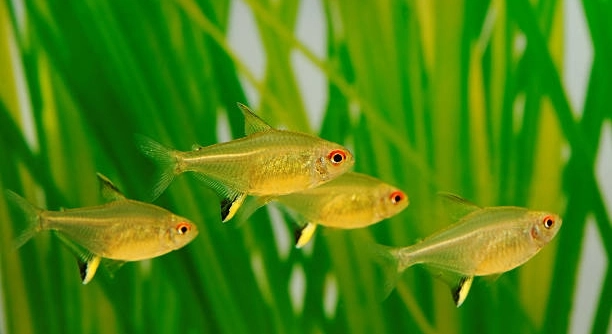
Are your lemon tetras looking less vibrant than usual or acting unusually shy in their tank? Maintaining the right water parameters is crucial for their health and overall well-being. Small changes can have a big impact on their behavior and color.
Lemon tetra water parameters are considered off when factors such as pH, temperature, hardness, or ammonia levels fall outside their optimal ranges. Monitoring and adjusting these conditions helps prevent stress, disease, and ensures healthy growth and natural coloration.
Keeping a close eye on your tank conditions can make all the difference in your lemon tetras’ happiness and longevity. Proper care ensures they thrive in a stable environment.
Dull or Faded Color
When lemon tetras lose their bright yellow hue, it is often a clear sign that water conditions are not ideal. Poor water quality, incorrect pH, or temperature fluctuations can stress the fish, causing their colors to fade. Nutrient deficiencies or insufficient lighting may also contribute, but water parameters remain the most common factor. Observing your tetras daily allows you to notice gradual changes before they become severe. A consistent maintenance routine, including regular water changes and testing for pH, ammonia, nitrites, and nitrates, helps keep their colors vibrant. Even small adjustments can make a noticeable difference in their appearance. Stress from overcrowding or aggressive tank mates can amplify fading. Ensuring your tank mimics natural conditions and remains stable provides your tetras with a sense of security. Over time, properly balanced water parameters will restore their vivid coloration, making the aquarium more visually appealing.
Dull coloration usually indicates stress or imbalanced water. Regular testing and minor adjustments can quickly restore their vibrancy.
Keeping your lemon tetras in water with balanced parameters prevents color loss and promotes natural behavior. Even if they seem fine initially, subtle shifts in pH, hardness, or temperature can trigger fading. Monitoring water closely and acting promptly helps maintain both health and color over time. Adjusting lighting and feeding high-quality foods complements these efforts, supporting recovery.
Lethargic or Unusual Behavior
Lemon tetras that become unusually inactive or hide more than usual may be reacting to poor water conditions. Low oxygen, high ammonia, or incorrect temperature can lead to lethargy. Observing behavior alongside water testing helps pinpoint issues.
Behavioral changes often signal a need to test water parameters immediately. Regular observation ensures timely adjustments.
Lethargy in lemon tetras is rarely random. When water parameters are off, even minor deviations can disrupt their metabolism and activity. Fish may remain near the bottom of the tank or avoid interacting with tank mates. Ensuring stable temperature, pH, and clean water prevents stress and supports natural activity. Overfeeding or sudden changes in the environment can worsen lethargy. Maintaining a consistent schedule for feeding, lighting, and water changes encourages healthy behavior patterns. Recognizing these subtle signs early allows you to correct conditions before the tetras’ health declines, helping them regain energy and exhibit normal swimming and schooling behaviors again.
Loss of Appetite
Loss of appetite in lemon tetras often points to water issues. Ammonia spikes, incorrect pH, or sudden temperature changes can stress the fish, making them refuse food. Monitoring feeding habits helps catch problems early.
When lemon tetras stop eating, water quality should be checked immediately. Ammonia, nitrite, and nitrate levels outside safe ranges can cause digestive issues or stress that suppress appetite. Even minor fluctuations in temperature or pH can affect their willingness to eat. Proper tank maintenance, including partial water changes and regular testing, supports their health and encourages normal feeding. Overfeeding or poor-quality food can also worsen the problem, so offering a balanced diet in small portions is essential.
Maintaining consistent water parameters is key to restoring appetite. Sudden changes in water chemistry can stress tetras, reducing feeding interest. Observing daily behavior alongside water tests allows for quick corrections. Clean, stable water encourages fish to eat normally, and introducing high-quality, nutrient-rich food gradually helps them regain regular feeding patterns without further stress.
Gasping at the Surface
Gasping at the surface often indicates low oxygen or poor water quality. Lemon tetras may struggle to breathe if ammonia or nitrite levels rise. Immediate action is needed to prevent serious health issues.
Surface gasping is a direct response to oxygen deficiency or toxic water conditions. Testing the water for ammonia, nitrite, nitrate, and pH can reveal imbalances that compromise oxygen availability. Poor circulation, inadequate aeration, or overstocking can worsen the problem. Correcting these issues quickly by adjusting water parameters, increasing aeration, and performing partial water changes restores oxygen levels. Observing tetras after adjustments ensures they recover properly.
Maintaining proper oxygen levels requires stable water parameters and good tank circulation. High ammonia or nitrite levels reduce the blood’s ability to carry oxygen, causing tetras to gasp. Providing consistent aeration, avoiding overcrowding, and monitoring water quality daily help prevent recurring problems. Combining these steps with regular maintenance protects the tetras’ respiratory health and overall well-being.
Clamped Fins
Clamped fins are a common sign of stress or poor water quality. Lemon tetras keep their fins close to their bodies when they feel uncomfortable or unwell. Regular water testing helps identify the issue quickly.
This behavior often indicates imbalanced water parameters, including high ammonia, nitrite, or inappropriate pH levels. Temperature fluctuations or overcrowding can also contribute. Correcting water conditions and maintaining a stable environment encourages fin relaxation and normal swimming behavior.
Erratic Swimming
Erratic swimming is usually caused by sudden changes in water conditions. Fish may dart, spin, or swim unusually, signaling stress or discomfort in their environment. Monitoring water parameters closely can prevent worsening behavior.
Visible Physical Changes
Swelling, lesions, or discoloration often point to poor water quality. Imbalances in ammonia, nitrite, or hardness levels can lead to visible health problems in lemon tetras. Immediate adjustments improve their condition.
Hiding More Than Usual
Excessive hiding is a stress response. Lemon tetras may retreat when water parameters are off or when the tank environment becomes unstable. Observing their patterns helps detect issues early.
FAQ
How often should I test my lemon tetra tank water?
Testing water at least once a week is ideal for lemon tetras. Regular checks for pH, ammonia, nitrites, and nitrates help detect problems early. More frequent testing may be needed after water changes or when introducing new fish to maintain a stable environment.
What are the optimal water parameters for lemon tetras?
Lemon tetras thrive in a pH range of 6.0–7.0, temperature between 72–78°F (22–26°C), and soft to moderately hard water. Ammonia and nitrite levels should always be at 0 ppm, while nitrates should stay below 20 ppm to prevent stress and health issues.
Why are my tetras gasping at the surface even though the tank looks fine?
Surface gasping often indicates low oxygen or high toxin levels. Even with a clean tank, poor circulation or hidden ammonia spikes can cause this behavior. Improving aeration and performing partial water changes usually helps restore proper oxygen levels.
Can fluctuating pH affect my lemon tetras?
Yes. Lemon tetras are sensitive to sudden pH changes. Rapid swings can stress their immune system, lead to color fading, and trigger unusual behaviors. Maintaining a stable, consistent pH is more important than aiming for an exact number.
How do I safely lower ammonia or nitrite levels?
Partial water changes are the most effective and safe method to reduce ammonia and nitrite. Adding beneficial bacteria supplements can also help detoxify the water. Avoid sudden, large changes that could further stress the fish. Testing frequently ensures levels remain safe.
Why is my lemon tetra losing color?
Fading colors usually indicate stress from poor water quality, incorrect temperature, or nutrient deficiencies. Stable water conditions, proper diet, and adequate lighting help restore natural vibrancy. Observing behavior alongside water tests helps pinpoint the cause.
How can I encourage my tetras to eat again after losing appetite?
Offer small, high-quality portions of varied foods like flakes, micro pellets, or frozen options. Maintaining stable water parameters and avoiding overfeeding helps stimulate appetite. Gradually reintroducing food prevents further stress and encourages normal feeding behavior.
Is overcrowding harmful to lemon tetras?
Yes. Overcrowding increases waste, lowers oxygen, and stresses fish. Maintaining proper stocking density allows water parameters to stay balanced and reduces competition for food and space, promoting healthier and more active tetras.
What signs indicate water hardness is affecting my tetras?
Excessively hard or soft water can cause stress, fin clamping, hiding, or erratic swimming. Regularly measuring GH and KH levels and adjusting with safe water conditioners or blends ensures the environment stays suitable for lemon tetras.
Can temperature swings make tetras sick?
Yes. Sudden drops or spikes in temperature can weaken the immune system, trigger stress, and make tetras more susceptible to disease. Keeping the tank heater stable and monitoring fluctuations helps maintain their health consistently.
How do I maintain long-term water stability for my lemon tetras?
Regular water testing, consistent partial water changes, and proper filtration are essential. Avoid sudden additions of chemicals, overfeeding, or overcrowding. A steady routine, careful monitoring, and attention to tank conditions ensure a safe and thriving environment for your fish.
What should I do if I notice multiple signs of water stress at once?
Address the most critical factors first, such as ammonia, nitrites, or oxygen levels. Perform partial water changes, improve aeration, and stabilize temperature. Test frequently and observe behavior closely to ensure your tetras recover and remain healthy over time.
Final Thoughts
Maintaining healthy water parameters is essential for lemon tetras. These small, delicate fish rely on stable conditions for their overall well-being, natural color, and behavior. Even minor fluctuations in pH, temperature, hardness, or ammonia levels can cause stress, leading to fading colors, hiding, or unusual swimming patterns. Observing your tetras regularly and testing water consistently allows you to detect changes early before they develop into serious health issues. Small adjustments, such as correcting pH, increasing aeration, or performing partial water changes, can have a noticeable positive impact. Stability is more important than achieving exact numbers, so gradual improvements are often better than sudden drastic changes. Keeping the tank environment balanced helps your lemon tetras feel secure, thrive, and display their natural, vibrant appearance, making the aquarium more enjoyable to watch.
Water quality also directly influences appetite and behavior. Lemon tetras may refuse food, become lethargic, or hide excessively if water parameters are off. Stress caused by poor water conditions weakens their immune system, making them more susceptible to illness. Maintaining consistent routines for feeding, cleaning, and monitoring tank conditions is essential for their health. Providing a varied, high-quality diet alongside stable water conditions encourages normal feeding and growth. Observing daily habits, such as swimming patterns and interactions with tank mates, offers important clues about their environment. Even subtle changes, like clamped fins or minor color loss, signal that water quality should be checked and adjusted. Proactive care ensures that issues do not escalate, helping your tetras remain active, colorful, and healthy over time.
Creating a stable, well-maintained tank benefits not only your lemon tetras but also the overall ecosystem in the aquarium. Proper filtration, aeration, and careful stocking levels support clean, oxygen-rich water and reduce stress. Routine partial water changes remove waste and prevent harmful spikes in ammonia or nitrite, while regular testing ensures that pH, hardness, and temperature remain within safe ranges. Avoiding overcrowding and sudden environmental changes further contributes to a calm, stable habitat. Over time, these practices build a predictable and secure environment where lemon tetras can flourish. Consistent attention to water parameters, combined with proper feeding and monitoring, provides a foundation for long-term health, natural coloration, and lively behavior, making the aquarium a rewarding space for both the fish and the keeper.

Hello,
If you enjoy the content that we create, please consider saying a "Thank You!" by leaving a tip.
Every little bit helps us continue crafting quality advice that supports the health, happiness, and well-being of pets around the world, for pets of all shapes, sizes, and species.
We really appreciate the kindness and support that you show us!