
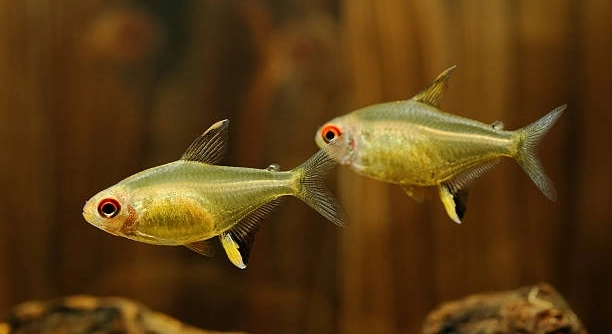
Is your lemon tetra staying by itself while the rest of the school swims together? Observing this behavior can be worrying, especially when you expect a harmonious group. Understanding why your fish isolates itself is essential for its wellbeing.
Lemon tetras may not join the group due to stress, illness, territorial behavior, or environmental factors. Ensuring proper water conditions, hiding spaces, and compatible tankmates is crucial to encourage social interaction and maintain overall health.
Learning the reasons behind your lemon tetra’s isolation can improve its social behavior and create a more balanced and happy aquarium environment.
Signs Your Lemon Tetra Feels Stressed
Stress in lemon tetras can show in several ways. They may hide more than usual, swim erratically, or stay at the bottom of the tank. Loss of appetite is another common sign, and the fish may appear pale or less vibrant. Stress often results from sudden changes in the environment, overcrowding, or incompatible tankmates. Even subtle changes, like a new decoration or a shift in water temperature, can affect them. Observing your tetra’s behavior closely helps you identify patterns. Noticing repeated hiding or isolation can indicate persistent stress rather than a temporary reaction. Providing stable water parameters and maintaining a calm environment reduces stress significantly. Adding plants or decorations can create secure spaces, giving your fish confidence to explore. A healthy tetra is active and interacts with its group regularly. Consistency and patience are key to restoring balance in the tank and helping your fish feel safe.
Stress signs can be subtle, but they often worsen if ignored. Observing patterns early prevents health issues.
Reducing stress requires adjusting the environment thoughtfully. Water should be at the correct temperature, pH, and hardness for lemon tetras. Avoid sudden changes and limit disturbances around the tank. Providing adequate hiding spots, such as plants or decorations, allows the fish to retreat when needed. Ensure tankmates are compatible, avoiding aggressive species that intimidate the tetra. Feeding a balanced diet consistently supports both physical health and stress resilience. Sometimes, rearranging the tank gradually rather than all at once helps fish adapt better. Regular water changes reduce toxins and maintain a stable environment, which is essential for calm behavior. Patience is important, as tetras may take time to rejoin the group. Over time, careful observation and adjustments can restore confidence, encouraging your lemon tetra to socialize naturally with the school.
Environmental Adjustments to Encourage Grouping
Small changes in the tank can influence a tetra’s social behavior. Temperature, water clarity, and tank layout all play a role.
Proper environment is crucial to promote social interaction. Water should be kept clean and at consistent temperature, avoiding sudden shifts. Adequate lighting and natural hiding spots like plants help the tetra feel secure. Overcrowding can make fish anxious, so maintaining a suitable group size is important. Introducing new tankmates slowly prevents stress and helps establish boundaries. Feeding should be scheduled and consistent to reduce competition or anxiety. Decorations should be arranged to provide both open swimming areas and retreat spaces. Observing the fish daily allows you to notice behavioral changes quickly, adjusting the environment as needed. Even minor adjustments, like adding floating plants or slightly changing lighting, can improve confidence. A calm, stable, and well-structured tank encourages your lemon tetra to gradually join the group, interact comfortably, and thrive with its schoolmates over time.
Illness and Health Concerns
A lemon tetra may isolate itself when unwell. Symptoms like clamped fins, pale coloration, or lethargy often indicate disease. Early detection is vital to prevent spreading illness and restoring the fish’s normal behavior.
Illness can greatly affect a lemon tetra’s willingness to join its group. Common issues include bacterial infections, parasites, and stress-related ailments. Poor water quality, sudden temperature changes, or overfeeding can weaken the immune system, making the fish more susceptible. Observing physical signs and behavior closely helps identify when medical attention is needed. Quarantining the affected fish and treating the tank properly can prevent further harm. Maintaining cleanliness and a balanced diet supports overall health and encourages social behavior in the school.
Prompt action is essential when illness is suspected. Monitor the tetra for changes in swimming, eating, or coloration. Ensuring proper water parameters, isolating the sick fish, and using recommended treatments can restore health. Consistent care reduces stress, strengthens immunity, and encourages the fish to rejoin the group. Healthy fish are more active, confident, and responsive to tankmates, gradually resuming normal schooling patterns. Patience and careful observation ensure a smooth recovery and prevent future episodes.
Tankmates and Social Dynamics
Lemon tetras rely on social cues from compatible tankmates. Aggressive or overly dominant fish can push them away, affecting group behavior.
Compatibility is key for a harmonious school. Lemon tetras are peaceful, so pairing them with fin-nipping or larger aggressive species can cause fear and isolation. Even smaller stressors, like new additions or sudden changes in behavior from tankmates, can discourage social interaction. Keeping them with other peaceful, similarly sized fish encourages confidence and cohesion. Observing interactions helps identify which species may be causing tension. Rearranging tankmates or adjusting group sizes can improve overall dynamics. Maintaining stable social conditions fosters a comfortable environment for the tetra to participate fully in the school.
Tank Size and Space
A small or overcrowded tank can make lemon tetras feel insecure. Limited swimming space and competition for resources may lead to isolation from the group.
Providing enough space is essential. A larger tank allows each fish to establish its own territory while maintaining access to the group.
Lighting and Hiding Spots
Proper lighting helps fish feel secure and reduces stress. Too bright or too dim conditions may cause avoidance behavior.
Adding plants, rocks, and decorations offers safe retreats. Hiding spots give tetras confidence, encouraging them to interact with the school naturally.
Feeding Routine
Irregular feeding can create tension and stress among fish. Consistent schedules prevent competition and encourage relaxed group behavior.
Gradual Reintroduction
When a lemon tetra has been isolated, slowly reintroducing it to the group helps reduce fear. Careful observation ensures smooth integration.
FAQ
Why is my lemon tetra hiding more than usual?
Hiding is often a response to stress, illness, or new tankmates. Sudden changes in water conditions, temperature, or decorations can make your tetra feel insecure. Providing stable water parameters, sufficient hiding spots, and peaceful companions encourages confidence and reduces hiding behavior.
Can water quality affect my lemon tetra’s social behavior?
Yes. Poor water quality can cause stress and weaken the immune system, making tetras less likely to join their school. Regular water changes, testing pH, ammonia, nitrite, and nitrate levels, and maintaining appropriate temperature and hardness are essential for healthy, social fish.
How many lemon tetras should I keep together?
A minimum of six is recommended. Lemon tetras are schooling fish and feel safer in larger groups. Smaller numbers may lead to stress or isolation. Ensuring the tank is spacious enough for the group is also critical to prevent aggression or territorial disputes.
Could tankmates be causing my tetra to isolate?
Yes. Aggressive, fin-nipping, or overly dominant fish can intimidate lemon tetras. Keeping them with peaceful, similarly sized species helps maintain group cohesion. Observing interactions can highlight problem fish, which may need separation or a different tank arrangement.
Is my tetra sick if it won’t join the group?
Possibly. Signs like clamped fins, pale coloration, lethargy, or loss of appetite indicate potential illness. Quarantining the affected fish, treating the tank if necessary, and maintaining proper water conditions can help restore health and encourage social behavior.
How does tank size affect schooling?
Small or overcrowded tanks limit movement and increase stress. Lemon tetras need space to swim and establish territories while staying connected to the school. A larger tank provides both open areas and hiding spots, promoting confidence and natural social behavior.
Can lighting influence my lemon tetra’s behavior?
Yes. Too bright or too dim lighting can make fish feel unsafe and increase isolation. Providing moderate lighting and incorporating plants or decorations for cover helps tetras feel secure and encourages interaction with their schoolmates.
Does feeding schedule impact group behavior?
Irregular feeding or competition for food can increase stress. Consistent, balanced feeding schedules ensure all fish receive nutrition without tension. This helps lemon tetras feel safe and more likely to swim together naturally.
What should I do if my isolated tetra doesn’t rejoin the group?
Try gradual reintroduction. Move the fish closer to the school slowly and provide hiding spots nearby. Observe interactions to ensure it isn’t bullied. Patience and maintaining stable environmental conditions help the fish regain confidence and reintegrate safely over time.
Can decorations or plants improve social behavior?
Absolutely. Plants, rocks, and other structures provide retreats and reduce stress. Hiding spots allow lemon tetras to feel secure while observing the group. Over time, this encourages hesitant or timid fish to engage with the school naturally.
How long does it take for a tetra to rejoin the group?
It varies depending on the cause of isolation and the individual fish’s personality. Some may reintegrate within days, while others take weeks. Consistency in environment, gentle observation, and providing safety through plants or decorations accelerate this process.
Are all lemon tetras equally social?
No. Individual temperament differs. Some tetras are naturally more cautious or shy. Providing a calm, safe environment and maintaining a proper group size helps even the timid fish feel comfortable enough to participate in schooling behavior.
Can stress from new tankmates cause long-term isolation?
Yes. If stress is prolonged, it can lead to chronic hiding, reduced appetite, and vulnerability to illness. Immediate action, like rearranging tankmates, providing hiding spots, and monitoring water quality, can prevent long-term social issues and restore normal behavior.
Do water temperature changes affect group behavior?
Sudden fluctuations can stress lemon tetras, causing them to isolate. Keeping a consistent temperature within their preferred range promotes stability, reducing stress and encouraging the tetra to swim confidently with its group.
Is it normal for a tetra to leave the group occasionally?
Yes, brief periods of solitude can occur for resting or exploring. However, persistent isolation is a concern. Monitoring behavior and ensuring optimal conditions will determine if intervention is needed.
How important is observing behavior daily?
Daily observation helps detect subtle changes in activity, coloration, or appetite. Early detection of stress, illness, or social tension allows timely action, ensuring your lemon tetra remains healthy and engaged with its school.
Lemon tetras are naturally social fish, and seeing one isolate itself can be concerning. It is important to understand that several factors influence this behavior, ranging from stress and illness to environmental conditions and social dynamics. Observing your fish closely can reveal clues about what might be causing the isolation. Stress can manifest subtly through changes in swimming patterns, hiding, or loss of appetite, and it is often linked to sudden changes in the tank environment. Even minor adjustments, such as adding a new decoration, introducing new tankmates, or altering water temperature, can make a tetra feel insecure. Maintaining stable water parameters, including temperature, pH, and cleanliness, plays a key role in reducing stress. Providing a calm environment with enough hiding spaces gives the fish confidence to explore the tank and rejoin its group.
Health concerns are another important factor to consider. Illness or weakened immunity can make lemon tetras less willing to interact with others. Common signs of illness include clamped fins, pale coloration, lethargy, and reduced appetite. Quarantining the affected fish and addressing the specific health issue can prevent further complications and encourage the fish to return to normal social behavior. Maintaining a consistent feeding routine and a balanced diet supports overall health, which also reduces stress levels. Observing behavioral patterns over time allows you to distinguish between temporary hiding and long-term isolation caused by illness or discomfort. By taking careful and consistent steps to support your tetra’s health, you create the conditions for it to feel secure and engaged with its school.
Social dynamics and environmental conditions play a significant role as well. Lemon tetras rely on cues from their tankmates, and aggressive or dominant fish can create tension, causing isolation. Ensuring compatibility among tankmates and maintaining an appropriate group size promotes cohesion. Tank size is also critical; overcrowding can increase stress and limit swimming space, while too little environmental complexity can make a tetra feel exposed. Including plants, rocks, and other hiding spots allows fish to retreat when they feel unsure, gradually building confidence to rejoin the group. Over time, patience, careful observation, and adjustments to water quality, tankmates, and the layout can help your lemon tetra feel comfortable and fully participate in schooling behavior. By addressing these key factors, you create a healthier, more balanced aquarium where your tetra can thrive socially and physically.

Hello,
If you enjoy the content that we create, please consider saying a "Thank You!" by leaving a tip.
Every little bit helps us continue crafting quality advice that supports the health, happiness, and well-being of pets around the world, for pets of all shapes, sizes, and species.
We really appreciate the kindness and support that you show us!