
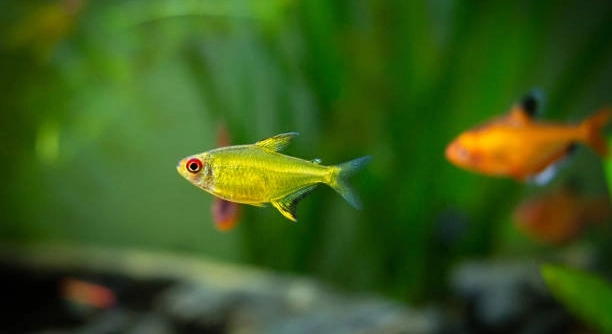
Do you ever notice your lemon tetra swimming gracefully and wonder about its well-being? These small, bright fish are popular in home aquariums and often spark questions about their health and comfort. Watching them can make you think deeply about their experiences.
Scientific studies indicate that lemon tetras possess nociceptors and exhibit behavioral responses to harmful stimuli, suggesting they can experience pain. Research supports the presence of neural pathways capable of processing discomfort in these small freshwater fish.
Understanding how lemon tetras respond to pain can improve the care you provide. Their behavior and environment are closely connected to their health and overall quality of life.
How Lemon Tetras Sense Pain
Lemon tetras, like many fish, have a nervous system that allows them to detect harmful stimuli. They respond to injuries or threats with behaviors such as rapid swimming, hiding, or rubbing against surfaces. These actions are indicators that their body is signaling discomfort or distress. Research shows that fish possess nociceptors, specialized nerve endings that detect damage, and the brain processes these signals in a way similar to other vertebrates. Observing your lemon tetra carefully can reveal subtle changes in behavior when they are exposed to stressful conditions, like sudden temperature shifts or poor water quality. Maintaining a stable and clean aquarium helps minimize stress and potential harm. Understanding their sensory abilities encourages more mindful care practices. Even small adjustments, such as avoiding sudden handling or placing sharp objects in the tank, can prevent injuries. Respecting their biological responses promotes healthier and more active fish.
Lemon tetras rely on sensory cues and behavioral responses to navigate their environment safely. Their nervous system actively signals discomfort or threat.
Providing an environment that reduces stress improves their overall behavior. Observing these signs helps maintain a healthier, happier aquarium.
Common Stressors in Aquariums
Water quality is a major factor affecting lemon tetra health. Poor conditions can trigger stress, impacting their ability to respond to pain properly.
Stressors such as sudden changes in temperature, inappropriate pH, overcrowding, or insufficient hiding spaces can directly influence lemon tetras’ behavior. Fish under constant stress may show erratic swimming, loss of appetite, or increased aggression toward tank mates. Long-term exposure to poor conditions can weaken their immune system, making them more susceptible to disease and injuries. Monitoring water parameters like ammonia, nitrite, nitrate levels, and temperature is essential. Providing plants, rocks, and other decorations gives them areas to hide and feel secure. Even the presence of strong currents or bright lighting can affect their comfort. Gentle handling and minimizing disturbances are crucial, especially during cleaning or maintenance. By creating a stable, safe environment, you reduce the likelihood of stress-related behaviors. Awareness of these factors allows aquarists to make informed decisions, ensuring the tetras thrive in captivity and maintain normal responses to their surroundings.
Signs of Pain in Lemon Tetras
Lemon tetras show pain through changes in behavior. They may swim frantically, hide more than usual, or avoid food. Physical signs like damaged fins or unusual body posture can also indicate discomfort. Watching them closely helps identify issues early.
Behavioral changes are often subtle. A normally active tetra that suddenly becomes lethargic may be experiencing stress or pain. Rubbing against tank surfaces, erratic darting, or staying at the bottom of the tank can signal discomfort. Fin clamping, where fins are held close to the body, is another common sign. Not all changes indicate pain, but consistent patterns combined with environmental issues often point to problems. Keeping a daily observation log can make patterns more noticeable, allowing you to react before conditions worsen.
Physical symptoms can provide clearer clues. Torn fins, small white spots, or swelling are visible indicators of injury or illness. Skin or scale damage may occur from aggressive tank mates or sharp decorations. Monitoring both behavior and appearance together provides a more complete understanding of a lemon tetra’s health. Acting quickly when these signs appear helps prevent further suffering and ensures a stable environment.
Preventing Pain Through Proper Care
Consistent maintenance of water quality keeps lemon tetras healthy. Stable conditions reduce stress, which minimizes pain responses.
Maintaining proper temperature, pH levels, and ammonia balance is essential for preventing discomfort. Regular water changes and cleaning reduce the risk of harmful bacteria and toxins. Avoiding overcrowding ensures each fish has enough space to swim freely without competition. Introducing hiding spots with plants or decorations allows tetras to feel secure, decreasing stress-related injuries. Gradual changes to the tank environment prevent shock, which can trigger pain responses. Choosing compatible tank mates also prevents aggressive encounters that may harm delicate fish.
Nutrition plays a role in minimizing pain and stress. A balanced diet with high-quality flakes, pellets, and occasional live or frozen food ensures strong immune function. Malnourished fish are more prone to injuries and disease, which can increase pain. Feeding small amounts multiple times a day mimics natural feeding habits and reduces competition. Observing eating behavior can also signal health issues early. Providing proper care and attention to both environment and diet helps keep lemon tetras active, responsive, and less likely to experience avoidable discomfort.
Environmental Hazards
Sharp decorations and rough surfaces can injure lemon tetras. Even small scratches may cause pain and lead to infections if not addressed.
Sudden temperature changes or strong currents can stress fish. Stress lowers immunity, making them more vulnerable to illness and injury in the tank.
Handling and Transportation
Handling lemon tetras improperly can cause physical harm and stress. Nets or sudden scooping may damage fins or scales, creating pain and vulnerability. Using gentle techniques and minimizing handling time reduces risk and keeps fish calmer during necessary moves.
Role of Social Behavior
Lemon tetras are social fish. Aggression or overcrowding in the tank can cause injuries, stress, and pain. Maintaining proper group sizes and compatible companions prevents fights and ensures a safer environment for all fish.
Medical Intervention
Illness or injury requires careful attention. Prompt treatment with appropriate medications or isolation can reduce pain, prevent infections, and support faster recovery in lemon tetras.
FAQ
Can lemon tetras feel pain like mammals?
Lemon tetras have nociceptors, which detect harmful stimuli, and their nervous system processes these signals. While they do not feel pain exactly like mammals, their responses to injuries or stress indicate discomfort. Observing behavior changes helps identify when they may be in pain.
What behaviors show a lemon tetra is in pain?
Signs include hiding, erratic swimming, rubbing against surfaces, clamped fins, and reduced appetite. Physical changes like torn fins, discoloration, or swelling also indicate stress or injury. Paying close attention to these behaviors allows for early intervention before conditions worsen.
How can I prevent my lemon tetra from getting hurt?
Maintaining stable water conditions, proper temperature, and compatible tank mates reduces the risk of injuries. Avoid overcrowding and provide plants or hiding spots. Handle fish gently and avoid sudden movements or rough nets. Gradual environmental changes prevent stress that may lead to harm.
Does water quality affect their pain response?
Yes, poor water quality increases stress, which can amplify pain sensitivity. High ammonia or nitrite levels, improper pH, or fluctuating temperatures can cause discomfort and make minor injuries more serious. Regular water testing and cleaning are essential to maintain health.
What should I do if my lemon tetra is injured?
Isolate injured fish in a separate tank to prevent further harm. Monitor water quality closely and consider appropriate medications for infections or fin damage. Minimizing handling while providing optimal conditions supports recovery and reduces ongoing pain.
Are social interactions a factor in pain or stress?
Yes, overcrowding or aggressive tank mates can lead to injuries and stress. Lemon tetras do best in small schools with compatible fish. Proper group sizes and peaceful companions reduce fights and associated pain.
How does diet influence their well-being?
A balanced diet with quality flakes, pellets, and occasional live or frozen food supports immune health. Malnutrition can make fish more susceptible to injury, disease, and stress, increasing discomfort. Feeding small, frequent meals helps maintain overall health.
Can I tell when a lemon tetra is stressed without physical signs?
Behavioral cues like hiding, lethargy, reduced activity, or avoiding feeding often indicate stress before physical symptoms appear. Regular observation helps detect discomfort early, allowing for preventive measures to avoid pain.
Do lemon tetras feel pain from tank maintenance?
Rough handling or sudden changes during maintenance can cause stress or minor injuries. Gentle handling, slow water changes, and avoiding sudden temperature shifts help minimize discomfort and protect sensitive fins.
Is it necessary to treat minor injuries?
Even small injuries can lead to infections if left untreated. Monitoring the fish and applying safe treatments when necessary prevents further pain and complications. Isolation can also help injured fish recover safely.
How quickly do lemon tetras recover from injuries?
Recovery depends on water quality, stress levels, and proper care. Providing stable conditions, good nutrition, and minimal handling accelerates healing. Minor fin damage may heal in a few days, while more severe injuries could take weeks.
Can stress alone cause pain in lemon tetras?
Chronic stress can weaken the immune system, make fish more sensitive to minor injuries, and reduce their ability to cope with environmental changes. Reducing stressors is crucial for minimizing discomfort and promoting overall well-being.
What role do hiding places play in preventing pain?
Plants, rocks, and decorations give lemon tetras secure areas to escape aggression or strong currents. These spaces reduce stress, prevent injuries, and allow fish to recover from minor discomfort safely. Proper tank design is essential for their comfort.
How often should I observe my lemon tetras for signs of pain?
Daily observation is best. Noticing subtle behavioral changes or physical damage early ensures prompt action. Even minor issues can escalate quickly in small, delicate fish, so regular monitoring helps maintain health and comfort.
Can temperature fluctuations affect pain perception?
Yes, sudden or extreme changes can cause stress and discomfort. Stable temperature within recommended ranges supports normal behavior and reduces the risk of pain from stress or environmental shocks.
Are lemon tetras more sensitive to pain than other fish?
While all fish have nociceptors, sensitivity can vary by species. Lemon tetras show clear behavioral changes to harmful stimuli, indicating moderate sensitivity. Understanding their responses helps in providing careful, attentive care.
Is it safe to medicate lemon tetras at home?
Yes, with proper guidance. Using aquarium-safe medications for injuries, infections, or parasites is effective. Follow dosage instructions carefully, and isolate treated fish if possible to prevent stress or accidental overdosing.
Do tank vibrations or noises affect their pain or stress?
Loud vibrations, banging, or sudden movements can startle fish, causing stress that may worsen existing injuries. Minimizing disturbances and providing calm surroundings helps reduce discomfort and supports healthy behavior.
Can lemon tetras communicate discomfort to each other?
While they do not vocalize pain, changes in swimming patterns, hiding, or aggression can signal distress to other tetras. Social awareness may influence group behavior, highlighting the importance of maintaining calm and safe tank conditions.
What long-term effects can untreated pain have?
Chronic stress, weakened immunity, and higher susceptibility to disease are common. Untreated injuries can worsen over time, leading to reduced lifespan and poorer overall health. Timely intervention ensures comfort and supports long-term well-being.
How do I know if my care practices are effective?
Healthy, active swimming, regular feeding, and minimal signs of stress indicate that care routines are working. Observing group behavior and physical condition helps confirm that the environment is safe and pain-free.
Lemon tetras are small, delicate fish, but they are capable of feeling discomfort and stress. Their nervous system allows them to respond to harmful stimuli, which means they can experience pain in a way that affects their behavior and overall health. Observing your fish carefully can reveal when something is wrong. Changes in swimming patterns, appetite, or physical appearance are often the first signs that a lemon tetra is struggling. Even subtle behaviors, like staying near the bottom of the tank or hiding for longer periods, can indicate that the fish is uncomfortable. By paying attention to these signals, aquarists can take action to correct issues before they become more serious. Providing a stable and safe environment is one of the most important ways to reduce the risk of pain and stress.
Maintaining proper water conditions is crucial for the well-being of lemon tetras. Fluctuations in temperature, pH, and ammonia levels can quickly cause stress, which makes fish more sensitive to injuries or illness. Overcrowding or placing aggressive species in the same tank can lead to fights or fin damage. Even decorations with sharp edges can cause small injuries that, if untreated, may become infected. Providing hiding spaces like plants or rocks gives tetras a safe area to retreat when they feel threatened. These measures help reduce both physical pain and stress, allowing lemon tetras to swim, eat, and behave normally. A well-maintained environment also supports their immune system, making them more resilient to disease and minor injuries. Consistency is key, and small, steady efforts make a big difference in their overall health.
Handling and care routines also play a role in preventing pain. Sudden movements, rough nets, or abrupt changes in the tank can cause stress and minor injuries. Feeding a balanced diet with high-quality food supports their health and reduces the risk of malnutrition-related problems. Regular observation helps detect early signs of illness or discomfort, so treatment can begin quickly. If a fish is injured or ill, isolating it in a safe area and providing proper medication when needed reduces suffering and speeds recovery. Understanding their behavior and needs ensures that lemon tetras are comfortable and active. By combining careful monitoring, stable water conditions, thoughtful tank setup, and gentle handling, it is possible to minimize pain and create an environment where lemon tetras can thrive for years.

Hello,
If you enjoy the content that we create, please consider saying a "Thank You!" by leaving a tip.
Every little bit helps us continue crafting quality advice that supports the health, happiness, and well-being of pets around the world, for pets of all shapes, sizes, and species.
We really appreciate the kindness and support that you show us!