
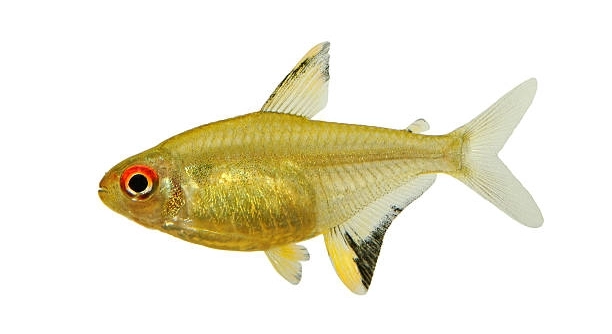
Lemon tetras are small, vibrant fish that brighten up any aquarium. Their bright yellow bodies and shimmering fins make them a favorite among hobbyists. Many people enjoy watching their lively movements and peaceful nature in tanks.
Despite their small size, lemon tetras have fascinating behaviors and biological traits. They communicate through subtle fin movements, prefer well-planted environments, exhibit schooling patterns for safety, and display seasonal breeding behaviors that are rarely observed outside their natural habitat.
Learning about these unique traits will enhance your appreciation for lemon tetras. Their delicate beauty and interesting behaviors make them remarkable additions to home aquariums.
Lemon Tetras’ Natural Habitat
Lemon tetras are native to South America, primarily found in slow-moving rivers and streams with dense vegetation. Their natural waters are soft, slightly acidic, and rich in plant life, which provides shelter and food. These fish thrive in shaded areas where light filters gently through the water, creating a calm environment. In the wild, they form small schools that swim together for protection. Their bright yellow color helps them blend with dappled sunlight on the riverbed, reducing the risk of predators. Leaf litter and submerged branches offer places to hide, which is essential for their wellbeing. They feed on tiny insects, larvae, and plant matter, keeping their diet varied and balanced. Understanding their native conditions helps when replicating similar habitats in aquariums. Mimicking these environmental factors can improve health, reduce stress, and encourage natural behaviors like schooling and breeding. Observing them in a habitat that feels familiar allows them to show their true colors and lively personalities.
Their natural habitat makes it easier to replicate the right conditions in a home aquarium. Soft water and plants are key to their health and activity.
Recreating these habitats at home involves using live plants, gentle filtration, and maintaining stable water conditions. Avoid sudden changes in temperature or water chemistry, as lemon tetras are sensitive. Incorporating floating plants provides shade and mimics river conditions, while smooth stones and leaf litter offer hiding spots. Feeding them a mix of high-quality flakes, frozen, or live foods keeps them healthy and active. Observing their schooling behavior becomes more enjoyable when they feel secure. By paying attention to water parameters, decorations, and diet, you encourage their natural colors and behaviors to shine. Over time, they develop trust in the environment, which reduces stress-related issues and enhances their longevity. Consistent maintenance and thoughtful tank design allow you to witness their social interactions, playful swimming patterns, and subtle signals they use to communicate within the school. Creating such a space is rewarding and ensures these delicate fish thrive for years.
Unique Breeding Habits
Lemon tetras breed in shallow, densely planted areas. Males display brighter colors to attract females, signaling readiness to spawn.
During breeding, females scatter eggs among fine-leaved plants. They can produce dozens at a time, and eggs hatch within a day or two. Males do not guard the eggs, and the fry feed on microscopic organisms. Maintaining optimal water conditions, slightly acidic and soft, increases the chances of successful spawning. Temperature fluctuations should be minimal, around 75–80°F, to mimic their natural seasonal cues. In captivity, breeders often separate the eggs to prevent adults from eating them, ensuring more fry survive. Monitoring water quality and offering live foods to the young improves growth and survival rates. Breeding lemon tetras provides insight into their life cycle, highlighting delicate instincts and subtle behaviors rarely noticed in other fish. Watching the fry develop into miniature adults demonstrates their resilience and adaptability, offering a deeper understanding of these vibrant, social fish.
Diet and Feeding
Lemon tetras eat small insects, larvae, and plant matter in their natural habitat. In aquariums, they thrive on high-quality flake food, micro pellets, and occasional frozen or live foods. A varied diet keeps them healthy and enhances their vibrant colors.
Providing a balanced diet ensures proper growth and overall wellbeing. Feeding small amounts two to three times daily prevents overfeeding and maintains water quality. Live or frozen foods like daphnia, brine shrimp, or bloodworms add essential protein. Supplementing with finely chopped vegetables or algae-based foods gives them additional nutrients. Observing their feeding behavior helps detect any health issues early.
It is important to monitor their portions carefully, as lemon tetras are small and can overeat quickly. Uneaten food should be removed to avoid water contamination. Rotating food types keeps them interested and stimulates natural hunting behaviors. Fresh, high-quality ingredients also prevent nutrient deficiencies and maintain energy levels. By maintaining a consistent feeding routine and adjusting portions as needed, these fish stay active, show their best colors, and exhibit normal social interactions within the school.
Tank Setup and Environment
Lemon tetras need a well-planted tank with soft, slightly acidic water. Moderate lighting and gentle filtration create a calm environment.
Live plants, driftwood, and smooth stones replicate their natural habitat. A tank size of at least 20 gallons is recommended for a small school. Substrate should be dark to highlight their yellow coloration. Maintaining water parameters—temperature, pH, and hardness—reduces stress. Hiding spots allow them to feel secure and exhibit natural behaviors.
Positioning plants and decorations strategically encourages swimming and exploration while giving them shelter. Floating plants filter light, creating shaded areas similar to their native streams. Gentle water flow prevents exhaustion and mimics slow-moving rivers. Monitoring water quality with regular testing ensures stable pH and temperature, preventing illness. Adding a small school of six to ten lemon tetras encourages social behaviors like schooling, which increases confidence and reduces aggression. Proper tank maintenance, including partial water changes and substrate cleaning, sustains a healthy environment. By carefully arranging plants and features, the aquarium becomes both visually appealing and suitable for long-term care of these delicate, active fish.
Social Behavior
Lemon tetras are schooling fish that feel safer in groups. They interact closely with each other, swimming in synchronized patterns. A small school of six or more encourages natural behavior and reduces stress.
They are peaceful and get along with other small, non-aggressive fish. Avoid keeping them with large or aggressive species.
Color and Appearance
Lemon tetras have bright yellow bodies with a subtle, shimmering hue. Their fins are often translucent with a hint of white or silver, giving them a delicate, lively appearance. Healthy fish display more vibrant colors, while stress or poor water quality can dull their natural brightness.
Lifespan
With proper care, lemon tetras can live up to five years. Consistent water conditions, a balanced diet, and a calm tank environment contribute to their longevity. Regular observation helps detect health issues early, ensuring they remain active and healthy throughout their lifespan.
FAQ
How many lemon tetras should be kept together?
Lemon tetras are schooling fish and feel safest in groups. A minimum of six is recommended, but larger schools of eight to twelve promote natural swimming patterns and reduce stress. Small groups may hide more and appear less active, while larger schools display brighter colors and social interactions.
What water conditions do lemon tetras need?
They thrive in soft, slightly acidic water with a pH of 5.5 to 7.0. Temperatures should remain between 75 and 80°F. Gentle filtration is important, as strong currents can stress them. Regular water changes keep their environment clean and prevent disease.
What should lemon tetras eat?
A varied diet is essential. High-quality flakes or micro pellets form the base, while live or frozen foods like daphnia, brine shrimp, and bloodworms provide protein. Occasional finely chopped vegetables or algae-based foods add nutrients. Feed small amounts two to three times daily to prevent overfeeding.
Can lemon tetras breed in home aquariums?
Yes, they can. Breeding requires a well-planted tank with soft, slightly acidic water. Males display brighter colors to attract females. Eggs are scattered among plants, and adults do not guard them. Separating eggs can improve fry survival. Fry feed on microscopic organisms or specialized foods until grown.
Are lemon tetras compatible with other fish?
They are peaceful and best kept with small, non-aggressive species. Avoid large or territorial fish that may harass them. Ideal tankmates include rasboras, small tetras, and corydoras. Compatibility depends on similar water preferences and calm behavior to prevent stress and injuries.
Why are my lemon tetras losing color?
Dull colors often indicate stress or poor water quality. Check pH, hardness, and temperature. Overcrowding, illness, or inadequate diet can also affect brightness. Ensuring clean water, a varied diet, and proper schooling conditions usually restores their vibrant yellow color.
How long do lemon tetras live?
With proper care, they can live up to five years. Longevity depends on stable water conditions, a balanced diet, and a calm tank environment. Monitoring health and behavior regularly helps prevent issues, keeping them active and thriving throughout their lifespan.
Do lemon tetras need live plants?
While not strictly necessary, live plants benefit lemon tetras greatly. Plants provide hiding spaces, reduce stress, and mimic their natural habitat. Floating plants create shaded areas, while dense foliage allows for egg scattering during breeding. They also help maintain water quality by absorbing nutrients.
How often should I clean a tank with lemon tetras?
Partial water changes of 20-30% weekly are recommended. Regular substrate cleaning prevents buildup of uneaten food and waste. Filter maintenance should follow manufacturer guidelines. Consistent care keeps water parameters stable, ensuring healthy fish, bright coloration, and reduced risk of disease.
Can lemon tetras tolerate other water types?
They are adaptable but prefer soft, slightly acidic water. Hard or alkaline water can cause stress over time. Slowly acclimating them to minor changes in water conditions is possible, but drastic changes should be avoided to maintain health and coloration.
What is the best tank size for lemon tetras?
A minimum of 20 gallons is recommended for a small school. Larger tanks allow more room for swimming, planting, and social interactions. Ample space prevents overcrowding, reduces aggression, and encourages natural schooling patterns, keeping the fish active and displaying true colors.
How can I tell if my lemon tetras are healthy?
Healthy lemon tetras are active, swim in schools, and display bright yellow colors. Fins are intact, eyes clear, and they feed readily. Any lethargy, faded color, or unusual behavior may indicate stress or illness. Promptly addressing water quality, diet, or disease ensures their wellbeing.
Can lemon tetras live alone?
No, they are social fish and become stressed when alone. Single tetras may hide constantly, eat less, and show dull colors. Keeping them in a small school supports natural behavior, reduces stress, and encourages active swimming and interaction.
What decorations are suitable for their tank?
Smooth stones, driftwood, and live plants work best. Avoid sharp or rough decorations that could damage fins. Floating plants provide shade, and dense plant areas allow hiding and egg-laying opportunities. Thoughtful decoration mimics natural habitats and encourages natural behaviors like schooling and exploration.
Do lemon tetras need a heater?
Yes, because they thrive in tropical temperatures. A stable temperature of 75-80°F is ideal. Sudden drops in temperature can stress the fish, making them prone to illness. A reliable heater ensures consistent warmth, supporting activity, feeding, and vibrant coloration.
How do I prevent disease in lemon tetras?
Maintain stable water parameters, avoid overcrowding, and feed a varied diet. Quarantine new fish before introducing them to the tank. Regular water changes and filter maintenance prevent harmful bacteria buildup. Observing behavior and promptly treating any signs of illness ensures long-term health.
Are lemon tetras active during the day or night?
They are primarily diurnal, active during daylight hours. They swim in schools, forage for food, and interact with each other. At night or under dim light, they rest among plants or decorations, reducing activity and conserving energy while remaining alert to their surroundings.
Can lemon tetras live with shrimp or snails?
Yes, they generally coexist peacefully with small invertebrates like shrimp or snails. These additions can help with algae control and add interest to the tank. Ensure there is enough space and hiding spots to prevent accidental harm to smaller invertebrates.
How quickly do lemon tetras grow?
They grow relatively quickly, reaching full size within six to eight months. Proper diet, clean water, and stable conditions encourage healthy development. Overcrowding or poor nutrition can slow growth, while ideal conditions promote robust size, coloration, and active behavior.
Do lemon tetras need specific lighting?
Moderate lighting works best. Too bright light can stress them, while very low light reduces activity. Floating plants help diffuse light naturally. Proper lighting highlights their yellow coloration and supports plant growth in a planted aquarium.
Can lemon tetras jump out of the tank?
Yes, they are capable of small jumps, especially when stressed or startled. A tight-fitting lid or cover prevents accidents. Ensuring a secure tank environment protects them and keeps them safe while maintaining natural behavior and activity.
Are lemon tetras suitable for beginners?
Yes, they are relatively hardy and peaceful, making them suitable for beginners who maintain consistent water conditions, a proper diet, and a calm tank. Observing their behavior and keeping a small school ensures they thrive in a home aquarium.
How often should I feed lemon tetras?
Feed small portions two to three times daily. Avoid overfeeding, as uneaten food can affect water quality. Offering a mix of flakes, pellets, and occasional live or frozen foods ensures proper nutrition and supports healthy growth, vibrant colors, and active behavior.
Do lemon tetras need a separate breeding tank?
It is recommended to use a separate breeding tank to protect eggs and fry. Adults may eat eggs if left in the main tank. A planted tank with soft, slightly acidic water increases survival rates and provides a safe environment for young fish.
What signs indicate stress in lemon tetras?
Stress may appear as hiding, faded colors, loss of appetite, or erratic swimming. Causes include poor water quality, overcrowding, incompatible tankmates, or sudden environmental changes. Identifying and correcting these issues quickly helps restore health and behavior.
Can lemon tetras live with bettas?
It is not recommended. Bettas can be aggressive and may harass smaller fish like lemon tetras. Keeping them with peaceful, similarly sized species reduces stress, prevents injury, and allows the tetras to exhibit natural social behaviors.
Do lemon tetras need a specific water hardness?
They prefer soft water, ideally between 50–100 ppm. Hard or alkaline water can cause stress and affect health over time. Regular testing and gradual adjustments maintain optimal conditions and support vibrant colors and active behavior.
How do I acclimate lemon tetras to a new tank?
Float the bag in the tank for 15–20 minutes to equalize temperature. Gradually add small amounts of tank water to the bag over 30–60 minutes. Slowly releasing them reduces shock and stress, helping them adjust safely to their new environment.
Can lemon tetras tolerate a community tank?
Yes, they do well with peaceful community fish. Compatibility depends on similar water conditions and non-aggressive behavior. Schools of lemon tetras thrive when kept with other small species, maintaining natural social patterns without stress or competition.
How often should I monitor water parameters?
Test water weekly for pH, hardness, ammonia, nitrite, and nitrate levels. Monitoring ensures a stable environment, preventing stress and disease. Quick action to correct imbalances maintains healthy, active fish with vibrant coloration.
What is the ideal school size for visual appeal?
A group of eight to twelve creates a lively display. More fish enhance schooling patterns, showing off synchronized swimming and brighter colors. Smaller groups may appear less active and fail to exhibit full social behavior.
How do I encourage natural schooling behavior?
Maintain a proper group size and provide open swimming areas. Avoid overcrowding, introduce compatible tankmates, and replicate natural habitats with plants and hiding spots. These conditions promote confidence, social interactions, and coordinated swimming patterns.
Are lemon tetras sensitive to medications?
Yes, they can be sensitive. Always follow dosage instructions carefully and consider water parameters before treatment. Overmedication or inappropriate chemicals can cause stress or harm. Quarantine affected fish when possible to protect the main tank population.
Do lemon tetras need aeration?
While they are not highly demanding, moderate aeration helps maintain oxygen levels. Gentle bubbles or proper filtration ensures water circulation, supporting respiration, reducing stress, and improving overall health.
Can lemon tetras tolerate fluctuating temperatures?
Sudden changes in temperature can cause stress or illness. Maintaining stable water conditions between 75–80°F ensures comfort, proper metabolism, and vibrant colors. Gradual acclimation is necessary if minor adjustments are required.
Is it necessary to quarantine new lemon tetras?
Yes, quarantining for two to three weeks prevents introducing diseases into an established tank. Observing new fish for health and behavior ensures they do not carry parasites or infections before joining the main group.
How can I tell the difference between male and female lemon tetras?
Males are slightly slimmer with brighter colors, especially during breeding. Females are rounder, particularly when carrying eggs. Observing subtle differences in shape and coloration helps identify sexes for breeding purposes.
Do lemon tetras need a sand or gravel substrate?
Both are suitable. Darker substrates enhance their coloration and reduce stress by mimicking natural environments. Smooth gravel or fine sand prevents injury and provides surfaces for plants and beneficial bacteria.
Can lemon tetras survive in tap water?
They can if treated to remove chlorine and chloramines. Using a water conditioner and monitoring pH and hardness ensures safe conditions. Untreated tap water can harm their gills, stress them, and affect long-term health.
How long do lemon tetra fry take to grow?
Fry grow quickly, reaching juvenile size in four to six weeks with proper feeding and water conditions. Regular observation and frequent small feedings ensure healthy development and higher survival rates.
Are lemon tetras prone to common fish diseases?
They are moderately hardy but can develop ich, fin rot, or bacterial infections under stress. Maintaining clean water, balanced diet, and proper tank mates minimizes risks. Prompt treatment is essential for recovery and long-term health.
What tank decorations are unsafe for lemon tetras?
Avoid sharp or rough decorations that can tear fins. Objects with small gaps may trap fish. Smooth driftwood, stones, and plants create a safe, natural environment while supporting swimming and hiding behaviors.
Do lemon tetras require any special care during winter?
In indoor aquariums, maintain consistent tropical temperatures year-round. Avoid drafts, heaters that fluctuate, and sudden water changes. Stable warmth prevents stress and ensures activity, feeding, and overall health remain consistent.
Can lemon tetras adapt to different lighting conditions?
Yes, but moderate lighting is best. Bright or harsh lights can stress them, while low light may reduce activity. Floating or dense plants help diffuse light naturally and create shaded areas. Proper lighting supports coloration and plant growth simultaneously.
How often should I trim plants in a lemon tetra tank?
Regular trimming prevents overgrowth that restricts swimming space and maintains water flow. Removing dead or decaying leaves reduces waste and keeps the tank healthy, supporting fish activity and reducing disease risk.
Do lemon tetras recognize their owners?
They do not recognize humans like pets, but they can learn feeding routines and respond to movement near the tank. Consistent care and interaction encourage active, confident behavior in a home aquarium.
Are lemon tetras sensitive to noise or vibrations?
Yes, sudden loud noises or vibrations can stress them. Keeping the tank in a calm, stable environment helps maintain regular activity, proper feeding, and natural schooling behaviors.
What is the ideal pH for lemon tetras?
Slightly acidic conditions between 5.5 and 7.0 are ideal. Maintaining this range supports health, vibrant coloration, and breeding behavior. Regular testing ensures stability and reduces stress-related problems.
Can lemon tetras live with dwarf cichlids?
It depends on the cichlid species. Most dwarf cichlids are territorial and may harass lemon tetras. Careful observation and compatible species selection are essential to prevent stress and aggression.
Do lemon tetras require live food for optimal health?
Live food is beneficial but not mandatory. It provides protein, stimulates natural hunting behavior, and enhances coloration. A varied diet including flakes, pellets, and occasional live foods supports balanced nutrition.
How long does it take for lemon tetras to adjust to a new tank?
They generally acclimate within a week if conditions are stable. Providing hiding spots, proper water parameters, and minimal disturbances speeds adjustment and encourages normal behavior.
Are lemon tetras affected by sudden light changes?
Yes, abrupt lighting changes can stress them. Gradually adjusting light or using floating plants to filter intensity reduces stress and maintains normal swimming and feeding patterns.
Can lemon tetras live in a planted-only tank?
Yes, planted tanks provide shelter, food sources, and spawning areas. They also mimic natural habitats, reduce stress, and enhance natural behaviors. Proper plant care ensures clean, oxygen-rich water.
Do lemon tetras need a specific feeding schedule?
Feeding two to three small meals daily is ideal. Regular, controlled portions prevent overfeeding, maintain water quality, and ensure balanced nutrition, supporting growth, activity, and coloration.
Are lemon tetras suitable for a small community tank?
Yes, when paired with peaceful, similarly sized species. Avoid aggressive or large fish. Proper tank size, decorations, and plant cover support natural behavior and reduce stress in a community setting.
Can lemon tetras tolerate slightly higher pH levels?
They can adapt to minor pH increases, but prolonged exposure above 7.5 may cause stress. Maintaining slightly acidic to neutral water ensures health, coloration, and breeding success.
Do lemon tetras interact with their reflection?
Some may react to reflections, but it is not a true social behavior. Providing proper schooling groups reduces fixation on reflections and encourages normal interaction with tankmates.
How do I prevent aggression in lemon tetras?
Aggression is rare, but stress or overcrowding may cause chasing. Keep proper school sizes, maintain clean water, provide plants and hiding spots, and avoid incompatible tankmates. Stable conditions encourage calm, peaceful interactions.
Are lemon tetras sensitive to air pumps?
They tolerate gentle aeration well. Strong currents or excessive bubbles can stress them. Proper placement and moderate air flow support oxygen levels without disturbing natural swimming behavior.
Do lemon tetras show signs of illness before dying?
Yes, early signs include faded colors, lethargy, loss of appetite, and abnormal swimming. Prompt action such as water changes, quarantine, or treatment improves survival chances and overall health.
How do I introduce new lemon tetras to an established tank?
Quarantine for two to three weeks, then acclimate gradually by floating the bag and slowly mixing tank water. This reduces shock and stress, ensuring a smooth transition.
Can lemon tetras tolerate low temperatures temporarily?
Short exposure to slightly lower temperatures may not be fatal but can cause stress, reduce immunity, and slow metabolism. Maintaining stable tropical conditions is important for health.
Do lemon tetras need supplemental vitamins?
Not usually if fed a varied diet including high-quality flakes, pellets, and occasional live foods. Supplements can be used sparingly if deficiencies are suspected, but balanced food typically provides all nutrients.
Are lemon tetras easy to catch in the tank?
They are small and agile, making them difficult to net. Using gentle movements and a small net prevents injury. Plants and hiding spots provide cover, so patience is required during capture.
Do lemon tetras produce waste that affects water quality?
Yes, like all fish, they produce waste that contributes to ammonia and nitrate levels. Regular water changes, substrate cleaning, and proper filtration keep water quality safe and stable.
Can lemon tetras tolerate slightly brackish water?
They prefer freshwater. Small, short-term exposure to mild brackish conditions may be tolerated, but long-term salinity can stress them and affect health, behavior, and coloration.
How do I prevent fry from being eaten by adults?
Use a separate breeding tank or dense plant cover. Adults may eat eggs or fry. Protecting young ensures higher survival rates and allows observation of natural development.
Do lemon tetras require a specific tank shape?
No, they are flexible as long as there is open swimming space, plant cover, and moderate lighting. Long tanks provide more horizontal swimming room, enhancing schooling behavior.
How sensitive are lemon tetras to chemicals in water?
Highly sensitive. Chlorine, chloramines, or medication overdoses can harm them. Always use water conditioners and follow proper dosage instructions to prevent stress or injury.
Can lemon tetras tolerate tankmates that are more active?
Yes, if tankmates are peaceful and similarly sized. Active fish can coexist without stress, but overly aggressive or large fish may intimidate them, reducing feeding and schooling behavior.
Do lemon tetras need surface feeding or bottom feeding?
Primarily mid-water feeders, they eat floating or sinking foods. Offering varied particle sizes encourages natural feeding behavior and ensures all fish receive nutrition.
How do I maintain bright yellow coloration in lemon tetras?
Provide a varied diet, clean water, and proper schooling conditions. Stress-free environments, live plants, and moderate lighting enhance their natural color vibrancy over time.
Can lemon tetras live with African dwarf frogs?
Yes, they coexist peacefully. Ensure
Lemon tetras are small, lively fish that bring a lot of color and movement to an aquarium. Their bright yellow bodies and delicate fins make them stand out, but it is their behavior and social interactions that truly capture attention. These fish are naturally peaceful and do well in small groups, which helps them feel secure and exhibit normal behaviors. Watching them swim in coordinated patterns is both calming and engaging, especially when they are in a properly maintained tank with the right decorations and plants. Ensuring a clean environment, stable water conditions, and a balanced diet allows them to thrive and display their natural colors. Over time, they become more active and confident, showing subtle cues in their schooling behavior that indicate their health and comfort level.
Creating a suitable home for lemon tetras involves attention to several factors. Water quality is critical, including temperature, pH, and hardness, which should mimic their natural habitat as closely as possible. Soft, slightly acidic water with moderate temperatures allows them to remain healthy and reduces stress. A well-planted tank with smooth stones, driftwood, and floating plants creates hiding spots and shaded areas, encouraging natural behaviors like exploring and egg-laying. Their diet should be varied, consisting of high-quality flakes, micro pellets, and occasional live or frozen foods to provide protein and essential nutrients. Monitoring their feeding habits and removing uneaten food helps maintain water quality, which directly impacts their health and coloration. These small but consistent actions ensure that lemon tetras remain vibrant and active for years.
Caring for lemon tetras is straightforward when their needs are understood and met. They respond well to a calm, stable environment and a proper school size, which allows them to exhibit social behaviors and maintain bright colors. Observing their health, activity, and interactions provides insight into any adjustments needed in the tank setup, diet, or water conditions. Regular maintenance, including partial water changes, plant trimming, and monitoring water parameters, keeps their habitat safe and supportive. While they are relatively hardy, they benefit from thoughtful care that replicates their natural environment. With proper attention, lemon tetras can live healthy, active lives and provide ongoing enjoyment through their movement, color, and behavior, making them a rewarding addition to a home aquarium.

Hello,
If you enjoy the content that we create, please consider saying a "Thank You!" by leaving a tip.
Every little bit helps us continue crafting quality advice that supports the health, happiness, and well-being of pets around the world, for pets of all shapes, sizes, and species.
We really appreciate the kindness and support that you show us!