
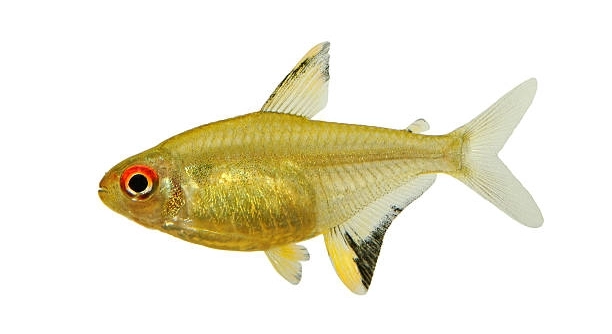
Keeping lemon tetras healthy requires more than just a clean tank. Their immune system can be delicate, especially when exposed to stress, poor water conditions, or inadequate nutrition. A few simple adjustments can make a noticeable difference in their wellbeing.
Boosting lemon tetra immunity naturally involves providing a balanced diet rich in vitamins, maintaining optimal water quality, minimizing stressors, and incorporating natural supplements or live foods. Consistent care and a stable environment are essential to strengthen their resistance to disease.
These practical strategies will help ensure your lemon tetras thrive and enjoy long-term vitality in their aquatic home.
Maintain Optimal Water Quality
Keeping water clean is the foundation of strong lemon tetra immunity. Regular water changes remove waste and harmful chemicals, while a reliable filtration system ensures clarity and stability. Testing water parameters like pH, ammonia, nitrites, and nitrates is crucial, as imbalances can weaken their immune system over time. Temperature consistency is equally important; lemon tetras thrive in slightly acidic, warm water. Sudden shifts can stress their bodies, making them more vulnerable to infections. Using a water conditioner to remove chlorine and heavy metals provides an extra layer of protection. Avoid overcrowding, as too many fish in a small tank increases waste buildup and stress. Observation is key: notice changes in behavior or color as early signs of health issues. By dedicating time to maintain the tank, you create an environment that naturally supports their immunity and overall vitality, reducing the need for medications or interventions.
Regular water care alone can prevent many common health problems and keeps your tetras active and vibrant.
Clean water management is a consistent practice. By monitoring levels, changing a portion weekly, and stabilizing temperature, you ensure tetras remain strong. Clear, balanced water helps prevent disease, supports their immune system, and allows them to display natural colors and behaviors. Simple steps like using a conditioner and avoiding overcrowding make a lasting difference, reducing stress that can lead to illness and boosting their resilience in the long term.
Provide a Balanced Diet
A varied diet is essential for lemon tetra health. High-quality flake foods supplemented with frozen or live options like brine shrimp, daphnia, or bloodworms provide necessary proteins and nutrients. Vegetables like blanched spinach or zucchini occasionally enhance vitamin intake and support digestion. Overfeeding should be avoided, as excess food can pollute the tank and cause obesity. Feeding small amounts two to three times daily mimics natural feeding patterns and prevents nutrient deficiencies. Vitamins like C and E are particularly important for immune strength. Observing your fish during feeding ensures all individuals are eating properly and allows early detection of appetite changes. Rotating food types maintains interest and nutritional balance. Consistency in feeding schedules and portion control reinforces health and strengthens natural defenses, allowing lemon tetras to resist stress-related illnesses and thrive in their environment.
Diet impacts health directly, and providing variety ensures nutrients support immunity and vitality every day.
Consistent nutrition is key. By offering a mix of flake foods, live or frozen protein, and occasional vegetables, tetras receive essential vitamins and minerals. Small, controlled portions prevent overfeeding, maintain water quality, and support digestion. Rotating food types keeps them engaged while ensuring balanced nutrition, ultimately strengthening their immune system and resilience.
Reduce Stress in the Tank
Stress weakens lemon tetra immunity, making them more prone to illness. Avoid sudden movements, loud noises, and overcrowding. Providing hiding spots with plants or decorations helps them feel secure and reduces tension in the tank environment.
Consistent water conditions and gentle handling are critical. Sudden changes in temperature, pH, or tank setup can shock fish, triggering stress responses that lower immunity. Observing behavior helps identify stressed individuals, such as hiding, loss of color, or erratic swimming. Maintaining a calm environment with stable parameters and appropriate companions allows tetras to feel safe. A well-structured tank with plants, rocks, and open swimming areas gives them control over their space, reducing stress naturally. Regular but careful maintenance routines minimize disruption, keeping their immune system strong and enhancing overall health.
Group dynamics also affect stress. Lemon tetras are schooling fish, and a well-sized group helps reduce anxiety. Isolated fish may feel threatened or insecure, so keeping them in appropriate numbers supports social interaction and promotes a natural sense of safety. Avoid aggressive species in the tank and ensure compatible tank mates. Providing consistent feeding routines and avoiding rapid rearrangements of decorations further stabilizes the environment. Over time, these small but consistent measures significantly enhance their ability to resist infections and maintain vibrant health, creating a peaceful and balanced aquarium ecosystem.
Include Natural Supplements
Natural supplements like spirulina, garlic, and vitamin-enriched flakes strengthen lemon tetra immunity. These additions support overall health without harming water quality or upsetting the balance of the tank.
Supplements should be introduced gradually and in moderation. Spirulina boosts nutrition, providing essential proteins and antioxidants that enhance disease resistance. Garlic contains compounds known to support immune response and improve appetite. Vitamin-enriched flakes deliver targeted nutrients that may be lacking in standard diets. Alternating supplements with regular feeding routines prevents overloading their digestive system. Observing how fish respond to each supplement helps adjust portions and frequency. Supplements work best alongside clean water, stable temperature, and a balanced diet. By carefully integrating natural boosters, you provide consistent support to immune function and strengthen resilience against common infections, improving long-term vitality.
Using natural supplements also promotes energy and vitality. When combined with a varied diet and proper tank care, these additions improve resistance to stress and infection. Choosing high-quality, reputable sources ensures nutrients are effective and safe. Avoid synthetic overload, as moderation preserves the balance of the tank and prevents water contamination. Rotating supplements with live foods or vegetable options keeps fish engaged and nourished. Over time, this approach leads to healthier behavior, more vibrant coloration, and a stronger immune system. The combination of careful supplementation, balanced nutrition, and a stable environment creates a foundation for lemon tetras to flourish naturally.
Maintain Proper Tank Temperature
Stable water temperature is crucial for lemon tetra immunity. Sudden fluctuations can stress fish and make them more susceptible to disease.
Using a reliable heater and thermometer ensures consistent warmth. Ideal temperatures range between 72°F and 78°F, keeping fish active and healthy while supporting their immune system.
Provide Hiding Spots
Hiding spots reduce stress and encourage natural behavior. Plants, rocks, and small caves give lemon tetras places to retreat when feeling threatened. A well-decorated tank helps maintain calmness, which directly supports immunity and overall health.
Avoid Overcrowding
Too many fish in the tank increases stress and waste buildup, weakening immunity. Maintain proper fish-to-tank ratio to ensure healthy growth, reduce aggression, and keep water conditions stable. Overcrowding can quickly lead to disease outbreaks and affect overall vitality.
Observe Behavior Daily
Regular observation is essential for early detection of health issues. Watch for changes in swimming patterns, appetite, or color to address problems promptly and maintain strong immunity.
FAQ
How often should I change the water for my lemon tetras?
Regular water changes are essential to keep your tetras healthy. Replace about 20-25% of the tank water weekly to remove waste, maintain stable chemical levels, and prevent harmful toxins from building up. This simple routine helps support immunity and overall wellbeing.
What is the best diet to boost their immune system?
A varied diet is key. Feed high-quality flake foods, supplemented with live or frozen options such as brine shrimp, daphnia, or bloodworms. Occasionally add blanched vegetables like spinach or zucchini for extra vitamins. Rotating foods ensures balanced nutrition and strengthens natural defenses.
Can tank temperature affect immunity?
Yes, temperature stability is critical. Lemon tetras thrive between 72°F and 78°F. Sudden drops or spikes in temperature stress their bodies, weakening immune function and making them more prone to infections. Use a reliable heater and thermometer to maintain consistency.
How do I recognize signs of stress in lemon tetras?
Stress can appear as loss of color, erratic swimming, hiding, or reduced appetite. Observing behavior daily allows early intervention. Stress lowers immunity, so creating a calm tank environment with proper hiding spots and compatible tank mates is essential.
Are natural supplements safe for lemon tetras?
Yes, natural supplements like spirulina, garlic, and vitamin-enriched flakes can boost immunity when used in moderation. Introduce gradually and monitor their response. Overuse can cause digestive issues or water quality problems, so balance is important.
Can overcrowding affect their health?
Overcrowding increases stress and waste, reducing immunity and raising the risk of disease. Maintain appropriate fish-to-tank ratios and avoid aggressive species. Providing enough swimming space and hiding spots reduces tension and promotes natural behavior.
How important is tank decoration for immunity?
Providing hiding spots with plants, rocks, or small caves helps reduce stress and supports immune function. Fish feel secure and display natural behaviors, which contributes to overall health and lowers vulnerability to infections.
How frequently should I monitor water parameters?
Check ammonia, nitrite, nitrate, and pH levels weekly, or more often if issues arise. Maintaining stable parameters is crucial for immunity. Sudden shifts in water chemistry can cause stress and make lemon tetras more susceptible to illness.
Can live food improve immune response?
Yes, live foods like brine shrimp or daphnia provide essential proteins and nutrients that enhance immune strength. They encourage natural foraging behavior, stimulate appetite, and complement a balanced diet, supporting overall vitality.
Is quarantine necessary for new fish?
Quarantining new fish before introducing them prevents disease transmission. A separate tank for two to three weeks allows observation for illness and protects existing lemon tetras’ immunity from potential pathogens.
How does stress from tank mates impact immunity?
Aggressive or incompatible tank mates cause constant stress, lowering disease resistance. Keep peaceful species together and monitor interactions to maintain a calm environment that supports strong immunity.
Can vitamins in flake food alone be enough?
Vitamins in high-quality flakes provide a baseline, but supplementation with live food or natural boosters enhances immunity. Rotating foods and including occasional vegetables ensures all essential nutrients are available for optimal health.
How can I tell if my lemon tetra is sick?
Common signs include faded color, clamped fins, lethargy, loss of appetite, or unusual swimming patterns. Early detection allows intervention before illness spreads, supporting immunity and overall tank health.
Does water filtration impact immune health?
Effective filtration keeps water clean and reduces toxins, supporting immunity. Choose a filter suitable for tank size, perform regular maintenance, and avoid overloading it. A stable environment reduces stress and promotes disease resistance.
How can I naturally strengthen their immune system?
Focus on stable water conditions, a varied diet, proper temperature, low stress, natural supplements, and sufficient space. Each factor contributes to a healthy immune system, helping lemon tetras resist disease and maintain long-term vitality.
What role does group size play in immunity?
Lemon tetras are schooling fish, and small groups can feel insecure, leading to stress. Maintaining a group of at least six reduces tension, encourages natural behavior, and indirectly strengthens immune function through social stability.
How often should I clean decorations and plants?
Clean decorations and artificial plants monthly or as needed. Remove algae and debris without harsh chemicals. Live plants should be trimmed and healthy. Proper maintenance keeps water clean, reducing stress and supporting immunity.
Can sudden changes in lighting affect health?
Yes, abrupt shifts in lighting can stress fish and disrupt their natural behavior. Gradual changes and a consistent day-night cycle help maintain calmness and support a strong immune response.
Is it necessary to rotate supplements and food types?
Rotating foods and supplements prevents nutrient gaps and keeps fish engaged. Alternating live food, flakes, vegetables, and supplements ensures a balanced diet and strengthens immunity over time.
How long does it take to notice improvements in immunity?
With consistent care, changes in behavior, energy, and coloration can be observed within weeks. Strong immunity develops gradually through stable water, proper diet, low stress, and supplementation. Regular monitoring ensures long-term health and vitality.
Can stress from handling affect immunity?
Yes, frequent or rough handling can trigger stress responses that weaken immune function. Limit interactions, use gentle techniques during maintenance, and avoid unnecessary disturbances to keep lemon tetras healthy.
What are common mistakes that weaken immunity?
Overfeeding, overcrowding, irregular water changes, sudden temperature changes, and ignoring signs of stress all compromise immunity. Consistency in care and monitoring prevents these issues and promotes strong health naturally.
Do tank mates need to be monitored for health too?
Absolutely. Sick or aggressive tank mates can introduce pathogens or stress lemon tetras. Quarantine new fish, observe interactions, and maintain peaceful groupings to protect immunity.
Are supplements better than live food for immunity?
Supplements complement a diet but do not replace live or frozen foods. A combination ensures all essential nutrients are provided and supports natural behaviors, promoting a well-rounded immune response.
How important is consistency in care?
Consistency is key for strong immunity. Stable water conditions, regular feeding, proper temperature, and minimal stress provide a reliable foundation for lemon tetras to resist disease and maintain vitality.
Can water changes alone improve immunity?
Water changes help maintain clean, stable conditions, which reduce stress and support the immune system. Alone they are beneficial, but combining with diet, supplements, and low-stress practices maximizes health benefits.
What role does diet variety play in disease prevention?
Variety prevents nutrient deficiencies, strengthens immunity, and keeps fish active. Incorporating flakes, live foods, frozen options, and occasional vegetables provides comprehensive nutrition, helping lemon tetras resist infections and thrive in their tank environment.
How often should I observe my fish?
Daily observation allows early detection of stress, illness, or behavioral changes. Prompt intervention minimizes health risks, reduces stress, and helps maintain strong immune function over time.
Can stress from water changes affect immunity?
Yes, abrupt or large water changes can stress fish. Gradual, partial changes with careful handling minimize disruption, supporting immune resilience while keeping water quality high.
Are there signs that supplements are working?
Improved color, energy, appetite, and resistance to minor infections indicate positive effects. Monitor fish behavior and physical condition to assess the benefits of dietary additions over time.
Do lemon tetras need specific vitamins for immunity?
Vitamins C and E are particularly beneficial for immune support. Including them through enriched flakes, vegetables, or natural supplements strengthens disease resistance and overall vitality.
Can stress from tank decorations affect health?
Yes, removing hiding spots or overcrowding decorations can increase anxiety. Proper placement ensures security and reduces stress, supporting strong immunity and natural behaviors.
How do I balance diet and supplements effectively?
Feed a mix of high-quality flakes, live or frozen protein, vegetables, and occasional supplements. Monitor portions to avoid overfeeding while ensuring comprehensive nutrition for immune support and overall health.
Can behavioral monitoring prevent illness?
Yes, noticing subtle changes in swimming, appetite, or social interaction allows early detection of health issues. Prompt adjustments prevent disease spread and strengthen immunity in the tank environment.
How can I maintain immunity during seasonal changes?
Maintain stable temperature, water parameters, and feeding routines during seasonal shifts. Gradual adjustments and careful observation reduce stress and support consistent immune function throughout the year.
Is it necessary to feed live food daily?
Live food is beneficial but not required daily. Two to three times weekly as a supplement to flakes provides essential nutrients without overloading the digestive system or affecting water quality.
How do I prevent infections naturally?
Focus on clean water, proper diet, stable temperature, stress reduction, supplementation, and appropriate group sizes. These practices collectively strengthen immunity and reduce the likelihood of infections in lemon tetras.
Can tank location affect immunity?
Yes, tanks near drafts, direct sunlight, or frequent disturbances can stress fish. Placing the tank in a stable, quiet location helps maintain calmness and supports immune health.
How often should I trim live plants?
Monthly or as needed to remove decayed leaves. Healthy plants improve water quality, reduce stress, and provide natural hiding spots, contributing to stronger immunity.
Are there any foods to avoid for immune health?
Avoid low-quality fillers, overprocessed flakes, or excessive fatty foods. They can cause nutrient imbalance, digestive issues, and water pollution, all of which weaken immunity and increase disease risk.
How do I know if water conditions are ideal?
Regularly test pH, ammonia, nitrite, nitrate, and temperature. Stable levels within recommended ranges support immune function. Any sudden deviations can stress fish, so monitoring is critical for health.
Can stress from lighting cycles affect immunity?
Yes, inconsistent or abrupt changes disrupt behavior and stress fish. Maintain a consistent day-night cycle to support calmness and immune strength.
Should I separate sick fish immediately?
Yes, quarantining sick individuals prevents disease spread and reduces stress for healthy tetras. Isolation allows targeted treatment and protects the immunity of the remaining group.
Can overfeeding affect immune function?
Yes, excess food pollutes water and stresses the system. Feed small portions appropriate for their size and number of fish, maintaining water quality and immune support.
Do lemon tetras need social interaction for immunity?
Being schooling fish, social stability reduces stress. Small, well-managed groups allow interaction, supporting calm behavior and indirectly strengthening immune responses.
How do I monitor for early signs of disease?
Check for changes in color, fins, swimming, or appetite. Prompt observation and action prevent illness spread and maintain a strong immune system.
Are commercial vitamin supplements necessary?
Not always, but they help fill nutritional gaps. Use alongside a varied diet and live food for optimal immune support.
Can changes in tank mates affect immunity?
Yes, aggressive or incompatible additions increase stress. Introduce new fish gradually and monitor behavior to maintain a peaceful environment that supports strong immunity.
How long does it take to see results from improved care?
With consistent water quality, proper diet, stress reduction, and supplementation, improvements in color, activity, and health are often noticeable within a few weeks.
Is partial water change better than full?
Partial changes remove waste without shocking fish. They maintain stability, reduce stress, and support immunity more effectively than full water replacement.
How can I balance multiple immune-boosting strategies?
Combine clean water, stable temperature, varied diet, supplements, stress reduction, proper tank mates, and hiding spots. Each factor supports immunity, and together they create a resilient and healthy environment for lemon tetras.
Maintaining the health and immunity of lemon tetras requires consistent care and attention. These small fish rely heavily on stable water conditions, a balanced diet, and minimal stress to thrive. Regular water changes and testing for ammonia, nitrites, nitrates, and pH levels are essential practices that help prevent disease. A reliable heater and thermometer maintain temperature within the ideal range of 72°F to 78°F, reducing stress that can weaken the immune system. Providing sufficient space in the tank, avoiding overcrowding, and including hiding spots with plants or decorations create a calm environment that encourages natural behavior. This combination of clean water, stable conditions, and environmental enrichment forms the foundation for strong immunity in lemon tetras. By observing their behavior daily, changes in swimming, coloration, or appetite can be detected early, allowing for quick adjustments before minor problems become serious health issues.
Nutrition is another key factor in maintaining immunity. A varied diet that includes high-quality flake foods, live or frozen protein options such as brine shrimp, daphnia, or bloodworms, and occasional vegetables like blanched spinach or zucchini ensures that lemon tetras receive the essential vitamins and minerals needed for optimal health. Supplementing with natural boosters such as spirulina, garlic, or vitamin-enriched flakes can further strengthen immune responses. Portion control is important to prevent overfeeding, which can compromise water quality and lead to digestive problems. Rotating food types keeps the diet balanced and provides variety that supports both physical health and natural foraging behavior. Consistency in feeding routines helps fish develop stable patterns and reduces stress, indirectly supporting their immune system over the long term. Small, deliberate steps in diet management have a significant impact on overall health and disease resistance.
Stress management and environmental stability are equally important for strong immunity. Lemon tetras are schooling fish that benefit from being kept in groups, as social interaction reduces anxiety and encourages natural behaviors. Aggressive tank mates should be avoided, and the tank location should be free from drafts, direct sunlight, or excessive noise. Gradual adjustments to tank decorations, lighting, or temperature changes prevent sudden stress that could compromise immunity. Quarantining new fish before introducing them to the main tank protects the existing group from potential pathogens. By combining stable water parameters, a varied diet, natural supplementation, stress reduction, and careful observation, lemon tetras are better equipped to resist disease and maintain vitality. Attention to these simple yet consistent practices ensures that your fish remain healthy, active, and vibrant, creating an aquarium environment where they can thrive naturally.

Hello,
If you enjoy the content that we create, please consider saying a "Thank You!" by leaving a tip.
Every little bit helps us continue crafting quality advice that supports the health, happiness, and well-being of pets around the world, for pets of all shapes, sizes, and species.
We really appreciate the kindness and support that you show us!