
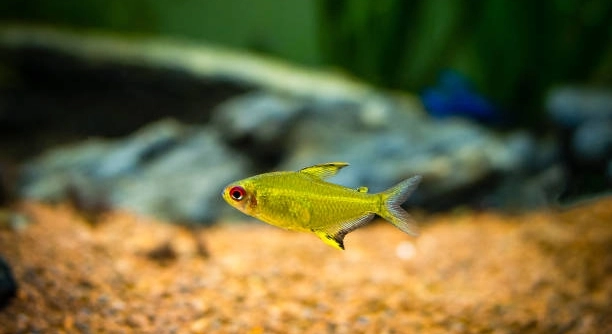
Lemon tetras are small, colorful fish that brighten any freshwater aquarium. Their gentle nature and lively movements make them popular among hobbyists. Many aquarists enjoy observing their behaviors and unique swimming patterns daily.
Lemon tetras can be trained to eat from your hand, but it requires patience and consistency. Gradual conditioning through repeated exposure and offering food directly encourages trust and reduces stress, promoting successful hand-feeding interactions over time.
Learning how to hand-feed lemon tetras can deepen your bond and enhance your aquarium experience. Observing their gradual trust-building is both satisfying and rewarding for any fish owner.
Understanding Lemon Tetra Behavior
Lemon tetras are naturally timid but curious fish. They prefer swimming in schools and feel safer when surrounded by others. Their small size makes them cautious of sudden movements, so it is important to approach them slowly. Observing their behavior helps you understand when they are ready to interact. Feeding times are the best opportunity to notice patterns. Over time, they may begin to recognize you as a non-threatening presence. Avoid startling them with quick motions or loud noises. Providing a calm environment encourages confidence and willingness to explore. Adding plants and hiding spots allows them to feel secure while becoming familiar with your presence. Their vibrant yellow color and peaceful temperament make them enjoyable to watch. Consistency in handling and maintaining stable water conditions also supports trust. Every small interaction can build comfort, and patience is key when training them to eat from your hand.
Regular observation improves your ability to anticipate their responses and needs.
Gradual exposure to your hand, along with small portions of food, allows lemon tetras to associate you with positive experiences. Patience and repetition are essential.
Training Techniques for Hand Feeding
Start by placing food near their usual feeding area. This allows the fish to associate your presence with something positive without feeling threatened. Move slowly and avoid sudden gestures that might scare them. Consistency in timing also reinforces predictable behavior, helping them feel secure. Using small, easily digestible flakes or pellets works best.
Repeated, gentle exposure over days or weeks builds familiarity. Begin by letting them eat food from a feeding stick or spoon. Slowly, bring your hand closer while offering tiny amounts. Observe their reactions carefully and avoid forcing contact. Each fish may respond differently, so it’s important to adapt to their comfort level. Patience is crucial, as forcing interactions can set progress back. Maintaining calm water conditions and avoiding overfeeding ensures they stay healthy while learning. Eventually, they will swim toward your hand voluntarily, ready to take food. This technique strengthens trust, making feeding a relaxing and interactive experience.
Creating a Comfortable Environment
A calm aquarium with hiding spots makes lemon tetras feel secure. Plants, rocks, and decorations reduce stress and encourage them to explore around your hand without fear. Consistency in lighting and water conditions also supports their confidence and willingness to interact.
Maintaining stable water parameters is essential for lemon tetras. They thrive in slightly acidic to neutral water, with temperatures around 72–78°F. Sudden changes in water quality or temperature can make them skittish and hesitant to approach. Adding live plants and soft substrate provides natural hiding spots that mimic their preferred environment. A peaceful tank with minimal disturbances encourages them to swim freely and observe your presence. Gradual acclimation to hand-feeding conditions helps them associate your hand with safety and food.
Proper placement of decorations allows lemon tetras to feel secure while exploring. Open swimming areas near feeding spots give them confidence to approach your hand. Avoid overcrowding the tank to reduce stress and promote natural behavior. With time, a well-arranged aquarium makes them more willing to take food directly from your hand, creating a calm and positive feeding routine.
Choosing the Right Food
Small, easily digestible foods are ideal for hand-feeding lemon tetras. Flakes, micro pellets, and tiny frozen foods work best, as they are easy to grab without causing stress.
Variety in their diet keeps lemon tetras healthy and more willing to interact during feeding. Using high-quality flakes or micro pellets ensures balanced nutrition. Occasionally offering small amounts of frozen or live food, such as daphnia or brine shrimp, adds interest and encourages natural hunting instincts. It is important to feed them in small portions, avoiding overfeeding, which can lead to water quality issues and reduce their motivation to take food from your hand. Feeding at the same time daily helps them learn to recognize your hand as a food source.
Observing their reactions to different foods helps determine preferences and increases hand-feeding success. Introducing new food slowly prevents stress or rejection. Combining flakes with occasional live or frozen treats encourages natural foraging while reinforcing positive associations with your hand. Rotating foods maintains their interest and supports overall health, making training sessions more effective. Consistent feeding practices help them associate your hand with safety and nourishment, enhancing trust over time.
Gradual Hand Introduction
Start by placing your hand in the tank without food. Let lemon tetras swim around and get used to its presence. Avoid sudden movements to prevent startling them and allow curiosity to build naturally.
Once they seem comfortable, sprinkle a few food flakes near your hand. This encourages them to associate your hand with positive experiences. Repeat consistently at the same time each day to reinforce this behavior. Patience is key, as some fish may take longer to adjust than others.
Observing Their Responses
Pay close attention to their body language. Hesitant swimming or quick retreats indicate they are still cautious. Tail flicks and approaching slowly show growing confidence.
Tracking their reactions helps you adjust your approach. If they appear stressed, pause training for a day or two. Slow, repeated exposure reinforces comfort. Over time, most lemon tetras will start approaching your hand willingly, recognizing it as a safe source of food. Consistency, patience, and careful observation are essential for successful hand-feeding.
Maintaining Consistency
Keep feeding times and locations consistent. Regularity helps lemon tetras form predictable patterns and strengthens trust.
FAQ
How long does it take for lemon tetras to eat from my hand?
It depends on the individual fish and their comfort level. Some may take only a few days, while others need weeks of consistent exposure. Small, calm movements and repeated feeding sessions encourage them to approach your hand more quickly. Patience is essential.
Can I use any type of food for hand-feeding?
Small flakes, micro pellets, and tiny frozen foods work best. Avoid large pieces or foods that dissolve too quickly. Offering a variety helps maintain their interest, but always ensure the food is suitable for small tetras and easy for them to grab.
Will all my lemon tetras eat from my hand?
Not necessarily. Each fish has its own personality and level of boldness. Some may remain shy even with consistent training. Observing their behavior and respecting their comfort ensures the experience stays stress-free for both you and your fish.
How often should I hand-feed my tetras?
Once or twice a day is sufficient. Feeding at the same times each day helps them learn your hand is a source of food. Overfeeding can lead to water quality problems and reduce their motivation to approach your hand.
What if they get scared and swim away?
This is normal. Avoid chasing or forcing them. Wait until they calm down and return naturally. Gradually resuming hand-feeding sessions ensures trust is maintained. Sudden movements or pressure can undo progress.
Does tank size affect hand-feeding success?
Yes. Smaller, well-planted tanks allow fish to feel secure and more likely to approach your hand. In very large or open tanks, they may stay distant due to feeling exposed. Creating a safe feeding area encourages closer interaction.
Can I train lemon tetras in a community tank?
Yes, but consider tankmates. Shy or aggressive species may influence their behavior. Ideally, choose peaceful companions to avoid stress. Hand-feeding is easier when tetras feel safe and aren’t competing aggressively for food.
Should I remove other fish during training?
It can help at first, especially if your tetras are timid. Training in a less crowded environment allows them to focus on your hand and associate it with food without distractions or competition.
What signs show they are ready to eat from my hand?
They may swim close without hesitation, linger near your hand, or even nibble at food dropped nearby. Calm, confident movements indicate growing trust. Gradual progress is better than rushing, which can cause fear.
How do I maintain their trust long-term?
Keep feeding sessions consistent, maintain stable water conditions, and avoid sudden disturbances. Regular, positive interactions ensure they continue to recognize your hand as safe. Over time, most lemon tetras will reliably take food from your hand without hesitation.
Can hand-feeding affect their health?
Not if done correctly. Using appropriate food and portion sizes is key. Avoid overfeeding, which can harm water quality and fish health. Positive hand-feeding reinforces natural foraging behavior while keeping them healthy and engaged.
What should I do if progress stalls?
Step back and give them a few days without hand-feeding. Resume slowly with smaller food portions and calm movements. Patience and observation are the most effective tools. Each fish progresses at its own pace.
Is hand-feeding stressful for lemon tetras?
It can be if done too quickly or aggressively. Moving slowly, offering food gently, and ensuring a secure environment minimizes stress. Positive reinforcement through repeated calm sessions helps them feel safe.
Do younger fish learn faster than adults?
Juveniles are often bolder and more adaptable, making training slightly easier. Adult fish may take longer to adjust, but consistent, gentle methods yield results over time. Personality matters more than age in many cases.
How do I handle multiple fish at once?
Offer small portions gradually so all can get food. Observe which fish are more hesitant and adjust your approach accordingly. Over time, most will associate your hand with feeding, but individual progress may vary.
Can hand-feeding improve their bond with me?
Yes. Fish recognize your presence as non-threatening and rewarding. Regular, calm interactions create trust, making them more confident and responsive during feeding and general tank activity.
Training lemon tetras to eat from your hand is a process that requires patience, consistency, and observation. These small fish are naturally cautious, so it’s important to move slowly and maintain a calm presence around the tank. Gradually introducing your hand without food at first helps them get used to your presence. Over time, adding small amounts of food encourages them to associate your hand with a positive experience. Regular, gentle interactions are essential, and avoiding sudden movements ensures they do not become stressed or fearful. Each fish will respond differently, and some may take longer than others to feel comfortable approaching your hand. Being attentive to their behavior and giving them space when needed is key to successful training. A well-arranged tank with hiding spots and open swimming areas provides a sense of security that encourages them to explore near your hand. Maintaining stable water conditions and proper lighting also plays an important role in helping lemon tetras feel confident and healthy.
Consistency is one of the most important factors when training your tetras. Feeding at the same time every day helps them learn that your hand is a source of food. Using small, easily digestible flakes, micro pellets, or tiny frozen foods ensures they can take food safely without difficulty. Offering a variety of foods occasionally keeps them interested and encourages natural foraging behavior. Observing how they react to different foods helps you determine what works best for your fish. Avoid overfeeding, as this can lead to water quality problems and reduce their willingness to approach your hand. Gradual progress is more effective than rushing the process, and allowing them to approach at their own pace builds trust. Even if only some of your tetras begin hand-feeding, it still strengthens the connection between you and your fish and improves their overall comfort in the tank. Patience, repetition, and gentle encouragement are essential tools for fostering this type of interaction.
Hand-feeding lemon tetras can make caring for them more rewarding and engaging. Watching them gradually recognize your hand as a source of food can be satisfying and enjoyable. The process also helps you learn more about their individual personalities, behaviors, and preferences. A calm, well-maintained aquarium allows them to feel secure, while consistent, positive interactions increase their confidence and willingness to engage. Even small steps, like getting them comfortable with your presence before offering food, contribute to building trust. Training your tetras in this way is not just about feeding but also about creating a safer, more predictable environment for them. Over time, this interaction becomes a routine that enhances your experience as an aquarist, while keeping your fish healthy, comfortable, and engaged. The sense of accomplishment that comes from seeing them respond positively to your hand makes the effort worthwhile, reinforcing the importance of patience, observation, and gentle care in maintaining a harmonious aquarium.

Hello,
If you enjoy the content that we create, please consider saying a "Thank You!" by leaving a tip.
Every little bit helps us continue crafting quality advice that supports the health, happiness, and well-being of pets around the world, for pets of all shapes, sizes, and species.
We really appreciate the kindness and support that you show us!