
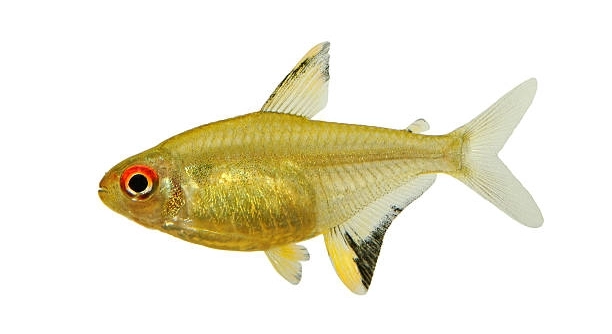
Do you love keeping a vibrant aquarium but find yourself wondering how to care for small, colorful fish like the lemon tetra? These lively little swimmers can brighten any tank but need careful attention to thrive.
Before acquiring lemon tetras, it is essential to consider their specific care requirements, including tank size, water conditions, diet, social behavior, and health monitoring. Proper preparation ensures the species remains healthy and displays its characteristic bright coloration.
Learning these key aspects will help you create a comfortable home for your lemon tetras and ensure their long-term well-being.
Understanding Lemon Tetra Behavior
Lemon tetras are small, peaceful fish that thrive in groups. They are naturally active swimmers and enjoy moving through open spaces in the tank. Observing their behavior can help you notice signs of stress or illness early. They are schooling fish, so keeping at least six together is recommended. A larger group encourages natural interaction and reduces anxiety, which can lead to better coloration and overall health. Lemon tetras tend to explore all levels of the tank, so providing plants and hiding spots makes them feel secure. Avoid aggressive tankmates, as lemon tetras can become stressed when intimidated. A well-maintained tank with stable water parameters helps them adapt quickly to their environment. They respond well to consistent feeding routines, and offering a varied diet supports their energy levels and vitality. Watching them interact with each other can be rewarding and provides insight into their well-being and social structure.
Observing group dynamics helps maintain a harmonious tank and reduces stress-related issues.
Providing stable water conditions, enough space, and regular monitoring ensures lemon tetras remain active, healthy, and display natural behaviors over time.
Tank Setup Requirements
A proper tank setup is crucial for lemon tetras to flourish. They prefer soft, slightly acidic water and moderate temperatures. Incorporating live plants and hiding spots creates a secure environment.
Tank size affects their activity and health. A minimum of 20 gallons is recommended for a small group, ensuring enough swimming space. Proper filtration maintains water quality, reducing ammonia and nitrite levels that can harm fish. Substrate choice matters; dark or natural tones make their colors stand out and encourage natural behavior. Adding floating plants helps diffuse light and provides resting areas, making the tank feel more natural. Regular water changes are essential to keep parameters stable, and monitoring pH, temperature, and hardness ensures long-term stability. Arrangement of decorations and plants should leave open areas for swimming while offering shelter. Avoid overcrowding, as stress can lead to illness. Providing these elements from the start makes it easier for lemon tetras to adapt and thrive, displaying bright colors and active swimming patterns. Proper setup simplifies maintenance and creates a healthy, engaging environment for the fish.
Feeding and Diet
Lemon tetras thrive on a varied diet that includes high-quality flakes, micro-pellets, and occasional live or frozen foods. Feeding small portions twice daily keeps them healthy and prevents overfeeding, which can impact water quality.
Offering live or frozen foods like daphnia or brine shrimp supplements their nutrition and encourages natural hunting behavior. These foods provide essential protein, helping them maintain bright coloration and energy. A mix of flake and pellet foods ensures balanced nutrition while avoiding monotony in their diet. Avoid feeding large amounts at once, as leftover food can decompose and affect water parameters. Consistency in feeding times helps them adapt and reduces stress, while occasional treats stimulate their activity and overall health. Watching them eat is rewarding and gives insight into their well-being.
Maintaining a regular feeding schedule and balanced diet improves longevity, coloration, and activity levels. Proper nutrition supports their immune system, making them less prone to disease and stress.
Water Quality and Maintenance
Stable water quality is vital for lemon tetras to thrive. Regular testing ensures ammonia, nitrite, and nitrate levels remain safe, preventing health issues.
Frequent water changes, ideally 25% weekly, keep the environment clean and stable. Using a reliable filter maintains circulation and oxygenation, while careful monitoring of temperature and pH prevents sudden fluctuations. Avoid chemicals that may stress the fish, and rinse new decorations or substrate to remove residues. Maintaining consistent water conditions reduces stress, supports the immune system, and allows natural behaviors to flourish. Observing the fish regularly helps identify any early signs of illness or discomfort.
A clean, well-monitored tank ensures lemon tetras remain active, healthy, and brightly colored. Consistent maintenance creates a stable, stress-free environment that supports their social interactions and overall vitality.
Choosing Tankmates
Lemon tetras are peaceful and do best with similarly calm fish. Avoid aggressive or territorial species that may stress them.
Small schooling fish like rasboras or other tetras make ideal companions. Matching water requirements and temperament helps maintain harmony in the tank.
Breeding Considerations
Breeding lemon tetras requires careful preparation. They need a separate breeding tank with soft, slightly acidic water and dim lighting. Provide fine-leaved plants or spawning mops for egg-laying. Remove adults after spawning to prevent them from eating the eggs. Fry require infusoria or specialized small foods initially. Consistent water quality and gentle care increase survival rates. Observing breeding behavior can be rewarding but requires patience. Timing, diet, and environmental conditions play a critical role in successful reproduction, and careful monitoring ensures both adults and fry remain healthy.
Common Health Issues
Lemon tetras are susceptible to fin rot and ich if water quality is poor. Regular checks prevent problems.
FAQ
How many lemon tetras should I keep together?
Lemon tetras are schooling fish and feel most comfortable in groups. Keeping at least six together is recommended to encourage natural swimming patterns and reduce stress. Smaller groups can lead to timid behavior and poor coloration, while larger groups enhance social interactions and activity.
What size tank is suitable for lemon tetras?
A minimum of 20 gallons is ideal for a small group. This provides enough swimming space and reduces territorial behavior. Larger tanks allow more freedom and flexibility for decorations, plants, and additional peaceful tankmates. Ensuring adequate space supports both physical and mental health.
What water conditions do lemon tetras prefer?
They thrive in slightly acidic to neutral water with a pH of 6.0 to 7.0 and soft to moderately hard water. Temperatures between 72°F and 78°F are best. Stable water parameters reduce stress and maintain their bright coloration. Regular testing and water changes help achieve consistency.
What should I feed lemon tetras?
A varied diet is essential. High-quality flakes, micro-pellets, and occasional live or frozen foods like brine shrimp or daphnia provide balanced nutrition. Feeding small portions twice daily prevents overfeeding and maintains water quality. A mix of foods supports energy, immune health, and coloration.
How often should I change the water?
Weekly water changes of 20–25% are recommended. This maintains cleanliness, reduces nitrate buildup, and prevents harmful spikes in ammonia or nitrite. Consistent water maintenance supports overall health, reduces disease risk, and keeps the tank environment stable and comfortable for lemon tetras.
Can lemon tetras live with other fish?
Yes, but tankmates should be peaceful and have similar water requirements. Avoid aggressive or territorial species. Small schooling fish like rasboras, guppies, or other tetras are ideal companions. Proper selection prevents stress, injury, and competition for food.
How can I tell if a lemon tetra is healthy?
Healthy lemon tetras are active, swim in groups, and display bright yellow coloration with clear fins. Signs of illness include faded colors, clamped fins, lethargy, or unusual swimming patterns. Observing their behavior regularly allows early intervention and prevents disease spread.
How do I encourage breeding in lemon tetras?
Provide a separate breeding tank with soft, slightly acidic water and dim lighting. Offer fine-leaved plants or spawning mops for egg-laying. Remove adults after spawning to protect eggs. Feeding high-quality live foods encourages reproductive behavior, and stable water conditions improve fry survival rates.
What are common health issues in lemon tetras?
Fin rot and ich are common if water quality is poor. Maintaining clean water, avoiding overcrowding, and monitoring tank conditions reduce risks. Prompt treatment with appropriate medication and isolation when necessary ensures the health of both affected fish and the group.
How long do lemon tetras live?
With proper care, lemon tetras can live 3–5 years. Consistent water quality, a balanced diet, suitable tankmates, and regular maintenance contribute to their longevity. Monitoring health and behavior over time ensures they remain active and vibrant throughout their lifespan.
Can I keep lemon tetras in a planted tank?
Yes, planted tanks work well. Plants provide hiding spots, diffuse light, and create a more natural environment. Floating plants or fine-leaved species help mimic their natural habitat, reduce stress, and encourage natural swimming and breeding behaviors, benefiting both their well-being and coloration.
Is it necessary to use a heater?
Yes, a heater is recommended to maintain stable temperatures between 72°F and 78°F. Sudden temperature fluctuations can stress lemon tetras, weaken their immune system, and make them more prone to disease. Consistent warmth ensures activity, feeding, and overall health.
Do lemon tetras require a strong filter?
A reliable filter that provides gentle water flow is best. Strong currents can stress these small fish. Filtration helps maintain water clarity, removes debris, and supports oxygenation, creating a stable and healthy environment without disturbing their swimming patterns.
How can I reduce stress in lemon tetras?
Maintaining stable water parameters, keeping them in appropriate group sizes, providing hiding spots, and avoiding aggressive tankmates all reduce stress. Consistent feeding routines and minimizing sudden changes in the tank also contribute to calmer, healthier fish that display natural behaviors.
Are lemon tetras suitable for beginners?
They are suitable for hobbyists with some basic aquarium experience. Their peaceful nature, small size, and moderate care requirements make them approachable, but attention to water quality, diet, and group dynamics is essential to ensure a healthy and thriving tank environment.
What decorations are best for lemon tetras?
Use live or artificial plants, smooth rocks, and open swimming spaces. Avoid sharp edges that can damage fins. Floating plants or shaded areas reduce light intensity and provide security. Proper decoration supports exploration, reduces stress, and encourages natural behaviors.
Can lemon tetras tolerate fluctuations in water parameters?
They prefer stable conditions. Frequent changes in pH, hardness, or temperature can stress them, weaken immunity, and increase susceptibility to disease. Consistent maintenance, monitoring, and gradual adjustments when necessary help them adapt without harm.
Is it necessary to quarantine new fish?
Yes, quarantining new fish for 2–3 weeks prevents introducing diseases to the main tank. Observing behavior and health during this period ensures only healthy fish are added, protecting the established group from illness and maintaining a stable environment.
What is the best lighting for lemon tetras?
Moderate lighting is ideal. Bright light may stress them, while dim lighting enhances their natural yellow coloration. Floating plants or adjustable LED lights create shaded areas, mimicking their natural habitat and encouraging comfortable swimming and social behavior.
How do I maintain consistent water temperature?
Use a reliable aquarium heater and thermometer. Avoid placing the tank near drafts, windows, or direct sunlight. Gradual adjustments are necessary when changes are needed. Stable temperatures prevent stress, support feeding behavior, and reduce the risk of illness.
Can lemon tetras live in a community tank with larger fish?
They can, but only with non-aggressive, small to medium species. Larger or predatory fish may intimidate or eat them. Ensuring compatible water requirements and peaceful behavior prevents stress and maintains harmony within the tank.
What should I do if a fish becomes sick?
Isolate the affected fish in a separate hospital tank. Treat with appropriate medications and maintain excellent water quality. Monitor for improvement and prevent cross-contamination. Early intervention is critical to stop disease spread and protect the health of the remaining group.
How do I improve their coloration?
A varied diet, stable water parameters, and low-stress environment enhance natural yellow coloration. Live plants, appropriate tankmates, and proper lighting also contribute to vibrant colors. Bright, healthy fish indicate overall well-being.
Are lemon tetras active during the day or night?
They are diurnal and most active during daylight hours. Providing a natural light cycle with moderate lighting supports activity, feeding, and social interactions, while dim or shaded areas allow resting periods. Proper light management mimics their natural habitat.
Can lemon tetras adapt to new tanks easily?
They adapt gradually if water parameters match their previous environment. Acclimation techniques, such as floating the bag and slowly mixing tank water, reduce shock and stress, helping them settle quickly and maintain health.
What is the ideal tank layout for lemon tetras?
A mix of open swimming areas and plants works best. Floating plants, smooth substrate, and hiding spots provide security and encourage natural behaviors. Balanced tank design supports social interaction and reduces stress.
Do lemon tetras require special supplements?
Not usually. A balanced diet with occasional live or frozen foods is sufficient. Vitamin-rich flakes or pellets support health, coloration, and energy levels without extra additives if water quality and feeding are managed properly.
How often should I clean the tank?
Partial water changes weekly and regular substrate cleaning are essential. Avoid full cleaning, which can disrupt beneficial bacteria. Routine maintenance ensures healthy water conditions and reduces stress and disease risks for lemon tetras.
Can lemon tetras live in a nano tank?
Nano tanks are not ideal due to their schooling nature. Small tanks limit swimming space and can cause stress. A larger setup allows for stable water parameters and proper social interactions, ensuring healthy behavior and coloration.
What signs indicate breeding readiness?
Active swimming, brighter coloration, and increased interaction are indicators. Males may chase females gently, and females appear slightly fuller when carrying eggs. Monitoring these signs helps prepare a separate breeding tank for successful spawning.
Are lemon tetras sensitive to changes in light?
Yes, they prefer moderate lighting with shaded areas. Sudden changes or overly bright conditions can stress them. Floating plants and gradual adjustments create a comfortable environment and support natural behavior patterns.
Can I use tap water for lemon tetras?
Yes, but it must be treated to remove chlorine and chloramine. Testing and adjusting pH and hardness as needed ensures safe conditions. Proper preparation prevents stress and maintains a healthy environment.
How often should I monitor water parameters?
Weekly testing for ammonia, nitrite, nitrate, pH, and temperature is recommended. Frequent monitoring detects changes early, allowing corrections before they affect health, stress levels, or coloration in lemon tetras.
What do I do if fish fight?
Identify aggressive individuals or incompatible tankmates and separate them if necessary. Ensure adequate space, hiding spots, and group sizes. Monitoring behavior helps maintain harmony and reduces stress or injury.
Are lemon tetras sensitive to noise or vibrations?
Yes, sudden loud noises or vibrations can startle them. Keeping the tank in a stable, quiet location reduces stress, supports natural behavior, and encourages active swimming. Consistent surroundings improve overall health and coloration.
Can lemon tetras tolerate low oxygen levels?
No, they require well-oxygenated water. Proper filtration, gentle circulation, and occasional aeration ensure sufficient oxygen, supporting activity, feeding, and overall health. Stagnant or poorly oxygenated water can lead to stress and illness.
Do lemon tetras need a specific substrate?
Soft, smooth substrates are best to prevent injury. Darker tones highlight their coloration and mimic natural environments. Avoid sharp gravel or rough surfaces that can damage fins or stress the fish.
How long does it take for lemon tetras to acclimate?
With proper acclimation, they usually adjust within a few days. Slow water mixing, minimal stress, and stable tank conditions help them settle, encouraging natural swimming and feeding behaviors quickly.
Are lemon tetras compatible with shrimp or snails?
Yes, peaceful invertebrates like snails and small shrimp can coexist. Ensure tank conditions meet both species’ needs. Avoid predatory shrimp or overly aggressive snails, as compatibility depends on size, temperament, and environment.
Can lemon tetras live in hard water?
They tolerate moderately hard water but thrive best in soft to moderately soft conditions. Adjusting water parameters gradually avoids stress and supports coloration, behavior, and overall health.
Do lemon tetras require frequent observation?
Regular observation helps detect early signs of illness, stress, or aggression. Monitoring swimming patterns, coloration, and feeding behavior ensures timely intervention and maintains a healthy, active group.
Is it necessary to trim plants in their tank?
Yes, regular pruning prevents overgrowth, maintains swimming space, and supports water flow. Trimming helps light reach lower levels, encourages healthy plant growth, and creates a balanced environment for lemon tetras.
How sensitive are lemon tetras to temperature swings?
They are sensitive. Sudden changes can stress them, weaken immunity, and cause illness. Maintaining a stable 72°F–78°F range with a reliable heater ensures health, activity, and vibrant coloration.
What do I do if water becomes cloudy?
Check filtration, perform partial water changes, and remove excess food or debris. Cloudy water often indicates bacterial bloom or poor maintenance. Prompt action restores clarity and maintains a healthy environment.
Can lemon tetras live in a tank with goldfish?
No, goldfish produce high waste and require cooler water. Lemon tetras need stable, warm conditions and smaller, peaceful companions. Mixing these species can lead to stress, illness, and incompatible water requirements.
Do lemon tetras need hiding spots?
Yes, hiding places reduce stress and provide security. Plants, rocks, and decorations create shaded areas. Safe spots encourage natural behaviors and social interactions while supporting overall well-being.
How do I prevent fin damage?
Use smooth decorations, avoid aggressive tankmates, and maintain good water quality. Proper care and careful observation reduce risk, ensuring healthy fins and natural swimming behavior.
Are lemon tetras sensitive to pH changes?
Yes, they prefer stable pH levels around 6.0–7.0. Sudden shifts can stress fish, weaken immunity, and impact feeding and coloration. Gradual adjustments and consistent monitoring prevent health issues.
Can lemon tetras tolerate cooler temperatures at night?
Minor drops are acceptable, but sudden or prolonged cooling can stress them. Stable temperatures are best for metabolism, activity, and overall health. Gradual nighttime reductions mimic natural cycles without causing harm.
How often should I clean the filter?
Clean monthly or as needed to maintain flow without removing all beneficial bacteria. Rinsing in tank water rather than tap water preserves bacteria that support water quality. Proper maintenance ensures effective filtration and stable conditions.
Do lemon tetras need supplemental vitamins?
Not usually if diet is balanced. High-quality flakes, pellets, and occasional live foods provide sufficient nutrients. Supplements may be used if deficiencies are observed but are generally unnecessary with proper feeding.
Can lemon tetras tolerate bright lighting?
Bright lighting can stress them. Moderate light with shaded areas or floating plants creates comfort, supports coloration, and encourages natural swimming behavior. Sudden intense light should be avoided.
How do I know if the tank is overcrowded?
Signs include aggressive behavior, hiding, poor coloration, or increased stress. Maintaining proper group size, swimming space, and compatible tankmates prevents overcrowding and promotes healthy behavior.
Are lemon tetras suitable for office aquariums?
Yes, if water conditions, tank size, and maintenance are managed. Their peaceful nature and small size make them visually appealing without requiring constant attention. Proper setup ensures they remain healthy and active.
Do lemon tetras require regular water testing?
Yes, frequent checks for ammonia, nitrite, nitrate, pH, and temperature are essential. Monitoring ensures a safe environment, prevents stress, and maintains optimal conditions for activity, feeding, and coloration.
Can lemon tetras tolerate slight salinity?
They prefer freshwater. Minimal salt may be used for treatment purposes, but consistent freshwater conditions are best for long-term health, natural behavior, and coloration.
What is the best way to introduce new fish?
Float the bag in the tank for 15–30 minutes, then gradually mix tank water. This acclimation reduces shock, helps them adjust to temperature and water parameters, and supports a smooth transition.
Do lemon tetras need strong water flow?
No, gentle water movement is ideal. Strong currents stress them and disrupt swimming. Proper filtration provides circulation and oxygenation without creating turbulence that affects their comfort or behavior.
How do I prevent algae growth?
Control light duration, avoid overfeeding, and maintain regular cleaning. Balanced planting and moderate illumination reduce algae while keeping the tank healthy. Proper maintenance ensures a visually appealing and safe environment.
Can lemon tetras tolerate temporary power outages?
Short outages are generally manageable, but prolonged periods can reduce oxygen and stress fish. Aeration and minimal disruption help maintain stability until power is restored. Planning for backup measures ensures safety.
Are lemon tetras compatible with bettas?
Usually not, as bettas can be aggressive and territorial. Tankmates should be peaceful, similarly sized, and non-fin-nipping to avoid stress, injury, or competition for space and food.
Do lemon tetras require routine observation for parasites?
Yes, checking for signs like white spots, frayed fins, or unusual behavior helps detect parasites early. Prompt treatment reduces spread and protects overall tank health.
Can lemon tetras live without a heater in temperate climates?
They may survive short periods, but a heater ensures stable temperatures year-round. Inconsistent warmth can stress them, reduce activity, and increase susceptibility to disease.
How do I handle sudden illness in the tank?
Isolate affected fish, test water, and administer appropriate treatment. Monitoring the group and maintaining water quality prevents spread and helps restore health quickly.
Are lemon tetras sensitive to water hardness?
They prefer soft to moderately hard water. Extreme hardness can stress them, affect coloration, and impact reproduction. Adjusting water gradually ensures comfort and health.
Do lemon tetras need a consistent day-night cycle?
Yes, maintaining regular light periods supports activity, feeding, and rest. Fluctuating cycles can cause stress and disrupt natural behaviors, impacting health and coloration.
Can lemon tetras live in a tank with live plants only?
Yes, planted tanks provide hiding spots and natural filtration. Ensure open swimming areas and stable water parameters. Live plants enhance comfort, reduce stress, and encourage natural behaviors.
How do I recognize stress in lemon tetras?
Signs include clamped fins, hiding, reduced activity, or faded coloration. Early recognition allows intervention, such as adjusting tankmates, water quality, or hiding spots to restore comfort.
Is it safe to use tap water conditioners?
Yes, conditioners remove chlorine and chloramine. Proper use ensures safe water conditions, reducing stress and supporting overall health, immune function, and activity in lemon tetras.
How often should I feed live foods?
Once or twice weekly as a supplement is sufficient. Overfeeding can impact water quality. Live foods support nutrition, coloration, and natural behaviors without overwhelming tank balance.
Can lemon tetras tolerate minor crowding temporarily?
Short-term crowding may be manageable, but prolonged overcrowding leads to stress, aggression, and poor water quality. Adequate space is critical for health, activity, and natural schooling behavior.
What should I do if lemon tetras stop eating?
Check water parameters, tankmates, and diet. Stress, illness, or sudden environmental changes may cause reduced appetite. Adjustments and monitoring can restore feeding behavior quickly.
Do lemon tetras need supplemental oxygen?
Not if the tank is properly filtered and aerated. Good circulation and oxygenation from the filter and water movement maintain healthy levels for all fish without additional equipment.
How do I prevent sudden pH drops?
Use buffered substrates, avoid overfeeding, and perform regular water changes. Stable water chemistry prevents stress, supports coloration, and maintains overall health.
Can lemon tetras live in a tank with snails only?
Yes, they are compatible. Peaceful snails do not interfere with behavior, swimming, or feeding. Snails help maintain cleanliness without stressing the fish.
Are lemon tetras prone to disease in small tanks?
Smaller tanks can accumulate toxins faster, increasing disease risk. Regular water changes, proper filtration,
Lemon tetras are small, colorful fish that can brighten any freshwater tank. Their peaceful nature and active swimming patterns make them enjoyable to watch, but they require consistent care and attention to thrive. Providing a suitable tank setup, stable water conditions, and a varied diet is essential for keeping them healthy and vibrant. Observing their behavior regularly allows you to notice early signs of stress or illness, which helps prevent serious problems. Paying attention to water quality, tankmates, and feeding routines ensures the fish maintain bright coloration and natural behaviors. Their social nature makes it important to keep them in groups, as isolation or small numbers can lead to timid behavior and reduced activity.
Tank size and layout play a key role in lemon tetra health. A minimum of 20 gallons is recommended for a small group, providing enough space for swimming and interaction. Incorporating plants, hiding spots, and open swimming areas creates a secure and comfortable environment. Gentle filtration, stable temperature, and consistent lighting further support their well-being. Avoiding aggressive or overly large tankmates reduces stress and prevents injury. Regular water testing and partial water changes help maintain clean and stable conditions. By keeping a balance between open areas and planted sections, lemon tetras can express natural behaviors and remain active and healthy. Decorations should be smooth and safe, preventing fin damage while encouraging exploration.
Feeding and monitoring are equally important for maintaining long-term health. A varied diet of high-quality flakes, micro-pellets, and occasional live or frozen foods provides essential nutrients while stimulating natural hunting behavior. Overfeeding can affect water quality, so portion control and consistent feeding schedules are necessary. Observing the fish during feeding also helps identify changes in appetite or behavior, which can indicate potential health issues. Maintaining stable conditions, providing proper nutrition, and ensuring social interactions among group members all contribute to a thriving aquarium. With proper care, lemon tetras can live several years, remain brightly colored, and offer a lively, engaging presence in the tank, making them a rewarding species for aquarists who are willing to invest time and attention in their care.

Hello,
If you enjoy the content that we create, please consider saying a "Thank You!" by leaving a tip.
Every little bit helps us continue crafting quality advice that supports the health, happiness, and well-being of pets around the world, for pets of all shapes, sizes, and species.
We really appreciate the kindness and support that you show us!