
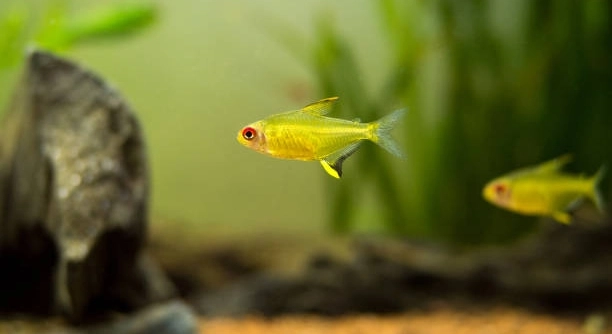
Do you ever notice your lemon tetras looking stressed or uncomfortable in their tank, making you wonder why their fins seem to lose their smooth edges and turn ragged over time as they swim around.
Fin rot in lemon tetras typically develops from bacterial or fungal infections triggered by poor water quality, stress, or physical damage. Effective treatment involves improving tank conditions, addressing infections promptly, and ensuring maintenance to prevent further deterioration of their fins.
Learning what triggers fin rot and how treatment works will guide you in supporting stronger fins for your lemon tetras.
Poor Water Quality
Poor water quality is one of the strongest triggers behind lemon tetra fin issues, and addressing it early helps protect their overall health. I focus on consistent maintenance because these small fish react quickly when ammonia or nitrite levels rise beyond safe limits. Regular water testing makes it easier to notice changes before they create stress that weakens delicate fins. I also rely on steady water changes so waste does not build up and irritate their skin. Clean filtration keeps debris from spreading through the tank and creating unpleasant conditions that allow infections to form. When the water stays clear and stable, lemon tetras show brighter color and calmer behavior. Stable parameters not only support fin recovery but also prevent recurring problems that slow their growth. Paying attention to these details keeps your fish comfortable and prevents unnecessary damage. This simple routine creates a safer space for steady fin healing.
Keeping the water clean reduces stress on your lemon tetras and supports strong fin regrowth. I stay consistent with small water changes because stability helps these fish recover faster, reducing the chance of repeated fin damage as they settle into healthier conditions that keep their bodies calm and well balanced.
Improving water quality works best when you use simple habits that fit your routine. I check parameters regularly so I can make small adjustments instead of waiting for visible signs of stress. Clean filters move water smoothly and stop waste from collecting in hidden spots that irritate delicate fins. Consistent water changes dilute harmful substances and stabilize the environment so your lemon tetras stay relaxed. These steps protect their fins, reduce the risk of infection, and help them maintain bright color. When the water stays stable, their recovery becomes faster and more predictable, giving them steady comfort in their habitat.
Stress Related Factors
Stress can weaken lemon tetras quickly, making their fins more vulnerable to damage and infection. I pay attention to tank activity because sudden movements, overcrowding, or aggressive tank mates create tension that affects their health. Calm surroundings help their fins stay stronger and recover with fewer complications each passing day.
Stress affects lemon tetras in ways that often show through their fins, making it important to understand what creates tension in their tank. I monitor interactions between fish so I can remove aggressive tank mates if they repeatedly chase or nip at others. Overcrowding also leads to discomfort, so giving your tetras enough space helps them swim freely without constant pressure. Bright lighting or loud external noise can startle them, pushing their stress levels even higher. I like to provide hiding spots because they offer a safe retreat when the fish feel overwhelmed. Stable tank activity keeps their behavior calm and their fins less prone to tearing or deterioration. Consistency in their feeding schedule reassures them and reduces sudden shifts that trigger nervous behavior. When stress remains low, the immune system stays stronger, allowing the fins to heal and resist infection. By paying close attention to the tank setup and fish interactions, you create an environment where their fins stay healthier and their behavior remains steady. Simple adjustments support long term comfort and improve the overall condition of your lemon tetras each day, giving them steady protection while maintaining a peaceful space they depend on daily for their ongoing health.
Physical Injuries
Physical injuries often appear when lemon tetras bump into sharp decorations or get nipped by other fish, leading to damaged fins that invite infection. I stay aware of tank layout and behavior so small injuries do not turn into ongoing problems that slow down healing for these delicate fish.
Injuries become more common when the tank contains rough edges or decorations that scrape against their fins as they move. I remove items with pointed or jagged surfaces because they cause repeated tearing that weakens the tissue. Tank mates that nip can also worsen the damage, so I watch for any persistent chasing. Smooth decorations and gentle plants create a safer space for swimming. When the environment stays soft and open, the fins remain protected and less likely to break. These small adjustments reduce injury and allow the fins to grow back without constant setbacks.
Treating injury related fin damage works best when you keep the tank calm and comfortable. I reduce activity during recovery by giving them space and avoiding sudden changes in their environment. Clean water helps prevent bacteria from entering torn areas, giving the fins a better chance to repair. Removing aggressive fish prevents repeated harm and lowers stress during healing. When the tank stays stable, the fins slowly rebuild their structure and strength. Consistent care supports smoother regrowth and reduces the chance of future tearing, helping your lemon tetras stay healthier over time.
Bacterial Infections
Bacterial infections spread quickly in tanks where waste builds up or stress makes the fish more vulnerable. I respond early when I notice small changes in fin texture because catching infection before it worsens helps protect their overall health and keeps the damage from spreading further.
Managing bacterial infections requires a cleaner environment and stable conditions. I begin by improving water quality to limit the bacteria that irritate their fins. Medication becomes necessary when the damage continues to progress despite better conditions, and using it as directed supports their recovery. I also make sure the tank stays calm because stress slows healing and weakens their response to treatment. Gentle filtration, soft lighting, and quiet surroundings help the medicine work more effectively. Monitoring the fins daily lets me adjust care when needed, keeping the damage from advancing. With careful attention and consistent maintenance, your lemon tetras regain healthier fins and remain more resilient against recurring infection.
Fungal Infections
Fungal infections often show up as soft, pale patches on damaged fin edges, spreading easily when the water stays dirty or the fish remain stressed. I watch for early changes so treatment can start quickly before the fins weaken any further.
Treating fungal issues works best when the tank stays clean and medications are used correctly. I keep the water stable and avoid sudden changes because consistency helps the fins strengthen as the infection fades. Smooth surroundings and calm activity support better recovery.
Overcrowding
Overcrowding puts constant pressure on lemon tetras, making them more likely to develop fin problems as stress builds. I give them enough room to swim comfortably because space reduces tension, lowers aggression, and keeps their fins from getting damaged by frequent interactions.
Poor Diet
A poor diet weakens their immune system, making their fins more vulnerable to infection. I choose varied foods so their bodies stay strong and their fins hold up better against stress.
FAQ
What causes fin rot to appear so quickly in lemon tetras?
Fin rot progresses fast because lemon tetras are small and sensitive to changes in their environment. When the water becomes dirty or unstable, their fins weaken, making it easier for bacteria or fungus to spread. I notice symptoms can escalate within days, especially if stress remains high. Poor water quality, aggression, and overcrowding push their immune system down, allowing infections to take hold faster. Once the fins begin fraying or discoloring, treatment must start early to prevent the damage from reaching deeper tissue. Keeping their tank clean and calm helps slow the progression and keeps their bodies stronger.
How do I know if the fin rot is bacterial or fungal?
I look at the edges of the fins to understand what type of issue is developing. Bacterial fin rot usually creates uneven, ragged tearing along the fin, often with darker or milky discoloration. Fungal infections appear softer, with pale or fuzzy patches that spread across injured areas. Sometimes both can show up at the same time if the tank conditions are poor. I pay attention to how fast the damage spreads because bacterial rot often progresses more aggressively. Proper identification helps guide the right treatment, preventing further weakening of the fins.
Can fin rot heal without medication?
Fin rot can improve without medication only if caught extremely early and the water quality is corrected right away. I rely on clean, stable water when the damage is minimal, because removing stress helps the fins recover naturally. If the tearing or discoloration continues, medication becomes necessary. Clean water supports healing, but established infections usually need targeted treatment to fully stop their spread. Ignoring the problem leads to deeper deterioration and slower recovery overall.
How long does fin rot take to heal?
Healing time depends on how far the fin damage has progressed and how stable the tank environment becomes. Mild cases may improve within one to two weeks once the water stays balanced and stress decreases. More advanced cases take longer because the tissue needs time to rebuild. I keep the tank consistent and avoid sudden changes while monitoring their progress each day. When conditions stay steady, you can see gradual improvement as the fins regain shape and strength over several weeks.
Should I isolate a lemon tetra with fin rot?
Isolation helps if the fish is being chased, or if the infection spreads rapidly. I move affected fish to a separate tank only when I notice repeated aggression or severe fin damage. A quiet space reduces stress and allows medication to work more effectively. If the main tank remains clean and peaceful, isolation is not always necessary. I pay attention to behavior and assign space based on how safe the fish looks among its tank mates.
What should I feed my lemon tetra during fin rot treatment?
Food that supports a stronger immune system helps their recovery. I choose a mix of high quality flakes, small pellets, and occasional protein rich options like brine shrimp. Variety keeps their strength up and helps their body repair damaged tissue. Avoid overfeeding because leftover waste harms water quality and slows the healing process. Consistent feeding with balanced nutrition encourages steady regrowth.
Why does fin rot keep returning even after treatment?
Recurring fin rot usually means something in the tank remains unstable. I check water quality first because lingering ammonia, nitrite, or fluctuating pH encourages repeated infections. Aggressive fish or overcrowded conditions also cause ongoing stress that weakens their fins again. Decorations with sharp edges can repeatedly scratch their fins, creating openings for bacteria or fungus to enter. I correct each issue step by step until the tank becomes balanced and calm. When the environment stays stable, the recurrences stop and the fins begin to strengthen naturally.
Final Thoughts
Caring for lemon tetras becomes easier once you understand how sensitive their fins are to small changes in their environment. I learned that fin rot is not just an isolated problem but something that forms when several factors start building pressure on these delicate fish. Clean water, calm surroundings, and balanced feeding make a noticeable difference when you want them to stay healthy. When the tank stays stable, their colors look brighter and their behavior feels smoother, which shows how closely their well being connects to the water they live in every day. Paying attention to those small shifts helps you catch early signs of fin damage before it grows into something more serious. Over time, these simple habits help create a safe space that supports strong fins and steady recovery, even if your fish have struggled with fin rot before.
Treating fin rot becomes much more manageable when the focus stays on consistency and observation. I stay patient because their fins take time to rebuild, and rushing the process does not help them heal any faster. Removing stress, keeping the water clean, and supporting their immune system with a varied diet work together to bring their fins back to better shape. Medication is useful when the infection moves quickly, but it still relies on a stable tank to work properly. I check the water regularly so nothing unexpected disrupts their progress. Watching their fins slowly improve can feel rewarding because it shows that small, steady changes really do make an impact. As their fins regain structure, their swimming becomes smoother and they react more comfortably to tank activity. Knowing how their behavior improves helps you stay motivated while guiding them through recovery.
Long term prevention depends on building a routine that fits naturally into your day while keeping the tank balanced. I like to keep decorations smooth, choose tank mates carefully, and avoid overcrowding because these choices reduce the chances of torn fins and repeated infections. Even small scratches can lead to problems when water quality drops, so keeping conditions stable protects them from unnecessary stress. Once you find a rhythm that works for your schedule, you will notice fewer issues developing over time. Lemon tetras respond well to consistent care, and their fins stay much stronger when they live in calm, predictable surroundings. Supporting them with thoughtful maintenance not only helps them recover but also keeps them healthier in the long run. With steady attention and simple routines, you create a space where your lemon tetras can thrive comfortably each day and show their natural beauty with confidence.

Hello,
If you enjoy the content that we create, please consider saying a "Thank You!" by leaving a tip.
Every little bit helps us continue crafting quality advice that supports the health, happiness, and well-being of pets around the world, for pets of all shapes, sizes, and species.
We really appreciate the kindness and support that you show us!