
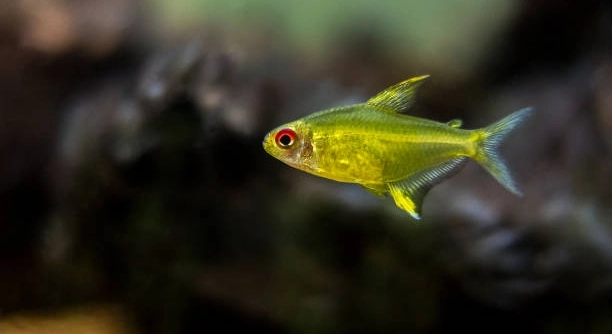
Male and female lemon tetras are small, vibrant fish that brighten home aquariums. Observing their colors and behaviors can be enjoyable, but identifying their sex may seem tricky for new or even experienced fish keepers.
The key differences between male and female lemon tetras lie in body shape, size, and coloration. Males are generally slimmer and more brightly colored, while females appear rounder with a less intense hue. Careful observation under good lighting ensures accurate identification.
Knowing these distinctions helps create a balanced aquarium and ensures proper breeding or social harmony among your fish. Paying attention to subtle traits makes all the difference in care.
Physical Differences Between Male and Female Lemon Tetras
Male lemon tetras usually have a slimmer, more elongated body compared to females, who tend to appear fuller, especially around the belly area. The males’ yellow coloration is more vibrant, making them stand out in a tank. Females, while still colorful, display a softer shade of yellow and may have less pronounced fin edges. Observing the dorsal and anal fins can also help; males often have slightly longer and more pointed fins, while females’ fins are rounded and shorter. Behaviorally, males can appear more active, frequently swimming in display patterns to attract attention, whereas females maintain steadier movements and spend more time exploring near plants or the tank bottom. Lighting plays a role in observing these traits clearly, and positioning yourself at tank level ensures a better view. Consistent observation over time helps confirm distinctions, particularly during feeding or social interactions, as subtle differences may be missed in brief glances.
These physical traits are reliable for distinguishing males from females without invasive measures. Observing consistently provides clarity.
Understanding body shape, fin length, and color intensity is key to identifying lemon tetras. Watching their movement patterns and interactions makes differences more obvious and ensures accurate sexing in your aquarium.
Behavioral Differences in Lemon Tetras
Females are generally calmer, spending more time near plants and avoiding rapid displays.
Males are more active and may swim quickly to show dominance or attract attention. During feeding, males often dart ahead, while females linger slightly behind, observing the surroundings. Social interactions differ as well; males frequently display chasing behavior toward other males or swim in small loops around females. Females tend to move in gentle groups and are less aggressive, providing balance in a tank community. Breeding behavior highlights these differences, with males performing subtle displays, flaring fins and showing vibrant sides, whereas females respond by positioning themselves carefully and assessing their environment. Recognizing these behavioral cues is helpful not only for identification but also for maintaining harmony in a community aquarium, ensuring that both sexes coexist without stress. Adjusting tank decoration, providing hiding spots, and observing their natural rhythms allows both male and female tetras to thrive comfortably.
Identifying Lemon Tetras by Size
Males are slightly smaller and slimmer, while females have a rounder, fuller body. This difference becomes noticeable as they mature and is easier to see in well-lit tanks with open swimming spaces.
Female lemon tetras tend to appear bulkier, especially around the belly area, which is more pronounced when carrying eggs. Males maintain a streamlined shape that makes their movements faster and more agile. Over time, these size differences become consistent markers for sex identification. Observing a group together highlights contrasts, as females often seem broader and slower. Proper nutrition ensures healthy growth, which also makes size distinctions easier to notice.
Size differences also affect tank dynamics. Males may dominate in feeding or displays, while females’ fuller shape gives them a calmer presence. Recognizing these traits helps maintain a balanced aquarium, guiding interactions and social order. Size observations, combined with fin shape and coloration, provide a complete picture for identifying lemon tetra sex accurately.
Coloration and Fin Shape
Males display more intense yellow hues and slightly longer fins. Females are softer in color with rounded fin edges, making them visually distinct.
Color intensity in males is most noticeable under proper lighting. Their fins, particularly the dorsal and anal fins, appear pointed and elongated. Females have a subtler yellow shade and shorter, rounded fins, giving them a more gentle appearance. Observing them during feeding or swimming in open water highlights these differences clearly. These traits are consistent markers that become more apparent as the fish mature. Healthy diet and clean water enhance colors, making identification easier.
Fin shape and coloration also affect social behavior. Males use their brighter fins and colors in displays or minor chases, while females’ softer fins correspond with calmer, more group-oriented movements. Watching them over time helps distinguish individuals in mixed groups and ensures accurate understanding of each fish’s sex. Proper tank care enhances these visual differences and supports their natural behavior patterns.
Observing Behavior in Groups
Males often swim more actively, displaying subtle chasing behaviors toward other males. Females move in calmer, slower patterns and tend to stay closer to plants or tank decorations.
During feeding, males dart quickly to grab food first, while females wait slightly behind, moving steadily. These differences are consistent and help identify sex.
Breeding Indicators
Males perform small displays to attract females, flaring fins and showing brighter sides. Females respond by positioning themselves carefully and may appear fuller in the belly. Watching these behaviors over time can confirm the sexes and help predict breeding readiness.
Tank Placement Differences
Females prefer the middle to lower areas of the tank. Males explore the upper and open swimming spaces more frequently.
FAQ
How can I quickly tell a male lemon tetra from a female?
The easiest way is to observe body shape and coloration. Males are slimmer, more streamlined, and display brighter yellow coloring. Females are rounder, particularly around the belly, and have softer yellow tones. Looking at fin shape helps too—males have slightly longer, pointed dorsal and anal fins, while females’ fins are shorter and rounded. Watching them over time while swimming or feeding will make the differences clearer, especially when comparing several fish in a group. Consistent observation in good lighting ensures accurate identification without stressing the fish.
Do male lemon tetras show more aggressive behavior than females?
Yes, males tend to be more active and assertive. They often chase other males and display to attract females. These behaviors are natural and part of their social interaction. Females are calmer, moving slowly and generally avoiding conflicts. Understanding these behavioral differences helps in arranging the tank, ensuring a balanced environment where all fish coexist peacefully. Providing plants and hiding spots can minimize stress from male activity, allowing females to feel secure and males to express natural behaviors without causing harm.
Can size alone determine the sex of a lemon tetra?
Size is a helpful indicator but should not be used alone. Males are usually slimmer and slightly smaller, while females are rounder and fuller, especially when carrying eggs. However, young fish may not show clear differences, and size can vary slightly due to nutrition or genetics. Combining size observation with color intensity, fin shape, and behavior gives a more reliable identification. Monitoring a group over several weeks helps spot patterns, confirming males and females with more confidence.
Do lemon tetras’ colors change with age or health?
Yes, coloration can shift depending on age, diet, and water conditions. Healthy males maintain bright yellow tones, while females show softer colors. Stress, poor water quality, or insufficient nutrition can dull their appearance. Maintaining clean water, stable temperature, and a balanced diet ensures colors remain vibrant. Observing changes can also indicate health issues, so noticing dulling or uneven coloration early helps address problems before they become serious.
Is it possible for males and females to look almost identical?
In some cases, especially with young fish, males and females can appear very similar. Subtle differences in body shape, fin length, and behavior are the best clues. Watching them over time during feeding, swimming, or social displays usually reveals distinctions. Patience is important, as these traits become more obvious with maturity.
How do breeding females behave differently from males?
Females preparing to spawn often appear fuller in the belly and move cautiously. They respond to males’ displays but do not chase or assert dominance. Males increase activity during breeding, flaring fins and showing brighter sides to attract females. Observing these interactions allows you to confirm sexes and predict potential spawning events. Proper nutrition and hiding spaces support breeding readiness and reduce stress for both sexes.
Can environmental factors affect sex identification?
Yes, lighting, tank decoration, and water quality can impact how easily you see differences. Dim lighting or cluttered tanks can hide fin shapes and color intensity. Open swimming areas with proper light make distinctions clearer. Ensuring consistent conditions allows behaviors, colors, and size differences to be more noticeable, aiding accurate identification.
Do all males display the same level of brightness?
No, brightness can vary depending on age, health, and genetics. Older or healthier males generally show more intense yellow. Dull males might still be fully grown but could need better nutrition or water conditions. Comparing males in the same tank helps determine relative brightness. Observing multiple traits together—color, shape, fin length, and behavior—gives a clearer overall identification.
How many females should I keep with males?
Maintaining a higher number of females compared to males reduces stress from chasing behaviors. A ratio of two to three females per male works well. This ensures that males can display naturally without overwhelming individual females. Adequate space and plants further balance the tank, promoting harmony and healthier social interactions.
Are there any signs that a female is ready to breed?
Yes, a rounder belly and slower, cautious movements are common signs. Females often position themselves near plants or lower areas, responding to males’ displays without initiating interactions. Observing these behaviors helps confirm readiness and allows proper preparation for potential spawning events. Clean water and a nutrient-rich diet support both female and male reproductive health.
Final Thoughts
Identifying male and female lemon tetras requires careful observation, but it is not as difficult as it may first seem. The main differences are in body shape, size, coloration, and fin shape, and these traits become more apparent as the fish mature. Males are generally slimmer, slightly smaller, and more vibrantly colored, with longer, pointed fins. Females are rounder, particularly around the belly, and display softer yellow tones with shorter, rounded fins. Observing a group of fish together makes it easier to notice these distinctions, as comparing multiple individuals highlights contrasts in shape and color. Consistency in observation is key, as subtle differences may not be obvious in brief glances or in younger fish. Lighting, tank conditions, and space for swimming also play an important role in being able to clearly identify these traits.
Behavior provides another reliable way to differentiate sexes. Males are typically more active, swimming quickly and performing displays to assert dominance or attract females. These behaviors include chasing other males and flaring fins, which can be observed during feeding or social interactions. Females, on the other hand, are calmer and move more steadily, often sticking closer to plants or the lower areas of the tank. Breeding behaviors also show clear differences, with males performing specific displays while females respond cautiously, sometimes appearing fuller in the belly as they prepare to spawn. Paying attention to these behavioral patterns over time not only helps with identification but also improves understanding of their social dynamics, ensuring a more balanced aquarium environment.
Proper care and attention to their natural traits support both identification and overall health. Clean water, a stable environment, and a balanced diet help maintain vibrant coloration, normal growth, and active behaviors. Recognizing the physical and behavioral differences between male and female lemon tetras also makes it easier to create harmonious social groups and plan breeding if desired. Observing these fish regularly allows for early detection of potential health issues or stress, which can affect coloration and activity levels. With patience and careful observation, identifying male and female lemon tetras becomes a straightforward process, and understanding these differences enhances both the enjoyment of keeping them and the well-being of the fish themselves.

Hello,
If you enjoy the content that we create, please consider saying a "Thank You!" by leaving a tip.
Every little bit helps us continue crafting quality advice that supports the health, happiness, and well-being of pets around the world, for pets of all shapes, sizes, and species.
We really appreciate the kindness and support that you show us!