
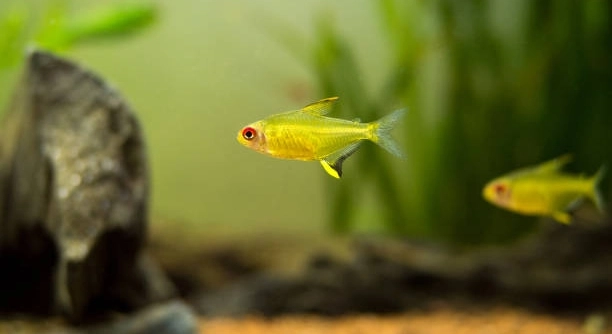
Lemon tetras are small, vibrant fish that bring life to any freshwater tank. Observing their movements and interactions can be relaxing, and aquarists often wonder how environmental factors affect their behavior and well-being in captivity.
Lemon tetras generally do not require bubbles in the tank for comfort or health. While aeration can benefit overall water quality, excessive bubbles may stress these fish, as they prefer calm waters with moderate flow and stable conditions.
Knowing how to properly set up their environment can make a significant difference. Proper care ensures lemon tetras thrive, exhibiting their natural colors and active schooling behavior in your aquarium.
Understanding Lemon Tetra Behavior
Lemon tetras are peaceful, schooling fish that prefer swimming in groups. They are naturally active but cautious, often staying near plants or decorations in the tank. Their small size makes them sensitive to sudden changes in the environment, including water movement. Observing their habits can reveal whether they are comfortable with tank conditions or stressed. Gentle water flow and moderate temperature create a stable environment where these fish can display their bright yellow and silver colors. Over time, they become more confident and interact more openly with other species. Adding decorations or hiding spots allows them to feel secure while exploring the tank. Even minor disturbances, such as strong currents or excessive bubbles, can make them hide or stop feeding temporarily. Maintaining consistent care, including clean water and proper feeding schedules, helps them thrive and exhibit their natural behaviors reliably, making the tank lively without forcing them into uncomfortable conditions.
Lemon tetras thrive best in calm waters with steady conditions, minimizing stress and encouraging active, healthy swimming patterns.
Providing proper group sizes, calm water, and planted areas ensures their long-term comfort and natural behavior in a home aquarium.
The Role of Bubbles in the Tank
Bubbles from air pumps create water movement and increase oxygen levels, but they can affect small fish differently. Lemon tetras prefer gentle currents rather than turbulent water.
Excessive bubbles may create stress, causing fish to avoid areas or hide more frequently. Their natural habitats are slow-moving streams and densely planted waters, so a strong bubble stream does not reflect their preferred environment. Small bubbles can irritate delicate fins or disturb schooling patterns, disrupting the harmony of the group. Some aquarists use bubble walls or air stones for aesthetic purposes, but it is important to monitor the fish’s reaction. Observing their swimming behavior and feeding response helps determine if bubbles are tolerated or if adjustments are needed. Providing a moderate flow that encourages oxygen exchange without overwhelming the fish can support water quality while keeping them comfortable. For lemon tetras, minimal aeration combined with regular water changes usually meets oxygen requirements without causing unnecessary stress or disrupting natural activity levels in the tank.
Tank Setup Considerations
Maintaining stable water conditions is key for lemon tetras. They prefer slightly acidic to neutral pH and temperatures between 72°F and 78°F. Decorations and plants provide hiding spots, helping reduce stress and encourage natural behavior.
Choosing the right substrate and plants supports their comfort. Fine gravel or sand mimics their natural habitat, while live plants offer cover and foraging areas. Avoid overcrowding the tank, as lemon tetras are sensitive to stress from limited swimming space. Proper filtration is important, but strong currents should be avoided. Lighting should be moderate to enhance colors without startling the fish. Consistent maintenance, including regular water changes and monitoring parameters, ensures a healthy environment where they can thrive. Observing their behavior helps identify if adjustments are needed to maintain comfort.
Air stones and bubble walls can be decorative, but placement is important. Avoid positioning them directly where fish school to prevent stress.
Feeding and Activity Patterns
Lemon tetras are omnivorous and enjoy a varied diet, including flakes, micro pellets, and occasional live or frozen foods. Feeding small amounts multiple times a day prevents overfeeding and keeps water quality high. Their active swimming patterns are influenced by food availability and tank conditions, so maintaining consistent feeding schedules supports health and activity levels.
Behavior is also affected by tank companions and environment. Compatible species enhance schooling behavior, while aggressive or larger fish may cause hiding or stress. Providing open swimming areas alongside dense planting balances security and freedom of movement. Observing their reactions during feeding and daily activity can guide adjustments to tank layout, flow, and diet, ensuring lemon tetras remain healthy, colorful, and active. Regular monitoring and gentle care prevent behavioral issues and support longevity, making it easier to maintain a harmonious aquarium.
Water Flow Preferences
Lemon tetras prefer gentle water flow rather than strong currents. Excessive movement can stress them and disrupt schooling behavior.
Placing filters or air stones to create mild circulation helps maintain oxygen levels without overwhelming the fish. Calm areas allow them to swim comfortably and explore the tank naturally.
Observing Comfort Signals
Signs of comfort include active swimming, bright colors, and coordinated schooling. Fish that hide frequently or remain at the surface may be stressed. Regular observation ensures adjustments can be made to maintain a suitable environment and reduce unnecessary stress.
Adjusting Bubble Levels
Small bubbles can be tolerated if flow is moderate, but large or vigorous bubbles should be avoided. Gentle aeration supports water quality without disturbing their natural behavior.
Tank Placement Tips
Keeping the tank in a quiet, stable area reduces stress from vibrations or sudden movements. Avoid high-traffic areas and direct sunlight to maintain consistent temperature and lighting conditions.
FAQ
Do lemon tetras need bubbles in the tank?
Lemon tetras do not require bubbles for their survival. While aeration can slightly increase oxygen levels, these fish are small and can thrive in calm, well-maintained water. Gentle circulation is enough to keep the water healthy without stressing the fish.
Can strong bubbles harm lemon tetras?
Yes, strong bubbles or vigorous water movement can cause stress. Lemon tetras prefer slow-moving waters similar to their natural habitats. Excessive currents can force them to expend extra energy to swim, leading to fatigue, hiding behavior, or disrupted schooling patterns.
How can I provide oxygen without stressing my fish?
Moderate aeration, like a low-flow air stone or gentle filter output, maintains oxygen levels without overwhelming lemon tetras. Surface agitation from light water movement is usually sufficient. Regular partial water changes also help sustain proper oxygenation naturally.
What tank size is best for lemon tetras?
A minimum of 10 gallons is recommended for a small school of lemon tetras. Larger tanks allow more swimming space and reduce stress. Overcrowding can lead to competition, hiding, or aggressive behavior among fish.
How many lemon tetras should be kept together?
Lemon tetras are schooling fish and feel more secure in groups of at least six. Smaller groups may exhibit shyness or stress. Schools of 10 or more are ideal for natural behavior and active swimming patterns.
Are plants necessary for their tank?
Plants are not strictly necessary but highly recommended. They provide hiding spots, reduce stress, and mimic natural habitats. Live plants also help with water quality by absorbing nitrates and providing oxygen.
Do lemon tetras react to bubble walls or air stones?
Reactions vary depending on placement and intensity. Gentle bubbles may be ignored, but strong streams often cause fish to avoid areas or hide. Observing their behavior after installation helps determine if adjustments are needed.
Can lemon tetras live with other fish in a bubbled tank?
Yes, if tank mates are peaceful and bubbles are moderate. Avoid aggressive species that might exploit stressed fish. Providing calm zones ensures all species can coexist comfortably.
How often should I monitor water conditions?
Daily observation of fish behavior is crucial. Weekly testing for pH, ammonia, nitrite, and nitrate helps maintain water quality. Adjusting aeration, flow, or filtration based on readings keeps the tank stable.
Will lemon tetras adapt to bubbles over time?
Some may acclimate to mild bubbles, but excessive or strong currents rarely become comfortable. It is best to create conditions that mimic calm, natural waters to support long-term health.
Do bubbles affect feeding habits?
Strong bubbles can interfere with feeding. Fish may struggle to reach food or become stressed, reducing appetite. Gentle conditions encourage regular feeding and proper growth.
Can tank decorations reduce stress from bubbles?
Yes, plants, rocks, or driftwood provide shelter and help fish avoid strong currents. Proper placement creates calm areas where lemon tetras can rest and school naturally.
Is a bubbler necessary for small aquariums?
In small, well-maintained tanks, bubblers are usually unnecessary. Regular water changes, moderate filtration, and a few plants maintain adequate oxygen levels without stressing the fish.
How do I know if my lemon tetras are stressed by bubbles?
Signs include hiding, erratic swimming, faded colors, or clinging to the tank bottom. Observing daily behavior allows adjustments to aeration, placement, or flow to improve comfort.
Can I use multiple air stones in a lemon tetra tank?
Multiple air stones are possible if flow remains gentle. Avoid placing them where fish school or feed. Spacing them evenly with low output provides oxygen without creating strong currents.
Do lemon tetras prefer surface bubbles or gentle flow at mid-water?
They generally prefer calm mid-water or slightly flowing areas. Surface bubbles alone are not critical, as long as oxygen levels are sufficient and water remains stable.
Will bubbles help prevent disease?
Bubbles do not prevent disease directly. Proper water quality, feeding, and tank hygiene are more important. Gentle aeration supports oxygen levels, which can indirectly improve overall health.
Are there alternatives to bubbles for oxygenation?
Yes. Live plants, proper filtration, and surface agitation provide oxygen naturally. Regular water changes help maintain adequate dissolved oxygen without disturbing the fish.
Do lemon tetras need more oxygen in warmer water?
Warmer water holds less oxygen, but gentle aeration or surface movement usually compensates. Maintaining stable temperature and avoiding overcrowding helps them remain comfortable.
Can stress from bubbles shorten their lifespan?
Prolonged exposure to strong currents or constant agitation may lead to stress-related illness. Providing calm, stable conditions helps lemon tetras live longer and remain active and colorful.
Is it better to remove the bubbler if fish seem uncomfortable?
Yes, reducing or repositioning the bubbler to create gentle flow is preferable. Observing behavior after changes ensures the fish are relaxed and exhibiting natural schooling patterns.
How can I balance oxygen levels and comfort?
Moderate flow, light aeration, and regular water changes create a stable, oxygenated environment. Maintaining plants and open swimming areas ensures fish are comfortable while water quality remains high.
What is the safest setup for beginner aquarists?
For beginners, a 10-20 gallon tank with gentle filtration, moderate planting, and minimal bubbles is ideal. This setup reduces stress for lemon tetras and makes maintenance straightforward while supporting natural behaviors.
Do lemon tetras require adjustments in winter months?
Adjustments may be necessary if indoor temperatures drop. Ensure heaters maintain a stable 72-78°F range and monitor oxygen levels, as colder water holds more oxygen but may affect activity.
Can I use a sponge filter instead of an air stone?
Yes, sponge filters provide gentle filtration and oxygenation without strong currents. They are ideal for small tanks or delicate species like lemon tetras.
How do I test if my fish are comfortable with bubbles?
Observe swimming patterns, feeding response, and color vibrancy. Comfortable fish swim actively in groups, feed well, and display bright colors. Stress indicators suggest reducing bubble intensity or repositioning equipment.
Are there visual indicators that bubbles are too strong?
Yes, fish trying to avoid certain areas, hiding excessively, or swimming erratically are signs of overly strong aeration. Adjusting flow or placement resolves these issues.
Should I combine bubbles with other aeration methods?
Combining gentle bubbles with surface agitation or planted oxygenation is effective. Avoid excessive overlapping currents, which can stress fish while still providing sufficient oxygen.
Can small bubbles be used for decoration without affecting comfort?
Yes, as long as flow remains gentle and fish can avoid the area if needed. Placement and intensity determine whether decorative bubbles are tolerated.
Do lemon tetras benefit from nighttime aeration?
Nighttime aeration is usually unnecessary if the tank is healthy and water is well-maintained. Gentle flow at night does not harm them, but strong currents should be avoided to allow rest.
How often should bubble output be checked?
Check weekly to ensure flow is gentle and consistent. Sudden increases or blockages can create stress, so monitoring ensures a stable environment.
Can bubbles cause temperature fluctuations?
Not significantly, unless the bubbler is attached to equipment that changes water temperature. Ensure heaters and filters maintain stable conditions alongside any aeration device.
Do lemon tetras ever enjoy bubbles?
Some may swim around gentle bubbles out of curiosity, but this is not necessary for their well-being. Comfort comes from calm waters, adequate hiding spots, and a stable environment rather than constant agitation.
How do I balance aesthetics and fish comfort?
Use bubbles sparingly and place them where they do not interfere with swimming or feeding. Combining visual appeal with calm zones maintains both decoration and fish welfare.
Can strong bubbles interfere with breeding behavior?
Yes, excessive water movement can disrupt pair bonding or egg-laying sites. Calm, planted areas provide secure conditions for breeding lemon tetras.
Is it better to reduce bubbles or remove them completely?
Reducing output is preferable to removing them entirely if aeration is needed. Gentle bubbles maintain oxygen levels without stressing the fish, preserving both health and comfort.
Do lemon tetras adjust to occasional bursts of bubbles?
Occasional short bursts are usually tolerated if the overall environment remains calm. Prolonged or constant strong currents should still be avoided to prevent stress.
How do I know the optimal bubble placement?
Position bubbles away from main swimming areas and feeding zones. Gentle surface flow combined with mid-water calm areas creates a balance between oxygenation and comfort.
Are there specific brands or types of bubblers recommended?
Low-flow air stones or sponge filters are ideal. Avoid high-output decorative units that produce strong currents. Focus on adjustability and gentle output to suit delicate fish like lemon tetras.
Do bubbles impact water clarity?
Not directly, though excessive agitation can stir substrate or debris. Gentle aeration minimizes disturbances while maintaining clear water and healthy oxygen levels.
Can lemon tetras be acclimated to new bubble setups?
Gradual introduction of low-flow bubbles allows observation of tolerance. Adjust intensity based on behavior, ensuring they maintain natural schooling, feeding, and coloration without stress.
Should I reduce bubbles during feeding?
Yes, lowering flow during feeding helps fish access food easily and reduces stress. Returning to gentle aeration afterward maintains water quality without disrupting behavior.
How do plants interact with bubble flow?
Plants can soften currents and create calm zones. They also increase oxygen levels naturally, complementing gentle bubble aeration without creating stressful turbulence.
Do lemon tetras respond differently in community tanks?
Yes, their reaction to bubbles may depend on tank mates. Peaceful companions and gentle flow reduce stress, while aggressive species combined with strong bubbles can worsen behavior issues.
Is it necessary to use a timer for bubblers?
Timers can be useful for consistency but are not required. Ensuring bubbles remain gentle and stable during operating hours is more important than intermittent schedules.
Do lemon tetras require more bubbles as they grow?
No, their oxygen needs scale minimally with size. Gentle, steady aeration remains sufficient throughout growth stages if the tank is well-maintained.
How do I combine filtration and bubbles effectively?
Use filters with adjustable output to create gentle circulation. Supplement with small air stones if needed, ensuring bubbles do not interfere with main swimming areas or feeding zones.
Are there long-term effects of strong bubbles on lemon tetras?
Prolonged exposure can lead to chronic stress, affecting immunity, growth, and lifespan. Maintaining calm conditions with occasional gentle bubbles is safest for long-term health.
Can bubbles replace water changes?
No, bubbles do not substitute for proper water maintenance. Regular water changes are essential to remove toxins and maintain a healthy environment for lemon tetras.
Do lemon tetras show immediate reactions to new bubble setups?
Yes, changes in behavior, hiding, or reduced feeding often appear quickly. Observing fish for a few hours after installation helps identify tolerance or necessary adjustments.
Are there seasonal considerations for bubbles?
Seasonal temperature changes may affect oxygen levels slightly. Ensure gentle flow and stable temperatures to prevent stress regardless of season.
Can multiple small bubbles be better than one large stream?
Yes, multiple gentle bubbles distribute flow and oxygen without creating strong currents. Placement and intensity should still prioritize calm swimming areas for comfort.
Do lemon tetras need bubbles if the tank is densely planted?
No, dense planting naturally increases oxygen levels and provides calm zones. Gentle bubbles may be optional and primarily for aesthetic purposes.
How do I troubleshoot fish avoiding bubble areas?
Reduce output or reposition equipment. Observing behavior over several days ensures adjustments successfully reduce stress and restore normal swimming patterns.
Are there any signs that bubbles are beneficial?
Signs include increased mid-water activity, schooling near the bubbles without hiding, and bright coloration. Monitor carefully to distinguish curiosity from stress.
Do lemon tetras ever use bubbles for play?
Some may explore gentle bubbles briefly, but they do not rely on them for enrichment. Calm water and adequate space are more critical for natural behavior.
Can I use bubbles to improve filtration efficiency?
Bubbles can assist surface agitation and oxygen exchange, but filtration should primarily remove waste and maintain water clarity. Avoid excessive turbulence that affects fish comfort.
Should bubbles be adjusted for breeding tanks?
Yes, calm conditions are preferred for spawning. Strong currents can disrupt eggs and fry, so gentle or minimal aeration supports breeding success.
Do lemon tetras respond differently to air stones versus sponge filters?
Sponge filters provide gentle filtration and aeration with minimal stress, while traditional air stones may create localized currents that fish avoid. Sponge filters are often preferable in small tanks.
How do I prevent bubbles from causing injury?
Use low-flow devices, avoid placing them in high-traffic swimming zones, and monitor fish behavior. Sharp or rapid bubbles can damage delicate fins.
Are there alternatives for visual effects without stressing fish?
Yes, LED lighting, background decor, or gentle fountains can enhance aesthetics without strong water movement. Prioritize calm zones for comfort.
Can bubbles affect schooling behavior long-term?
Persistent strong currents can disrupt natural schooling and stress fish. Providing calm areas maintains coordinated swimming and overall health.
Is it safe to combine multiple air stones and sponge filters?
Yes, if each is adjusted for gentle output. The goal is steady oxygenation without creating strong or conflicting currents that disturb the fish.
Do lemon tetras interact with bubbles differently at night?
They tend to rest more at night and may avoid areas with active bubbles. Reducing flow during nighttime allows rest and reduces stress.
Are there signs of long-term adaptation to gentle bubbles?
Fish may swim near bubbles without hiding, feed normally, and maintain bright colors. Even with adaptation, strong currents remain harmful.
Can bubbles improve water circulation around plants?
Yes, gentle bubbles can help distribute nutrients and oxygen around plants, benefiting both flora and fish without causing stress.
Do lemon tetras respond to bubbles differently based on tank size?
Smaller tanks concentrate flow, making even moderate bubbles more noticeable. Larger tanks allow dispersal and reduce direct impact, allowing more flexibility.
Is it better to use a single adjustable air stone or multiple fixed ones?
A single adjustable air stone allows precise control of flow, minimizing stress. Multiple fixed stones may create uneven currents if output is not carefully monitored.
Do lemon tetras need bubbles during quarantine?
Bubbles are optional in quarantine tanks. Maintaining water quality and gentle conditions is more important than aeration intensity.
Can bubble placement influence tank aesthetics without stressing fish?
Yes, positioning away from main swimming and feeding zones allows decorative bubbles while keeping fish comfortable and maintaining natural behavior.
How do I balance bubble intensity with feeding and activity areas?
Place bubbles in corners or background zones. Keep open areas calm for feeding and active schooling to ensure comfort and accessibility.
Are there any behavioral signs that bubbles are too weak?
Weak bubbles rarely stress fish but may not enhance oxygenation. Observe for lethargy or slow swimming to determine if mild aeration adjustments are needed.
Do lemon tetras ever crowd around bubbles?
Occasionally, fish may swim near gentle bubbles out of curiosity. This behavior is normal if other areas remain calm and safe.
Should I adjust bubbles when adding new fish?
Yes, new fish may be more sensitive to water movement. Gentle aeration reduces stress and allows them to acclimate comfortably.
Do bubbles affect water surface tension and feeding?
Strong bubbles may disperse floating foods, making feeding difficult. Gentle flow allows normal feeding without causing stress or food loss.
Can bubbles influence tank temperature?
Only minimally, unless combined with other equipment. Monitor temperature stability, especially in small tanks, to ensure fish remain comfortable.
Are there seasonal maintenance considerations for bubbles?
Regular cleaning and flow checks are important year-round. Temperature and oxygen levels may fluctuate slightly with seasons, so adjust flow if necessary.
Do lemon tetras tolerate sudden changes in bubble intensity?
Sudden strong currents often cause stress. Gradual adjustments allow observation of tolerance and prevent behavioral disruption.
Can bubbles help with debris removal?
Minimal agitation may help suspend debris for filtration, but strong currents can disturb substrate and stress fish. Balance is key.
Do lemon tetras use bubbles for shelter?
No, they prefer plants, decorations, or tank edges for hiding. Bubbles do not provide protective cover.
Is there an optimal bubble size for lemon tetras?
Small, gentle bubbles are best. Large bubbles create turbulence and disrupt swimming, schooling, and feeding behaviors.
Do lemon tetras show differences in response based on age?
Juveniles may be more sensitive to flow, while adults tolerate mild currents better. However, strong or constant bubbles remain stressful for all ages.
How do I combine visual appeal and comfort with bubbles?
Use low-intensity, strategically placed bubbles with planted areas and open swimming zones. This creates aesthetic interest without compromising fish welfare.
Do lemon tetras need bubbles in planted tanks with low fish density?
No, plants provide oxygen and calm zones. Bubbles are optional and primarily for decoration or slight circulation.
Can over-bubbling affect water chemistry?
Excessive surface agitation may slightly increase CO2 exchange, but proper filtration and regular maintenance have a greater impact on water quality.
Do lemon tetras behave differently in community versus species-only tanks with bubbles?
Community tanks may increase stress if other species interact aggressively with currents. Species-only tanks provide more predictable reactions and calmer environments.
How often should bubble intensity be reviewed?
Regular monitoring, at least weekly, ensures flow remains gentle and appropriate for comfort. Observing fish behavior is the best indicator of adequacy.
Can bubbles interfere with breeding or fry survival?
Strong bubbles can displace eggs or fry. Calm water zones are essential for breeding success and juvenile development.
Do lemon tetras ever benefit from decorative bubble walls?
Only if output is mild and positioned carefully. Excessive flow disrupts schooling, hiding, and feeding, so decorative use must prioritize fish comfort.
How do I know if adjustments are needed after installation?
Observe swimming, feeding, and color vibrancy. Hiding, erratic movement, or lack of activity indicates flow or placement changes are necessary.
Is there a maximum number of air stones for a small tank?
One or two low-flow stones are usually sufficient. Excessive stones increase turbulence and stress, especially in smaller aquariums.
Do lemon tetras prefer bubbles in certain tank zones?
They tolerate gentle bubbles in background or corners. Main swimming and feeding areas should remain calm for comfort.
Are there alternatives to visual bubble effects for tank appeal?
Yes, LED lighting, backgrounds, and floating plants enhance aesthetics without disrupting water flow or fish behavior.
Do bubbles influence aggression in lemon tetras?
Strong currents can increase stress and reduce schooling cohesion, indirectly affecting social behavior.
Lemon tetras are small, peaceful fish that respond best to calm, stable tank conditions. Their natural habitats are slow-moving streams and planted areas, which shape their preferences for gentle water flow and minimal disturbance. While bubbles and aeration can enhance oxygen levels and visual appeal, they are not essential for the comfort or survival of lemon tetras. In fact, strong currents or vigorous bubbles can create stress, causing the fish to hide, swim erratically, or reduce feeding. Observing their behavior regularly is the best way to ensure they are comfortable. Active swimming, coordinated schooling, bright coloration, and normal feeding are all indicators that the tank environment meets their needs. Adjustments to bubble placement, intensity, or flow should always be guided by these behavioral cues rather than equipment alone.
Maintaining a suitable tank environment involves more than just aeration. Proper filtration, consistent water changes, stable temperature, and adequate planting all contribute to a healthy habitat for lemon tetras. Dense plants provide hiding spots and reduce stress, while moderate open swimming areas allow schooling behavior to occur naturally. A balanced diet and regular feeding schedule support energy levels and overall well-being, complementing the physical environment. Even minor changes, such as adding a new decoration or adjusting bubble output, can impact behavior. By combining gentle aeration with careful tank maintenance, aquarists can create a space where lemon tetras thrive, exhibiting natural behavior and vibrant colors without unnecessary stress. Regular observation and minor adjustments ensure the fish remain comfortable while promoting long-term health.
When considering bubbles for aesthetic or functional purposes, moderation is key. Gentle, low-flow bubbles can contribute to oxygenation and visual interest without disturbing the fish. Placement should avoid primary swimming and feeding zones, and intensity should remain minimal. In most cases, lemon tetras do not require additional aeration if the tank is properly maintained, and their comfort should take priority over decorative features. Calm water areas, planted zones, and sufficient swimming space provide a more natural and supportive environment than strong currents. Understanding their preferences and observing responses to bubbles helps create a tank that balances both health and appearance. Prioritizing stability, calm conditions, and gradual adjustments ensures lemon tetras remain active, healthy, and stress-free, highlighting the importance of thoughtful tank management over unnecessary enhancements.

Hello,
If you enjoy the content that we create, please consider saying a "Thank You!" by leaving a tip.
Every little bit helps us continue crafting quality advice that supports the health, happiness, and well-being of pets around the world, for pets of all shapes, sizes, and species.
We really appreciate the kindness and support that you show us!