
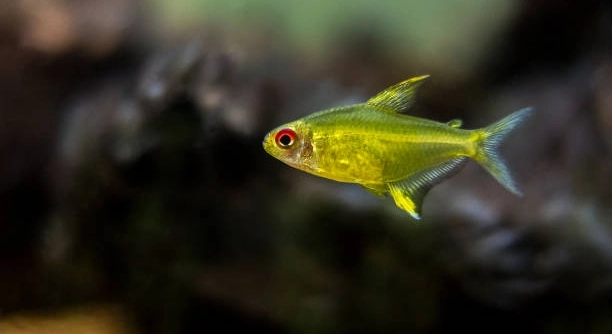
Setting up a lemon tetra community tank can feel manageable when you focus on creating a calm environment. With the right setup and a balanced approach you can support their gentle nature and maintain harmony.
Creating a successful lemon tetra community tank begins with stable water parameters compatible tank mates and adequate space. Ensuring soft slightly acidic water and consistent filtration supports their health while thoughtful aquascaping offers comfort and reduces stress within the environment.
These small details shape a peaceful setup that keeps your lemon tetras thriving and encourages an engaging aquatic experience overall.
Choosing the Right Tank Setup
Creating the ideal setup for a lemon tetra community tank starts with focusing on the basics that keep these gentle fish comfortable. I like beginning with a tank size that gives them enough open space to swim while still offering shaded areas created by plants. A 20 gallon tank works well because it allows a decent group to move freely without feeling crowded. Good filtration is important, but the flow should be moderate since strong currents can make them restless. Soft lighting helps them display their color, and adding fine gravel or sand gives the tank a clean and natural look. Live plants such as java fern, wisteria, and crypts provide shelter and create a sense of safety. Keeping the décor simple prevents stress and makes maintenance easier. Clean water maintained through regular partial changes will keep the tank balanced and stable, giving your lemon tetras a healthy foundation overall.
Stable conditions keep the setup running smoothly by supporting your fish and lowering stress. When parameters stay steady the lemon tetras adjust with ease and maintain natural behavior, color, and movement without unexpected shifts that could disturb their comfort or affect the peaceful atmosphere in your established community tank today.
A thoughtful setup encourages calm interactions and makes the lemon tetra community tank pleasant to care for each day. I find that keeping feeding simple helps maintain water quality while preventing overeating. Small portions of high quality flakes or micro pellets work well, and occasional treats like frozen daphnia can be added without disrupting balance. Regular observation also helps you notice subtle changes that reveal how the fish react to the environment. When everything remains consistent you will see smoother schooling behavior and steady appetite, which reflects their comfort. This steady routine supports overall tank stability and keeps maintenance manageable.
Selecting Compatible Tank Mates
Choosing suitable companions is essential for keeping lemon tetras comfortable in a shared space. Peaceful fish with similar needs reduce conflict and maintain stability. Selecting species that stay small and calm helps create an environment where every inhabitant can move freely without pressure or competition for space or food today.
Understanding which fish coexist well with lemon tetras makes the community feel balanced and easy to manage. I usually look for species that match their calm nature and avoid anything that might chase or outcompete them. Good options include harlequin rasboras, ember tetras, pygmy corydoras, and small peaceful snails, all of which adapt well to similar water conditions. These choices help maintain a steady environment and keep activity levels gentle so the lemon tetras do not feel overwhelmed. It also helps to consider how each species uses the space inside the tank. Bottom dwellers like pygmy corydoras stay low, midlevel swimmers like rasboras and ember tetras move in patterns similar to lemon tetras, and snails assist with leftover food without disturbing the fish. This separation of activity zones lowers tension and keeps the overall flow calm. Adding too many species at once can throw off this balance, so introducing new fish slowly allows you to monitor behavior and maintain control of the tank’s stability. Consistent feeding practices support harmony by reducing competition, and observing interactions helps you make adjustments when needed. With careful selection and steady routines the community remains peaceful and enjoyable to care for every day today overall.
Maintaining Water Parameters
Keeping stable water parameters is essential for maintaining a comfortable lemon tetra community. I focus on gentle conditions that support their natural behavior while preventing unnecessary stress. Consistent care helps maintain balance and allows the fish to settle without sudden changes that could disturb their calm environment each day consistently.
Maintaining suitable water conditions begins with regular testing to ensure everything stays within safe limits. I keep the temperature between 72 and 78 degrees Fahrenheit because it supports their active yet gentle swimming patterns. Soft slightly acidic water helps them feel secure and encourages consistent coloration. Frequent partial water changes prevent waste buildup and keep the tank clear without disrupting stability. A reliable filter with a moderate flow ensures the water stays clean while avoiding strong currents that could make the fish uneasy. These steady conditions help maintain predictable behavior and support the overall harmony of the tank each day.
Watching the tank closely helps me recognize small changes that might affect the water balance. When the fish seem less active or their schooling becomes inconsistent it often signals a shift in the environment that needs attention. I adjust feeding portions to reduce excess waste and maintain clarity. Cleaning the filter media gently preserves beneficial bacteria while improving efficiency. Plants also play a helpful role by absorbing nutrients and offering natural shade. Keeping evaporation top offs consistent prevents mineral concentration from rising. These habits work together to maintain a steady atmosphere that supports calm behavior and keeps the community functioning.
Feeding Practices
Feeding lemon tetras correctly supports stable behavior and keeps the tank balanced. I offer small portions they can finish quickly, which prevents leftovers from clouding the water. Using a mix of flakes and micro pellets provides steady nutrition, while occasional frozen foods add variety without overwhelming their system or disrupting routine care. This approach keeps their appetite consistent and reduces stress by avoiding sudden changes in diet or feeding patterns. This rhythm keeps them steady.
A consistent feeding routine helps maintain a predictable environment for lemon tetras and reduces unnecessary waste. I focus on offering food at the same times each day so the fish develop a calm rhythm that supports their natural schooling patterns. Small meals prevent overfeeding, which keeps the filter from becoming overloaded and protects water clarity. Frozen options like daphnia or baby brine shrimp can be offered once or twice a week because they provide extra protein without disturbing the system. It also helps to observe how quickly the fish eat to adjust portions accurately. When the feeding schedule stays steady the tank remains stable, the fish behave confidently, and the overall balance of the community stays intact without sudden shifts during regular care each day.
Aquascaping for Comfort
Creating a comfortable layout begins with adding plants that offer shade and calm spaces. I like using soft greens to help the lemon tetras feel safe while swimming through open areas. This balance keeps the tank visually pleasant and supports their gentle nature without overwhelming the environment at any moment.
Using driftwood and smooth stones adds structure while keeping the space simple. I place decorations in a way that allows clear swimming paths so the fish maintain steady movement. This arrangement encourages natural schooling and helps the tank feel peaceful without creating stressful tight spots for the fish daily.
Lighting and Photoperiod
Soft lighting supports calm behavior and keeps the lemon tetras comfortable throughout the day. I choose gentle brightness levels that highlight their color without creating harsh glare. Keeping the photoperiod consistent prevents stress and helps the fish settle into a predictable routine that supports their well being and activity patterns.
Monitoring Behavior
Watching their movement and color helps me understand how comfortable they are. When schooling stays smooth and steady it usually means the environment supports their needs well. Consistent observation lets me make small adjustments that keep the community calm and balanced without disrupting the tank.
FAQ
How many lemon tetras should be kept together?
Lemon tetras are schooling fish and feel safest in groups. I keep at least six together because smaller numbers can make them shy and stressed. Larger groups of 10 to 15 create more natural behavior and a visually appealing display. The key is maintaining enough space for everyone to swim freely without overcrowding.
What water conditions do lemon tetras need?
They prefer soft, slightly acidic water with a pH around 6.5 to 7.0. I maintain temperatures between 72 and 78 degrees Fahrenheit. Stable water chemistry helps them stay healthy, reduces stress, and supports vibrant coloration. Regular testing and partial water changes are essential to keep parameters steady over time.
Can lemon tetras live with other fish?
Yes, they do well with peaceful species of similar size. I pair them with harlequin rasboras, ember tetras, or pygmy corydoras. Avoid large or aggressive fish, as they can stress the tetras or compete for food. Choosing compatible tank mates helps maintain a calm and balanced community.
What should I feed lemon tetras?
I feed small amounts of high-quality flake or micro pellets twice daily. They benefit from occasional frozen treats like daphnia or brine shrimp. Overfeeding can quickly reduce water quality, so portion control is important. Observing how much they eat in a few minutes ensures waste stays minimal and the tank remains stable.
How often should I change the water?
I perform a 20 to 30 percent water change every week. This keeps the water clean without shocking the fish. Partial changes remove excess nutrients and waste, keeping the tank balanced. Consistency is important because sudden changes can stress lemon tetras and affect their behavior or color.
Do lemon tetras need plants?
Yes, live plants provide shelter and reduce stress. I include java fern, wisteria, and crypts to create hiding spaces and shaded areas. Plants also improve water quality by absorbing nutrients, which supports overall tank stability. A planted tank encourages natural schooling and makes the fish feel secure.
How do I prevent disease in a lemon tetra tank?
Maintaining clean water, avoiding overfeeding, and quarantining new fish are key steps. I observe the tetras daily for signs of illness like faded color, clamped fins, or unusual swimming. Early detection allows me to treat problems quickly, preventing them from spreading and keeping the tank safe.
What is the ideal tank size for a community setup?
I recommend a minimum of 20 gallons for a small school of lemon tetras. Larger tanks are better if adding compatible species, providing enough swimming space and reducing stress. A well-sized tank helps maintain water quality and supports a stable, healthy environment for all inhabitants.
How do I acclimate new lemon tetras?
I float the bag in the tank for about 15 minutes to equalize temperature. Then I gradually add small amounts of tank water to the bag over 30 to 60 minutes. This slow acclimation reduces stress and helps the fish adjust to water chemistry before releasing them into the tank.
Can lemon tetras live in a bare-bottom tank?
Yes, but I prefer some substrate and plants. Bare-bottom tanks are easier to clean, but plants and soft gravel make the fish feel secure. Providing both open swimming areas and hiding spaces supports natural behavior, calm schooling, and long-term health.
How long do lemon tetras live?
With proper care, lemon tetras can live 3 to 5 years. I focus on maintaining stable water conditions, balanced feeding, and a calm community. Attention to these details promotes longevity and keeps the fish active and colorful throughout their life.
How do I handle aggression in a community tank?
Lemon tetras are generally peaceful, so aggression usually comes from tank mates. I observe interactions carefully and separate any fish that appear dominant or aggressive. Providing hiding spaces and enough swimming room reduces conflict, ensuring the tetras remain calm and stress-free in their environment.
Can lemon tetras breed in a community tank?
Breeding is possible, but survival of fry can be low in a community setting. I usually separate adults into a breeding tank with fine-leaved plants or spawning mops to protect eggs. Controlling water parameters and providing live food for fry improves survival rates while keeping the process manageable.
Do lemon tetras need strong filtration?
Moderate filtration is best. I avoid strong currents because these small fish prefer gentle water flow. Filters help maintain water quality and remove debris, but balancing flow ensures the tetras can swim comfortably without being stressed by turbulence in the tank.
How can I tell if my lemon tetras are healthy?
Healthy tetras are active, school consistently, and display bright color. I watch for smooth swimming and steady appetite. Any signs of lethargy, clamped fins, or faded color indicate potential stress or illness. Monitoring behavior closely allows me to act early and maintain a balanced, healthy tank environment.
Final Thoughts
Setting up a lemon tetra community tank is manageable when approached with careful planning and attention to detail. I have found that focusing on stable water parameters, adequate space, and compatible tank mates creates an environment where these small, peaceful fish can thrive. Choosing a tank of appropriate size ensures they have room to swim freely while avoiding overcrowding, which can cause stress or behavioral issues. Maintaining soft, slightly acidic water with consistent temperature and regular partial water changes provides a foundation for their health. Proper filtration with moderate flow keeps the water clean without disturbing their gentle swimming patterns. Simple decorations, live plants, and smooth substrates contribute to a calm, balanced atmosphere where the fish feel secure. By paying attention to these basic elements, the tank becomes a place where lemon tetras can display natural schooling behavior and remain active and healthy.
Feeding practices play an important role in maintaining balance within the tank. I prefer offering small, measured portions of high-quality flakes or micro pellets twice daily to prevent overfeeding. Occasional frozen treats like daphnia or brine shrimp provide variety while supporting their nutritional needs. Observing the fish during feeding allows me to adjust portions as necessary and ensures that all members of the school are eating properly. Overfeeding can quickly lead to water quality problems, so portion control and consistency are crucial. Alongside feeding, monitoring behavior regularly helps me notice subtle changes that might indicate stress or early signs of illness. Healthy lemon tetras are active, brightly colored, and school together naturally. Any deviation from this behavior signals that adjustments may be needed, whether in water conditions, tank layout, or feeding routines. Careful attention to these details supports long-term health and contributes to a stable, peaceful community environment.
Finally, creating a lemon tetra community tank is a process that benefits from observation and patience. I have learned that gradual introductions of new fish, thoughtful selection of compatible species, and maintaining a predictable routine reduce stress and promote harmony. Providing plants and hiding spaces allows the fish to express natural behaviors, while leaving open areas ensures free movement and smooth schooling patterns. Regular maintenance, including water testing, partial changes, and gentle filter care, preserves the tank’s stability over time. Small adjustments to lighting, décor, or feeding can have a positive impact on the overall atmosphere and the comfort of the fish. By maintaining a consistent approach and paying attention to their needs, lemon tetras remain active, healthy, and visually striking. A well-planned setup allows them to thrive, creating a calm and engaging aquatic environment that is rewarding to maintain and observe every day.

Hello,
If you enjoy the content that we create, please consider saying a "Thank You!" by leaving a tip.
Every little bit helps us continue crafting quality advice that supports the health, happiness, and well-being of pets around the world, for pets of all shapes, sizes, and species.
We really appreciate the kindness and support that you show us!