
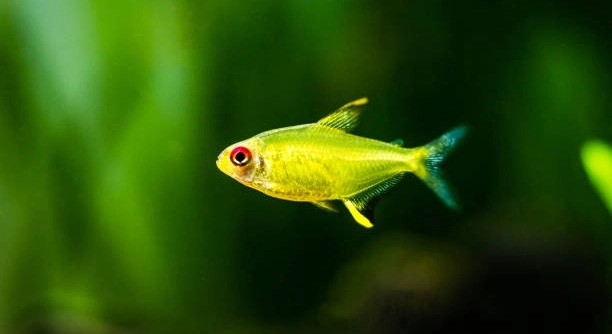
Many aquarium keepers grow curious about how lemon tetra interact in their tanks, noticing subtle movements and gentle patterns that suggest a calm social rhythm forming naturally within their shared aquatic space every day there.
Lemon tetra communicate through a combination of body movements, fin displays, coloration shifts, and subtle schooling behaviors, allowing them to coordinate activity, reduce stress, and maintain social structure within their group, supporting stable interactions essential for their long well being.
These subtle exchanges reveal gentle patterns that influence their daily behavior, creating a sense of harmony within their shared environment.
How Lemon Tetra Express Social Signals
Lemon tetra show their social signals through patterns that are easy to notice once you spend time watching them, creating a calm sense of connection in the tank. Their gentle movements help define how they react to each other, making the group feel steady and balanced. When they shift their color slightly, it often reflects their comfort level, giving small clues about how well they are adapting to their surroundings. These clues become more visible as the group settles together, forming routines that guide their daily activity. Their fin positions also reveal how they interact, especially when they swim close to each other. These movements allow them to maintain order without creating stress for the rest of the group. Their calm swimming style adds to the steady rhythm of the tank, allowing each fish to follow the signals around them. Over time, these signs help maintain peaceful coordination among them.
These signals allow the group to stay organized, creating smoother interactions each day. Their subtle displays shape how they move together, supporting calm behavior throughout the tank. By observing these patterns, you can understand how they manage their space and maintain a steady rhythm among themselves in their daily activity.
Watching lemon tetra interact helps you appreciate their calm social structure, giving a clearer view of how they maintain balance within their group. Their movements reveal gentle communication patterns that influence how they respond to changes in their surroundings. As they adjust to the tank, these signs help shape their behavior, guiding their swimming patterns in subtle but meaningful ways. The more they settle, the easier it becomes to see how their signals work together, forming steady routines. These interactions create a sense of order that benefits the entire group, helping them remain peaceful while sharing the same environment, even during active moments.
What Their Color and Movement Signals Mean
Lemon tetra rely on visual cues to support their social behavior, using slight changes in movement to express their comfort within the group. These signals help them manage their shared space calmly, creating smoother coordination. Observing these actions helps you understand how they interact in a steady and organized way.
Color shifts play a significant role in how lemon tetra communicate, offering subtle hints about their behavior and comfort within the tank. These changes can appear gently, often becoming clearer when the group settles into a predictable routine. Their coloration may brighten slightly when they feel confident, or soften when they need space, creating a steady flow of signals that support order among the group. Alongside this, schooling behavior contributes to their coordination by helping them keep track of each other’s movements. When they swim in a close formation, it reflects stability within the group and shows that they are maintaining a peaceful rhythm together. Their swimming patterns reveal how they respond to each other’s signals without relying on aggressive actions, which helps protect the harmony of the tank. Over time, these patterns form a natural structure that guides their daily interactions. Even subtle fin movements help establish space, giving each fish room to move comfortably while staying connected to the group. These combined signals create a balanced environment that supports long term well being for the entire group, making it easier to maintain a healthy tank where each fish can thrive comfortably in their shared surroundings.
xxxxxxxxxxxxxxxxxxx
Schooling behavior helps lemon tetra maintain order by guiding how they move together in the tank. Their steady formation reduces stress and allows each fish to follow gentle cues from the group. This movement creates a stable pattern that supports calm interactions and helps them adjust to changes around them.
Their schooling patterns also influence how they establish comfort within the tank, allowing them to form spacing that feels natural for the group. When they swim in close formation, they can monitor each other’s movements without creating tension. This coordination reduces confusion during active moments and helps maintain stability. Subtle shifts in their swimming positions guide the group through different areas of the tank, supporting smooth transitions. Over time, these patterns help reinforce peaceful behavior, making it easier for them to react calmly when something changes. Their coordinated movement keeps the group aligned and supports long term balance each day.
Lemon tetra depend on consistent cues from the group to feel secure, and their swimming rhythm reflects how well they connect with one another. When they adjust their pace, it signals their comfort level and helps maintain order. These patterns appear more clearly when the tank environment remains stable. Their ability to read each other’s movements helps prevent unnecessary tension, especially during feeding or exploration. As they learn the layout of the tank, they follow pathways that support steady interaction. This steady rhythm nurtures a calm atmosphere, allowing each fish to move while staying aware of the group around them.
xxxxxxxxxxxxxxxxxxx
Color changes support their social structure by offering visual cues that reflect comfort and stability in the tank. When their tones brighten, it usually shows confidence, while softer hues may signal a need for space. These shifts help them manage daily interactions without creating stress. Their color displays become clearer as they settle into routines, guiding group movement in a subtle and steady way. These signals support peaceful coordination among the entire group each day.
Their visual cues work together with body language to shape how they respond to changes around them, creating smoother interactions throughout the tank. Subtle fin movements help establish spacing within the group, giving each fish room while maintaining connection. These gestures support predictability, allowing them to move in patterns that reduce tension. When they encounter new objects or shifts in lighting, their coordinated reactions help keep the group calm. Over time, these patterns reinforce stability by helping them understand their shared environment. Their synchronized responses also prevent unnecessary conflict and guide their exploration. Each movement communicates something meaningful, forming gentle routines that support long term comfort. By following these signals, the group remains balanced and steady, even during active moments in their daily activity together.
xxxxxxxxxxxxxxxxxxx
Environmental stability supports calm communication among lemon tetra by reducing unnecessary stress and helping them maintain steady patterns. When the tank remains consistent, their signals become clearer, allowing the group to respond smoothly. Stable lighting and gentle water flow also help them coordinate movement without disrupting their natural rhythm each day.
A consistent setup supports their ability to read each other’s cues, making it easier for them to remain organized. When conditions shift too quickly, their behavior can become tense. Steady surroundings help them form reliable routines that guide their daily movements, allowing each fish to stay aware of the group.
xxxxxxxxxxxxxxxxxxx
Their reactions to feeding show how they communicate during active moments, especially when food enters the tank. Lemon tetra often adjust their pace, revealing their comfort within the group as they gather around the area. Their formation stays flexible but controlled, allowing them to move smoothly without overwhelming each other. Subtle changes in speed help define spacing, keeping interactions balanced while they search for food. When they sense a shift in the group, they respond with small adjustments that help maintain harmony. These coordinated actions show how their signals shape behavior during shared activity.
xxxxxxxxxxxxxxxxxxx
Lighting changes can influence how they signal comfort or alertness. Softer light encourages calm behavior and smoother movement, while brighter settings may increase their activity. Gentle adjustments help them maintain consistent patterns that support steady communication across the entire group.
Do lemon tetra communicate through color changes?
Lemon tetra communicate through gentle color shifts that reflect how they feel within the group. When their yellow tones appear brighter, it often shows confidence and comfort, usually seen when the tank environment remains steady. Softer tones may appear when they need space or feel slightly stressed. These shifts support their social structure by offering visual cues that help the group understand each other’s state. Their colors become more expressive when they settle into consistent routines, allowing them to read signals without tension. These visual displays are subtle but meaningful, shaping steady interactions throughout the day. Color changes help guide group behavior in a smooth and predictable way, supporting both comfort and organization inside the tank. Over time, these cues create a balanced rhythm among them, helping even new members integrate more easily into the group’s patterns.
Do they use fin movements to send signals?
Fin movements are an important part of how lemon tetra communicate. Subtle fin positioning helps them set spacing within the group without relying on aggressive actions. When they hold their fins in a relaxed way, it usually signals calmness and stability, showing the group that conditions feel comfortable. Slightly raised or quicker fin motions may appear when they become alert or sense a change in their surroundings. These gestures guide how they move around each other, helping prevent collisions and creating smoother transitions during activity. Fin movements also support their schooling behavior by helping each fish understand the group’s pace. These cues maintain a predictable flow of movement and allow them to stay aligned even when the environment shifts slightly. Their steady use of fin language keeps social interactions clear and controlled, shaping the calm nature that many aquarists appreciate.
Do lemon tetra rely on schooling to communicate?
Schooling behavior plays a large role in their communication, helping them maintain order and reduce stress. Moving in a coordinated group allows them to sense each other’s signals more easily, especially in active moments. Their formation helps them keep track of spacing and direction, making the group feel unified. When one fish adjusts its position, others respond naturally, creating a gentle chain reaction that supports stability. These patterns become stronger when the tank remains consistent, helping them create routines that guide daily behavior. Schooling also shows their comfort level, as tightly synchronized movement usually reflects confidence, while scattered or uneven formations may indicate that they feel unsettled. Their ability to maintain formation keeps the group organized and helps them adapt to changes in lighting, feeding times, and activity within the tank. Over time, this communication method helps them create a calm and steady environment.
Do they respond to changes in their surroundings?
Lemon tetra react to environmental changes in ways that reveal their communication patterns. Sudden shifts in lighting or water flow may cause quicker movements or closer formations, showing increased alertness. Gentle, predictable changes help them stay calm and maintain stable patterns. Their reactions influence how the group adjusts, using small signals to keep behavior coordinated. When they remain comfortable, their movements stay smooth, and their spacing remains consistent. These reactions help them manage their surroundings while supporting group stability.
Do lemon tetra communicate during feeding?
Feeding time reveals clear communication patterns among them. They adjust their pace to avoid overwhelming each other, showing respect for spacing. Their formation becomes flexible but controlled, helping them gather around food calmly. These signals guide their movement, supporting peaceful interaction during active moments.
Final Thoughts
Lemon tetra rely on gentle signals that help them stay organized and comfortable within their group, creating a stable rhythm that shapes how they behave each day. Their communication is built on patterns that feel natural, showing how much they depend on calm surroundings and predictable routines. By observing their movements, color shifts, and formation, you can recognize how they express their comfort or alertness. These cues may appear soft, but they guide the group in meaningful ways, helping them move through the tank without causing tension. Their steady behavior reflects how well they adapt when everything around them remains peaceful. Over time, their signals form a structure that supports long term stability, helping them feel secure in their shared home. Watching these patterns makes it easier to understand the balance they build, and how each fish contributes to maintaining it each day in a quiet and steady manner.
Their communication becomes clearer when the tank provides consistency, showing how much they rely on their surroundings to express themselves. Stable lighting, smooth water flow, and a predictable layout help them maintain the calm patterns that define their interactions. When these conditions remain steady, the group coordinates more easily, creating a relaxed environment that supports healthy behavior. Their reactions to small changes show how sensitive they are to the world around them, reminding you that even slight shifts can influence their patterns. They respond with subtle movements or gentle adjustments in spacing, using these cues to realign themselves and keep the group steady. This ability helps them stay peaceful even when encountering new objects or changes in activity. Understanding these small signals helps you recognize what they need to feel secure in the tank.
As they settle into their environment, their behavior forms a gentle rhythm that becomes easier to see. These rhythms shape their schooling movements, feeding reactions, and spacing, making their group behavior more predictable. Their communication style remains quiet but expressive, allowing them to stay connected without creating stress. Each signal plays a small part in helping them remain balanced, allowing the whole group to function calmly every day. Their subtle interactions reflect the strength of their social nature, revealing how much they depend on one another for cues and stability. Observing these patterns gives you a better understanding of how they manage their space, respond to small changes, and maintain harmony. With the right environment and steady care, their communication continues to grow clearer, creating a peaceful and consistent atmosphere that supports their well being while letting them thrive together in their own quiet way.

Hello,
If you enjoy the content that we create, please consider saying a "Thank You!" by leaving a tip.
Every little bit helps us continue crafting quality advice that supports the health, happiness, and well-being of pets around the world, for pets of all shapes, sizes, and species.
We really appreciate the kindness and support that you show us!