
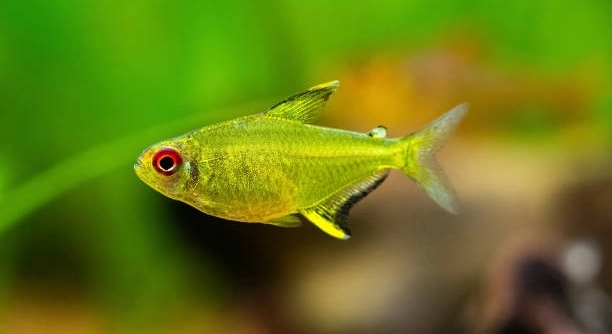
Do your home aquariums include bright and lively fish that add a splash of color? Lemon tetras are a popular choice among enthusiasts, known for their shimmering yellow bodies and peaceful nature in community tanks.
Lemon tetras typically reach a maximum size of 1.5 inches in captivity, with growth influenced by water quality, diet, and tank conditions. Maintaining optimal parameters ensures healthy development and longevity of these small, vibrant freshwater fish.
Knowing their full growth potential helps you plan your aquarium layout and companion fish selection effectively. Proper care ensures these tetras thrive in any home setup.
Typical Size of Lemon Tetras
Lemon tetras are small, delicate fish that rarely exceed 1.5 inches in length when kept in home aquariums. Their compact size makes them ideal for community tanks, allowing them to coexist peacefully with similarly sized species. Factors such as water temperature, pH balance, and the quality of food directly affect their growth. Providing a varied diet that includes high-quality flakes, micro-pellets, and occasional live or frozen foods ensures that they maintain their vibrant coloration and overall health. Tank size also plays a role; a cramped or poorly maintained aquarium can stunt their growth, while a properly filtered, spacious tank encourages steady development. Regular monitoring of water parameters, including ammonia, nitrite, and nitrate levels, is essential to prevent stress and disease, which can hinder their size potential. Observing their behavior helps identify health issues early. With consistent care, lemon tetras will thrive, growing to their typical adult size while remaining active and visually striking in the aquarium.
Tank conditions heavily influence their final size, so maintaining clean, stable water is crucial for proper growth and coloration.
Small but resilient, lemon tetras adapt well to community tanks. They swim actively in groups, showing off their bright yellow hue. Observing them interact provides insight into social behavior and hierarchy. Choosing appropriate companions enhances harmony, ensuring stress-free living. Maintaining a balanced environment encourages natural movement and feeding habits, contributing to their overall well-being. Careful observation allows owners to adjust feeding routines and tank setups as necessary. Over time, these small fish display lively schooling behavior that brings motion and energy to the aquarium. Their compact size means they require less space than larger tropical fish, but attention to water quality, diet, and tank mates remains essential. By providing these elements consistently, lemon tetras flourish, remaining healthy and maintaining their vibrant appearance for years.
Factors That Affect Lemon Tetra Growth
Water quality is one of the most important elements influencing lemon tetra size. Temperature between 72 and 79°F, slightly acidic to neutral pH, and low nitrate levels support healthy development.
Diet and nutrition also play a significant role. Offering high-quality fish flakes, supplemented with frozen or live foods, ensures sufficient protein and vitamins. Overfeeding can lead to obesity, while underfeeding slows growth. Regular feeding in small portions throughout the day supports steady size increase. Additionally, tank size affects swimming space, which in turn influences muscle development and overall health. Lemon tetras thrive in well-planted aquariums with open areas for schooling, allowing them to move naturally. Stress from aggressive tank mates or overcrowding can stunt growth and reduce immunity, making careful selection of companions vital. Consistent monitoring of water parameters and proper filtration reduces disease risk and promotes longevity. By combining ideal environmental conditions, balanced nutrition, and attentive care, lemon tetras can reach their full growth potential and maintain bright coloration, active behavior, and strong health throughout their lives.
Lifespan of Lemon Tetras
In captivity, lemon tetras typically live three to five years with proper care. Consistent water maintenance, a balanced diet, and a stress-free environment contribute to reaching their full lifespan.
Regular feeding with high-quality flakes or micro-pellets, combined with occasional frozen or live foods, ensures they receive adequate nutrition. Tank cleanliness is crucial; frequent water changes prevent the buildup of harmful chemicals that can shorten their lives. Maintaining stable water temperature and pH levels reduces stress, supporting stronger immunity and better overall health. Grouping lemon tetras in small schools encourages natural behavior, which positively affects longevity. Observing them regularly helps catch early signs of illness or stress.
Providing a well-planted aquarium with open swimming space allows lemon tetras to exercise naturally. Minimizing aggressive tank mates reduces stress-related illnesses, further enhancing their lifespan. Proper attention to diet, environment, and social dynamics ensures these small fish thrive and live comfortably for several years.
Breeding Lemon Tetras
Lemon tetras reach sexual maturity at about six to eight months. Selecting healthy adults improves breeding success.
Setting up a separate breeding tank with soft, slightly acidic water encourages spawning. Provide fine-leaved plants or spawning mops for egg deposition. Maintain a consistent temperature around 75°F to stimulate reproductive behavior. Feeding the breeding pair protein-rich foods enhances egg quality and fertility. Once eggs are laid, removing the adults prevents them from eating the eggs. The eggs typically hatch within 24–36 hours. Newly hatched fry are tiny and require infusoria or specially prepared fry food. Gradually introducing micro-pellets or finely crushed flakes supports their growth. Regular monitoring of water quality ensures a healthy environment, reducing mortality. Maintaining stable conditions and proper nutrition in the early stages improves survival rates and strengthens the young fish.
After the fry grow for a few weeks, slowly acclimating them to a community tank allows safe integration. Observing their behavior helps track development, and separating aggressive or overly dominant individuals prevents bullying. With careful attention, lemon tetra breeding can be rewarding, producing healthy, vibrant offspring that continue the species in captivity.
Tank Size Recommendations
A 20-gallon tank works well for a small school of lemon tetras. More space allows natural swimming behavior and reduces stress among the fish.
Providing open swimming areas along with plants and hiding spots ensures a balanced environment. Overcrowding can lead to stunted growth and increased aggression.
Ideal Water Conditions
Lemon tetras thrive in water with a temperature of 72–79°F, slightly acidic to neutral pH, and soft to moderately hard hardness. Consistent water parameters are essential to prevent stress and disease. Regular testing and partial water changes maintain stability, supporting their health and vibrant coloration. Proper filtration ensures oxygenation and removes harmful waste, while gentle water flow mimics their natural environment, encouraging natural swimming patterns. Avoid sudden changes in temperature or chemistry, as these can weaken immunity. Maintaining clean, stable water helps lemon tetras grow to their typical size and live comfortably for several years in captivity.
Tank Mates
Peaceful, small fish such as rasboras or guppies are ideal companions. Aggressive or much larger species can stress lemon tetras.
FAQ
How fast do lemon tetras grow?
Lemon tetras grow slowly, usually reaching their full size of about 1.5 inches in 6 to 12 months. Growth depends on water quality, diet, and tank conditions. Proper care ensures they develop steadily without stunting. Feeding small amounts several times a day supports healthy growth, while clean, stable water reduces stress.
Can lemon tetras live with other fish?
Yes, lemon tetras are peaceful and do well with other small, non-aggressive species. Suitable tank mates include rasboras, guppies, and small corydoras. Avoid larger or territorial fish, as they may stress or harm the tetras. Keeping them in small schools of at least six helps maintain natural social behavior and reduces stress.
What should I feed lemon tetras?
A balanced diet is essential. High-quality flakes or micro-pellets form the main diet, supplemented with frozen or live foods such as brine shrimp or daphnia. Feeding two to three small portions daily prevents overfeeding and ensures proper nutrition. Variety helps maintain bright coloration and healthy development.
How often should I change the water?
Partial water changes of 20–25% every week help maintain clean, stable conditions. Regular monitoring of ammonia, nitrite, and nitrate levels is important to prevent stress and illness. Removing uneaten food and debris further improves water quality and encourages healthy growth.
Do lemon tetras need a heated tank?
Yes, maintaining a stable temperature between 72–79°F is important for their metabolism and overall health. A reliable aquarium heater ensures consistent warmth, which supports feeding, activity, and breeding behavior. Sudden drops in temperature can stress the fish and make them susceptible to disease.
How can I tell if my lemon tetras are healthy?
Healthy lemon tetras are active, swim in groups, and have vibrant yellow coloration. Clear eyes, intact fins, and consistent eating habits are good indicators. Lethargy, faded color, or fin damage may indicate stress, poor water conditions, or illness. Promptly addressing issues helps prevent further health problems.
Can lemon tetras breed in a home aquarium?
Yes, with proper conditions. Use a separate breeding tank with soft, slightly acidic water and fine-leaved plants or spawning mops. Feed protein-rich foods to improve egg quality. Adults should be removed after spawning to prevent them from eating eggs. Fry require infusoria or specialized fry food until large enough for crushed flakes.
Why are my lemon tetras not growing?
Stunted growth often results from poor water quality, overcrowding, or inadequate nutrition. Ensuring clean water, balanced diet, and sufficient swimming space encourages proper development. Avoid mixing them with aggressive species, as stress can also slow growth. Regular observation and adjustments to the tank setup can help correct these issues.
What is the best group size for lemon tetras?
A minimum of six is recommended, though larger groups of ten or more are ideal. They feel more secure and display natural schooling behavior in larger groups. Smaller groups may result in stress, shy behavior, and lack of social interaction, which can affect overall health and longevity.
How long do lemon tetras live in captivity?
With proper care, they can live three to five years. Consistent water maintenance, stable temperatures, a balanced diet, and peaceful tank mates all contribute to reaching their maximum lifespan. Regular observation ensures any health issues are addressed early, allowing the fish to thrive.
Are lemon tetras prone to disease?
They are generally hardy but can be affected by common freshwater illnesses like ich or fin rot if water quality is poor. Maintaining stable water parameters, avoiding overcrowding, and providing a nutritious diet help prevent most diseases. Quarantining new fish before adding them to the tank reduces infection risks.
Can lemon tetras adapt to different water conditions?
They prefer soft, slightly acidic to neutral water but are somewhat adaptable if changes are gradual. Sudden shifts in pH, hardness, or temperature can stress them. Slowly acclimating them to new conditions helps maintain health and prevents shock.
Lemon tetras are small, vibrant freshwater fish that add movement and color to any home aquarium. Their compact size and peaceful nature make them an excellent choice for community tanks. While they are visually appealing, their care requirements should not be overlooked. Maintaining stable water conditions, including temperature, pH, and cleanliness, is essential for their overall health. Feeding them a balanced diet with high-quality flakes or micro-pellets, supplemented with occasional live or frozen foods, helps them grow steadily and retain their bright yellow coloration. Observing their behavior daily allows you to spot early signs of stress or illness, which is crucial for preventing long-term health issues. Even though they are small, lemon tetras thrive best when provided with adequate swimming space and a well-planted environment that allows them to exhibit natural schooling behavior. Ensuring these conditions will help the fish remain active and healthy for several years.
The growth and development of lemon tetras are influenced by multiple factors, including diet, water quality, and tank size. Typically, they reach a maximum size of around 1.5 inches in captivity, but this can vary depending on care and environment. Overcrowding, poor water quality, or insufficient nutrition can stunt their growth and reduce overall vitality. Consistent partial water changes, proper filtration, and monitoring of ammonia, nitrite, and nitrate levels are essential steps in maintaining a healthy environment. Additionally, pairing them with compatible tank mates is important to prevent stress or aggression, which can negatively impact their growth and well-being. For breeding, a separate tank with soft, slightly acidic water and protein-rich foods ensures the best chance of success. Understanding these basic needs allows owners to provide a stable and supportive environment, which is key to keeping lemon tetras healthy, active, and colorful.
Lemon tetras are resilient but still benefit greatly from attentive care. By providing proper nutrition, stable water conditions, and a suitable tank setup, these small fish can live comfortably for three to five years. Their social nature means they should be kept in groups of at least six to promote natural schooling behavior and reduce stress. Observing their behavior and maintaining a clean, balanced environment not only supports their growth but also helps prevent disease. Even minor adjustments to water chemistry or diet can have a noticeable impact on their health. By committing to consistent care and paying attention to their needs, lemon tetras can thrive, displaying bright coloration and lively activity that enhance the visual appeal of any aquarium. Creating the right conditions ensures these small fish remain healthy and vibrant for years, making them a rewarding addition to a home tank.

Hello,
If you enjoy the content that we create, please consider saying a "Thank You!" by leaving a tip.
Every little bit helps us continue crafting quality advice that supports the health, happiness, and well-being of pets around the world, for pets of all shapes, sizes, and species.
We really appreciate the kindness and support that you show us!