
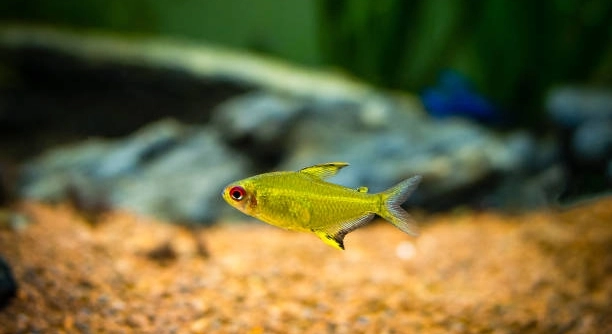
Lemon tetras are small, bright fish that bring life to freshwater rivers and streams. Watching them swim in their natural habitat is calming, and their diet in the wild plays an important role in their vibrant colors and energy.
In the wild, lemon tetras primarily eat tiny insects, larvae, and small crustaceans. They also consume plant matter and algae, which provide essential nutrients. This varied diet supports their growth, health, and bright coloration in natural freshwater environments.
Knowing what lemon tetras eat can help replicate their diet at home. Learning about their natural food habits ensures these delicate fish thrive and remain healthy in any aquarium setting.
Natural Feeding Habits of Lemon Tetras
In their natural rivers and streams, lemon tetras spend most of their time near plants and roots, searching for small food items. Their diet is mainly made up of tiny insects, insect larvae, and small crustaceans. They also nibble on plant matter and algae, which helps provide essential nutrients. These fish are constantly foraging in the shallow water, picking up whatever fits in their small mouths. Their bright yellow bodies and striking fin colors are a direct reflection of the nutrients they receive from this varied diet. Observing them feed can be surprisingly active, as they dart through water and pick small bits from the surface or from plants. This behavior keeps them alert and agile. In addition, their small size allows them to exploit food sources that larger fish cannot reach. Feeding patterns also change slightly depending on water flow and season, making them adaptive and responsive to their environment.
Lemon tetras prefer small, frequent meals rather than large quantities at once. This keeps them healthy and energetic.
Replicating these habits at home involves offering a variety of foods multiple times a day. Live or frozen brine shrimp, daphnia, and bloodworms closely match their natural diet. Supplementing with finely crushed flake or pellet foods ensures they get enough plant-based nutrients. Observation is key; watching how they respond to different foods allows you to adjust portions and types to mimic natural conditions. Overfeeding can lead to poor water quality and health issues, so small amounts at a time are best. Rotating between protein-rich and plant-based items helps maintain their coloration and overall wellbeing. Lemon tetras also enjoy grazing on algae or biofilm in the tank, which supplements their diet naturally. Creating hiding spots and plant clusters encourages natural foraging behavior and reduces stress. Feeding should feel active and engaging for the fish, helping them stay healthy, colorful, and lively.
Seasonal Variations in Diet
In the wild, lemon tetras adjust what they eat depending on the season. Their food availability shifts with water temperature and rainfall.
During the rainy season, streams swell and bring in more insects and larvae. Leaf litter and debris increase, providing additional algae and microorganisms for grazing. Lemon tetras take advantage of this abundance, increasing their intake of protein-rich insects, which helps with growth and breeding readiness. In drier months, insects may become less plentiful, so the fish consume more plant matter and algae to meet their energy needs. These dietary shifts naturally balance their nutrition and help them survive through fluctuating conditions. Seasonal changes also influence their behavior; they may swim closer to the surface when insects are plentiful or stick near plants when food is scarce. Understanding this natural variation helps in designing feeding schedules at home, ensuring lemon tetras receive a diet that mirrors the diversity they would encounter in their natural habitat. Observing these patterns provides insight into maintaining vibrant and healthy fish year-round.
Common Insects in Their Diet
Small insects make up a large part of lemon tetras’ diet in the wild. They eat mosquito larvae, tiny flies, and other waterborne insects. These protein sources are easy to catch and digest, supporting growth and energy.
Insects provide essential proteins and fats that lemon tetras need to thrive. Their small size allows the fish to pick insects from the water surface, floating debris, or among plants. They often chase swarming larvae and dart quickly to catch their prey. In addition to protein, insects sometimes carry small amounts of minerals and nutrients that contribute to the fish’s coloration. Their hunting behavior also keeps them active and agile, ensuring their muscles remain strong. Observing this natural feeding pattern can help aquarists understand how to offer similar high-protein foods in home tanks.
Besides larvae and tiny flies, lemon tetras also consume small crustaceans. These include water fleas and tiny shrimp-like creatures. Crustaceans are rich in nutrients and help maintain overall health. They also mimic the natural diet of these fish, keeping their digestion steady and promoting bright coloration. Feeding crustaceans in small amounts ensures the fish do not overeat while receiving adequate nutrition.
Plant Matter and Algae
Plant matter and algae are an important supplement to the lemon tetra’s diet. They provide essential vitamins and fiber that insects alone cannot supply.
In the wild, lemon tetras graze on algae growing on rocks, leaves, and submerged plants. This helps maintain a balanced diet and supports digestion. Small bits of plant matter, like fallen leaves or tiny seedlings, are consumed naturally during foraging. These plant sources also carry trace nutrients that contribute to the fish’s immune system and overall vitality. Including plant-based foods in their diet helps mimic natural conditions and keeps the fish healthy, active, and colorful throughout the year.
In aquariums, offering finely chopped vegetables, spirulina flakes, or algae wafers can replicate this natural intake. Observing how lemon tetras nibble and interact with these foods can help adjust portions and types. It also encourages natural grazing behavior, reducing stress and promoting overall wellbeing. A mix of plant and protein sources ensures a complete diet that reflects their lifestyle in the wild. Regular rotation of foods prevents nutritional gaps and keeps their appetite consistent. Providing both live and prepared plant-based foods allows for variety while maintaining convenience for caretakers.
Seasonal Food Availability
Food availability changes with the seasons. During rainy months, insects and larvae become more plentiful, while drier periods bring more plant matter and algae into their diet.
These shifts ensure lemon tetras get balanced nutrition year-round. They adjust their feeding habits naturally, seeking protein-rich prey when abundant and relying on plants when insects are scarce.
Small Crustaceans and Zooplankton
Lemon tetras often feed on small crustaceans and zooplankton. These tiny animals are rich in protein and support their growth, energy, and bright coloration. Regular consumption helps maintain overall health and encourages active swimming behaviors.
Mimicking Wild Diet at Home
Replicating this diet in an aquarium involves offering small live or frozen foods multiple times a day. Small portions of brine shrimp, daphnia, or finely crushed flake food mimic their natural feeding habits.
What do lemon tetras eat in captivity?
Lemon tetras thrive on a variety of foods in aquariums. They eat high-quality flake foods, micro pellets, and frozen or live foods like brine shrimp, daphnia, and bloodworms. Including plant-based options like spirulina flakes or finely chopped vegetables ensures they get a balanced diet. Feeding small amounts two to three times a day mimics their natural foraging behavior. Overfeeding should be avoided to maintain water quality and prevent digestive issues. Rotating different foods helps keep their colors bright and encourages active swimming.
Can lemon tetras survive on flake food alone?
Flake food alone can keep lemon tetras alive, but it will not provide all the nutrients they need for optimal health. Their natural diet includes insects, larvae, crustaceans, and plant matter. Offering a mix of live or frozen protein sources along with flake food ensures proper growth, strong immune systems, and vibrant coloration. Occasional grazing on algae or biofilm in the tank also helps replicate natural feeding patterns. Feeding only flakes may result in slower growth and duller colors over time.
How often should I feed my lemon tetras?
Feeding lemon tetras small amounts two to three times a day works best. They are naturally small fish that forage frequently for tiny meals. Large or infrequent feedings can cause overeating, digestive issues, and water pollution. Observing how much they consume in a few minutes helps determine proper portion sizes. Rotating between protein-rich foods and plant-based options keeps their diet balanced. Adjustments can be made depending on tank size, number of fish, and activity levels to ensure all individuals get enough nutrition.
Do lemon tetras eat algae?
Yes, lemon tetras occasionally nibble on algae, especially in tanks with live plants or biofilm. While algae is not their main food source, it provides additional nutrients and fiber. Including algae wafers or spirulina flakes in their diet can replicate this natural behavior. Grazing on algae also promotes natural foraging habits and reduces stress in confined spaces. In the wild, they naturally consume algae as a supplement to insects and small crustaceans, so including it in their aquarium diet supports overall wellbeing and coloration.
Can I feed my lemon tetras live insects?
Feeding live insects like micro worms or daphnia is highly beneficial. It closely resembles their natural diet and encourages active hunting behavior, keeping them agile and alert. Live foods are rich in protein, supporting growth, immune function, and bright coloration. Care should be taken to ensure the insects are free from pesticides or parasites. For tanks without live insect sources, frozen or freeze-dried options can be substituted. Regularly offering live or high-quality frozen protein foods ensures a balanced diet and mimics what lemon tetras would naturally find in rivers and streams.
What happens if lemon tetras are underfed?
Underfeeding can lead to weight loss, dull coloration, and weakened immune systems. They may become lethargic and more susceptible to illness. Inadequate nutrition also slows growth and can disrupt breeding behavior. Providing a consistent, varied diet with sufficient protein and plant-based nutrients helps maintain health. Observing their feeding behavior ensures that each fish receives enough food, especially in groups where competition may occur. Balancing portion sizes with frequency of feeding prevents both underfeeding and overfeeding, creating an optimal environment for long-term health.
Are there foods to avoid giving lemon tetras?
Avoid foods that are too large, heavily processed, or contaminated with chemicals. Large pellets or chunks can choke small fish. Foods high in fillers or low in protein may cause nutritional deficiencies. Human food such as bread, pasta, or seasoning should never be given. Additionally, spoiled or moldy foods can harm their digestive system. Sticking to high-quality flake foods, small live or frozen protein sources, and safe plant-based options is sufficient. Ensuring all foods are fresh and appropriately sized supports optimal growth, coloration, and overall health in both young and adult lemon tetras.
Can lemon tetras eat frozen food directly?
Yes, frozen foods like brine shrimp, daphnia, or bloodworms can be offered directly after thawing. It’s best to rinse or soak some frozen foods briefly to remove excess liquid. These foods provide nutrients similar to what they find in the wild, maintaining energy levels and vibrant colors. Offering a mix of frozen protein and plant-based foods ensures balanced nutrition. Frozen foods are convenient, safe, and help mimic seasonal variations in diet. They also reduce the risk of introducing parasites compared to live insect sources while keeping feeding behavior natural and stimulating.
Is it okay to feed them only vegetables?
Feeding lemon tetras only vegetables is not recommended. While plant matter contributes essential vitamins and fiber, their natural diet includes protein-rich insects and crustaceans. Without sufficient protein, they may experience stunted growth, reduced coloration, and weakened immune systems. Incorporating vegetables as a supplement ensures balance but should not replace live or frozen protein sources. Combining finely chopped vegetables, algae wafers, or spirulina with protein foods replicates their wild diet. This approach promotes health, energy, and natural behavior while maintaining a colorful, active aquarium environment for the fish.
How can I tell if my lemon tetras are eating enough?
Healthy lemon tetras are active, swim energetically, and display bright colors. Observing their feeding behavior is important: they should consume offered foods quickly without leaving excess. Consistent growth, vibrant fins, and alertness indicate proper nutrition. Dull coloration, lethargy, or unexplained weight loss can signal underfeeding or dietary imbalance. Adjusting portions, rotating food types, and ensuring each fish gets access to food will maintain overall health. Monitoring their response to new foods also helps fine-tune diet and feeding frequency. Proper observation ensures they thrive and maintain their natural energy and appearance.
This FAQ covers practical tips for feeding lemon tetras, balancing their diet, and replicating natural behaviors to ensure long-term health and vibrancy in aquariums.
Lemon tetras are small fish with big personalities, and their diet plays a crucial role in keeping them healthy and active. In the wild, they eat a mix of insects, larvae, small crustaceans, and plant matter, which provides them with the nutrients they need to grow and display their bright colors. Replicating this variety in an aquarium setting is important because it ensures they get a balanced diet similar to what they would naturally consume. Offering live, frozen, or high-quality prepared foods in small portions helps maintain their health and energy levels. In addition to protein-rich foods, incorporating plant-based options such as spirulina flakes, finely chopped vegetables, or algae wafers gives them essential vitamins and fiber. Observing their feeding habits allows you to adjust portions and types of food, so each fish receives adequate nutrition without overfeeding the tank. Proper feeding also supports their natural behavior, keeping them agile, alert, and less stressed in a home environment.
Maintaining a consistent feeding schedule is just as important as providing the right foods. Lemon tetras are small fish that naturally forage for tiny meals throughout the day. Feeding them two to three times a day in small amounts mimics this behavior and prevents digestive problems caused by overeating. Overfeeding can also lead to water quality issues, which affect all the fish in the tank. Rotating different types of foods helps maintain variety and encourages them to explore and interact with their environment. Seasonal changes in the wild influence the types of food they eat, so replicating some variation at home helps them thrive. During one part of the year, they may consume more insects and protein-rich prey, while at other times, plant matter and algae may become more important. Reflecting these natural patterns in an aquarium helps maintain their energy levels and supports long-term health.
Paying attention to what lemon tetras eat and how they feed provides insight into their overall wellbeing. Healthy fish are active, colorful, and responsive to their surroundings. Observing their behavior during feeding times can help detect signs of underfeeding or nutritional deficiencies. Including a mix of protein sources and plant-based foods, while keeping portions small and frequent, creates a balanced and sustainable diet. Providing opportunities for grazing on algae or biofilm also supports natural foraging behavior, reducing stress and promoting a stable environment. Overall, understanding and meeting their dietary needs is key to keeping lemon tetras vibrant and healthy, allowing them to live full, active lives in both natural and home environments.

Hello,
If you enjoy the content that we create, please consider saying a "Thank You!" by leaving a tip.
Every little bit helps us continue crafting quality advice that supports the health, happiness, and well-being of pets around the world, for pets of all shapes, sizes, and species.
We really appreciate the kindness and support that you show us!