
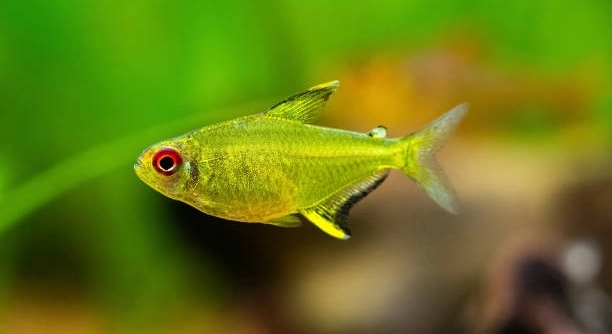
Lemon tetras are small, bright fish that bring life to any freshwater aquarium. They are peaceful, active swimmers and enjoy being in groups. Many hobbyists wonder how they interact with other small creatures in the tank.
Lemon tetras can generally live with shrimp if the tank is well-planted and spacious. Providing hiding spots and maintaining calm water conditions reduces stress, allowing both species to coexist safely without aggressive behavior or significant predation.
Understanding their behavior and tank needs is key to a harmonious aquarium. Proper setup ensures that both tetras and shrimp thrive together comfortably.
Lemon Tetra Temperament
Lemon tetras are naturally peaceful and social fish. They prefer to swim in schools of six or more, which makes them feel secure and reduces stress. When kept in groups, they display beautiful, synchronized movements across the tank. Their small size and calm demeanor make them generally compatible with other non-aggressive species. However, they are curious and will investigate anything moving in their environment, including shrimp. This curiosity is usually harmless but can occasionally stress very small or shy shrimp. Maintaining consistent water conditions and a stable environment helps minimize tension. Plants, driftwood, and hiding spots give both tetras and shrimp areas to feel safe. Proper feeding is essential because lemon tetras may compete for food, and ensuring shrimp receive their own share prevents malnutrition. Overall, their temperament leans toward peace, and careful observation allows for a balanced, stress-free community tank where both species can thrive together comfortably.
Their calm nature means conflicts are rare if their tank is well-maintained and spacious.
Setting up a well-planted tank benefits both tetras and shrimp. Live plants provide cover for shrimp while giving tetras areas to explore. Floating plants reduce bright light and create shaded spots, which help shy shrimp feel secure. Driftwood and rocks break open swimming areas and prevent tetras from dominating open water. Feeding schedules should consider both species, with sinking foods for shrimp and flake or micro pellets for tetras. Monitoring interactions helps spot any bullying or chasing early. Adjustments such as adding extra plants or rearranging decorations can reduce stress. Temperature and water parameters must stay stable because both species are sensitive to sudden changes. Regular water changes maintain cleanliness and prevent harmful buildup. Over time, careful management results in a tank where lemon tetras swim actively while shrimp remain safe and healthy, creating a balanced ecosystem that is both visually appealing and functional.
Tank Setup for Coexistence
A properly structured tank is essential for tetras and shrimp. Plants, hiding spots, and gentle filtration are key for harmony.
Providing different levels of cover ensures both species can feed and move safely. Shrimp require hiding places such as moss, caves, and dense plants to molt safely, as lemon tetras may occasionally nip or explore. The tank should have open swimming areas for tetras while leaving sheltered corners for shrimp. Water conditions must stay within safe ranges: lemon tetras prefer 22–26°C and slightly acidic to neutral pH, which generally suits most freshwater shrimp. Lighting should balance plant growth and shrimp comfort. Using gentle filters prevents shrimp from being sucked in while keeping water quality high. Regular observation is crucial, especially in mixed-species tanks, to prevent stress-related problems. By carefully designing the layout and providing abundant cover, both tetras and shrimp can coexist with minimal interference, maintaining a peaceful, healthy tank environment.
Feeding Lemon Tetras with Shrimp
Lemon tetras are not aggressive feeders but can outcompete shrimp if food is limited. Providing both sinking and floating foods ensures shrimp get proper nutrition.
Feeding schedules should include small amounts multiple times a day. Flake or micro-pellet food works well for tetras, while shrimp benefit from algae wafers, blanched vegetables, and specialized shrimp pellets. Distributing food across different areas of the tank prevents competition. Observing feeding behavior helps ensure no shrimp are being chased away or left hungry. Overfeeding must be avoided to maintain water quality, which affects both species’ health.
Offering varied food also encourages natural behaviors. Tetras will swim actively to eat, while shrimp graze and pick at leftovers, which keeps them engaged. Regular feeding routines build stability and reduce stress. Avoiding sudden changes in diet prevents digestive issues, and using plant-based foods supports shrimp molting. Feeding practices that respect both species’ needs create a calm and balanced environment where lemon tetras and shrimp can thrive together.
Breeding Considerations
Shrimp need safe spaces to molt and reproduce without disturbance from tetras. Dense plants and moss help them hide.
During breeding, lemon tetras may occasionally investigate shrimp eggs or very young shrimp, but they rarely cause serious harm. Separating breeding shrimp in a dedicated tank can increase survival rates if predation becomes a concern. Monitoring water parameters is important because both species require stable, clean water to reproduce successfully. Shrimp larvae benefit from fine foods like powdered algae or specialized fry food. Tetras are not selective about their feeding, so keeping a balance in the tank ensures eggs and juveniles have a chance to grow.
Maintaining plant density is crucial for successful breeding. Moss, Java fern, and floating plants create natural hiding spots and reduce stress. Feeding small portions regularly ensures young shrimp receive nutrients without competition from tetras. Observing interactions helps identify aggressive behavior early, allowing for timely adjustments. Proper tank conditions, combined with strategic plant placement and attentive feeding, promote a stable environment where both lemon tetras and shrimp can reproduce without significant losses. This approach supports a sustainable, peaceful aquarium ecosystem.
Water Parameters
Both lemon tetras and shrimp need stable water conditions to thrive. Temperature should stay between 22–26°C, and pH should remain slightly acidic to neutral.
Ammonia and nitrite levels must be kept at zero, while nitrates should stay low. Consistent water changes and a reliable filtration system are essential for a healthy tank.
Tank Size Recommendations
A minimum tank size of 20 gallons is ideal for a mixed community of lemon tetras and shrimp. Larger tanks reduce stress and territorial behavior. Plants, hiding spots, and open swimming areas should be balanced to accommodate both species comfortably.
Common Risks
Shrimp are vulnerable during molting periods. Dense plants and moss provide essential protection from curious or nipping tetras.
FAQ
Can lemon tetras eat shrimp?
Lemon tetras are generally not predators, but very small shrimp or baby shrimp can sometimes be at risk. Adult shrimp with hard shells are usually safe. Providing plenty of plants and hiding spots reduces the chance of tetras disturbing shrimp during feeding or molting.
How many lemon tetras should I keep with shrimp?
Keeping tetras in groups of six or more helps reduce stress and aggression, but overcrowding can increase competition for food. A balanced ratio ensures shrimp have space to graze and hide while tetras swim actively without disturbing them.
Do lemon tetras bother shrimp eggs?
Curious tetras may occasionally investigate shrimp eggs, but they rarely eat them if plenty of plants and hiding areas are present. For higher breeding success, some hobbyists use a separate breeding tank to protect eggs and juveniles.
What tank conditions are best for both species?
Temperature should be between 22–26°C, with a pH slightly acidic to neutral. Stable water parameters are crucial, and regular water changes prevent harmful ammonia or nitrite buildup that can stress both tetras and shrimp.
What foods work for mixed tanks?
Lemon tetras thrive on flake or micro-pellet food, while shrimp need sinking foods such as algae wafers, blanched vegetables, or specialized shrimp pellets. Distributing food across different areas prevents tetras from dominating feeding spots, ensuring shrimp receive enough nutrition.
Can tetras stress shrimp?
Yes, stress can occur if there are too few hiding spots or if tetras are overcrowded. Dense plants, moss, and decorations give shrimp safe areas to retreat, reducing stress during feeding or molting periods.
How can I protect molting shrimp?
Molting shrimp are vulnerable because their exoskeletons are soft. Dense moss, caves, or plant clusters allow them to hide until their new shells harden. Observation is important to make adjustments if tetras are overly curious or aggressive.
Is a separate tank needed for breeding shrimp?
It is not always required, but using a breeding tank increases survival rates for shrimp larvae. If adult tetras are too curious, moving shrimp temporarily helps ensure more juveniles reach maturity safely.
What is the ideal tank size for tetras and shrimp?
A minimum of 20 gallons is recommended to provide enough swimming space for tetras and hiding spots for shrimp. Larger tanks reduce competition and stress, allowing both species to thrive in a balanced environment.
How often should I clean the tank?
Regular maintenance, including weekly partial water changes and filter checks, keeps ammonia and nitrite levels at zero and nitrates low. Clean water supports healthy growth and reduces stress for both lemon tetras and shrimp.
Can I keep other species with tetras and shrimp?
Yes, but only peaceful, small fish are recommended. Aggressive or large species can harm shrimp and disturb tetras. Always research compatibility before adding new species to maintain a calm, safe tank.
How do I know if shrimp are stressed?
Signs include hiding constantly, refusing food, or unusual swimming patterns. Stress can come from overcrowding, poor water conditions, or overly curious tetras. Adjusting tank setup and maintaining water stability usually helps shrimp feel safer and more comfortable.
Are live plants necessary?
While not strictly required, live plants provide essential hiding spots, improve water quality, and reduce stress. Moss, Java fern, and floating plants are particularly useful for protecting shrimp and creating a more natural environment for tetras.
What is the best feeding schedule?
Feeding small amounts two to three times daily works well. This prevents overfeeding, reduces waste, and ensures shrimp get proper nutrition while tetras remain active and healthy. Regular routines build stability and encourage natural behaviors for both species.
Can lemon tetras survive without shrimp?
Yes, lemon tetras do not require shrimp to thrive. Shrimp are entirely optional companions. When kept together thoughtfully, they can coexist, but tetras are perfectly happy in a species-only tank as long as they have company of their own kind.
How do I encourage shrimp to hide safely?
Dense plants, moss, and small caves provide natural hiding spots. Position decorations strategically so shrimp can retreat from curious tetras or during molting, which significantly reduces stress and supports healthy growth.
Do lemon tetras need a specific water flow?
Moderate water flow works best. Strong currents can stress both tetras and shrimp, while stagnant water increases waste buildup. A gentle filter current ensures oxygenation and safe movement for all tank inhabitants.
Can overcrowding affect coexistence?
Yes, too many tetras or too few hiding spots can increase competition for food and stress for shrimp. Keeping a balanced population and providing sufficient space ensures harmony between both species.
How do I monitor tank health effectively?
Regular testing of temperature, pH, ammonia, nitrites, and nitrates is essential. Observing fish and shrimp behavior daily helps identify stress or illness early, allowing timely adjustments to maintain a healthy, balanced aquarium environment.
What plants work best for shrimp and tetras?
Java moss, Java fern, Anubias, and floating plants provide excellent cover. These plants offer hiding spaces for shrimp and visual interest for tetras, helping reduce stress and supporting natural behaviors for both species.
Are lemon tetras aggressive toward adult shrimp?
Adult shrimp are usually safe. Lemon tetras are generally peaceful and only pose a minor risk if shrimp are very small or if the tank lacks sufficient hiding places. Proper planning keeps interactions calm and safe.
Can I mix different shrimp species with tetras?
Yes, peaceful shrimp species like cherry or ghost shrimp usually coexist well with lemon tetras. Ensure hiding spots and sufficient space to prevent stress or accidental predation. Different species may have varying water preferences, so compatibility is important.
How important is tank decoration?
Decorations are vital for reducing stress and creating natural hiding spots. Rocks, driftwood, and plants break up open areas, allowing shrimp to feel safe while giving tetras areas to swim freely without interference.
What are signs of aggression between tetras and shrimp?
Chasing, nipping, or prolonged staring at shrimp can indicate mild aggression. Usually, adding more plants or rearranging the tank reduces these behaviors, helping both species coexist peacefully.
How do I handle newborn shrimp?
Newborn shrimp are tiny and vulnerable. Ensure dense moss or fine-leaved plants are available for hiding. Minimal disturbance and proper feeding increase survival rates until juveniles grow larger and less at risk from curious tetras.
What’s the best way to introduce shrimp to a tetra tank?
Acclimate slowly using drip acclimation to prevent shock from water parameter differences. Introduce shrimp to areas with dense cover first, allowing them to explore safely while tetras adjust to their presence gradually.
Do tetras eat leftover food from shrimp?
Yes, tetras will eat leftover food, which can help keep the tank clean. Ensure shrimp get their portion before feeding tetras to prevent nutritional deficits.
Can tank mates disrupt shrimp molting?
Curious or active tetras may stress molting shrimp, increasing vulnerability. Providing sufficient cover and plants reduces interference and allows shrimp to complete molting safely.
Are filters dangerous for shrimp?
Strong filters can suck in small shrimp. Using sponge pre-filters or gentle flow settings protects shrimp while maintaining water quality, keeping both species safe and healthy.
How often should I check on interactions?
Daily observation is ideal, especially during feeding and molting periods. Spotting stress or minor chasing early allows adjustments to tank setup, ensuring a calm and balanced environment for tetras and shrimp.
Can I use artificial plants instead of live ones?
Artificial plants provide hiding spots but do not improve water quality. Live plants are more beneficial, offering natural cover and promoting healthier conditions for both species.
What’s the best way to maintain water temperature?
A reliable aquarium heater and thermometer ensure stable temperature. Avoid sudden fluctuations, as both tetras and shrimp are sensitive and can become stressed if water temperature changes too quickly.
Do lemon tetras recognize shrimp as food?
Adult shrimp are usually ignored. Very small shrimp or larvae may attract attention, so providing hiding areas and plant cover minimizes risk while keeping adult shrimp safe.
Can stress affect shrimp molting?
Yes, stressed shrimp may delay molting or suffer incomplete molts. Dense plants, safe spaces, and stable water conditions reduce stress and support proper molting cycles.
Are there any compatible bottom dwellers?
Small, peaceful species like snails or certain catfish can coexist. Avoid aggressive bottom dwellers that may harm shrimp or compete with tetras, ensuring a balanced community tank.
How do I prevent algae overgrowth?
Regular water changes, balanced feeding, and some algae-eating species help control growth. Algae provides food for shrimp but excessive amounts can reduce water quality and stress tetras.
Is it safe to keep shrimp with baby tetras?
Baby tetras may be curious or nibble on tiny shrimp. Providing dense cover and monitoring interactions ensures both grow safely until juveniles are large enough to coexist comfortably.
What signs indicate a healthy tank?
Active swimming tetras, visible grazing shrimp, clear water, and stable parameters show a well-balanced tank. Proper feeding and regular maintenance maintain this environment.
Can shrimp survive if tetras are very active?
Yes, as long as hiding spots are plentiful. Active tetras can coexist safely with shrimp if the tank has plants, moss, and decorations that provide retreat areas.
How long do lemon tetras and shrimp live together?
With proper care, lemon tetras live 5–7 years, while shrimp live 1–3 years depending on species. Stable conditions and adequate hiding spaces allow them to coexist peacefully throughout their lifespans.
Do tetras need companions to reduce stress?
Yes, tetras are schooling fish and feel safer in groups. Keeping them in a small school of six or more reduces stress and prevents unnecessary attention toward shrimp.
Can I keep other invertebrates with shrimp and tetras?
Yes, but only peaceful species such as snails or certain small shrimps are recommended. Aggressive or large invertebrates can harm shrimp or disrupt the peaceful balance of the tank.
How do I balance feeding between tetras and shrimp?
Feed tetras at the top or mid-level and shrimp with sinking foods. Observing who eats first and adjusting placement ensures both species receive proper nutrition without competition.
Are there health risks from mixed tanks?
Disease and parasites can spread more easily in mixed tanks. Quarantining new arrivals and maintaining clean water helps prevent issues and keeps both tetras and shrimp healthy.
Can lemon tetras tolerate low light conditions?
Moderate light is sufficient. Too little light slows plant growth, which can reduce hiding spots for shrimp. Proper lighting ensures plants thrive and provides natural cover.
Do tetras interact with shrimp socially?
Interactions are usually limited to curiosity. They swim near shrimp but rarely harass them if the tank has sufficient hiding spots and space.
How do I acclimate new tetras or shrimp?
Slow drip acclimation or floating the bag for 20–30 minutes allows them to adjust to temperature and water chemistry. Gradually mixing tank water prevents shock and reduces stress.
Can tetras and shrimp share the same diet entirely?
Not entirely. Tetras need flake or micro-pellet food, while shrimp require sinking foods like algae wafers or vegetables. Providing both ensures proper nutrition and prevents health problems.
What is the safest way to introduce shrimp larvae?
Dense moss or a separate breeding box protects larvae from curious tetras. Regular observation ensures they are not disturbed and grow safely until mature.
Do tetras ever intentionally harm shrimp?
Intentional aggression is rare. Lemon tetras are peaceful, and any minor nipping is usually curiosity, not predation. Adequate hiding spaces prevent harm.
How do I maintain low stress levels for shrimp?
Provide plants, caves, and moss. Keep water parameters stable, avoid overcrowding, and feed both species appropriately. Observing behavior allows adjustments to ensure calm, stress-free conditions.
Can shrimp survive in a tank with very active tetras?
Yes, with adequate hiding places and proper plant density. Active tetras may investigate shrimp, but dense cover keeps shrimp safe during activity or molting.
What’s the best way to prevent tetras from eating shrimp larvae?
Use dense moss, floating plants, or a breeding tank to separate larvae from curious tetras. This ensures higher survival rates without harming adults.
Do tetras recognize shrimp as tank mates?
Yes, they recognize shrimp as part of their environment but generally do not treat them as food if hiding spots are available.
How important is observation for mixed tanks?
Daily observation is critical. It helps identify stress, aggression, or feeding issues early. Making adjustments promptly ensures both species coexist safely.
What adjustments help reduce minor aggression?
Adding plants, rearranging decorations, and increasing tank size help reduce curiosity-driven chasing. Ensuring both species have space supports peaceful coexistence.
Can shrimp thrive without tetras?
Yes, shrimp do not require tetras. They thrive independently but can coexist peacefully if conditions and hiding spots are adequate.
Do water changes affect shrimp and tetras differently?
Both benefit from clean water, but shrimp are particularly sensitive to sudden changes. Gradual water changes prevent stress while maintaining quality for both species.
How do I encourage natural behaviors in both species?
Provide plants, hiding spots, varied foods, and open swimming areas. These conditions allow tetras to school and shrimp to graze safely, supporting healthy and natural behaviors.
Can lemon tetras coexist with multiple shrimp species?
Yes, peaceful shrimp like cherry, ghost, or Amano can coexist if hiding spots and food distribution are adequate. Careful monitoring prevents stress or predation.
Are there specific water parameters for shrimp reproduction?
Stable temperature, clean water, and slightly acidic to neutral pH support shrimp breeding. Dense plants provide hiding areas for eggs and juveniles to survive.
How do I know when shrimp are comfortable?
Active grazing, normal coloration, and regular molting indicate comfort. Shrimp retreating excessively or refusing food signals stress or unsafe conditions.
Can tank decorations be harmful?
Sharp or rough surfaces can injure shrimp. Smooth rocks, driftwood, and safe plants prevent harm while providing hiding areas.
How can I prevent tetras from bothering shrimp during feeding?
Distribute food across multiple areas and levels. Sinking foods for shrimp and floating foods for tetras reduce competition and keep both species fed properly.
Do lemon tetras require special care in a mixed tank?
No special care beyond standard schooling, proper feeding, and maintaining stable water parameters. Observation ensures they coexist peacefully with shrimp.
What is the ideal pH range for both species?
A slightly acidic to neutral range of 6.5–7.0 suits both lemon tetras and most freshwater shrimp, supporting health and reproduction.
Can I use tank dividers?
Yes, dividers help separate shrimp during molting or breeding if necessary. They allow coexistence without harm while maintaining water circulation.
How do I handle sudden water quality issues?
Perform immediate partial water changes, check filtration, and monitor parameters closely. Stabilizing conditions quickly protects both tetras and shrimp from stress or illness.
Can tetras coexist with baby shrimp long-term?
Yes, if hiding spots are dense and plentiful. Without adequate cover, baby shrimp may be stressed or at risk from curious tetras.
Are tank mates necessary for shrimp?
Shrimp can live alone but enjoy grazing in community tanks. Their health depends on water quality, food, and shelter rather than companionship.
Do lemon tetras recognize shrimp as threats?
No, tetras generally do not see shrimp as threats. Minor chasing is curiosity, not aggression, especially when hiding spots are available.
What is the best filtration for a mixed tank?
Gentle filters or sponge pre-filters prevent small shrimp from being sucked in while maintaining water clarity and oxygenation for tetras.
Can overcrowding lead to shrimp deaths?
Yes, limited space and too many tetras increase stress, competition for food, and molting risks. Proper tank size prevents these issues.
How do I know if the tank setup is balanced?
Healthy, active tetras, grazing shrimp, stable water parameters, and minimal stress behaviors indicate a well-balanced tank.
Can artificial hiding spots replace plants?
They provide cover but lack water filtration and oxygen benefits. Combining artificial and live plants works best for long-term health.
Do tetras interfere with shrimp feeding?
Active tetras may investigate food, so placing sinking food for shrimp and floating food for tetras ensures both eat sufficiently.
How do I reduce stress in a small tank?
Add plants, moss, and decorations, and avoid overcrowding. Regular water changes and proper feeding reduce stress for both species.
Are lemon tetras suitable for beginner shrimp tanks?
Yes, their peaceful nature and small size make them compatible, as long as hiding spots and proper feeding are provided.
What behavior indicates shrimp feel unsafe?
Hiding constantly, refusing food, or unusual swimming patterns indicate stress. Adjustments in tank setup usually resolve these issues.
How do I balance light levels?
Moderate light supports plant growth without stressing shrimp. Floating plants create shaded areas that provide comfort and safety.
Can tetras recognize feeding areas for shrimp?
Tetras focus on their food and usually do not disrupt shrimp if food is spread across multiple areas.
Are there risks from introducing new fish or shrimp?
Yes, new arrivals may carry disease or parasites. Quarantine and gradual acclimation prevent harm to existing inhabitants.
How do I prevent tetras from harassing shrimp?
Maintain sufficient plants, moss, and decorations. Balanced tank population and feeding reduce curiosity-driven chasing and ensure calm coexistence.
Do tetras interact with shrimp at night?
They are mostly inactive at night, giving shrimp a safe period to explore and graze without disturbance.
What’s the best water hardness for both species?
Soft to moderately hard water suits lemon tetras and most freshwater shrimp, supporting molting and general health.
Can tank mates disrupt shrimp reproduction?
Curious or aggressive species may stress breeding shrimp. Dense plants, moss, or separate breeding tanks protect eggs and juveniles.
How do I monitor shrimp molting?
Check for discarded exoskeletons and observe shrimp behavior. Stress-free conditions and hiding spots ensure successful molting cycles.
Are lemon tetras compatible with all shrimp types?
Mostly, peaceful species like cherry, ghost, or Amano shrimp coexist well. Avoid highly active or large shrimp that may provoke curiosity or aggression.
How often should I feed both species?
Two to three small feedings daily ensures both tetras and shrimp get sufficient nutrition without overfeeding or competition.
**Can I mix juvenile tetras with adult
Final Thoughts
Lemon tetras and shrimp can coexist peacefully in a well-maintained aquarium, but their success together depends on careful planning. Both species have different needs that must be met to reduce stress and ensure health. Lemon tetras are small, active, and peaceful, while shrimp are delicate and vulnerable during molting periods. Providing plenty of hiding spots, plants, moss, and decorations is essential. Dense cover allows shrimp to retreat when tetras are curious, and it gives tetras areas to explore without disturbing their tank mates. Balancing open swimming space and sheltered areas creates a comfortable environment for both species to thrive.
Maintaining stable water conditions is another key factor. Both lemon tetras and most freshwater shrimp prefer slightly acidic to neutral pH levels, moderate temperatures around 22–26°C, and clean water with minimal ammonia and nitrite. Regular water changes, careful monitoring of parameters, and gentle filtration help maintain a healthy habitat. Overcrowding should be avoided because it increases competition for food and can stress shrimp. Feeding practices must account for both species, with sinking foods for shrimp and floating or micro-pellet foods for tetras. Distributing food across multiple areas ensures that no species is left hungry, which supports proper growth, molting, and general well-being.
Observation and adjustments are vital to maintaining harmony. Even though lemon tetras are generally peaceful, minor curiosity or chasing can occur, especially with baby shrimp or during feeding times. Paying attention to behavior, rearranging decorations, or adding more plants can reduce stress and create safer conditions. Breeding shrimp may require additional consideration, such as temporary separation or extra cover to protect eggs and larvae. Over time, these careful practices result in a balanced aquarium where both lemon tetras and shrimp can live comfortably. With proper planning, stable conditions, and regular care, these two species can coexist in a visually appealing and harmonious environment, giving a healthy, active, and peaceful community tank.

Hello,
If you enjoy the content that we create, please consider saying a "Thank You!" by leaving a tip.
Every little bit helps us continue crafting quality advice that supports the health, happiness, and well-being of pets around the world, for pets of all shapes, sizes, and species.
We really appreciate the kindness and support that you show us!