
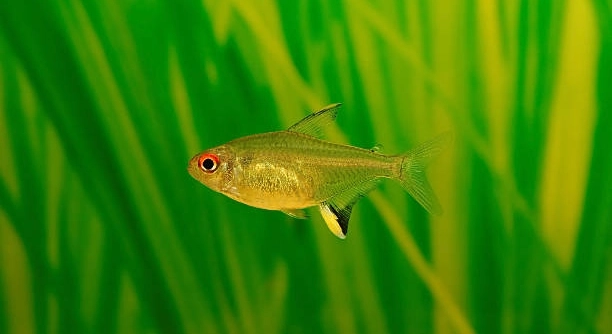
Lemon tetras are small, vibrant fish that brighten any aquarium with their yellow hues. Many aquarists enjoy watching them swim, noticing subtle behaviors that suggest personality and interaction within their environment. Observing these patterns can be fascinating.
Lemon tetras can recognize their owners through visual and routine cues. They learn to associate human presence with feeding and familiar activity patterns, displaying increased responsiveness and approaching behavior when their owner is nearby. This recognition reflects both memory and conditioned responses.
Understanding how these fish respond to humans adds depth to aquarium keeping. Observing their reactions can improve care and strengthen the connection between owner and pet.
How Lemon Tetras Learn to Recognize Their Owners
Lemon tetras rely heavily on visual cues and consistent routines to identify humans in their environment. Over time, they begin to associate your presence with feeding, tank maintenance, and other familiar activities. When you approach the tank, they may swim closer, hover near the surface, or display subtle movements that indicate awareness of your presence. This behavior is not immediate but develops gradually, usually over several weeks of consistent interaction. Providing regular feeding times and gently interacting near the tank helps reinforce recognition. These fish also respond to changes in lighting and movement patterns, which further assists in distinguishing you from other people. Observing their reactions can be rewarding, as each fish may show slightly different responses. Some may boldly approach, while others remain cautious. Their ability to learn is influenced by the tank setup, water conditions, and minimal stress levels, which all contribute to their comfort and confidence around humans.
Recognition develops best when the tank environment is stable. Consistency encourages trust and familiarity.
Lemon tetras’ recognition behaviors are subtle but meaningful. Watching them respond to your presence can strengthen the care routine and make daily interactions more engaging. For example, some fish may follow your hand along the glass, while others swim toward the area where food is typically delivered. By noting these patterns, you can gauge their comfort and awareness. Additionally, maintaining a quiet environment during feeding and interaction helps prevent stress and reinforces their learning. Over time, these small behaviors build a pattern of recognition, showing that your presence has become a familiar part of their daily experience. Observing these interactions can be satisfying, offering insight into their personalities and preferences. Understanding how lemon tetras perceive humans also informs better tank management, from feeding schedules to placement of decorations and hiding spots, ensuring they feel secure while forming a subtle connection with their owner. This approach enhances both the health of the fish and the enjoyment of observing them in their habitat.
Signs Your Lemon Tetra Recognizes You
Fish that recognize their owner often display anticipatory behavior near feeding times.
You can notice several signs indicating recognition. Lemon tetras may swim toward the area you usually appear, cluster near the surface, or exhibit faster, more attentive movements when you approach. Some may even pause to observe your actions before resuming normal swimming patterns. This recognition is reinforced by consistent feeding and gentle handling. Over time, these responses become more predictable, allowing you to anticipate their behavior. Recognizing these cues helps improve interaction, reduces stress, and makes maintaining the aquarium more satisfying. Understanding these subtle behaviors enhances your ability to respond appropriately, creating a calmer, more interactive environment for the fish. Observing how each individual reacts also reveals their unique personalities, offering a deeper appreciation for their habits and responses to human presence. Tracking these behaviors consistently allows you to see gradual changes and the impact of routine on their recognition patterns.
How to Encourage Recognition
Consistency is key when helping lemon tetras recognize you. Approach the tank regularly, maintain feeding schedules, and avoid sudden movements. Over time, they will associate your presence with positive experiences and begin responding more confidently.
Repeated interaction strengthens their learning process. By consistently performing the same actions, such as feeding or gentle hand movements near the tank, the fish begin forming connections between your presence and these activities. They start associating you with safety, food, and predictable patterns, which encourages them to approach or watch you closely. Avoid sudden changes in routine, as this can confuse or stress them, slowing the recognition process. Subtle cues like hand placement or the time of day also help reinforce familiarity. Gradually, your fish will exhibit clearer responses, showing interest or anticipation when you are near the aquarium.
Using visual and environmental cues can further enhance recognition. Adjusting lighting, placing objects consistently, and keeping the tank stable helps lemon tetras feel secure. They learn to connect these environmental patterns with your interactions. Observing their movements and reactions during feeding times or routine maintenance can reveal growing recognition. Some may swim toward your hand or follow your movements along the glass, indicating awareness. Repetition, patience, and minimal stress are essential. By combining these methods, you create an environment where the fish feel comfortable and responsive, fostering a subtle but meaningful bond over time.
Factors Affecting Recognition
Tank conditions and routine significantly influence how well lemon tetras recognize their owner. Stress, overcrowding, and sudden changes can limit their responsiveness and make learning slower.
Stable water parameters, consistent feeding times, and minimal disturbances create an environment conducive to recognition. Lemon tetras are sensitive to stressors like fluctuating temperature, high noise, or aggressive tankmates. When these conditions are optimal, the fish feel secure and are more likely to notice and remember human presence. Routine interactions, such as approaching the tank or feeding at similar times, reinforce recognition. Environmental consistency, including placement of decorations and lighting patterns, also plays a role. The combination of a calm habitat, predictable routines, and careful observation of individual behavior ensures that lemon tetras can form subtle but clear connections with their owner, demonstrating awareness and responsiveness over time.
Common Behaviors Showing Recognition
Lemon tetras often show recognition through movement and positioning. They may swim toward the surface when you approach, hover near your hand, or follow your motions along the tank glass.
Some fish may pause and watch closely, indicating awareness. These subtle behaviors are consistent signs that they are learning to associate you with feeding and routine interaction.
Feeding Time Responses
During feeding, lemon tetras respond more actively to familiar humans. They may gather quickly near the feeding area, swim with heightened alertness, or track your hand as you distribute food. This anticipatory behavior reflects their learning and memory, demonstrating that they recognize the source of food and predict when feeding occurs. Recognition is reinforced each time they experience consistent, gentle interactions paired with feeding. Over time, these responses become more predictable, allowing you to observe individual personalities and comfort levels. They learn to associate your presence with positive experiences, strengthening their responsiveness and overall engagement in the aquarium.
Visual Cues and Patterns
Lemon tetras notice repeated shapes, colors, and movements associated with their owner. Consistent signals help them recognize you more easily.
FAQ
Do lemon tetras really recognize their owners?
Yes, lemon tetras can recognize their owners over time. Recognition is primarily based on visual cues and routine behaviors, such as feeding times. They learn to associate your presence with food or care activities. This does not mean they form attachments like mammals, but they do show awareness and anticipation when a familiar person approaches the tank. Observing their swimming patterns, clustering near the surface, or following hand movements are common signs of recognition.
How long does it take for lemon tetras to recognize a human?
The process varies but usually takes a few weeks of consistent interaction. Fish respond best when routines are stable, such as feeding at the same times each day and keeping tank conditions steady. Sudden changes in lighting, temperature, or decor can slow their learning. Daily, calm presence near the tank without startling them helps them form associations. Over time, their reactions become more predictable, such as swimming toward your hand or waiting near the feeding area when you approach.
Can lemon tetras show affection like other pets?
While they do not feel affection the same way mammals do, lemon tetras show behaviors that indicate comfort and familiarity. Approaching the surface when you are near, following movements, or gathering during feeding are signs of recognition. These behaviors reflect trust and conditioning rather than emotional attachment. They are motivated by safety, food, and routine, but the subtle responses can still feel interactive and rewarding to observe.
Do all lemon tetras recognize their owners the same way?
No, individual fish vary in responsiveness. Some are bolder and approach quickly, while others remain cautious or only show recognition during feeding. Factors like age, personality, and tank dynamics influence how they react. Fish in a calmer, less crowded tank with consistent routines are more likely to show recognition behaviors. Observing each fish individually allows you to notice these differences and adjust interactions to suit their comfort levels.
Can stress affect recognition?
Yes, stress can reduce or prevent recognition. Poor water quality, overcrowding, aggressive tankmates, or sudden environmental changes can make fish skittish and less responsive. Maintaining stable conditions, performing regular water checks, and minimizing disruptions encourage normal recognition behaviors. Fish under stress may hide, avoid human presence, or ignore routine cues, making it harder for them to form associations. Keeping the tank predictable and calm helps them remain aware and responsive.
Is recognition limited to feeding time?
While feeding is the most noticeable trigger, recognition is not limited to it. Fish may watch your movements, react to shadows, or respond to habitual actions like adjusting tank decor. Any consistent action you perform near the tank can become a cue for recognition. Repeated interaction reinforces their memory and responsiveness, allowing them to anticipate activities even outside of feeding times. This demonstrates their learning capacity and adaptability to repeated environmental signals.
Can lemon tetras differentiate between different people?
They can distinguish between familiar and unfamiliar humans mainly through visual cues and routine behaviors. A person who regularly feeds or interacts with them will be recognized more quickly than someone who is rarely near the tank. They respond differently based on the consistency of interactions, often approaching familiar individuals and showing less interest in strangers. Their recognition is associative, meaning they connect specific cues with positive outcomes like food or calm presence.
Do tank setup and environment affect recognition?
Absolutely. A stable and stress-free environment helps fish recognize owners more easily. Clear water, predictable lighting, consistent feeding, and minimal disturbance allow fish to focus on cues associated with humans. Overcrowding, aggressive tankmates, or frequent changes can distract or stress them, making recognition less obvious. Observing their behavior in a well-maintained tank gives the clearest indication of their awareness and responsiveness.
How can I improve recognition with my lemon tetras?
Maintain a regular feeding schedule and perform gentle, consistent interactions. Avoid sudden movements or tapping on the glass. Gradual exposure and calm presence encourage fish to associate you with positive experiences. Consistency in environmental conditions and routines enhances their ability to notice and respond to you. Patience is key, as recognition develops slowly and differs among individual fish. Observing their subtle cues over time allows you to reinforce positive interactions and improve familiarity.
Are there signs that show they do not recognize me?
If your fish ignore your presence, remain hidden, or do not respond during routine activities, it may indicate limited recognition or stress. Disinterest can also result from overcrowding, poor tank conditions, or inconsistent feeding schedules. Evaluating these factors and maintaining predictable routines helps promote recognition behaviors. Over time, consistent positive interactions can encourage them to respond more clearly to your presence.
Lemon tetras are small, vibrant fish that bring life to any aquarium. Observing their movements and subtle behaviors can be enjoyable, especially when you notice patterns that indicate awareness of their surroundings. Over time, many of these fish begin to respond to familiar cues from their owner. These responses are usually tied to consistent routines, such as feeding times and gentle interactions near the tank. By keeping a predictable environment, you help them feel secure, which makes them more likely to show signs of recognition. While they do not form emotional bonds like mammals, their awareness and reactions can be rewarding to observe. Watching them move toward your hand during feeding or hover near the surface as you approach provides a clear indication that they have learned to associate you with positive experiences. This makes the daily care routine more engaging and allows you to better understand the subtle differences in each fish’s behavior.
Creating an environment where lemon tetras feel safe is essential for recognition. Water conditions, tank size, and minimal stress all influence their ability to notice and respond to humans. Stable temperatures, clean water, and a calm setting reduce fear and allow them to focus on repeated patterns, such as your presence or specific feeding routines. Individual differences also play a role, as some fish are naturally bolder while others remain cautious. Observing each fish’s responses over time helps you tailor your interactions to their comfort level. Repetition is important: consistent timing, gentle movements, and predictable routines reinforce learning. By taking these steps, you encourage behaviors that show recognition, such as swimming toward your hand, tracking your movements along the glass, or clustering near the surface when you approach. These signs may be subtle, but they reflect the fish’s growing familiarity with you and the environment you provide.
Recognition in lemon tetras is gradual and requires patience. Even small signs of awareness indicate that they are responding to visual cues and routine patterns. Consistent interaction, combined with a calm and stable tank environment, helps these fish learn to associate your presence with food and security. While their responses may vary, most lemon tetras eventually display noticeable behaviors that demonstrate recognition. This process highlights the importance of observation, routine, and environmental care in aquarium keeping. Paying attention to their subtle cues can make interactions more meaningful and enrich the experience of maintaining an aquarium. By understanding and supporting their learning process, you create a space where the fish feel comfortable and responsive, allowing for a small but rewarding connection between you and your lemon tetras.

Hello,
If you enjoy the content that we create, please consider saying a "Thank You!" by leaving a tip.
Every little bit helps us continue crafting quality advice that supports the health, happiness, and well-being of pets around the world, for pets of all shapes, sizes, and species.
We really appreciate the kindness and support that you show us!