
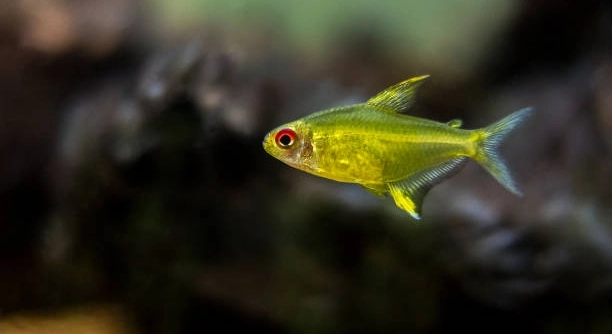
Lemon tetras are small, delicate fish that can easily feel stressed when introduced to a new tank. Their vivid yellow coloring and active nature make them appealing, but they require careful handling and a calm environment to thrive.
To make lemon tetras feel safe in a new tank, it is essential to provide stable water conditions, adequate hiding spots, and minimal disturbances. Gradual acclimation, consistent lighting, and proper tank mates contribute significantly to reducing stress levels.
Creating a secure environment ensures your fish adjust comfortably and display natural, healthy behaviors in their new home. Proper preparation will lead to long-term well-being.
Preparing the Tank for Lemon Tetras
Before introducing lemon tetras, the tank should be fully cycled with stable water parameters. A 20-gallon tank is ideal for a small school, ensuring enough swimming space and room for plants. Include fine gravel or sand substrate, as rough surfaces may stress their delicate fins. Add floating plants and dense decorations like rocks or driftwood to provide hiding spots and create a natural environment. Consistent water temperature between 74-80°F and pH around 6.5-7.0 is important for their comfort. Avoid sudden changes in lighting or water conditions, as these can trigger stress responses. A gentle filter with minimal current helps maintain water quality without creating turbulence that could scare the fish. Regular testing of ammonia, nitrite, and nitrate levels is necessary, especially during the first few weeks. Adjustments should be gradual to mimic natural conditions, allowing the tetras to acclimate slowly and safely.
Gradual introduction to a stable tank reduces stress and encourages natural schooling behavior, supporting their health and activity levels.
Monitoring water quality, temperature, and decorations consistently ensures lemon tetras feel secure and thrive in their new environment. Proper preparation fosters confidence and reduces unnecessary stress in these delicate fish.
Acclimating Lemon Tetras
Acclimation should be slow, taking at least one to two hours using the floating bag method. Place the sealed bag in the tank to let water temperatures equalize. Gradually add small amounts of tank water to the bag every 10-15 minutes to help them adjust to chemical differences. Avoid rushing this process, as sudden changes can cause shock or illness. Once acclimated, gently release the tetras using a net instead of pouring water from the bag.
Observation is key during the first few days after introduction to ensure fish are feeding and swimming normally without showing stress signs.
During this period, minimize loud noises, sudden movements, and excessive handling around the tank. Maintain consistent lighting and keep the environment calm to prevent startle responses. Adding more plants or rearranging hiding spots may help shy fish feel safer. Feed small amounts multiple times a day rather than one large feeding to reduce competition and stress. Monitor interactions with other tank mates, ensuring no aggressive behaviors occur. Gradual acclimation combined with a stable, enriched environment encourages tetras to explore and display natural schooling behavior while maintaining their health.
Feeding Lemon Tetras
Lemon tetras thrive on a varied diet that includes high-quality flakes, micro pellets, and occasional live or frozen foods. Small, frequent feedings help prevent overeating and reduce water contamination, promoting healthier fish and cleaner tank conditions.
Providing a balanced diet ensures tetras receive essential nutrients for growth, vibrant color, and energy. Live foods like brine shrimp or daphnia can be offered a few times a week, stimulating natural hunting behaviors and improving overall activity. Rotate between different pellet types and flakes to prevent selective eating habits. Feeding small portions multiple times daily keeps the tank clean and reduces stress from competition, especially in a school of active tetras. Proper feeding also supports their immune system, making them more resilient to minor environmental changes or potential diseases. Observing their eating habits can indicate overall health and adjustment to the new tank.
Avoid overfeeding as it can lead to bloating, poor water quality, and increased algae growth. Maintaining a consistent feeding schedule supports long-term health and reduces stress.
Tank Maintenance
Regular water changes of 20-25% weekly help maintain stable parameters for lemon tetras. Removing debris and uneaten food prevents harmful ammonia spikes. Use a siphon to clean substrate carefully without disturbing plants.
Testing water parameters frequently ensures ammonia, nitrite, and nitrate levels remain safe. Filter maintenance should be done without removing beneficial bacteria entirely. Temperature and pH consistency is crucial, and any changes should be gradual. Avoid using harsh chemicals or soaps during cleaning. Observing fish behavior after maintenance can indicate stress or adjustment issues.
Keeping the tank clean supports natural behaviors like schooling and active swimming. A well-maintained environment encourages healthy growth, reduces disease risk, and helps tetras feel secure in their habitat. Proper maintenance ensures the tank remains a safe, stable home for the entire school.
Choosing Tank Mates
Lemon tetras are peaceful and do best with other small, non-aggressive fish. Avoid larger or territorial species that may intimidate them. Schools of five or more tetras reduce stress and encourage natural schooling behavior.
Compatible tank mates include rasboras, small gouramis, and Corydoras catfish. Avoid fin-nipping or overly active fish that may disrupt their calm environment.
Lighting and Plant Placement
Moderate lighting that mimics natural daylight helps lemon tetras feel secure. Floating plants and dense foliage provide shaded areas, reducing stress and offering hiding spots. Placement should allow open swimming areas while maintaining cover. Proper lighting also supports plant growth, contributing to a balanced ecosystem.
Monitoring Behavior
Watch for signs of stress such as hiding, loss of color, or erratic swimming. Early detection allows quick adjustments to tank conditions.
Stress Reduction Techniques
Minimizing sudden movements, loud noises, and rapid water changes helps lemon tetras stay calm. Consistency in feeding times and daily care routines further supports a stable environment.
FAQ
How many lemon tetras should be kept together?
Lemon tetras are schooling fish and feel most secure in groups. A minimum of five is recommended, though larger schools of eight to ten create more natural social behavior. Keeping them in a group reduces stress, encourages active swimming, and prevents shyness in a new tank. Schools also help tetras navigate the tank with confidence, giving each fish opportunities to interact without feeling threatened by other inhabitants.
What water temperature is best for lemon tetras?
They thrive in temperatures between 74°F and 80°F. Maintaining a stable temperature is important, as sudden changes can cause stress or weaken their immune system. Use a reliable heater and thermometer to ensure consistency. Gradual adjustments are essential if the tank has recently been set up or if seasonal fluctuations occur. This careful control helps the fish adapt smoothly and maintain normal behaviors such as schooling and feeding.
What type of diet should lemon tetras have?
A varied diet is crucial for vibrant coloration and overall health. High-quality flakes and micro pellets should form the base of their diet. Supplementing with live or frozen foods like brine shrimp, daphnia, or bloodworms once or twice a week improves nutrition. Feeding small amounts two to three times daily reduces competition and prevents overeating. Observing their eating habits also provides insight into their comfort level in the tank and their adjustment to new surroundings.
How often should the tank be cleaned?
Weekly water changes of 20-25% help maintain stable water parameters. Removing uneaten food and debris from the substrate prevents ammonia spikes. Filter maintenance should be done without disturbing beneficial bacteria completely. Regular testing for ammonia, nitrite, and nitrate ensures water remains safe. Clean, stable water is essential for their health, supporting natural swimming patterns and schooling behavior while minimizing stress and disease risks.
Can lemon tetras live with other fish?
Yes, but compatibility is important. Peaceful, small fish like rasboras, small gouramis, and Corydoras catfish work well. Avoid aggressive or fin-nipping species, as they can intimidate or harm tetras. Monitoring interactions during the first few days is important. Adjust tank mates if any aggression occurs to maintain a calm, safe environment for all inhabitants.
What are signs of stress in lemon tetras?
Common signs include hiding excessively, loss of color, clamped fins, or erratic swimming. Stress can result from poor water quality, sudden changes, or aggressive tank mates. Observing these behaviors early allows adjustments to the tank, such as improving hiding spaces, checking water parameters, or modifying lighting. Reducing stress helps tetras regain normal activity and maintain long-term health.
How should lemon tetras be acclimated to a new tank?
Acclimation should be slow and careful. Use the floating bag method, letting the bag sit on the tank surface for temperature equalization. Gradually add small amounts of tank water to the bag over one to two hours. Avoid pouring water directly or rushing the process. Gentle release with a net reduces shock. Proper acclimation encourages confident swimming, active feeding, and smooth adjustment to their new environment.
What kind of plants are best for lemon tetras?
Floating plants and dense foliage are ideal, offering shaded areas and hiding spots. Java moss, Amazon swords, and hornwort provide coverage and reduce stress. Arrange plants to balance open swimming spaces with secure retreats. Healthy plants contribute to water quality, absorbing nitrates and offering natural shelter, which helps tetras feel more secure and behave naturally.
How important is lighting for lemon tetras?
Moderate, consistent lighting supports both plant growth and the fish’s natural behavior. Bright, harsh lighting can stress tetras, while dim lighting encourages hiding. Use a timer for consistent day-night cycles. Proper lighting enhances color vibrancy, supports plant health, and provides a sense of security, making the tank more stable and predictable for the fish.
Can lemon tetras breed in a community tank?
Breeding is possible, but success is higher in a separate breeding tank with fine-leaved plants or spawning mops. Adults may eat eggs in a community tank. Stable water conditions and a varied diet improve spawning readiness. Removing adults or transferring eggs increases survival rates. Careful observation and preparation ensure the best chances for successful breeding.
How can I prevent diseases in lemon tetras?
Maintaining stable water conditions, proper diet, and a clean tank are key. Quarantining new fish before introduction reduces the risk of infections. Observe fish for unusual behavior or appearance, such as white spots or frayed fins. Early detection and treatment minimize stress and prevent widespread illness in the tank.
How often should lemon tetras be fed?
Feed small portions two to three times daily. Frequent, controlled feedings prevent overeating and maintain water quality. Avoid leaving uneaten food, as it can decay and increase ammonia. Monitoring feeding behavior helps assess their health and adjustment. Proper feeding schedules support energy levels, coloration, and immune system strength.
What is the ideal pH for lemon tetras?
A pH between 6.5 and 7.0 is ideal. Sudden fluctuations can stress the fish. Test water regularly and adjust gradually if needed using buffers or natural elements like driftwood. Stable pH supports digestion, schooling behavior, and long-term health, ensuring lemon tetras remain active and resilient.
How can I make my lemon tetras feel secure?
Provide hiding spaces, stable water parameters, moderate lighting, and calm surroundings. Gradual acclimation and consistent care routines reduce stress. Avoid loud noises and sudden changes in the tank. A well-planned environment encourages natural behaviors, like schooling and exploration, ensuring the tetras remain healthy and confident in their habitat.
Are lemon tetras sensitive to tank changes?
Yes, they respond strongly to sudden shifts in temperature, water chemistry, or lighting. Gradual adjustments and careful observation prevent stress. Keeping consistent feeding schedules, tank mates, and decorations also helps maintain a sense of security. Their small size and delicate nature require attentive, consistent care for optimal well-being.
Final Thoughts
Lemon tetras are delicate yet lively fish that bring color and movement to any properly maintained tank. Their bright yellow bodies and subtle shimmer make them a visually appealing addition, but their small size and sensitive nature require careful attention. Ensuring they feel safe in a new tank starts with creating a stable environment. Proper water parameters, including temperature, pH, and consistent filtration, are essential. Sudden fluctuations can lead to stress or illness, so gradual adjustments are key. Providing adequate hiding spots through plants, decorations, and floating foliage allows them to explore at their own pace and retreat when needed. These measures contribute to a calm and secure environment where the fish can exhibit natural behaviors without fear or tension.
Acclimation is another critical factor in helping lemon tetras adjust successfully. Introducing them slowly to a new tank through methods like the floating bag technique ensures that temperature and chemical differences are minimized. Gradual mixing of tank water over one to two hours helps the fish adjust to new water chemistry without shock. Once released, monitoring their behavior closely allows early detection of stress, illness, or discomfort. Observing schooling behavior, swimming patterns, and feeding response provides insight into how well they have adapted. Taking time with acclimation prevents unnecessary stress, allowing the fish to settle in confidently. It also strengthens their immune system, which is important for long-term health and vitality.
Maintaining a consistent routine and proper tank care supports the overall well-being of lemon tetras. Feeding small, balanced portions multiple times daily encourages healthy growth and vibrant coloration while preventing overfeeding and water contamination. Regular water changes, substrate cleaning, and monitoring of water parameters maintain a safe and clean habitat. Selecting compatible tank mates ensures peaceful interactions and reduces stress from aggression. Moderate lighting and stable environmental conditions further reinforce a sense of security. With patience, attention, and a structured approach, lemon tetras can thrive, display natural behaviors, and live healthy, active lives. Following these guidelines not only ensures their immediate comfort but also supports long-term success, making the tank a safe and enjoyable home for these delicate fish.

Hello,
If you enjoy the content that we create, please consider saying a "Thank You!" by leaving a tip.
Every little bit helps us continue crafting quality advice that supports the health, happiness, and well-being of pets around the world, for pets of all shapes, sizes, and species.
We really appreciate the kindness and support that you show us!