
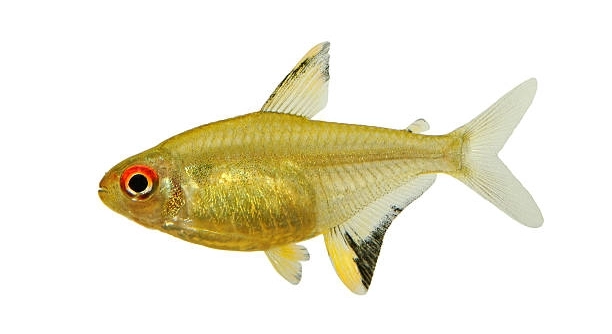
Do you ever find yourself looking at your aquarium and noticing that one of your lemon tetras is missing? It can be unsettling, especially when you cannot immediately locate them among the plants and decorations.
Lemon tetras may disappear for several reasons, including predation, illness, water quality issues, hiding behavior, or stress. Each factor can affect their visibility and survival, making it crucial to systematically check their environment and health conditions.
Understanding the reasons behind a missing lemon tetra can help you take timely actions. From tank setup to water conditions, there are practical steps to consider.
Check for Hiding Spots
Lemon tetras are naturally shy and enjoy exploring their environment. They often hide among plants, decorations, or behind rocks. If your tetra has disappeared, the first step is to carefully inspect the tank. Dense foliage or tall plants can obscure them for days. Decorations with nooks and crevices may become temporary shelters when the fish feels stressed. Even gentle water currents can push them behind ornaments or into corners where they remain unseen. Observing during feeding times can help, as they tend to venture out when food is present. Tank mates may also influence hiding behavior. Aggressive or overly active fish can push tetras into secluded spots. Lighting conditions play a role too; dimmed lights encourage hiding. By taking a systematic approach and gently moving objects if safe, you may locate your missing tetra. Monitoring their behavior after rediscovery can prevent future disappearances and reduce stress in the tank.
Hiding is often harmless and temporary, especially when no other issues are present. Careful observation usually reveals their location.
Regular tank checks and understanding tetra behavior help maintain visibility. Adjusting plants, decorations, and lighting can reduce hiding tendencies.
Water Quality Issues
Poor water quality is a common factor affecting lemon tetra health. High ammonia, nitrite, or nitrate levels can stress or even kill fish, making them vanish suddenly. Water temperature fluctuations also contribute to stress. Maintaining stable conditions is critical.
Monitoring water parameters regularly ensures a safe environment. Filtration, partial water changes, and careful feeding prevent harmful buildup.
Water testing should be done at least weekly to detect chemical imbalances. High ammonia levels, often caused by overfeeding or inadequate filtration, are immediately harmful. Nitrite spikes are also dangerous and can cause rapid decline in fish health. Nitrate, though less acutely toxic, accumulates over time and weakens fish immunity. Maintaining a stable temperature is equally important, as sudden changes reduce the fish’s ability to cope with minor stressors. Regular partial water changes remove excess waste and keep the tank chemically balanced. Using a reliable test kit allows you to monitor levels accurately. Additionally, avoiding overcrowding and limiting uneaten food helps maintain clean water. Healthy, clear water encourages natural activity and prevents hiding, illness, or death. By prioritizing water quality, you protect your lemon tetras and ensure they remain visible and active in the aquarium.
Predation from Tank Mates
Aggressive tank mates can pose a serious threat to lemon tetras. Larger or more dominant fish may nip, chase, or attack them, forcing them to hide or causing injury. Observing interactions is essential to identify potential problems.
Even small, seemingly peaceful fish can stress tetras if the tank is crowded. Territorial species are particularly problematic, as they claim specific areas and chase others away. Injuries from nips or constant harassment weaken fish, making them more susceptible to illness. Lemon tetras are schooling fish, and isolation increases vulnerability. Introducing compatible species and providing plenty of hiding spots can reduce predation risks. Proper monitoring ensures tetras remain active and visible rather than disappearing due to stress or attacks. Adjusting tank populations or separating aggressive fish is often necessary to protect the smaller, peaceful tetras and maintain a balanced aquarium environment.
Stress from nearby predators often causes behavioral changes. Observing schooling patterns and interactions can reveal hidden issues and prevent losses.
Illness and Disease
Illness can cause lemon tetras to hide, lose appetite, or die quickly if untreated. Signs include faded color, clamped fins, and unusual swimming patterns. Acting early is critical.
Common diseases like ich, fin rot, or bacterial infections spread quickly. Water quality issues often exacerbate these problems. Quarantining sick fish and treating them with appropriate medications can prevent further loss. Maintaining a clean tank and stable environment supports immune health. Nutritional support through high-quality food also helps fish recover. Some illnesses progress rapidly, so daily observation is necessary to catch subtle changes before they become severe. Preventive measures, including regular water testing, limiting overcrowding, and maintaining proper temperature, reduce disease risk. Identifying symptoms early allows for targeted treatments, increasing survival chances. Keeping a log of health observations can help track patterns and respond promptly to recurring issues, ensuring the long-term well-being of the lemon tetras in your care.
Stress from Overcrowding
Overcrowding in the tank can make lemon tetras hide or act unusually. Too many fish compete for space, food, and oxygen, increasing stress and reducing visibility.
Stress weakens the immune system, making tetras more susceptible to disease. Adequate space and fewer tank mates improve their comfort and activity.
Inadequate Diet
A poor diet can cause lethargy and disappearance from sight. Lemon tetras need a balanced mix of flakes, pellets, and occasional live or frozen foods to thrive. Feeding small portions multiple times a day ensures they receive proper nutrition.
Escaping the Tank
Lemon tetras may jump or escape if the tank is uncovered or poorly sealed. Even a small gap can be enough for them to leave the aquarium accidentally. Ensuring lids are secure prevents such incidents.
Natural Behavior
Lemon tetras sometimes disappear simply because they are exploring or resting in hidden areas. This behavior is normal and usually temporary.
FAQ
Why did my lemon tetra disappear suddenly?
A lemon tetra can disappear due to hiding, illness, poor water conditions, stress, or aggressive tank mates. Often, they retreat to safe spots when feeling threatened. Observing water quality, tank population, and behavior helps determine the cause.
How can I tell if my tetra is hiding or sick?
Hiding is usually temporary, with the fish active during feeding. Illness often shows faded colors, clamped fins, sluggish movement, or difficulty swimming. Monitoring daily behavior and appearance can distinguish between normal hiding and health issues.
Can tank mates cause my tetra to vanish?
Yes, aggressive or larger fish can stress or harm lemon tetras, forcing them to hide or causing injury. Providing plenty of hiding spots and compatible species helps reduce stress and prevents disappearances.
Could water quality be the reason my tetra is missing?
Poor water quality is a leading cause of stress and disappearance. High ammonia, nitrite, or nitrate levels, as well as sudden temperature changes, can make fish hide or die. Regular testing and partial water changes are essential.
What should I do if I suspect disease?
Quarantine the affected fish and treat with appropriate medication. Maintain stable water conditions and a nutritious diet to support recovery. Early detection and treatment are key to preventing further losses.
Is overcrowding a problem for lemon tetras?
Overcrowding increases stress, competition for food, and hiding behavior. Providing adequate space and limiting tank mates improves visibility and overall health. Lemon tetras thrive best in groups of at least six, with enough room to swim freely.
Why do my tetras sometimes jump out of the tank?
Lemon tetras are active swimmers and may jump if the tank is uncovered or water conditions are poor. Always use a secure lid to prevent escapes. Adequate space and calm conditions reduce this behavior.
How often should I feed my lemon tetras?
Feed small amounts two to three times daily. A mix of high-quality flakes, pellets, and occasional frozen or live foods ensures balanced nutrition, keeping fish active and visible. Avoid overfeeding, as leftover food can harm water quality.
Can stress cause long-term hiding behavior?
Yes, prolonged stress from aggressive tank mates, overcrowding, or poor water quality can lead to chronic hiding. Reducing stress factors and providing shelter helps tetras regain normal activity. Observation over several days is important to assess recovery.
When should I seek professional advice for my missing tetra?
If your lemon tetra remains hidden for more than a week, shows signs of illness, or disappears without any obvious hiding spots, consulting an experienced aquarist or veterinarian is advisable. Prompt action improves survival chances.
How can I prevent my lemon tetra from disappearing in the future?
Maintain stable water conditions, compatible tank mates, adequate hiding spaces, and a balanced diet. Regular observation and routine maintenance reduce stress, illness, and accidental escapes, ensuring tetras remain healthy and visible in the aquarium.
Are there natural behaviors I should expect from lemon tetras?
Lemon tetras naturally explore, school together, and rest in plants or decorations. Temporary disappearance is normal, especially in new or changing environments. Observing behavior patterns helps distinguish normal hiding from concerning issues.
Can lighting affect visibility of my fish?
Yes, dim or inconsistent lighting can encourage tetras to stay hidden. Providing a stable day-night cycle with moderate lighting helps fish feel secure while improving visibility. Avoid sudden changes that can stress the fish.
How do I safely check hiding spots without harming my fish?
Gently inspect plants, rocks, and decorations without causing strong currents or sudden movements. Using a small net to move items carefully can reveal hidden tetras without stressing them further. Consistent observation is safer than frequent disturbance.
Does tank size matter for lemon tetras?
Smaller tanks increase stress, reduce swimming space, and encourage hiding. A minimum of 20 gallons is recommended for a small school, ensuring enough room for movement, social interaction, and proper filtration to maintain water quality.
Can diet changes help a missing tetra reappear?
Yes, introducing live or frozen foods can encourage hesitant or stressed tetras to come out. High-quality nutrition boosts energy levels, improves health, and promotes natural schooling and activity patterns. Feeding during observation times increases chances of spotting them.
How long do lemon tetras typically hide?
Temporary hiding can last a few hours to several days, depending on stress or environmental changes. Persistent hiding beyond a week may indicate illness, stress, or predation. Consistent monitoring and proper care help ensure timely recovery and visibility.
What are the signs of a healthy, visible tetra?
Bright colors, active swimming, schooling behavior, and regular feeding indicate health. Lemon tetras should be visible during the day, exploring the tank and interacting with other peaceful fish. Sudden disappearance or lethargy signals a potential problem.
How can I improve my tank environment for lemon tetras?
Provide plants, hiding spots, moderate lighting, stable water parameters, and compatible tank mates. Regular cleaning and careful feeding prevent stress and support healthy behavior, reducing the likelihood of tetras disappearing.
Is it normal for tetras to separate from the school temporarily?
Yes, small periods of separation for exploring or resting are normal. Tetras usually return to the school quickly. Extended isolation may indicate stress or illness, requiring attention to water quality, diet, and tank conditions.
Final Thoughts
Lemon tetras are delicate and sensitive fish that rely on a stable and well-maintained environment to thrive. Their disappearance from view is often a signal rather than a mystery, reflecting factors such as hiding, stress, illness, water quality, or interactions with other tank mates. While it can be worrying to find one missing, taking a calm, methodical approach can help identify the cause. Regular observation is key. By watching their behavior during feeding times, checking plants, and noting interactions with other fish, it becomes easier to understand whether the disappearance is temporary or a sign of a more serious issue. Awareness of normal behavior, like hiding for short periods or exploring, can prevent unnecessary worry while also highlighting potential problems early.
Maintaining the tank properly is critical for preventing issues that lead to disappearances. Regular water testing, partial water changes, and keeping the tank free from uneaten food and waste help ensure a safe and stable environment. Water parameters, including temperature, pH, and chemical levels, must remain within acceptable ranges to avoid stress and illness. Overcrowding and aggressive tank mates can also cause lemon tetras to hide, so careful planning of tank population and arrangement is important. Providing adequate hiding spots and plants allows fish to feel secure without permanently disappearing from sight. A balanced diet with a mix of flakes, pellets, and occasional live or frozen foods supports overall health and energy levels. Healthy, well-fed fish are more likely to be visible and active, reducing concern over unexplained disappearances.
Paying attention to health indicators is equally important. Faded colors, clamped fins, unusual swimming patterns, or lethargy are signs that require immediate action. Illnesses like ich, fin rot, or bacterial infections can progress quickly, making early detection and treatment essential. Quarantining sick fish and applying appropriate treatments, along with maintaining stable water quality, gives tetras the best chance to recover. Even seemingly minor changes in behavior or environment should be noted, as they can provide clues about potential stressors. By combining proper tank maintenance, careful observation, and prompt intervention when necessary, lemon tetras can remain healthy, visible, and active in the aquarium. Taking these steps ensures a safer, more predictable environment and helps prevent future disappearances, giving the fish a stable and comfortable habitat where they can flourish.

Hello,
If you enjoy the content that we create, please consider saying a "Thank You!" by leaving a tip.
Every little bit helps us continue crafting quality advice that supports the health, happiness, and well-being of pets around the world, for pets of all shapes, sizes, and species.
We really appreciate the kindness and support that you show us!