
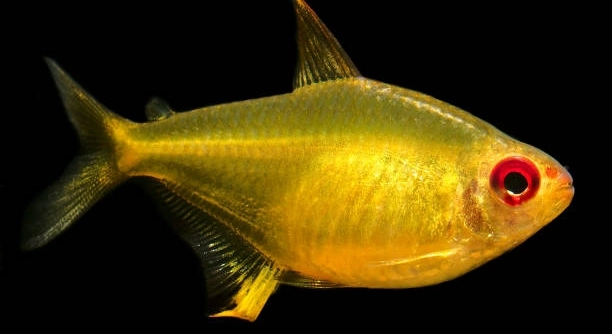
Have you ever noticed your arowana swimming nervously when the room gets loud? Many aquarium owners spend hours observing their fish and wonder how sounds affect these elegant creatures. Their reactions can sometimes be subtle yet noticeable.
Arowanas are sensitive to vibrations and sudden loud noises in their environment. Loud conversations can startle them, causing rapid movements, hiding behavior, or temporary stress, which may affect feeding and overall well-being if exposure is frequent.
Learning how noise impacts your arowana helps create a calmer environment. Small adjustments in daily routines can significantly improve their comfort and long-term health.
How Arowanas Sense Sound
Arowanas have a keen sense of vibrations, which helps them detect movement in water. Unlike humans, they don’t have external ears, but their inner ear and lateral line system pick up changes in water pressure. When a loud conversation happens nearby, the sound waves travel through the air and into the water, creating vibrations. These vibrations may cause the arowana to move quickly or hide near plants or decorations. I noticed that even small changes in my living room sounds could make my arowana pause or turn its body sharply. Regular exposure to loud noises can increase stress levels, which sometimes reduces appetite or slows swimming patterns. Providing a stable and quieter environment allows your arowana to feel secure, swim naturally, and maintain its natural behavior without constant interruptions from noise outside the tank. Observing subtle cues helps in understanding how sound affects these sensitive fish.
Maintaining a quiet environment around the tank reduces stress and supports natural behavior patterns in arowanas, promoting better health and activity.
Creating the right space involves more than just turning down the volume. Positioning the tank away from busy areas, closing doors, or adding soft background sounds can help minimize sudden disturbances. I found that even conversations in another room created noticeable reactions if the walls were thin. Over time, small adjustments like these make the tank feel more stable. Watching the fish respond less to noise makes it easier to enjoy their graceful movements. It also encourages regular feeding, normal swimming patterns, and reduces the likelihood of stress-related illnesses. By noticing how your arowana reacts, you can fine-tune your environment to suit its needs.
Signs of Stress in Loud Environments
Arowanas may show stress through rapid movements, hiding, or refusing food when exposed to loud sounds.
Stress in arowanas often manifests in subtle ways. Rapid gill movements, frequent darting, or prolonged inactivity are common signs. Over time, repeated exposure to loud conversations can weaken their immune system, making them more prone to infections or diseases. I observed that my fish became more cautious and less interactive during times when household noise increased. Stress can also affect coloration, causing duller tones and less vibrant scales. Tank setup plays a role too. Decorations, plants, and hiding spots give the fish a sense of security when noise occurs. Lighting and water quality also contribute to stress resilience. Reducing unpredictable disturbances and providing a stable environment ensures the fish stays healthy and active. Paying attention to these signs helps address potential issues before they escalate, maintaining a balanced and calm habitat. Daily observation and small changes make a noticeable difference in their overall comfort and long-term well-being.
Reducing Noise Impact
Keeping conversations quieter near the tank helps your arowana stay calm. Simple changes like moving the tank or closing doors can make a noticeable difference in their behavior.
I noticed that lowering the volume of nearby conversations reduced my arowana’s sudden darting and hiding. Even small shifts in household noise, like turning off a loud TV or moving a chair away from the tank, helped the fish swim more naturally. The lateral line system is highly sensitive, so consistent quiet periods give them a sense of security. Over time, these small adjustments reduce stress, encourage regular feeding, and allow for more predictable daily activity. Tank placement matters too. Positioning it in a corner or against a solid wall helps buffer external vibrations. Soft furnishings nearby can also absorb sound and limit the amount of disturbance reaching the water.
Adding plants or decorations provides hiding spots that allow your arowana to feel safer when noise occurs. Observing their reactions after adjustments shows clear improvement in comfort and activity levels, helping maintain long-term health.
Observing Behavioral Changes
Arowanas respond visibly to environmental stress. Rapid swimming, hiding, or refusing food are key indicators that noise is affecting them.
I kept a close watch on my arowana and noticed that sudden loud conversations made it swim quickly to the tank’s corners. Over time, repeated exposure caused longer hiding periods and slower feeding responses. Adding decorations and plants created safe zones, allowing it to resume normal behavior even when noise happened. Stress also showed in subtle body language, like tighter fin movements or hesitation in exploring the tank. Maintaining a predictable routine with quiet periods and observing responses helped me understand which noises were most disturbing. Changes in water quality or lighting can amplify stress, so these factors need attention too. By recording and noticing behavioral changes, adjustments can be made to improve comfort.
Consistency in monitoring daily reactions allows for better management of environmental stress. I noticed that when quiet periods were maintained, the arowana gradually became less reactive, feeding normally and swimming freely without showing panic signs. Understanding these patterns helps create a calmer tank atmosphere and supports long-term fish health.
Tank Placement Matters
Positioning the tank away from busy areas reduces stress for arowanas. Corners or rooms with less foot traffic help them feel secure.
Walls and furniture can act as buffers against vibrations. I moved my tank slightly away from the living room and noticed calmer swimming patterns and less hiding, which improved overall comfort.
Creating a Calm Environment
Adding plants, rocks, and hiding spots provides your arowana with security during noisy periods. These elements reduce visible stress and help maintain natural behavior. I arranged tall plants and driftwood to create shaded areas. The fish quickly began using these spots when sudden sounds occurred. Over weeks, this setup reduced rapid darting and erratic movements. Even during conversations or household activity, the arowana remained more relaxed. Providing multiple hiding areas allows the fish to choose where to retreat, giving a sense of control over its environment. Consistency in tank arrangement ensures the fish feels safe and reduces long-term stress, supporting both mental and physical health.
Feeding Routine Stability
Keeping feeding times consistent helps arowanas stay confident and less reactive to surrounding noise.
How sensitive are arowanas to household noise?
Arowanas are surprisingly sensitive to sounds and vibrations in their environment. They don’t have external ears like humans, but their inner ear and lateral line system pick up pressure changes in the water. Even ordinary household noises, like talking, moving chairs, or a TV, can cause noticeable reactions. I observed that when conversations got louder near my tank, my arowana would dart quickly or hide behind plants. Over time, repeated loud disturbances increased visible stress, which sometimes led to less appetite. Minimizing sudden noises helps maintain natural swimming patterns and encourages more regular feeding.
Can loud conversations affect arowana feeding habits?
Yes, arowanas may reduce or refuse food when exposed to frequent loud noises. Stress from vibrations can make them anxious, slowing their movements or causing them to hide. I noticed my fish would linger near hiding spots rather than swim openly to accept food during busy household activity. Providing a quieter space and keeping feeding times consistent encouraged normal eating habits again. Even subtle improvements, like turning down nearby conversations or moving the tank away from busy areas, helped my arowana resume its regular feeding schedule within a few days.
What are the signs that arowanas are stressed by noise?
Stress from noise often shows through behavior changes. Rapid swimming, hiding for long periods, tighter fins, and hesitation to explore are common signs. I kept a small observation log and noticed that my arowana’s color seemed slightly duller after repeated loud periods. Over time, these behaviors can also affect overall health, like reduced immunity or slower growth. Observing patterns and making changes in tank placement, quieting the room, and providing hiding spots allowed the fish to regain normal behavior. Recognizing stress signs early helps prevent long-term health issues.
How can I reduce the impact of conversations near the tank?
Simple changes make a big difference. Moving the tank away from high-traffic areas, closing doors, or adding soft furnishings nearby helps buffer sound vibrations. I rearranged my living room slightly, and my arowana immediately seemed calmer. Adding tall plants or driftwood also created shaded zones where the fish could retreat. Consistency matters. Even occasional loud conversations are less stressful when the overall environment is stable. Regular observation lets you see which noises trigger strong reactions so adjustments can be made proactively.
Do hiding spots really help with noise stress?
Absolutely. Hiding spots provide a sense of safety when arowanas feel threatened by sudden sounds. I added driftwood and tall artificial plants, and my arowana began using these spaces whenever a loud conversation occurred. This allowed it to remain active elsewhere in the tank while having secure zones when needed. Multiple hiding areas also reduce competition for space and let the fish choose where it feels most comfortable. Over time, the fish’s stress visibly decreased, and natural swimming patterns returned.
Is tank placement more important than decorations for noise reduction?
Both matter, but placement often has a larger impact. Placing the tank against a solid wall, away from frequent activity, limits vibrations reaching the water. I noticed calmer behavior just from shifting the tank a few feet. Decorations complement this by offering retreat spaces, but without proper placement, the fish still reacts to noise. Combining good placement with secure hiding spots provides the best environment for reducing stress.
How long does it take for arowanas to adjust to a quieter environment?
Adjustment time varies, but many arowanas show improvement within days to weeks. I observed that after moving the tank and reducing loud conversations, my arowana resumed regular feeding and swimming patterns within a week. Continued quiet periods and stable tank setup encourage long-term comfort. Consistency in noise management ensures the fish remains calm even during occasional household activity. Monitoring behavior during this period helps gauge how quickly the arowana adapts.
Can frequent noise cause long-term health issues?
Yes, chronic exposure to loud or sudden noise can increase stress hormones, affecting immunity, growth, and appetite. I noticed slower feeding and duller coloration during noisy periods. Providing a consistent, calm environment with proper hiding spots mitigates these risks. Regular monitoring and minor adjustments in tank placement and household routines can prevent long-term problems and promote healthy development.
Are all arowanas equally sensitive to noise?
Sensitivity can vary by species, age, and individual temperament. Younger fish or more skittish individuals tend to react more strongly to loud conversations. My younger arowana was noticeably jumpy at first, while an older fish in the same tank stayed calmer. Observing each fish individually helps tailor the environment to its needs. Adjustments such as additional hiding spaces or quieter feeding times can accommodate more sensitive individuals.
Does lighting affect how arowanas react to noise?
Lighting can influence stress responses. Bright or fluctuating lights combined with loud noise may intensify reactions. I found that keeping moderate, consistent lighting reduced startle responses even during nearby conversations. Shadows from decorations and plants further provided comfort zones. Proper lighting, paired with quiet surroundings and hiding areas, creates a balanced environment that helps maintain calm behavior and overall well-being.
Arowanas are fascinating fish, and they are more sensitive to their surroundings than many people realize. Loud conversations and sudden noises can create stress, even if it seems minor to us. Over time, repeated exposure to vibrations from nearby sounds may affect their behavior, feeding habits, and overall health. In my own experience, simply observing my arowana closely helped me notice how quickly it reacted to loud voices or movement near the tank. These reactions are usually subtle at first, like a quick turn, fin twitch, or a sudden swim to the corner of the tank. However, when stress accumulates, it can lead to longer hiding periods or less interest in food, which can be concerning. Understanding how noise affects arowanas is key to creating a healthier environment for them.
Creating a calm and stable environment is not complicated, but it requires attention to detail. Placement of the tank plays an important role in reducing vibrations from outside sources. Moving the tank away from high-traffic areas or against solid walls can make a noticeable difference. Adding decorations, plants, and hiding spots gives the fish safe zones to retreat to when it senses any disturbance. I found that even small adjustments, like rearranging furniture or reducing the volume of nearby conversations, helped my arowana stay more relaxed. Consistency is important because fish respond to repeated exposure over time. Keeping feeding schedules predictable and monitoring behavior regularly allows for early detection of stress signs and helps maintain normal activity patterns. Small environmental changes can have a big effect on the fish’s comfort and long-term health.
Overall, observing your arowana and making thoughtful adjustments ensures it can thrive in your care. Stress caused by loud conversations or vibrations is preventable with attention and care. Simple steps such as careful tank placement, quiet periods, and the addition of hiding spots can create a stable and safe space. Over time, these adjustments allow arowanas to display natural behaviors, swim more freely, and feed normally. By noticing their reactions and responding appropriately, you can significantly reduce stress and support their health. A calm environment not only benefits the fish physically but also contributes to a more enjoyable and peaceful experience for the owner. Providing this balance creates a healthy relationship between the arowana and its surroundings, ensuring the fish remains active, vibrant, and comfortable.

Hello,
If you enjoy the content that we create, please consider saying a "Thank You!" by leaving a tip.
Every little bit helps us continue crafting quality advice that supports the health, happiness, and well-being of pets around the world, for pets of all shapes, sizes, and species.
We really appreciate the kindness and support that you show us!