
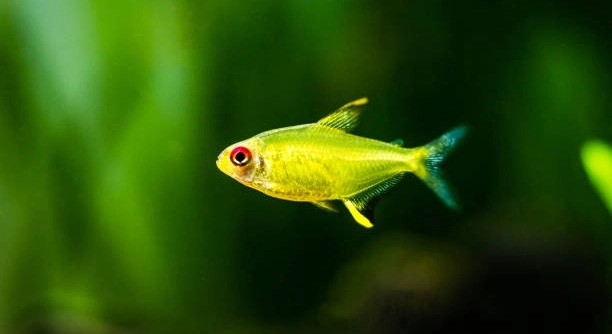
Do your fish seem restless or your plants in the tank are not thriving as expected? Many aquarists overlook subtle factors that quietly stress their aquatic environment, affecting both animal behavior and overall tank health.
Common overlooked sources of tank stress include improper lighting cycles, inadequate filtration, sudden temperature fluctuations, overcrowding, chemical imbalances, lack of hiding spaces, and incompatible tank mates. Each factor can compromise water quality, disrupt natural behavior, and reduce organism well-being.
Addressing these elements can improve your tank’s stability and promote a healthier environment for all its inhabitants. Paying attention to small details often yields significant benefits.
Improper Lighting Cycles
Fish and aquatic plants rely on consistent lighting to maintain natural rhythms. Too much light can promote algae growth, while too little light affects plant photosynthesis and fish behavior. Sudden changes in lighting, such as turning lights on or off abruptly, can confuse fish and increase stress levels. Providing a stable light schedule, typically 8-12 hours per day depending on the species, helps maintain balance in the tank. Using a timer ensures consistent light exposure, reducing human error and helping fish adjust naturally. Some plants may require longer light periods, so it’s essential to match lighting to tank inhabitants’ needs. Avoid placing tanks near windows where sunlight can cause unexpected fluctuations. Monitoring both intensity and duration of light is key. Observing fish activity can indicate whether current lighting is appropriate. Stress signs include hiding, reduced feeding, or erratic swimming, all of which can often be traced back to lighting issues if other factors are controlled.
Maintaining a consistent lighting cycle stabilizes fish behavior and plant growth, helping prevent stress-related problems in your tank.
Regular light management also reduces algae overgrowth, creating a healthier environment and minimizing the need for constant cleaning.
Inadequate Filtration
Poor filtration can leave debris, toxins, and excess waste in the tank, creating harmful conditions for fish and plants. A filter that is too small or clogged fails to maintain water clarity and quality, impacting oxygen levels and overall health. Biological filtration is especially important, as it converts harmful ammonia into less toxic compounds. Mechanical filtration removes particles that cloud the water, while chemical filtration handles dissolved compounds like chlorine. Regular maintenance, including cleaning and replacing filter media as recommended, keeps the system functioning properly. Monitoring flow rates ensures the filter provides enough circulation without stressing fish with strong currents. Inadequate filtration can also contribute to disease outbreaks, since stagnant water promotes bacterial and fungal growth. Matching the filter type and capacity to the tank size and species is essential. Observing fish for lethargy, gasping at the surface, or unusual swimming patterns can indicate filtration problems.
Investing time in proper filtration dramatically improves water quality, fish health, and tank stability.
Properly maintained filters reduce toxic buildup, prevent oxygen depletion, and create a cleaner, more natural habitat that encourages fish activity, plant growth, and long-term aquatic well-being.
Sudden Temperature Fluctuations
Temperature swings can shock fish and stress plants, disrupting metabolic and immune functions. Even small changes of a few degrees can cause lethargy, reduced appetite, or unusual swimming. Stable water temperature is crucial for maintaining a healthy tank environment.
Using a reliable heater and thermometer helps maintain consistent temperatures. Avoid placing tanks near drafts, heaters, or air conditioners, as external temperature changes can quickly affect water. Gradual adjustments are necessary when acclimating new fish to prevent thermal shock. Monitoring daily allows early detection of issues before they impact health. Some species are more sensitive, so research their preferred ranges. Sudden temperature shifts can also worsen existing diseases or make fish more susceptible to infections.
Keeping a backup heater or temperature controller ensures that water remains stable during power outages or equipment failure. Regular checks and maintenance reduce the risk of harmful fluctuations and maintain a safe environment for all tank inhabitants.
Overcrowding
Too many fish in a tank increases competition for oxygen, food, and space, which elevates stress and aggression. Overcrowding can lead to disease spread and poor water quality, making it difficult to maintain balance.
Maintaining appropriate stocking levels is essential. Fish require enough room to swim freely and establish territories. Overcrowded tanks create frequent disturbances, stress-related illnesses, and stunted growth. Larger species or highly active fish need more space than smaller or slower-moving ones. Monitoring behavior, including chasing, hiding, or frequent conflict, helps identify when the tank has reached capacity. Regularly checking water parameters also reveals whether biological filtration can cope with the waste produced. Adjusting population gradually is better than sudden removals, which may trigger additional stress. Proper stocking helps maintain harmony, reduces disease risk, and improves water quality management, creating a calmer and healthier environment for all fish.
Chemical Imbalances
High ammonia, nitrite, or nitrate levels can quickly stress fish, affecting respiration and overall health. Regular water testing and timely changes are essential to keep chemical levels safe.
Using dechlorinated water and monitoring pH helps maintain stability. Sudden shifts can cause shock, so adjustments should be gradual.
Lack of Hiding Spaces
Fish need places to retreat when stressed. Without adequate hiding spots, aggression and fear increase, leading to poor health and reduced activity.
Adding caves, plants, or decorations allows fish to feel secure. Proper shelter reduces stress and encourages natural behaviors, improving overall tank harmony.
Incompatible Tank Mates
Certain species cannot coexist peacefully. Aggressive or territorial fish can injure others, while timid fish may become stressed and hide constantly.
Researching species compatibility and observing interactions is crucial. Mixing incompatible fish leads to constant tension, suppressed feeding, and potential injury, making careful planning essential for a balanced tank.
Sudden Changes in Environment
Rapid changes such as water replacement, rearranging decorations, or moving the tank can unsettle fish.
Gradual adjustments and careful observation prevent unnecessary stress. Maintaining routine minimizes disruption, helping fish adapt comfortably to their surroundings.
FAQ
How often should I check water parameters to prevent stress?
Testing water at least once a week is essential for detecting ammonia, nitrite, nitrate, and pH changes. More frequent checks may be necessary in heavily stocked or newly established tanks. Consistent monitoring ensures early intervention before stress affects fish health.
What is the best way to acclimate new fish?
Float the sealed bag in the tank for 15-20 minutes to equalize temperature. Gradually mix small amounts of tank water into the bag every 5 minutes. This reduces shock from temperature and chemical differences, helping fish adjust safely.
How can I tell if fish are stressed from lighting?
Signs include hiding more than usual, loss of color, erratic swimming, or staying near the surface or bottom. Observing their behavior after adjusting light duration can indicate whether lighting is appropriate. Using a timer prevents sudden changes that cause stress.
What is the proper way to manage overcrowding?
Avoid exceeding recommended stocking levels for your tank size and species. Remove fish gradually if necessary, provide adequate hiding spaces, and monitor water parameters closely. Overcrowding can cause disease outbreaks, aggression, and poor water quality.
How do I maintain stable temperature in my tank?
Use a reliable heater and thermometer to monitor water daily. Avoid placing the tank near windows, drafts, or heat sources. Gradual adjustments are important when introducing new fish or changing room temperature. Backup heaters or controllers help during power outages.
Can poor filtration cause disease?
Yes. Inadequate filtration allows waste to accumulate, increasing harmful bacteria and toxins. Mechanical, chemical, and biological filtration all play a role in maintaining water quality. Clean or replace filter media regularly and ensure the filter suits the tank size and fish load.
Do certain tank decorations reduce stress?
Yes. Plants, caves, and other hiding spots give fish safe areas to retreat and reduce aggression. Arranging decorations to provide multiple shelters helps timid fish feel secure while allowing dominant fish territory, lowering overall stress.
How can I prevent chemical imbalances?
Perform regular water changes and use dechlorinated water. Test for ammonia, nitrite, nitrate, and pH weekly. Adjust levels gradually if needed. Avoid overfeeding, as excess food decays and raises toxins, increasing stress for fish and affecting plant growth.
What should I do if fish are aggressive toward tank mates?
Research species compatibility before introducing new fish. Separate aggressive fish or move them to another tank if needed. Providing hiding spaces and avoiding overcrowding helps reduce conflict. Monitor behavior closely to prevent injuries or chronic stress.
How do sudden environmental changes affect fish?
Moving tanks, rearranging decorations, or large water changes can cause disorientation and stress. Introduce changes gradually and observe fish behavior to ensure they adjust. Minimizing disruptions creates a calmer environment and supports healthier interactions among tank inhabitants.
Can stress be reversed in fish once it occurs?
Yes, if identified early. Correcting water quality, temperature, lighting, or overcrowding issues and providing hiding spots can help fish recover. Recovery time depends on species, severity of stress, and overall tank conditions. Regular observation is essential to support healing.
Is it normal for fish to hide often?
Hiding is normal, but excessive hiding may indicate stress, poor water quality, or incompatible tank mates. Evaluate water parameters, provide adequate shelter, and ensure compatibility among fish to encourage natural, relaxed behavior.
How do I reduce algae caused by stress factors?
Control lighting duration and intensity, maintain clean water through proper filtration, and avoid overfeeding. Healthy plants compete with algae for nutrients, further reducing growth. Stress-related algae growth often signals underlying water quality or environmental issues that need addressing.
Are plants affected by tank stress?
Yes. Poor lighting, unstable temperature, and chemical imbalances can stunt growth or cause decay. Healthy plants support fish by improving water quality, providing shelter, and creating a balanced ecosystem, so maintaining their conditions reduces overall tank stress.
How can I maintain a low-stress environment consistently?
Keep water parameters stable, provide adequate hiding spaces, avoid overcrowding, and maintain a proper light cycle. Regular observation and maintenance allow early detection of stress signs, creating a safe, predictable, and healthy habitat for all tank inhabitants.
This FAQ addresses common issues that cause tank stress, helping maintain a stable and thriving aquatic environment. Consistency and attention to small details make a significant difference in fish health and overall tank balance.
Final Thoughts
Maintaining a healthy and balanced aquarium requires consistent attention to detail and a careful approach to each aspect of tank management. Even minor oversights, such as irregular lighting, inconsistent water temperature, or insufficient hiding spots, can lead to stress for fish and other aquatic life. Stress manifests in behaviors like hiding, reduced feeding, erratic swimming, and color fading, which are clear signs that the tank environment needs adjustment. It is important to recognize that every species has unique needs. Factors such as water parameters, tank size, and social dynamics among fish all contribute to overall well-being. Ignoring these details can lead to a cycle of chronic stress, disease, and reduced lifespan. By observing behavior and regularly monitoring the tank, it becomes easier to identify and address issues before they escalate. Preventative measures, such as proper filtration, controlled lighting, gradual environmental changes, and appropriate stocking levels, go a long way toward creating a stable habitat. Paying attention to these elements does not only improve the immediate health of fish but also ensures long-term success for the tank.
Water quality remains one of the most critical components in reducing stress. Regular testing for ammonia, nitrite, nitrate, and pH allows early detection of imbalances that may harm fish. In addition to chemical monitoring, proper mechanical and biological filtration ensures the removal of debris, toxins, and harmful bacteria, creating a safer environment. Overfeeding and leftover food can quickly degrade water quality, so providing the correct amount of food is essential. Temperature control also plays a significant role, as sudden fluctuations can disrupt metabolic processes and weaken immune systems. Using reliable heaters, thermometers, and monitoring devices helps maintain stable conditions. Alongside these technical considerations, the physical setup of the tank is equally important. Plants, decorations, and shelters give fish places to retreat, reducing tension and promoting natural behaviors. Observing interactions among tank mates allows the identification of aggressive or incompatible species that may need separation. A well-structured tank combined with consistent maintenance forms the foundation for reducing stress and supporting healthy growth.
Finally, patience and attention are key when managing a tank. Changes should be gradual, whether it involves introducing new fish, adjusting lighting schedules, or altering water conditions. Sudden interventions can worsen stress and disrupt the balance of the environment. Consistency in routine maintenance, including water changes, filter cleaning, and monitoring of chemical levels, ensures that small problems do not escalate into larger issues. Stress management also involves creating an environment where fish can display natural behaviors without constant interference. While it may seem overwhelming at first, developing a steady routine and observing the responses of tank inhabitants makes the process manageable. Each tank is unique, and learning its specific needs improves both the fish’s well-being and the overall enjoyment of maintaining an aquarium. By focusing on stability, gradual adjustments, and attentive care, it is possible to create a thriving, low-stress environment that benefits all aquatic life. Consistent effort, attention to detail, and understanding species-specific requirements ultimately lead to a healthier, more vibrant tank that is enjoyable for both the fish and the caretaker.

Hello,
If you enjoy the content that we create, please consider saying a "Thank You!" by leaving a tip.
Every little bit helps us continue crafting quality advice that supports the health, happiness, and well-being of pets around the world, for pets of all shapes, sizes, and species.
We really appreciate the kindness and support that you show us!