
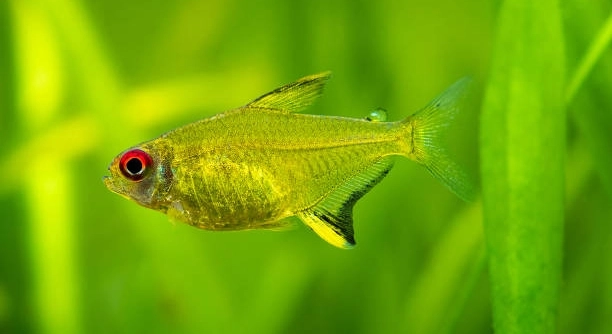
Arowanas are majestic fish that require special care to thrive in home aquariums. Many owners notice their fish acting skittish or hiding, which can indicate stress. Creating a secure environment is essential for their well-being and comfort.
Providing arowanas with a sense of security involves managing their environment, reducing sudden disturbances, maintaining stable water conditions, and offering adequate hiding spots. Proper care practices help minimize stress, encouraging natural behaviors and promoting overall health in these sensitive fish.
These practical tips will help you create a safer, more comfortable space for your arowana to flourish in its aquatic home.
Maintain Stable Water Conditions
Arowanas are highly sensitive to changes in water quality. Fluctuations in temperature, pH, or ammonia levels can stress them and make them feel insecure. Regularly testing the water and performing partial water changes helps maintain a stable environment. Avoid sudden changes in temperature by using a reliable heater and thermometer. Consistent water quality ensures that the fish’s immune system remains strong and reduces the risk of illness. Additionally, a well-maintained filter removes waste effectively, preventing toxins from building up. Observing your arowana’s behavior can indicate whether water conditions are suitable; signs like rapid gill movement, erratic swimming, or hiding more often can suggest stress. Using dechlorinated water during changes prevents chemical shocks. Gentle cleaning of the tank decorations and substrate helps maintain a balanced ecosystem without disturbing the fish unnecessarily. Providing a stable and clean environment allows the arowana to explore its tank confidently, improving its overall comfort and security.
Regular monitoring and gradual adjustments are key to keeping your arowana calm and healthy in its aquarium.
Maintaining a stable environment is not just about water quality; it also includes consistent lighting schedules and reducing vibrations near the tank. Arowanas feel safer when they can predict their surroundings. Avoid placing the tank in areas with heavy foot traffic or loud noises. Small changes in water clarity, temperature, or movement can cause stress. Using a secure lid prevents sudden surface disturbances, which can startle the fish. Tank layout should include hiding spots like plants or driftwood where the arowana can retreat. By combining clean water, steady temperatures, and minimal disturbances, you create a sense of safety. This consistent environment allows the arowana to display natural behaviors, feed confidently, and interact with its space without anxiety. Over time, the fish will appear more relaxed, swimming gracefully and showing fewer stress-related behaviors.
Provide Adequate Hiding Spots
Hiding spots give arowanas a place to feel safe when stressed or resting. Small caves, plants, or driftwood are ideal for creating secure spaces in the tank.
Arranging these spots strategically ensures the fish can retreat easily while still having open swimming areas. Multiple hiding areas reduce territorial conflicts and promote confidence.
Choosing decorations that mimic natural habitats enhances the feeling of security. Driftwood or rocks positioned along the sides or corners create shaded retreats without overcrowding the tank. Floating plants can offer overhead cover while allowing light to filter through. Avoid sharp objects that may injure the fish. Rotate or rearrange decorations occasionally to keep the environment stimulating but maintain familiarity. By providing well-placed hiding spots, the arowana can reduce stress, explore safely, and feel more comfortable during feeding or when responding to external disturbances. This setup encourages natural behavior and allows the fish to develop a sense of ownership over its territory, resulting in calmer, more confident swimming patterns.
Reduce Sudden Disturbances
Arowanas are easily startled by sudden movements or loud noises. Keep the tank area calm and avoid tapping the glass or moving objects quickly nearby. Consistent, gentle handling helps them feel more secure and less reactive to changes.
Limiting abrupt disturbances in the room surrounding the tank is essential. Loud conversations, sudden movements, or vibrations from nearby appliances can trigger stress responses in arowanas. Covering the tank partially with a backdrop can buffer visual disruptions, making the environment feel more enclosed and safe. Feeding times should also be consistent, avoiding sudden additions of large amounts of food that may startle them. Minimizing disturbances allows the arowana to establish predictable routines, helping it adjust to its surroundings and feel more confident in exploring the tank. This calm environment supports natural behaviors and reduces hiding tendencies.
Over time, arowanas exposed to stable, disturbance-free conditions become noticeably calmer. Their swimming becomes smoother, interactions with the tank setup are more confident, and feeding behaviors improve. A consistent approach to minimizing stress ensures that the fish can respond less anxiously to environmental changes. Gentle lighting adjustments, slow water changes, and careful observation prevent sudden shocks that can trigger stress. By controlling the tank surroundings and limiting disruptions, you reinforce a sense of safety, allowing the arowana to feel secure and comfortable while exhibiting normal, healthy behavior.
Maintain Proper Tank Size
Arowanas require ample space to swim comfortably and feel secure. Crowded tanks increase stress and can trigger aggressive or skittish behavior, reducing overall well-being.
A tank that is too small limits natural movement and can make arowanas feel trapped. Providing sufficient length, width, and depth allows for free swimming and territorial establishment. Adding adequate filtration and circulation ensures water quality remains high even in larger setups. Decorations and hiding areas should be arranged to avoid restricting movement while offering security. A properly sized tank helps prevent stress-induced illnesses and supports healthy growth. Ensuring the fish has room to navigate freely promotes confidence and natural behaviors, making them more relaxed.
Monitor Tank Companions
Arowanas feel safer when housed with compatible tank mates. Aggressive or overly active fish can cause stress and make them retreat frequently. Carefully choosing peaceful companions helps maintain a calm environment.
Observe interactions regularly. Remove any fish that show signs of bullying or provoke excessive hiding. A balanced tank reduces anxiety and encourages natural behaviors.
Consistent Feeding Schedule
Feeding arowanas at the same time each day creates predictability. Regular routines help them feel secure and reduce stress-related behaviors. Offering varied, nutritious food ensures they remain healthy and satisfied. Consistency allows the fish to anticipate meals, promoting calmer, confident behavior in the tank.
Maintain Proper Lighting
Balanced lighting helps arowanas feel safe. Avoid sudden bright flashes or overly dim conditions, which can trigger stress responses. Proper lighting supports natural activity cycles.
Use Soft Substrate
Arowanas are sensitive to harsh substrates that may cause injury or discomfort. Soft sand or smooth gravel reduces risk and provides a safe, comfortable environment.
What is the best tank size for an arowana to feel secure?
Arowanas need a large tank to swim freely and feel comfortable. A tank of at least 250 gallons is recommended for adult arowanas, allowing enough space for movement and territorial behavior. Adequate length and width prevent them from feeling trapped or stressed.
How often should I perform water changes?
Regular water changes are essential for maintaining stable water conditions. Partial water changes of 20-30% once a week help remove waste and prevent toxin buildup. Using dechlorinated water at similar temperature and pH ensures the fish are not shocked during the process.
What kind of hiding spots should I provide?
Driftwood, rocks, and dense plants make ideal hiding spots. These allow arowanas to retreat when feeling stressed or insecure. Hiding spots should not overcrowd the tank but be placed along the sides or corners, offering both shelter and open swimming areas.
Can arowanas live with other fish?
Yes, but tank mates must be chosen carefully. Aggressive or small fish may provoke stress or even get eaten. Peaceful, large species are better suited. Observe interactions closely and separate any fish that cause conflict to maintain a calm environment.
How do I reduce sudden disturbances around the tank?
Minimize loud noises, sudden movements, and vibrations near the aquarium. Avoid tapping on the glass or moving objects quickly. Adding a backdrop and placing the tank in a low-traffic area helps create a stable, secure environment for the arowana.
What should I feed an arowana to keep it healthy and confident?
Arowanas thrive on a varied diet including pellets, frozen or live foods such as shrimp, fish, and insects. Avoid overfeeding, and provide meals at consistent times. A balanced diet ensures proper growth, energy, and confidence in exploring the tank.
How important is lighting for arowanas?
Lighting should mimic natural conditions without sudden changes. Too bright or flickering lights can startle the fish, while dim lighting may reduce activity. A regular day-night cycle helps maintain natural behavior and a sense of security.
What is the best substrate for arowanas?
Soft sand or smooth gravel is ideal. Harsh or sharp substrates can injure their delicate bodies. Soft substrates provide comfort and reduce stress while allowing for natural swimming and resting behaviors.
How do I know if my arowana is stressed?
Signs of stress include hiding frequently, erratic swimming, loss of appetite, or dull coloration. Stress can result from poor water quality, sudden disturbances, incompatible tank mates, or inadequate space. Addressing these factors promptly helps restore confidence and well-being.
Can arowanas adapt to changes in the tank environment?
They can, but changes should be gradual. Sudden alterations in water temperature, tank layout, or lighting can cause anxiety. Introduce new decorations, fish, or water adjustments slowly to help the arowana adjust without stress.
How often should I check water parameters?
Weekly testing of temperature, pH, ammonia, nitrites, and nitrates is recommended. Maintaining stable water conditions is critical for reducing stress. Any deviations should be corrected gradually to avoid shocking the fish and compromising their sense of security.
Is it necessary to cover the tank?
Yes, a secure lid prevents jumps and sudden surface disturbances, helping arowanas feel safe. Open-top tanks can expose them to environmental changes and potential hazards, increasing stress. A properly fitted cover also reduces evaporation and keeps the environment stable.
How can I encourage natural behavior in my arowana?
Provide ample swimming space, hiding spots, and consistent feeding schedules. Minimize disturbances and maintain stable water conditions. Encouraging natural behavior reduces stress and promotes confidence, helping the arowana feel secure and comfortable in its home.
Can rearranging tank decorations stress arowanas?
Yes, sudden rearrangement can trigger anxiety. Move decorations slowly and sparingly, maintaining some familiarity in the environment. This allows the fish to explore safely without feeling threatened, ensuring a sense of security while keeping the tank stimulating.
What role does tank temperature play in arowana security?
Consistent temperature is crucial. Sudden fluctuations can stress the fish, affecting behavior and appetite. Using a reliable heater and thermometer to maintain a steady range suitable for the species helps the arowana feel secure and thrive.
How do I prevent aggression in a shared tank?
Choose compatible species and avoid overcrowding. Monitor behavior regularly and remove any aggressive individuals. Proper hiding spots and territorial zones reduce tension. Arowanas feel safer when the tank environment is structured to minimize conflict and support natural social interactions.
Are live plants beneficial for arowanas?
Yes, live plants can provide cover and improve water quality. Floating plants also create shaded areas that reduce stress. Ensure the plants are sturdy and compatible with the fish to avoid damage while enhancing the sense of security in the tank.
How long does it take for an arowana to adjust to a new tank?
Adjustment can take several days to weeks depending on size, age, and previous experiences. Providing a stable, low-stress environment with hiding spots, consistent feeding, and minimal disturbances helps accelerate acclimation and boosts confidence in the new habitat.
Can handling arowanas improve their confidence?
Limited, gentle interaction during feeding or tank maintenance can help them recognize routine and reduce fear. Avoid excessive handling, as arowanas are sensitive and can become stressed. Controlled exposure to gentle stimuli increases familiarity and promotes security.
What should I avoid to keep my arowana feeling safe?
Avoid sudden changes in water quality, temperature, tank layout, or lighting. Keep aggressive tank mates out, limit disturbances, and prevent overcrowding. These steps ensure a stable, predictable environment, allowing the arowana to feel secure and thrive.
How do I balance stimulation with security?
Provide hiding spots, open swimming space, and gentle environmental changes. Rotate decorations sparingly, maintain a consistent feeding schedule, and ensure water quality is stable. This balance encourages natural behavior while keeping the arowana confident and stress-free.
What daily routines help maintain arowana security?
Check water parameters, monitor behavior, maintain feeding schedules, and reduce sudden disturbances. Consistency in daily care routines creates a predictable environment, helping the fish feel safe and confident in exploring its tank freely.
Can tank size influence aggression and stress?
Yes, too small a tank increases territorial disputes and limits movement, raising stress. A spacious tank reduces conflicts, allows for proper hiding spots, and supports natural swimming behavior, fostering a calm, secure environment for arowanas.
How do I manage stress during water changes?
Perform gradual partial water changes and match new water to existing temperature and pH. Avoid startling the fish, move slowly, and minimize noise. Gradual adjustments prevent stress and maintain a sense of security while ensuring clean water conditions.
What is the most important factor in helping arowanas feel secure?
Consistency in environment, proper tank size, compatible tank mates, hiding spots, and stable water conditions are all essential. Maintaining these elements reduces stress, promotes confidence, and ensures the fish can thrive in a safe, comfortable habitat.
How do I know if my efforts are working?
A confident arowana will swim openly, feed reliably, and display natural behaviors. Reduced hiding, smoother swimming, and calmer responses to environmental changes indicate a secure, comfortable fish that is adapting well to its tank.
Are there signs that indicate arowanas need more space?
Frequent collisions with decorations, aggressive displays, or constant hiding suggest the tank may be too small. Upgrading to a larger tank improves security, supports natural behavior, and allows the fish to grow and thrive comfortably.
How can I combine all tips effectively?
Maintain stable water conditions, provide hiding spots, minimize disturbances, ensure proper tank size, and feed consistently. Combining these approaches creates a secure, calm environment where the arowana feels confident, healthy, and stress-free.
This FAQ provides practical guidance for improving arowana security, ensuring a calm, confident, and healthy aquatic companion.
Final Thoughts
Caring for an arowana requires attention to detail and consistency. These fish are sensitive and easily stressed, so providing a stable environment is essential for their well-being. Maintaining clean, well-filtered water, stable temperatures, and balanced pH levels ensures that your arowana remains healthy and secure. Sudden changes in water conditions can trigger anxiety, making the fish retreat or act skittish. Regular testing of water parameters and gradual adjustments when needed help prevent stress and allow the fish to feel comfortable in its home. Arowanas thrive in environments where they can predict routines, including feeding schedules and tank maintenance, as predictability reduces uncertainty and promotes a sense of safety.
Tank size, layout, and decoration also play a significant role in making an arowana feel secure. These fish need ample swimming space to move naturally and explore without feeling confined. Crowded or overly small tanks can increase stress and provoke undesirable behaviors. Providing hiding spots like driftwood, rocks, or plants gives the fish places to retreat and rest, which reduces anxiety. These areas should be placed thoughtfully, ensuring the tank still has open areas for swimming and exploration. Maintaining a balance between open space and secure hiding spots allows your arowana to feel confident in its surroundings. Proper tank setup, combined with compatible tank mates, ensures a calm environment and encourages natural behaviors.
Consistency in care routines is just as important as the physical environment. Limiting sudden disturbances near the tank, maintaining proper lighting, and following a consistent feeding schedule help reinforce a sense of security. Observing your arowana regularly allows you to notice changes in behavior, feeding patterns, or appearance that may indicate stress. Addressing these issues promptly prevents long-term problems and improves the fish’s quality of life. Over time, implementing these practices creates a calm, stable, and safe habitat where your arowana can thrive. By focusing on water quality, tank layout, and consistent routines, you provide the foundation for a confident and healthy fish that feels secure in its environment.

Hello,
If you enjoy the content that we create, please consider saying a "Thank You!" by leaving a tip.
Every little bit helps us continue crafting quality advice that supports the health, happiness, and well-being of pets around the world, for pets of all shapes, sizes, and species.
We really appreciate the kindness and support that you show us!