
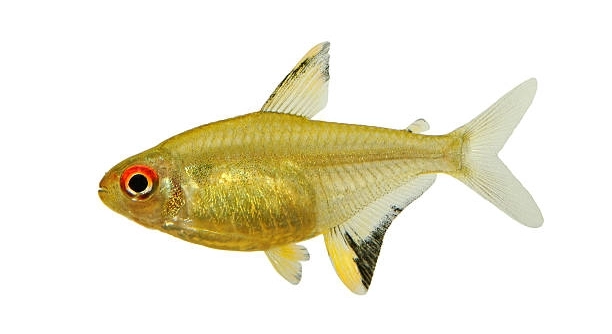
Keeping an arowana healthy and happy requires more than feeding it daily. Observing its behavior closely helps you understand its comfort level and overall well-being in your aquarium environment. Small signs can reveal big insights.
Arowanas display safety through calm swimming, regular feeding responses, exploring their tank freely, interacting gently with tankmates, resting openly near the surface, showing stable coloration, and avoiding erratic movements or hiding. These behaviors indicate a secure and stress-free environment.
Recognizing these behaviors early allows you to maintain a supportive habitat and ensure your arowana thrives over time in your care.
Calm and Steady Swimming
Watching your arowana move gracefully through the water is a clear sign it feels safe. A calm and steady swimming pattern shows the fish is comfortable with its surroundings and not experiencing stress. Rapid darting, frenzied movements, or staying in one corner usually indicate discomfort or fear. Arowanas that feel secure often glide smoothly, occasionally turning to inspect their tank or follow nearby movements. They use the full space of the aquarium, exploring both high and low areas, which signals confidence. This behavior also reflects a healthy respiratory rhythm, as stressed fish often breathe quickly near the surface. Providing a stable environment with consistent water parameters and minimal disturbances helps your arowana maintain this calm demeanor. Observing these movements regularly allows you to notice changes that might suggest stress or illness early. Maintaining clean water, proper temperature, and suitable tank size all contribute to consistent, confident swimming behavior and overall well-being.
Calm swimming indicates a secure and stress-free environment, showing that your arowana feels comfortable and confident in its habitat.
Tracking swimming patterns can help you identify early signs of stress or illness, letting you address issues before they escalate. Regular observation strengthens your understanding of your arowana’s behavior and preferences.
Regular Feeding Response
A consistent and eager response to feeding is a strong indicator of safety and comfort. When your arowana approaches food readily, it shows trust in the environment and confidence in your presence. Hesitation, hiding, or refusing food can point to stress or an unsettled tank.
Feeding routines reinforce a sense of security. Offering food at predictable times helps your arowana feel stable and reassured. A healthy appetite also reflects good water quality, correct temperature, and balanced nutrition. Over time, observing how the fish reacts to different types of food can help you tailor a diet that supports growth and vibrancy. Sometimes, subtle changes in eating habits can alert you to illness or tank problems, allowing you to intervene quickly. Consistent feeding responses combined with other safe behaviors create a clear picture of your arowana’s overall comfort and confidence in its surroundings. Careful monitoring strengthens your ability to maintain a stable, stress-free environment for long-term health and happiness.
Exploring the Tank Freely
Arowanas that swim around and investigate their surroundings show comfort and security. They do not stay hidden or confined to one area, which indicates trust in their environment and minimal stress.
Free exploration is a sign that your arowana feels confident and safe. When it moves freely, it inspects decorations, swims near the surface, and navigates corners without hesitation. This behavior shows the fish is adapting well to the tank and recognizes it as a safe space. Providing enough room, hiding spots, and a well-maintained tank encourages this natural behavior. Observing these explorations regularly can help you spot subtle changes in activity that might signal stress, illness, or discomfort. Maintaining stable water parameters and limiting sudden disturbances will support this behavior consistently. A confident arowana will approach both new objects and feeding times without fear, demonstrating comfort in its surroundings.
Consistent tank exploration not only reflects safety but also supports mental stimulation and overall health, keeping your arowana active and engaged.
Resting Openly Near the Surface
Arowanas resting in open areas or near the water surface display trust in their environment. They avoid hiding excessively, which shows they feel secure and unthreatened by potential dangers.
Resting openly is important for physical and mental health. Fish that hide constantly may experience stress, poor water conditions, or illness. Open resting allows the arowana to regulate energy efficiently while monitoring its environment. A tank with proper lighting, temperature, and minimal disturbances encourages relaxed resting behaviors. Observing where your arowana chooses to rest can indicate overall comfort levels and highlight areas of the tank that feel safe to the fish. Over time, patterns of open resting versus hiding reveal whether the environment consistently supports security. Ensuring the fish has both open spaces and gentle hiding spots gives options without causing fear or anxiety. This balance helps maintain consistent feeding, swimming, and social behaviors.
Encouraging open resting behavior strengthens your arowana’s confidence and provides a clear indicator of a stable, safe habitat.
Interaction with Tankmates
Arowanas that engage calmly with other fish show they feel safe. They do not display constant aggression or panic, which indicates comfort and trust in their environment.
Peaceful interactions reflect secure social behavior. When your arowana tolerates or acknowledges other tankmates without stress, it demonstrates confidence and stability in its surroundings.
Stable Coloration
Healthy, consistent coloration is a strong indicator of a safe and stress-free environment. Sudden fading or darkening often signals discomfort, poor water quality, or illness. Maintaining proper diet, clean water, and stable lighting helps preserve natural colors and overall well-being.
Avoiding Erratic Movements
Erratic or rapid movements usually indicate fear or stress. Arowanas that swim smoothly and predictably demonstrate confidence and security in their tank, reflecting a safe and stable habitat.
FAQ
How can I tell if my arowana is stressed?
Stressed arowanas often hide frequently, swim erratically, or refuse food. Other signs include faded coloration, clamped fins, and rapid breathing near the water surface. Monitoring daily behavior and observing subtle changes helps detect stress early. Stress often stems from poor water quality, overcrowding, or sudden environmental changes.
What water conditions help my arowana feel safe?
Stable water parameters are essential. A temperature between 75–82°F, pH around 6.5–7.5, and regular filtration keep the environment consistent. Sudden changes in temperature, pH, or water chemistry can trigger stress. Frequent water testing and partial water changes maintain safety and comfort.
Is tank size important for my arowana’s sense of security?
Yes. Arowanas are large, active fish that need ample space to swim freely. A tank under 250 gallons can restrict movement and create stress. Providing plenty of horizontal swimming space allows natural behaviors, exploration, and interaction with the environment.
How do hiding spots affect arowana safety?
Hiding spots give your arowana a retreat when feeling threatened. Even confident fish benefit from shaded areas or decor to feel secure. Lack of hiding spaces can increase stress and lead to erratic behavior, so a mix of open areas and secluded spots is ideal.
Can diet influence my arowana’s comfort level?
A proper diet supports health and calm behavior. Arowanas respond better to predictable feeding routines with high-quality pellets, live, or frozen foods. Sudden diet changes or inconsistent feeding schedules can cause hesitation or stress during mealtime. Observing feeding response helps gauge comfort.
Do arowanas interact with owners if they feel safe?
Yes. A confident arowana may approach the tank when you are nearby, follow movements, or show interest in feeding times. This behavior indicates trust in both the environment and your presence. Avoid sudden movements to maintain a sense of safety.
How important is tank maintenance for feeling secure?
Regular maintenance directly impacts comfort. Clean water, filtered circulation, and consistent lighting reduce stress and prevent illness. Neglecting maintenance can lead to unstable conditions, erratic swimming, or hiding behavior. A well-kept tank promotes confidence, exploration, and natural behaviors.
Why does my arowana sometimes stay near the surface?
Resting near the surface often shows confidence and relaxation, especially if other behaviors are calm. However, constant surface activity may indicate oxygen deficiency or water quality issues. Monitoring alongside other behaviors helps differentiate comfort from environmental problems.
Can other fish affect my arowana’s sense of safety?
Yes. Aggressive tankmates or overcrowding can trigger stress. Arowanas thrive with compatible species and enough space to avoid confrontation. Peaceful interactions suggest comfort, while chasing or hiding behaviors indicate insecurity. Proper tank management ensures harmony and a stable environment.
How long does it take for a new arowana to feel secure?
Adjustment periods vary by individual. Some fish adapt in a few weeks, while others take months. Consistent water conditions, feeding routines, and minimal disturbances accelerate trust and comfort. Observing behaviors like swimming freely, feeding eagerly, and resting openly indicates growing security.
What are signs that my arowana truly feels safe?
Signs include calm swimming, regular feeding, exploring the tank freely, interacting gently with tankmates, resting openly, stable coloration, and predictable movements. When these behaviors appear consistently, it indicates the fish is confident, relaxed, and secure in its habitat.
Can I encourage safe behaviors in my arowana?
Yes. Stable water conditions, adequate tank size, proper hiding spots, consistent feeding, compatible tankmates, and minimal disturbances all reinforce a sense of security. Observing and responding to the fish’s behavior supports natural habits and long-term well-being.
How often should I observe my arowana to assess comfort?
Daily observation is ideal. Short, regular checks help track swimming, feeding, and resting patterns. Noting small changes early allows timely adjustments in care, tank conditions, or diet, maintaining a safe and comfortable environment.
What should I avoid to keep my arowana feeling safe?
Avoid sudden temperature changes, overcrowding, aggressive tankmates, inconsistent feeding, and poor water quality. Minimizing disturbances, loud noises, or sudden movements near the tank helps the arowana remain calm and confident. A predictable environment reinforces a sense of safety.
Does lighting affect arowana comfort?
Yes. Proper lighting encourages natural behavior while preventing stress. Too bright or flickering lights may cause hiding or erratic swimming. Consistent light cycles mimic natural conditions and help the fish feel secure. Dimmed or shaded areas provide safe resting spots.
How can I tell if a behavior change indicates stress or just curiosity?
Context matters. Short-term exploration, slow swimming, or inspecting new objects usually reflects curiosity. Rapid, jerky movements, hiding, or refusing food point to stress. Comparing behaviors over time and in different situations helps distinguish comfort from anxiety.
Can temperature fluctuations cause long-term stress?
Yes. Frequent temperature swings disrupt metabolism and immune response, leading to erratic behavior, appetite loss, or illness. Maintaining a stable range ensures comfort, encourages natural behaviors, and supports long-term health and growth.
Is it normal for an arowana to sometimes hide even if it feels safe?
Yes. Occasional hiding is natural for rest or privacy. It does not necessarily indicate stress if other behaviors remain positive. A balanced tank with open swimming areas and sheltered spots provides choice and reinforces security.
How do I know if my arowana’s tankmates are suitable?
Safe tankmates swim calmly, do not chase the arowana, and tolerate its presence without causing stress. Observe interactions during feeding, exploration, and resting. Aggression, constant chasing, or hiding suggest incompatibility and a need for adjustments.
Can water quality alone make an arowana feel unsafe?
Yes. Poor water conditions, high ammonia, nitrite, or fluctuating pH can create stress. Even with good diet and tankmates, unstable water undermines comfort. Regular testing and maintenance are essential for a secure environment.
How does tank enrichment impact safety feelings?
Enrichment like plants, driftwood, or decor encourages exploration and mental stimulation. A variety of hiding spots and open areas supports natural behaviors. Without enrichment, arowanas may become bored, stressed, or display erratic movements. Proper setup fosters security and activity.
What signs indicate my arowana is fully comfortable in its environment?
A fully comfortable arowana swims calmly, eats consistently, rests openly, interacts gently with tankmates, displays stable coloration, explores freely, and avoids sudden, erratic movements. These behaviors together demonstrate confidence, trust, and a sense of safety.
How can I maintain these safe behaviors long-term?
Maintaining stable water parameters, proper tank size, hiding spots, compatible tankmates, consistent feeding, and minimal disturbances reinforces security. Observing daily behaviors and adjusting care when needed ensures ongoing comfort and supports the arowana’s natural habits.
Are there specific signs of long-term stress I should watch for?
Chronic hiding, loss of appetite, faded coloration, erratic swimming, or aggressive behavior toward tankmates are signs of long-term stress. Regular observation, water testing, and maintaining a predictable environment help prevent prolonged discomfort and ensure the fish remains healthy and secure.
How does feeding frequency affect security?
Consistent feeding schedules provide predictability and reassurance. Arowanas respond better to regular meal times, which reduce anxiety and encourage normal activity. Inconsistent feeding or abrupt diet changes can trigger hesitation, hiding, or stress-related behaviors.
Can handling or tank maintenance stress my arowana?
Yes. Sudden movements, tapping on glass, or aggressive cleaning can trigger fear. Gentle, slow maintenance and minimal direct handling help the fish feel safe while still ensuring a healthy environment. Observing behavior before and after maintenance allows adjustment of methods to reduce stress.
How do I balance safety and natural curiosity?
Provide both open swimming areas and hiding spots. Introduce new items gradually and maintain stable conditions. Encouraging exploration while ensuring the fish has options for retreat supports confidence and satisfies natural curiosity. Observation ensures balance between comfort and stimulation.
Is it normal for arowanas to show different behaviors at different times?
Yes. Activity varies with feeding, light cycles, and interaction. Calm swimming, resting, and exploration patterns can change daily, but consistent signs of comfort indicate security. Understanding these variations helps distinguish normal behavior from stress.
How long should I monitor a new arowana for behavior assessment?
Initial adjustment takes several weeks. Observing daily swimming, feeding, resting, and interactions helps establish a baseline for comfort. Gradual improvements in behavior indicate growing security, while persistent signs of stress require evaluation of tank conditions or diet.
Does tank decoration influence perceived safety?
Yes. Decorations provide landmarks and sheltered areas, supporting orientation and confidence. A mix of open spaces and hiding spots encourages natural exploration and reduces fear. Avoid cluttering the tank, as overcrowded spaces can restrict movement and trigger stress.
Can seasonal changes affect an arowana’s comfort?
Yes. Temperature fluctuations, daylight length, and seasonal feeding adjustments can influence behavior. Maintaining stable water parameters and consistent routines reduces seasonal stress and helps the fish feel secure year-round.
What role does water circulation play in safety?
Moderate water flow supports oxygenation and natural swimming without creating excessive current. Too strong or uneven circulation can stress the fish, while stagnant water reduces oxygen and encourages hiding. Proper flow balances comfort and health.
How do I know if my arowana trusts its environment?
Indicators of trust include calm swimming, consistent feeding, exploration, peaceful interaction with tankmates, open resting, stable coloration, and predictable movements. When these behaviors occur reliably, the fish recognizes the tank as a safe, supportive environment.
Are there subtle behaviors that show safety?
Yes. Gentle fin movements, slow approach toward tank edges, occasional surface gliding, and curiosity toward objects are subtle signs of confidence. These small behaviors reflect a relaxed and secure state that may be overlooked without close observation.
How can I encourage confidence in a shy arowana?
Maintain stable water, provide hiding spots, limit disturbances, feed consistently, and allow gradual exposure to the tank and tankmates. Patience and consistent care help build trust and encourage the fish to display safe, confident behaviors.
Can water temperature affect resting habits?
Yes. Cooler water can slow activity and encourage resting, while warmer temperatures increase movement. Sudden temperature shifts may trigger hiding or erratic swimming. Maintaining a consistent range supports predictable resting and comfort.
What is the best way to track behavior over time?
Keep notes on swimming patterns, feeding response, resting locations, interactions, and coloration. Regular observation and recording changes help identify stress or illness early, allowing timely adjustments to maintain a safe environment.
How important is consistency for long-term safety?
Consistency in feeding, tank maintenance, water parameters, and daily routines reinforces confidence. Predictable conditions reduce anxiety and support natural behaviors. Inconsistent care can lead to stress, hiding, or erratic behavior even in otherwise healthy fish.
Are certain times of day better for observing safety behaviors?
Morning and evening are ideal, as fish are most active during these periods. Observing during feeding or quiet periods helps identify natural behaviors, stress signs, and interaction with tankmates. Regular checks at these times provide reliable insights.
Can illness mimic unsafe behaviors?
Yes. Hiding, erratic swimming, color changes, or reduced appetite can result from stress or illness. Monitoring water quality, behavior, and physical health allows differentiation and ensures prompt care to restore safety and comfort.
Does tank size need to change as the arowana grows?
Yes. Larger fish require more space to swim freely and avoid stress. A tank that was adequate initially may become restrictive over time. Expanding tank size as the arowana grows supports natural behavior and long-term comfort.
How can I tell if changes in behavior are temporary or chronic?
Short-term adjustments may appear after feeding, maintenance, or minor environmental changes. Chronic behavior changes, like prolonged hiding, reduced appetite, or erratic movements, indicate ongoing stress or environmental issues requiring intervention.
What is the most reliable sign that my arowana feels safe overall?
Consistent calm swimming, regular feeding, exploration, gentle social interactions, resting openly, stable coloration, and predictable movement patterns together show the fish is comfortable, confident, and secure in its habitat.
Can I combine multiple strategies to improve safety?
Yes. Stable water, proper tank size, hiding spots, compatible tankmates, consistent feeding, and minimal disturbances all reinforce security. Combining strategies strengthens natural behaviors, reduces stress, and promotes long-term health and well-being.
How often should I review my arowana’s environment for safety?
Weekly checks of water quality, temperature, tank setup, and feeding routines help maintain comfort. Observing behavior alongside environmental reviews ensures ongoing security and early detection of potential problems.
Can I use behavior patterns to predict health issues?
Yes. Changes in swimming, feeding, resting, or interaction can signal illness before physical symptoms appear. Tracking patterns over time allows preventive care and ensures the fish remains secure and healthy.
How do I balance enrichment with safety?
Provide both open swimming space and decor for exploration. Gradually introduce new items and maintain consistent conditions. This balance encourages activity and curiosity while preserving a sense of security and confidence.
Are there common mistakes that reduce perceived safety?
Frequent water changes, overcrowding, aggressive tankmates, sudden temperature shifts, inconsistent feeding, and poor water quality can stress an arowana. Minimizing these factors helps maintain predictable, safe conditions.
How important is observation compared to water testing?
Both are essential. Water testing ensures physical conditions are stable, while observation identifies behavioral signs of stress or discomfort. Together, they provide a complete view of safety and well-being.
Can subtle environmental changes affect confidence?
Yes. Even minor adjustments like moving decorations, adding new plants, or changing light intensity can influence behavior. Introducing changes gradually minimizes stress and maintains a secure environment.
How can I tell if my arowana is enjoying its environment?
Smooth swimming, frequent exploration, calm interactions, consistent feeding, resting openly, and vibrant coloration all indicate comfort and confidence. These behaviors reflect a secure, well-maintained habitat that meets the fish’s physical and mental needs.
What is the easiest way to maintain a safe environment consistently?
Keep water stable, provide enough space, ensure hiding spots, feed reliably, choose compatible tankmates, and observe behavior regularly. Consistency in these areas promotes security, reduces stress, and encourages natural, confident behaviors over time.
How do I encourage shy or new arowanas to feel safe?
Provide a quiet, stable environment with hiding places and gradual exposure to the tank. Maintain regular feeding and monitor water quality closely. Patience and consistency help the fish develop trust and display natural, confident behaviors.
Can small behavioral signs indicate big changes in comfort?
Yes. Minor adjustments in swimming speed, fin movement, or resting location often reveal stress or relaxation before more obvious behaviors appear. Careful observation allows early interventions and maintains a sense of safety.
Is it normal for behaviors to change after maintenance?
Yes. Short-term hiding or hesitation may occur after cleaning or rearranging the tank. If behavior returns to normal quickly, the fish remains comfortable. Prolonged changes may indicate stress from environmental disruption or water parameter shifts.
How can I reinforce positive behaviors in my arowana?
Reward calm swimming, feeding response, exploration, and open resting with consistent care, stable water, and minimal disturbances. Gradual adjustments and attention to routine support confidence and maintain a safe, stress-free environment.
How do I identify early signs of discomfort?
Subtle hiding, slower swimming, reduced feeding, or minor fin clamping can indicate early stress. Tracking these behaviors daily allows you to adjust conditions before serious problems arise.
Can multiple arowanas feel safe together?
Yes, if tank size is sufficient, tankmates are compatible, and space allows free movement. Monitoring interactions ensures peaceful coexistence and supports security for all individuals in the aquarium.
Are there behaviors that indicate long-term happiness?
Calm swimming, curiosity, regular feeding, peaceful interaction, open resting, and bright coloration suggest long-term well-being. Consistency in these behaviors shows the fish feels safe, confident, and comfortable in its habitat.
How do I maintain safety as the fish ages?
Adjust tank size, maintain stable water conditions, monitor health, and continue consistent feeding. Aging fish may require gentler care, slower acclimation to changes, and extra attention to resting and nutrition.
Does noise or vibrations affect safety?
Yes. Loud sounds, tapping, or vibrations can trigger hiding or erratic swimming. Minimizing disturbances around the tank helps your arowana feel secure and maintain calm, predictable behaviors.
Can diet variety affect confidence?
Providing a mix of pellets, frozen, or live foods maintains interest, supports health, and encourages feeding behaviors. Predictable, nutritious diets reinforce comfort and confidence during meal times.
How do I know when adjustments are needed?
Behavioral changes like hiding, erratic swimming, color loss, or reduced appetite signal the need for adjustments. Regular monitoring ensures the tank environment remains safe and supportive.
Is it normal for a confident arowana to sometimes be cautious?
Yes. Temporary caution around new objects or tankmates is natural. If other behaviors remain positive, occasional hesitation does not indicate discomfort but reflects curiosity and awareness.
How often should water parameters be tested to maintain safety?
Weekly testing is recommended, with additional checks after changes or maintenance. Stable parameters reduce stress, encourage natural behaviors, and support long-term health.
What’s the best way to respond to sudden stress signs?
Check water quality, observe tankmates, ensure hiding spots are accessible, and minimize disturbances. Quick adjustments restore comfort and prevent escalation of stress-related behaviors.
How can I track long-term behavioral trends?
Keep a daily log of swimming patterns, feeding habits, resting locations, and interactions. Over weeks and months, trends reveal comfort levels, potential stressors, and effectiveness of environmental adjustments.
Do decorations need to change over time?
Occasionally refreshing decorations maintains mental stimulation and encourages exploration. Gradual changes preserve safety while preventing boredom, supporting confident and relaxed behaviors.
Can lighting cycles influence behavior patterns?
Yes. Consistent light and dark periods mimic natural rhythms, regulating activity, feeding, and resting. Abrupt lighting changes can trigger stress, while stable cycles enhance comfort and confidence.
What are subtle signs of a safe environment I should watch for?
Smooth fin movement, gentle swimming near tank edges, surface gliding, and curiosity toward new items indicate comfort. These small behaviors reflect a secure, confident state that is easy to overlook.
How do I prevent recurring stress after maintenance or feeding changes?
Introduce changes gradually, maintain stable water parameters, keep feeding routines consistent, and allow hiding spots. Observing reactions ensures adjustments support
Caring for an arowana involves more than feeding it and keeping the tank clean. Understanding how your fish behaves is a key part of ensuring it feels safe and secure. Calm swimming, open resting, exploring the tank, regular feeding responses, interacting gently with tankmates, stable coloration, and predictable movements are all important signs of comfort. Observing these behaviors over time helps you recognize whether the fish is truly relaxed in its environment or experiencing stress. By paying close attention to these patterns, you can make small adjustments that improve its overall well-being. This includes maintaining water quality, proper temperature, and sufficient space, as well as providing a mix of open swimming areas and hiding spots. Each of these elements contributes to a stable environment where your arowana can feel confident and secure.
Maintaining consistency in your care routine is another important factor in promoting safety and trust. Regular feeding schedules, stable water parameters, and careful tank maintenance all reinforce predictable conditions that reduce stress. Even small disturbances, such as sudden loud noises, tapping on the glass, or abrupt water changes, can cause unease in arowanas. By minimizing these disturbances and observing your fish carefully, you create a calm atmosphere where it can display natural behaviors without hesitation. Providing enrichment in the form of decorations, plants, or shaded areas encourages exploration while also allowing safe retreats. This balance between stimulation and security helps the arowana stay active, curious, and confident, all of which are key indicators of long-term health.
Ultimately, observing and responding to your arowana’s behaviors allows you to create a supportive and stable environment. Over time, you will learn to recognize subtle signs of comfort or stress, which helps you make informed decisions about diet, tankmates, and maintenance. Ensuring that the fish has enough space to swim, consistent feeding, and a peaceful habitat encourages confidence and natural activity. Arowanas that feel safe are more likely to engage in calm swimming, explore their surroundings, and interact gently with other fish, all while maintaining vibrant coloration and a steady appetite. By focusing on these behaviors and maintaining a predictable, well-balanced environment, you support both the physical and mental well-being of your arowana. This approach not only enhances the fish’s comfort but also strengthens the connection between your care and its long-term health, making your aquarium a place where your arowana can thrive safely and confidently.

Hello,
If you enjoy the content that we create, please consider saying a "Thank You!" by leaving a tip.
Every little bit helps us continue crafting quality advice that supports the health, happiness, and well-being of pets around the world, for pets of all shapes, sizes, and species.
We really appreciate the kindness and support that you show us!