
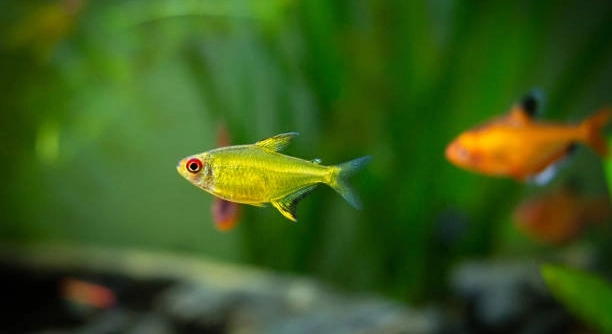
Have you ever wondered how your arowana reacts when you walk by the tank, noticing small shifts in its posture and movement that feel almost intentional as if the fish is aware of your presence.
Arowana cannot consciously recognize human observation, but they respond to visual cues, movement patterns, and subtle environmental changes. Their behavior reflects instinctive awareness rather than true understanding, creating the impression they react primarily to stimuli within surrounding conditions around them.
Exploring these subtle reactions helps reveal how your arowana interprets daily activity around its tank, offering insight into its world.
How Arowana Perceive Movement Around Their Tank
Arowana rely heavily on their sharp eyesight, so any movement near the tank catches their attention quickly. When you walk by, adjust something, or even change your posture, they notice slight shifts and often respond with calculated motions. Their natural instincts guide them to stay alert, and this alertness can look like awareness of you. Over time, they may begin linking your presence with feeding or safety, which can make their reactions feel more direct. Watching them react this way can make you feel connected to their daily behavior, especially when they start showing consistent patterns that seem tied to your routine.
Their sensitivity creates a dynamic where they follow shapes, shifts, and shadows with steady focus.
By understanding their responses, you can create a calmer space and help them settle into predictable patterns that make them feel secure.
Why Your Arowana Reacts Differently at Certain Times
Arowana respond strongly to consistency, so changes in lighting, movement, or noise can alter how they behave at different moments of the day.
Arowana may appear more reactive when they anticipate feeding or when the room becomes brighter or busier. These shifts can heighten their alertness and lead to quicker responses whenever they sense movement around them. Their instincts push them to watch for opportunities and potential threats, even in calm environments. When conditions stay predictable, they settle more easily and show smoother patterns. Offering a stable routine gives them reassurance and helps reduce sudden bursts of tension. With time, they form associations that shape how they move, watch, and explore, creating a steady rhythm that reflects both their instincts and their comfort within your care.
How Environment Shapes Arowana Awareness
Arowana respond quickly to changes around their tank, and even small adjustments in light or movement can shift their behavior. Their alert nature keeps them focused on patterns they recognize, helping them decide when to stay calm or when to pay closer attention to what happens near their space daily.
Their environment plays a major role in how they react throughout the day. Bright lights, sudden shadows, and shifting reflections can cause quick bursts of movement that seem intentional. When the room stays calm, they show smooth patterns that reflect comfort. Over time, they become familiar with your presence and begin responding in predictable ways that feel connected to your routine. These reactions do not show deep understanding, but they do reveal how sensitive they are to consistent signals. A stable setup encourages steady behavior and reduces unnecessary stress that may develop from constant changes around their tank each day.
Arowana show stronger awareness during moments when they expect regular activity, such as feeding or cleaning. Their instincts push them to focus on movements that signal opportunity or change. When you approach the tank, they often shift their posture slightly, preparing to react. These movements may seem like attempts to engage with you, but they reflect natural alertness rather than intentional communication. Keeping lighting and noise steady helps limit overstimulation and creates a pattern they can follow comfortably. As they adjust to their environment, their responses become clearer, allowing you to understand how their instincts shape daily interactions within their.
Behavioral Patterns You May Notice
Arowana behaviors shift with routine changes, making them highly responsive when something feels different around their tank. They become more attentive when they hear familiar sounds or sense repeated movements. These reactions build over time and shape how they respond to you each day. Maintaining predictable conditions helps them feel secure, reducing sudden responses that may develop when their surroundings shift too quickly, giving them a calmer rhythm that supports steady behavior every single day.
Understanding these patterns helps you support consistent behavior from your arowana. When the environment stays stable, they react with smoother movements that show reduced tension. Small changes, like adjusting the room’s brightness or shifting items near the tank, can influence how alert they become. Their natural instincts push them to study movement, so creating a space with gentle activity helps them stay calm. Over time, they begin recognizing your routine and respond in ways that reflect familiarity rather than stress. This awareness shapes their daily habits and allows you to see how sensitive they are to predictable cues. By keeping noise low, lighting steady, and activity controlled, you encourage balanced behavior that strengthens their comfort and supports a more relaxed atmosphere around the tank daily.
Subtle Signals You Might Miss
Arowana often react to soft movements that happen near their tank, even when those movements seem small. Their sharp eyesight catches shifting shadows and gentle motions, leading them to adjust their posture or glide slightly as they stay alert to their surroundings.
These small reactions can appear delicate, but they reveal how tuned in they are to activity around them. When the room stays steady, these shifts lessen, showing how much they rely on predictable patterns. Their reactions help you understand how sensitive they are to even quiet changes.
How Light Affects Their Reactions
Arowana respond strongly to changes in light, especially when bright spots, reflections, or sudden shadows appear across the tank. These changes influence how alert they become, making their movements feel more intense or deliberate. Keeping lighting soft and stable helps them settle into smoother patterns throughout the day and reduces overstimulation. With consistent brightness, their behavior becomes more predictable, allowing them to relax and respond with calm motions that show they feel secure in their environment.
Why Routine Helps Them Stay Steady
Arowana depend on familiar patterns to feel comfortable, so a steady daily routine supports calmer reactions. When feeding times, lighting, and movement stay consistent, they relax more easily and show smoother behaviors that reflect their comfort.
Can Arowana recognize individual people?
Arowana do not recognize humans the way pets like dogs or cats might. Their reactions are driven by movement, light, and routine rather than personal identity. Over time, they may respond more consistently to the same person simply because that person follows predictable actions, such as feeding or cleaning the tank. These behaviors create a sense of familiarity for the fish, but it is based on pattern recognition rather than understanding who the person is. This means they are more likely to notice and respond to anyone who moves near the tank in a way they associate with activity, regardless of who it is.
Do Arowana enjoy being watched?
Arowana do not experience enjoyment in the same sense humans do, but they are highly alert to changes in their surroundings. Watching them may trigger alertness or curiosity because movement catches their attention. They often swim closer to the glass or follow motion with their eyes, giving the impression of interaction. This behavior is instinctive and linked to their need to observe potential food sources or threats in their environment. While it may feel like they enjoy attention, it is simply their natural response to visual stimuli and not a conscious preference for human observation.
Why does my arowana follow my movements?
Following movements is a common behavior in arowana due to their keen eyesight and sensitivity to motion. When you move around the tank, they track shadows, light changes, and your hand or body movements. This behavior is linked to their predatory instincts and environmental awareness rather than an understanding of being watched. They are wired to notice patterns and react quickly, which can make it appear that they are intentionally interacting with you. Consistent routine or repeated actions, like feeding at the same time, reinforces this tracking behavior and creates a predictable response pattern.
How do I know if my arowana is stressed?
Stress in arowana can show in their movements, appetite, or posture. Rapid swimming, erratic motion, hiding, or refusing food are common signs of stress. Environmental changes such as sudden light shifts, loud noises, or tank rearrangements can trigger these behaviors. Maintaining a consistent routine, stable water parameters, and gentle handling helps reduce stress. Observing their daily behavior closely allows you to notice subtle changes and adjust care to keep them calm and comfortable.
Can I train my arowana to respond to me?
Arowana can learn to associate certain actions with predictable outcomes, such as feeding. They respond to cues like hand movements or tapping near the tank if consistently paired with food. However, this is not true training in the sense of understanding commands; it is associative learning based on repetition. They remember patterns and react to repeated signals, which may give the impression they are responding intentionally, but it remains instinctive behavior rather than conscious obedience.
Why does my arowana stare at me sometimes?
When arowana appear to stare, they are observing movement, shadows, or changes in their tank. This behavior is instinctive and linked to vigilance, not social interaction. Staring can happen when they sense something new or notice repeated patterns associated with feeding or other activity. Their keen eyesight allows them to monitor subtle changes, so what looks like a gaze is really careful observation. This behavior reflects their alertness and environmental awareness, helping them respond effectively to any potential opportunities or threats nearby.
Are arowana more active at certain times of day?
Yes, arowana have periods of higher activity, often aligned with feeding times or changes in light. Morning and evening can be particularly active because natural instincts make them more alert during these transitions. Consistent feeding schedules and stable lighting help regulate their activity, making their behavior more predictable. Observing these patterns can help you interact with them calmly and provide a steady environment that supports their natural rhythms.
Arowana are fascinating fish that react strongly to the environment around them. Their sharp eyesight and alert nature make them very aware of movement, light, and changes near their tank. Over time, they can start responding to regular routines, such as feeding or cleaning, in ways that seem intentional. While they do not understand humans or recognize individual people, they learn to associate repeated actions with outcomes. This is why an arowana may follow your movements or appear to watch you closely. Their behavior is mostly instinctive, driven by their need to notice potential food or threats, but it can feel personal when they respond to your presence. Observing them carefully helps you understand these natural reactions and adjust the environment to keep them comfortable.
Creating a stable and predictable space is very important for arowana. Sudden changes in light, shadows, or movement can make them more alert or even stressed. A steady routine helps them feel secure and encourages smoother, calmer behavior. Watching them respond to familiar patterns can give the impression they are interacting with you, but it is really about how they process visual cues and environmental signals. Feeding at consistent times, keeping the tank layout steady, and avoiding sudden disturbances can help them settle into predictable behavior. Over time, you can see clear patterns in how they swim, respond to light, and follow movements, which reflects their instincts rather than conscious thought. These patterns make caring for them easier and create a calmer environment that benefits both you and the fish.
Understanding arowana behavior requires patience and careful observation. Their reactions to light, movement, and routine give insight into their natural instincts, even if they do not recognize humans personally. By maintaining consistency and paying attention to small details, you can create a comfortable environment that minimizes stress and supports their natural behaviors. Their alertness and responsiveness may feel personal, but it is part of how they interact with their surroundings. Learning to interpret these signals allows you to provide proper care, keep them healthy, and enjoy watching them thrive. Over time, this awareness helps you understand the balance between instinctive behavior and environmental influence, giving you a deeper appreciation for these unique fish.

Hello,
If you enjoy the content that we create, please consider saying a "Thank You!" by leaving a tip.
Every little bit helps us continue crafting quality advice that supports the health, happiness, and well-being of pets around the world, for pets of all shapes, sizes, and species.
We really appreciate the kindness and support that you show us!