
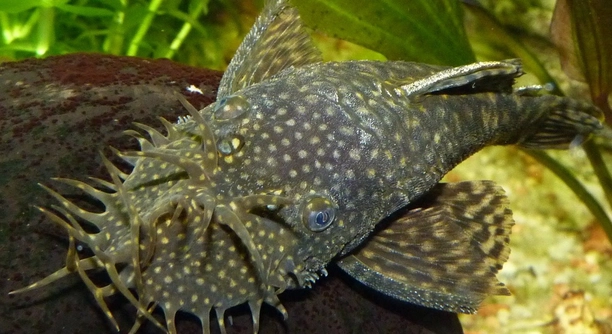
Are your plecos behaving differently than usual, leaving you puzzled about their actions in the tank? Many fish owners notice odd movements or behaviors that seem unusual but are often part of their natural instincts.
Plecos exhibit strange behaviors due to a combination of environmental factors, dietary needs, and social interactions. Variations in lighting, water quality, temperature, or tank mates can influence activity, feeding habits, and territorial behaviors, leading to observable anomalies.
Recognizing these situations helps you provide a healthier environment and better understand the unique traits of your pleco.
Hiding in Unusual Spots
Plecos are known for spending a lot of time hiding, but sometimes they choose spots that seem unusual. You might find your pleco tucked under a filter, inside decorations, or even clinging to the glass in a corner. These behaviors are often linked to stress, a new environment, or simply seeking safety. Changing tank conditions, such as water temperature or new tank mates, can trigger this hiding response. Plecos are nocturnal by nature, so their hiding tendencies may increase during the day when they feel exposed. It is important to observe whether your pleco returns to normal activity at night. Frequent hiding may also indicate discomfort or illness, so monitoring water parameters and the fish’s overall health is essential. Providing ample hiding spots with caves, driftwood, or plants can reduce stress and encourage natural behavior. Recognizing these patterns helps you ensure your pleco feels secure.
Hiding is typically a sign of safety-seeking or stress management, which can be addressed with proper tank adjustments.
Offering multiple hiding areas and keeping water stable encourages comfort and reduces the frequency of unusual hiding behaviors.
Surface Gulping or Air Breathing
Plecos occasionally gulp air at the water surface, which can be alarming.
This behavior is usually caused by low oxygen levels in the tank. Plecos have the ability to supplement oxygen by taking in air from the surface when dissolved oxygen is insufficient. It is more common in crowded tanks, warm water, or if the filtration system is weak. Observing how often your pleco gulps air can help you determine if environmental adjustments are necessary. Ensure proper aeration with an air stone or improved water flow. Maintaining clean water and avoiding overfeeding reduces waste buildup, which can deplete oxygen. While occasional air breathing is normal, frequent surfacing indicates stress. Regular water testing and tank maintenance are key to preventing oxygen-related issues. Proper temperature and adequate plants or decorations can improve oxygen distribution and make the environment more comfortable for your pleco.
Monitoring surface activity, improving aeration, and maintaining consistent water quality are essential to keep plecos healthy and reduce stress behaviors.
Unusual Scraping or Rubbing
Plecos sometimes scrape or rub themselves against surfaces more than usual. This behavior often signals irritation from parasites, poor water quality, or rough decorations.
Rubbing against rocks or tank walls can indicate that the pleco is experiencing discomfort from skin issues or internal parasites. Poor water quality, such as elevated ammonia or nitrite levels, can also cause stress and lead to increased scraping. It is important to test water parameters regularly and perform partial water changes to maintain a clean environment. Soft decorations or smooth surfaces help prevent injury. Observing the frequency and intensity of rubbing provides clues to your pleco’s health and whether corrective measures are needed.
Providing gentle surfaces, monitoring water quality, and treating parasites if necessary can reduce excessive scraping. Adjustments to diet and regular observation also help your pleco maintain normal behavior.
Sudden Loss of Appetite
A sudden loss of appetite in plecos can be caused by stress, illness, or changes in the tank environment.
Plecos may refuse food if water temperature fluctuates, if the tank has been recently rearranged, or if new tank mates create tension. Illnesses such as bacterial infections or digestive problems can also lead to reduced feeding. Observing other behaviors, such as lethargy, unusual hiding, or color changes, helps identify the underlying cause. Providing a balanced diet, maintaining stable water conditions, and isolating sick fish can encourage recovery. Regularly rotating food options, including vegetables and algae wafers, ensures nutritional needs are met. Maintaining a calm environment reduces stress and promotes consistent feeding habits.
Addressing environmental changes promptly and monitoring health indicators ensures your pleco returns to normal eating patterns efficiently.
Erratic Swimming Patterns
Erratic swimming, such as darting or spinning, can indicate stress, poor water quality, or illness in plecos.
Changes in behavior may also occur if tank mates are aggressive or if the pleco is adjusting to a new environment. Observing these patterns helps identify potential issues early.
Staying Near the Filter
Plecos often stay close to the filter, which may provide stronger water flow or higher oxygen levels. This behavior can also indicate the fish is seeking a more comfortable or secure area in the tank.
Color Changes
Sudden or unusual color changes in plecos can signal stress, illness, or dietary deficiencies. Observing patterns and water conditions helps determine the cause and ensures proper care.
Why is my pleco hiding all the time?
Hiding is a natural behavior for plecos, especially during daylight hours since they are mostly nocturnal. Constant hiding can indicate stress, changes in water parameters, or the presence of aggressive tank mates. Make sure your tank has enough hiding spots such as caves, driftwood, or plants. Regular water changes and stable conditions also reduce stress and encourage your pleco to explore more of the tank. Observing your pleco at night can help determine whether it is simply resting or reacting to discomfort.
Why does my pleco scrape against surfaces?
Scraping or rubbing against surfaces is often a response to skin irritation caused by parasites, rough decorations, or poor water quality. Test water parameters regularly to ensure ammonia, nitrite, and nitrate levels are safe. Smooth decorations and driftwood reduce the risk of injury. If parasites are suspected, treatment with an appropriate aquarium-safe medication can help. Maintaining clean water and providing a balanced diet can prevent recurring irritation and promote overall health.
Why is my pleco gulping air at the surface?
Plecos have the ability to breathe air when dissolved oxygen levels in the water are low. This behavior is common in warm or crowded tanks with weak filtration. Improve water circulation with an air stone or better filtration, and monitor oxygen levels during hot weather. Occasional air gulping is normal, but frequent surfacing indicates the tank needs attention. Stable temperature, clean water, and proper aeration help keep plecos comfortable and reduce the need for supplemental air breathing.
Why is my pleco not eating?
Loss of appetite can result from stress, illness, or sudden changes in the tank environment. Check water quality, temperature, and tank mates for signs of stress. Illnesses such as bacterial infections or digestive issues may also affect feeding. Offering a variety of foods, including algae wafers and fresh vegetables, encourages eating. Maintaining calm surroundings, consistent feeding schedules, and proper nutrition ensures your pleco regains interest in food. Observing other behaviors like lethargy or hiding helps pinpoint the cause.
Why is my pleco changing color?
Color changes can indicate stress, illness, or dietary deficiencies. Monitor water parameters closely, as fluctuations in pH, temperature, or ammonia can trigger these changes. A balanced diet with vegetables and occasional protein supplements supports healthy pigmentation. Minor color changes are sometimes natural as plecos mature, but rapid or extreme changes require immediate attention. Observing other signs like lethargy, unusual hiding, or erratic swimming helps determine if the cause is environmental or health-related.
Why does my pleco swim erratically?
Erratic swimming, such as darting, spinning, or floating, can indicate stress, illness, or poor water conditions. Aggressive tank mates or sudden changes in the environment may also trigger this behavior. Regular testing and maintenance of water parameters help prevent problems. Providing hiding spots, stable temperature, and proper nutrition reduces stress and encourages normal swimming patterns. If erratic behavior persists, consider consulting a veterinarian specializing in fish health to rule out infections or internal issues.
Why does my pleco stay near the filter?
Plecos may stay close to the filter because it provides higher water flow or better oxygenation. This can also be a sign the fish is seeking security or comfort in that area of the tank. Ensure the filter does not create excessive currents that tire the pleco. Adjusting tank layout and providing additional calm areas may encourage your pleco to explore more. Observing whether it returns to normal behavior at different times of the day helps determine if this is typical or stress-related.
How can I reduce strange behaviors in my pleco?
Maintaining stable water conditions, proper nutrition, and a well-structured tank reduces stress and prevents unusual behaviors. Ensure adequate hiding spots, clean water, and a balanced diet including vegetables and algae wafers. Monitor for signs of illness, aggression, or environmental changes. Regular observation allows you to detect early issues and make timely adjustments. Providing a calm, well-maintained environment encourages natural activity, reduces erratic swimming, minimizes air gulping, and supports healthy eating habits. Consistency and proper care are key to keeping your pleco comfortable and healthy.
Are certain pleco species more prone to strange behaviors?
Yes, some species display more noticeable or frequent unusual behaviors than others. For example, larger species may hide more due to stress in smaller tanks, while more active species may dart around or explore constantly. Understanding the natural tendencies of your pleco species helps predict and interpret behaviors. Providing appropriate tank size, suitable companions, and an environment that mimics their natural habitat reduces stress and prevents exaggerated responses. Observing species-specific traits ensures you meet their physical and behavioral needs effectively.
What should I do if my pleco’s behavior suddenly changes?
Sudden behavioral changes often indicate stress, illness, or environmental problems. Check water parameters immediately, look for signs of aggression from tank mates, and assess temperature stability. Adjust the tank layout if needed and monitor feeding and activity levels. Rapid intervention, including isolating the pleco if necessary, helps prevent worsening health issues. Keeping a log of behavioral changes and tank conditions can reveal patterns and support better long-term care. Early attention ensures your pleco remains healthy and reduces the likelihood of recurring strange behaviors.
How can I tell if strange behavior is normal or a warning sign?
Normal behavior varies with species, age, and environment. Occasional hiding, surface air gulping, or mild color changes can be typical. Warning signs include persistent lethargy, frequent scraping, erratic swimming, or refusal to eat. Regular observation, stable tank conditions, and awareness of species-specific behavior help distinguish between normal and problematic activity. Quick action when warning signs appear prevents health issues and ensures your pleco continues to thrive.
How often should I monitor my pleco’s behavior?
Daily observation is ideal to detect early signs of stress or illness. Track feeding, swimming patterns, hiding tendencies, and interaction with tank mates. Noting small changes helps identify environmental or health issues before they become serious. Consistent monitoring allows timely intervention and keeps your pleco healthy. Maintaining a log of behaviors and water parameters makes it easier to spot trends and address unusual activity efficiently.
Can diet affect pleco behavior?
Yes, diet plays a major role in behavior. A lack of nutrients can cause lethargy, unusual hiding, or aggression. Feeding a balanced mix of algae wafers, vegetables, and occasional protein ensures proper growth and activity levels. Inconsistent feeding schedules or poor-quality food can trigger stress and strange behaviors. Observing appetite, growth, and activity after dietary adjustments helps confirm whether nutrition is the cause. Proper diet directly supports both physical health and normal behavioral patterns.
How does tank size influence strange behaviors?
A small or overcrowded tank can increase stress, causing hiding, erratic swimming, or surface gulping. Plecos need enough space to move and establish territories. Proper tank size, compatible tank mates, and sufficient hiding spots reduce stress-related behaviors. Regular water maintenance and environmental enrichment encourage natural activity, reducing the likelihood of abnormal or aggressive actions. Observing how plecos respond to tank conditions helps determine whether space limitations contribute to unusual behavior.
What role does lighting play in pleco behavior?
Lighting affects activity patterns because plecos are nocturnal. Bright lighting can cause excessive hiding, stress, or irregular movement. Providing subdued lighting during the day and darker areas for resting supports natural behavior. A well-balanced light cycle encourages feeding and exploration while preventing unusual or erratic actions. Adjusting light intensity and duration helps maintain normal circadian rhythms and reduces stress-induced behavior changes.
How can I safely handle behavioral issues without stressing my pleco?
Addressing behavioral issues gently is essential. Avoid chasing or grabbing the fish, and make gradual changes to water conditions or tank layout. Isolate only when necessary, using clean equipment and minimal disturbance. Regular observation, consistent feeding, and stable environmental conditions reduce stress and encourage natural recovery. Patience and careful monitoring ensure behavioral adjustments do not compromise health or comfort. Minimizing sudden changes prevents further stress and promotes normal activity in your pleco.
How long does it take for strange behavior to normalize?
The timeframe varies depending on the cause. Environmental adjustments can show results within days, while illness or nutritional deficiencies may require weeks of treatment. Consistent monitoring, proper care, and patience are essential for your pleco to return to normal behavior. Tracking progress ensures timely intervention if problems persist.
Observing your pleco’s behavior can sometimes feel confusing, especially when it acts in ways that seem unusual or unpredictable. These behaviors, such as hiding in odd places, rubbing against surfaces, or gulping air at the surface, often have clear explanations rooted in the fish’s natural instincts, environmental conditions, or health. Plecos are nocturnal creatures, which means many of their activities are most visible at night, while daytime may reveal periods of hiding or rest. Understanding these patterns is key to interpreting their actions correctly and ensuring they are comfortable in their tank. Environmental factors like water quality, temperature, and tank layout have a direct impact on behavior, making regular monitoring and maintenance essential. Observing your pleco consistently allows you to notice subtle changes early, which helps prevent stress or illness from escalating.
Maintaining proper care is a combination of providing a safe and suitable environment, offering a balanced diet, and addressing any health concerns promptly. Plecos need enough space to swim, adequate hiding spots to feel secure, and access to food that meets their nutritional needs. Poor water conditions or crowded tanks can trigger stress, which often manifests in unusual behaviors such as erratic swimming, refusing food, or clinging near the filter. Small adjustments, like adding driftwood, adjusting water flow, or testing and balancing water parameters, can make a significant difference in behavior and overall well-being. Health issues, such as parasites or digestive problems, may also lead to visible changes in movement, color, or appetite. Early intervention, careful observation, and timely treatment help your pleco recover and return to normal behavior, reducing long-term stress or complications.
By paying attention to the different ways plecos express themselves, you can create a more comfortable and stable environment for them. Understanding the reasons behind unusual behavior allows you to make thoughtful adjustments and ensure the fish’s needs are consistently met. Stable water parameters, appropriate lighting, and a well-structured tank with multiple hiding areas contribute to both physical health and natural behavior. Recognizing the role of diet and nutrition further supports overall activity levels and appearance. Patience and consistent care are important, as behavioral changes do not always resolve immediately. Observing patterns over time gives insight into what is normal for your pleco and what requires attention. Providing a balanced environment, monitoring behavior, and making small but meaningful adjustments help maintain a healthy, active, and comfortable pleco in your aquarium.

Hello,
If you enjoy the content that we create, please consider saying a "Thank You!" by leaving a tip.
Every little bit helps us continue crafting quality advice that supports the health, happiness, and well-being of pets around the world, for pets of all shapes, sizes, and species.
We really appreciate the kindness and support that you show us!