
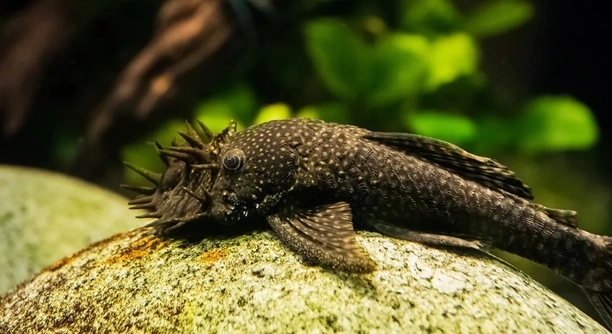
Bristlenose plecos are popular freshwater fish known for their peaceful nature and algae-eating habits. Many aquarists enjoy keeping them because they are hardy and adapt well to various aquarium setups and water conditions.
Bristlenose plecos generally tolerate group living, especially when provided with sufficient space, hiding spots, and resources. Overcrowding or limited territory can lead to stress and aggression, but under proper conditions, multiple plecos can coexist with minimal conflict in a shared environment.
Understanding how plecos interact socially will help you maintain a balanced and peaceful aquarium while promoting their health and natural behaviors.
Understanding Pleco Social Behavior
Bristlenose plecos are naturally territorial but not overly aggressive. In the wild, they often live in groups but maintain separate hiding spots and feeding areas. Observing them in a home aquarium, I noticed that they establish their own spaces along driftwood, rocks, and plants. Dominance disputes are usually brief if there are enough shelters for everyone. Providing caves or PVC pipes allows each pleco to claim a spot without confrontation. When I added extra hiding spots, tensions decreased noticeably, and the fish were calmer during feeding times. Group sizes of three to five plecos seem manageable in a medium-sized tank, though each aquarium has its own dynamics. Monitoring their behavior daily helps catch early signs of stress. Diet also plays a role; plecos that are well-fed tend to focus less on competing for food. Consistent water parameters contribute to their comfort and social stability in the tank.
A balanced tank layout with multiple hiding spots helps prevent stress and promotes peaceful group interactions.
When housing multiple plecos, spacing is critical. Even in a 40-gallon tank, conflicts can arise if territories overlap. Adding driftwood, rocks, and plants creates distinct areas that each pleco can claim. I noticed that feeding them at opposite ends of the tank reduced competition. Plecos are nocturnal, so they become more active at night, often exploring and grazing separately. Group living works best when their individual spaces are respected and when food is abundant. Watching them, I realized that the smallest pleco often stays hidden during the day but confidently explores at night, highlighting the importance of observing different activity periods. Proper maintenance, such as weekly water changes and monitoring water quality, ensures the environment remains healthy. By keeping stress low and providing adequate resources, plecos coexist more peacefully. Their group behavior is manageable if their natural tendencies are considered, making them easier to care for in shared tanks.
Feeding and Territory Management
Feeding multiple plecos at the same time helps reduce competition and aggression.
It is important to provide enough algae wafers, fresh vegetables, and driftwood for all the plecos in the tank. Observing their feeding patterns can reveal if any individual is being pushed away or stressed. When I added extra feeding spots and rotated the food placement, all the plecos were able to eat comfortably without chasing each other. A varied diet helps keep them healthy and encourages natural foraging behavior, reducing boredom. Monitoring their growth and health ensures no pleco is neglected. Alongside feeding, maintaining clean water and removing uneaten food prevents territorial disputes from escalating. When tanks are too small, even minor competition can create stress, so adjusting the number of plecos according to tank size is essential.
Providing proper resources, observing behavior, and ensuring enough space allows plecos to live in harmony. A tank designed with multiple hiding spots, sufficient driftwood, and plenty of food encourages natural behaviors. During my experience, when one pleco tried to dominate a new hiding spot, the others adjusted their territories without fighting, showing their flexibility. Rotating decorations occasionally prevents long-term territorial disputes and keeps their environment stimulating. Observing them at night offers insight into how they share the space when not disturbed. Group living works best when the tank replicates their natural environment as closely as possible, with adequate shelter, consistent water conditions, and a diet that meets their needs. Following these guidelines reduces stress, promotes healthy growth, and encourages peaceful interactions, making group living feasible for bristlenose plecos in a home aquarium.
Tank Size and Environment
A larger tank reduces stress and allows plecos to establish personal territories. Multiple hiding spots, driftwood, and plants are essential to prevent overlap and minimize aggressive interactions. Spacing directly affects how peacefully they coexist.
In my experience, a 40-gallon tank comfortably houses three to five bristlenose plecos without constant conflict. Each fish claimed its own cave or piece of driftwood as a resting spot. Adding more plants and driftwood helped diffuse tension during feeding, giving shy plecos confidence to explore. Water quality also plays a role; clean, stable conditions keep them calm. I noticed that when the tank was crowded, even minor disputes over food or space escalated quickly. Proper layout ensures both activity and hiding zones, mimicking natural conditions and allowing group living without stress. Observing their behavior daily makes adjusting the environment easier.
Water parameters influence comfort and behavior significantly. Stable temperature, pH, and cleanliness are crucial. When I monitored water closely, aggression decreased. Plecos became more active, feeding without stress, and territorial disputes were minimal. Driftwood and plants gave each fish personal space, making group living manageable. Regular maintenance prevents environmental stressors that can trigger conflict, keeping all plecos healthy and balanced.
Observing Group Dynamics
Plecos often display a hierarchy, with dominant individuals occupying preferred spots while others adapt to secondary areas. Watching their interactions helps manage the tank effectively.
During my experience, observing group dynamics revealed subtle behaviors, like tail flicks and grazing patterns, which indicate comfort levels. Dominant plecos often chose central caves, while others used peripheral hiding spots, showing natural social structure. Feeding at different areas reduced competition, and rotating decorations prevented fixed territorial disputes. I noticed that plecos adjusted without fighting, highlighting their flexibility and adaptability. Nighttime behavior also differs, with shy plecos becoming more active and exploring freely. Paying attention to these patterns allows better tank management and ensures peaceful group living over time.
Hiding Spots and Shelter
Providing multiple hiding spots reduces stress and aggression among plecos. Caves, driftwood, and dense plants allow each fish to claim a territory and retreat when needed. Personal space is key for peaceful group living.
I found that using PVC pipes and small rock caves made a noticeable difference. Shy plecos felt secure, and dominant fish were less likely to chase others. Rotating hiding spots occasionally kept the environment stimulating and prevented long-term disputes over preferred areas. This simple adjustment improved their overall behavior and comfort.
Feeding Strategies
Feeding plecos at multiple locations prevents competition and ensures all fish get enough food. Spreading algae wafers and vegetables reduces stress and encourages natural foraging behavior.
Observing Behavior Patterns
Watching plecos during different times of the day helps understand social interactions. Nocturnal activity often reveals more confident behaviors and movement patterns.
Cleaning and Maintenance
Regular cleaning and water changes prevent stress and maintain a stable environment. Consistent tank conditions support healthy social interactions and reduce conflicts.
FAQ
Do bristlenose plecos prefer living alone or in groups?
Bristlenose plecos can live alone or in groups, depending on the tank setup and available space. I’ve kept them both ways, and group living works well when there are enough hiding spots and ample space. Alone, a pleco can feel secure, but multiple plecos thrive when their territories are respected.
How many bristlenose plecos can I keep together?
The number depends on tank size and layout. In a 40-gallon tank, three to five plecos usually coexist without constant conflict. Larger tanks allow for more, but overcrowding increases stress and aggressive behavior. Personal observation is key; adding one fish at a time helps gauge compatibility.
What kind of hiding spots do plecos need?
Plecos enjoy caves, driftwood, dense plants, and PVC pipes. I’ve noticed shy plecos often retreat to pipes during the day while dominant plecos occupy larger caves. Rotating or adding new shelters keeps territorial disputes minimal and encourages natural exploration.
Will plecos fight over food?
Competition can occur, especially if food is limited. I found spreading algae wafers and fresh vegetables to multiple areas reduces conflict. Feeding at opposite ends of the tank gives shy plecos a chance to eat without being chased. Balanced nutrition also keeps them focused on grazing rather than guarding food.
Do plecos show social hierarchy?
Yes, bristlenose plecos display subtle hierarchies. Dominant individuals usually claim prime hiding spots, while others adapt to peripheral areas. I observed that conflicts are brief and rarely escalate if the tank has enough hiding spots and space. Understanding this hierarchy helps manage group dynamics effectively.
How do tank size and layout affect group living?
Tank size is crucial. A larger tank allows plecos to spread out and establish territories. Adding driftwood, rocks, and plants creates separate zones, reducing stress and aggression. I noticed smaller tanks led to more frequent disputes, while well-decorated tanks kept the group calm and active.
Are plecos active during the day or night?
Bristlenose plecos are mostly nocturnal, becoming more active at night. I often see shy plecos exploring and grazing after lights are off. Daytime activity is usually limited to resting or minor movements. Observing both periods helps manage feeding and tank layout.
Can plecos tolerate other fish in the tank?
Yes, they coexist well with peaceful tank mates like tetras, rasboras, and corydoras. Aggressive or large fish can stress plecos. I always monitor interactions when introducing new fish to ensure group harmony. Plecos tend to stay hidden if threatened, highlighting the importance of compatible tank mates.
How do I prevent stress in group tanks?
Providing ample space, multiple hiding spots, proper diet, and clean water is essential. I noticed that when these elements are in place, plecos are calmer and less likely to fight. Regular observation and minor adjustments, like adding a new cave, can further reduce tension.
Do plecos reproduce in group tanks?
Yes, if the environment is suitable. Caves or PVC pipes act as breeding sites. I’ve seen males guard eggs while females retreat nearby. Maintaining stable water parameters and a nutritious diet supports breeding behavior without causing stress among the group.
What water conditions are ideal for group-living plecos?
Stable temperature between 74–80°F, pH around 6.5–7.5, and clean water are important. I noticed that fluctuations or poor water quality increase stress and aggression. Regular water changes and careful monitoring ensure a healthy environment for multiple plecos.
How do I introduce new plecos to an existing group?
Acclimate them slowly and provide extra hiding spots. I always observe interactions closely during the first few days. Gradually, the new pleco finds its own territory, and existing fish adjust without prolonged conflict. Patience and careful tank management make integration smoother.
Can plecos live peacefully in community tanks long-term?
Yes, with proper space, hiding spots, feeding routines, and compatible tank mates. I’ve maintained mixed tanks for years with minimal conflict. Understanding their social needs and observing behavior ensures a stable, peaceful environment where all plecos can thrive.
What signs indicate stress or aggression?
Signs include chasing, fin nipping, hiding excessively, or refusing food. I noticed that stress often appears before aggression escalates. Addressing space, shelters, or water quality immediately prevents prolonged conflict. Proper observation is key to maintaining harmony in group settings.
How often should I monitor a group tank?
Daily observation is best. I check behavior, feeding patterns, and water parameters regularly. Minor adjustments, like rearranging hiding spots or rotating food locations, can make a big difference. Consistent care ensures plecos remain healthy, active, and peaceful in groups.
Do plecos have favorite hiding spots?
Yes, each pleco tends to prefer a specific cave or driftwood area. I noticed that dominant fish claim the largest or most central spots, while others adapt to less desirable areas. Rotating decorations occasionally prevents long-term disputes and keeps the environment stimulating.
How important is diet for group harmony?
Very important. Adequate nutrition reduces competition and stress. I make sure to provide a mix of algae wafers, fresh vegetables, and occasional protein sources. When all plecos are well-fed, aggression decreases, and shy individuals feel secure enough to forage without fear.
Can bristlenose plecos adapt to changes in group size?
Yes, but gradual adjustments work best. Adding or removing plecos slowly allows existing fish to establish or reestablish territories. I’ve found that abrupt changes can cause temporary stress, so monitoring behavior closely is essential to ensure a smooth transition.
How do I balance hiding spots and swimming space?
Both are needed. I provide caves and driftwood while leaving open areas for swimming. I noticed plecos use open space for grazing at night and retreats during the day. Balancing both elements keeps the tank active yet peaceful.
Are plecos compatible with planted tanks?
Yes, they enjoy grazing on algae in planted tanks. I noticed plants offer extra shelter and contribute to territorial separation. Driftwood combined with plants creates a natural feel, supporting both social interaction and hiding behaviors.
What are the long-term benefits of proper group management?
Proper group management reduces stress, aggression, and illness. I’ve observed that plecos thrive, grow steadily, and show natural behaviors. Careful attention to diet, space, and water quality ensures they coexist peacefully for years, making tank maintenance more manageable and enjoyable.
Final Thoughts
Bristlenose plecos are resilient, adaptable fish that can thrive in both solitary and group settings. Their social behavior depends largely on the environment and tank setup. In my experience, providing adequate space, hiding spots, and food is key to keeping multiple plecos peaceful. I’ve observed that when each fish has its own territory, conflicts are rare, and they interact in subtle ways that reflect their natural instincts. Plecos may seem quiet or inactive during the day, but they become more active at night, exploring their surroundings and grazing on algae. Understanding these patterns helps create a balanced environment where all plecos coexist comfortably. It is important to observe behavior regularly, as small changes in activity, feeding, or interaction can indicate stress or discomfort. A tank that mirrors their natural habitat, with driftwood, plants, and multiple shelters, supports both individual comfort and social harmony.
Group living is manageable if the tank is thoughtfully arranged. I have noticed that shy plecos benefit from smaller caves or pipes where they can retreat without being disturbed. Dominant plecos often claim larger or more central hiding spots, but they rarely engage in prolonged fights if there is enough space for everyone. Feeding practices also play a major role in maintaining peace. Spreading food across multiple locations ensures that no pleco feels excluded or threatened. Offering a variety of foods, including algae wafers, vegetables, and occasional protein sources, keeps all fish healthy and reduces competition. Water quality is another critical factor. Maintaining stable temperature, pH, and cleanliness helps prevent stress-related aggression. Even minor fluctuations can affect behavior, making regular monitoring essential. Group dynamics can shift over time, so adding new plecos or changing decorations should be done gradually. Observing interactions closely during these changes helps ensure that all fish adjust comfortably.
The benefits of properly managed group living extend beyond reducing aggression. Plecos that are secure and well-fed display more natural behaviors, including grazing, exploring, and establishing territories. They adapt to each other’s presence, learning to coexist with minimal conflict. I’ve seen that when a tank is carefully designed to meet their needs, plecos grow steadily, remain healthy, and show active behaviors that reflect their natural instincts. Rotating decorations and adding new shelters periodically prevents long-term territorial disputes and keeps the environment stimulating. Overall, group living is a practical and rewarding option for bristlenose plecos, as long as their social and environmental needs are met. Careful attention to tank layout, feeding, and water quality ensures that these fish can thrive together in a peaceful, balanced aquarium.

Hello,
If you enjoy the content that we create, please consider saying a "Thank You!" by leaving a tip.
Every little bit helps us continue crafting quality advice that supports the health, happiness, and well-being of pets around the world, for pets of all shapes, sizes, and species.
We really appreciate the kindness and support that you show us!