
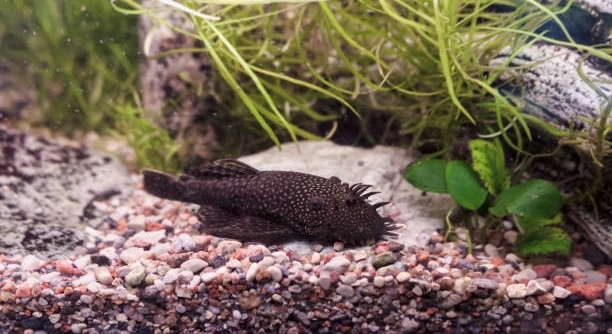
Are your plecos showing signs of stress, or is your tank starting to feel crowded? Maintaining the right balance in an aquarium is essential to keep your fish healthy and your tank environment stable for everyone.
Overloading a pleco tank occurs when the number or size of fish exceeds the system’s capacity, resulting in water quality deterioration, increased waste accumulation, oxygen depletion, and stress-induced behavioral changes that negatively affect the health and growth of the inhabitants.
Recognizing these signals early can prevent serious health issues and ensure a thriving, well-maintained aquatic environment for your plecos.
Uneaten Food and Increased Waste
If you notice leftover food lingering in the tank more than usual, it could be a sign your pleco tank is overloaded. Excess fish produce more waste than the filtration system can handle. Over time, this leads to cloudy water, ammonia spikes, and poor water quality. Uneaten food contributes to bacteria growth and algae blooms, further stressing your fish. Observing the tank daily can help identify when feeding amounts are too high. Reducing portions or feeding less frequently may improve conditions. A clean tank supports healthy plecos and prevents future problems.
Excess waste not only affects water quality but also makes maintenance more challenging and time-consuming for the aquarist.
Regular siphoning and monitoring water parameters are essential. Frequent testing for ammonia, nitrites, and nitrates helps maintain balance. Adjusting feeding schedules and ensuring the filtration system matches the tank’s capacity prevents overcrowding effects. Over time, even small improvements create a stable, healthy environment that plecos thrive in.
Aggressive Behavior and Territorial Conflicts
Overcrowded tanks often lead to fights and increased aggression. Plecos may compete for hiding spots, food, or territory.
Aggression can damage fins, stress the fish, and reduce overall health. Observation is key to prevent serious injuries.
Plecos are territorial by nature. When too many are placed in a tank that is too small, conflicts increase. Hiding places, caves, and driftwood become points of contention. Stressed plecos may show signs like chasing, nipping, or retreating excessively. Providing more space or separating aggressive individuals can restore calm. Consistent water quality and monitoring are essential to reduce tension. Adjusting stocking levels ensures that each pleco has enough space and resources, creating a balanced, harmonious environment. Proper tank management reduces aggression and keeps plecos healthy, allowing them to grow and display natural behaviors without constant stress.
Stunted Growth
Overcrowded tanks can limit plecos’ growth. Fish may not reach full size due to competition for food and stress from cramped conditions.
Limited space and high stress levels prevent proper development. When plecos are crowded, they often eat less, reducing essential nutrient intake. Chronic stress also disrupts metabolic processes, slowing growth further. Water quality deteriorates faster in overcrowded tanks, leading to increased toxins and poor oxygenation. These factors combine to stunt development and may cause long-term health issues. Monitoring tank capacity and providing adequate space ensures plecos can grow naturally and maintain strong immune systems.
Proper nutrition and a stable environment are key. Ensuring each fish has enough room to feed without competition helps promote consistent growth. Overcrowding affects not only physical size but also overall vitality. Adjusting stocking levels, upgrading tank size, and maintaining clean water all contribute to healthier growth. Observing behavior and growth patterns regularly allows timely intervention and prevents chronic stunting, creating a thriving tank where plecos can reach their full potential and maintain long-term health.
Frequent Disease
Overloaded tanks often lead to more frequent disease outbreaks. Stress and poor water quality weaken plecos’ immune systems, making them more susceptible.
High waste levels increase pathogens, and crowded conditions allow rapid disease transmission. Plecos show signs like faded coloration, lethargy, and abnormal swimming. Immediate action is necessary to prevent widespread illness.
Disease spreads quickly when space is limited. Crowded conditions increase contact between sick and healthy fish, accelerating infections. Poor filtration and buildup of organic matter create environments where bacteria and parasites thrive. Even minor injuries from fights can become infection sites. Preventing disease requires reducing stocking density, maintaining clean water, and monitoring water parameters closely. Quarantining new or sick plecos protects the tank. Regular observation helps catch early signs of illness, allowing timely treatment before problems escalate. Creating a balanced, well-maintained habitat minimizes stress, promotes immunity, and significantly reduces the risk of repeated disease outbreaks in plecos.
Oxygen Depletion
Overcrowded tanks use oxygen faster than it can be replenished. Plecos may gasp near the surface, showing signs of low oxygen.
Insufficient aeration stresses fish, reducing activity and feeding. Maintaining proper water circulation and avoiding overstocking is essential for stable oxygen levels.
Algae Overgrowth
High nutrient levels from excess waste promote rapid algae growth. Algae can cover decorations, glass, and substrate, impacting tank aesthetics.
Excess algae competes with plecos for oxygen at night and can alter water chemistry. Regular maintenance, water changes, and limiting excess feeding help control algae and maintain a healthy tank environment.
Lethargy and Reduced Activity
Crowded conditions make plecos less active. They spend more time hiding or resting instead of swimming and exploring.
Limited space and high stress reduce energy levels. Observing activity patterns helps identify overcrowding issues early, allowing adjustments to tank size or population for healthier, more active fish.
FAQ
How many plecos can I keep in my tank?
The number of plecos depends on the tank size, filtration system, and species. Larger plecos need more space, while smaller species can live comfortably in smaller setups. Overcrowding stresses fish, reduces growth, and increases disease risk. A general guideline is one pleco per 30–40 gallons, but monitoring water quality and behavior is crucial.
What are the signs my tank is overcrowded?
Common signs include leftover food, cloudy water, excessive algae, stressed or aggressive behavior, stunted growth, and frequent disease outbreaks. Plecos may spend more time hiding, show faded colors, or gasp at the surface for oxygen. Observing daily behavior helps identify issues before they worsen.
Can overcrowding harm plecos long-term?
Yes. Chronic stress, poor growth, and weakened immune systems are common consequences. Long-term exposure to poor water quality and competition can reduce lifespan. Addressing overcrowding early ensures healthier, more active plecos and prevents chronic health problems.
How do I reduce overcrowding without losing fish?
Options include upgrading to a larger tank, adding more hiding spots to reduce stress, or redistributing plecos among multiple tanks. Proper filtration and regular water changes also help maintain stability while giving fish more room to thrive.
How often should I clean an overloaded tank?
Frequent cleaning is essential. Partial water changes every 2–3 days may be necessary in highly stocked tanks. Regular siphoning of debris and monitoring water parameters like ammonia, nitrite, nitrate, and pH will help prevent toxic buildup.
Can plecos survive in slightly crowded conditions?
They may survive, but their health and growth will be affected. Stress, reduced feeding, and increased disease risk are common. Maintaining ideal stocking levels is the best way to ensure longevity, strong immunity, and natural behaviors.
What should I feed plecos in a crowded tank?
Feed in moderation. Overfeeding increases waste and algae growth. Offer vegetables, algae wafers, and occasional protein. Distribute food evenly to prevent competition and ensure each pleco receives enough nutrition.
Are filtration and aeration enough to manage overcrowding?
They help, but cannot fully compensate for too many fish. Adequate filtration improves water quality, and aeration increases oxygen, but space and hiding areas are also essential for stress reduction. Overcrowding cannot be solved by equipment alone.
How do I prevent future overcrowding?
Plan tank stocking carefully, research pleco size and growth rate, and avoid impulsive additions. Regular observation of fish behavior, water quality, and growth patterns allows timely adjustments before problems become severe. Proper planning keeps your plecos healthy long-term.
Can different pleco species live together in the same tank?
Some species are compatible, but territorial conflicts are common. Avoid mixing large, aggressive plecos with smaller, passive ones. Providing sufficient space, hiding spots, and monitoring interactions is essential to prevent fights and stress. Compatibility varies by species, so research is necessary before mixing.
What role does tank size play in preventing overcrowding?
Tank size directly impacts water quality, oxygen levels, and stress. Larger tanks allow more swimming space, reduce territorial conflicts, and dilute waste. Upgrading a small tank is often the most effective way to address overcrowding problems and ensure healthy plecos.
How can I monitor pleco health in a crowded tank?
Observe behavior, coloration, activity levels, and feeding patterns. Regular water tests are crucial. Early detection of stress, disease, or aggression allows intervention, which can prevent serious health issues caused by overcrowding.
Is it ever okay to temporarily overstock a tank?
Short-term increases in population may be manageable if water quality and oxygen are closely monitored. However, prolonged overcrowding will always negatively affect health. Any temporary measure should be followed by proper adjustments to tank size or fish numbers.
How do hiding places affect overcrowded tanks?
Caves, driftwood, and plants reduce stress by allowing plecos to establish territories. Adequate hiding spots help minimize aggression, provide rest areas, and make crowded tanks more manageable while supporting natural behaviors.
Can overcrowding affect pleco breeding?
Yes. Stress and competition can reduce spawning, cause aggression between adults, and lower egg survival rates. A well-spaced environment with proper hiding areas is essential for successful breeding and raising fry.
What steps should I take immediately if I notice overcrowding?
Assess tank population, water quality, and available space. Consider moving plecos to another tank, upgrading the current tank, or adjusting feeding and maintenance routines. Immediate action prevents long-term health issues and stabilizes the environment quickly.
This FAQ section provides practical guidance for identifying, managing, and preventing overcrowding, keeping plecos healthy and active while maintaining a balanced aquarium.
Final Thoughts
Managing a pleco tank requires careful attention to balance and space. Overcrowding can happen gradually, making it easy to overlook early signs. Left unchecked, too many plecos in a single tank can lead to a series of problems, from poor water quality to behavioral issues and health concerns. Recognizing these signs early, such as leftover food, algae overgrowth, or increased aggression, allows timely adjustments that prevent long-term damage. Ensuring each pleco has enough room to move, feed, and hide is critical for their overall well-being. Even small changes, like reducing the number of plecos or upgrading the tank size, can make a significant difference in creating a stable and comfortable environment for your fish.
Proper maintenance and monitoring are essential tools in preventing overcrowding issues. Regular water changes, filtration checks, and monitoring water parameters help maintain a healthy environment. Observing pleco behavior provides insights into stress levels and overall health. When plecos become lethargic, show signs of stunted growth, or experience frequent disease outbreaks, it is often linked to crowded conditions. A proactive approach ensures that these issues are addressed before they escalate. Providing adequate hiding spots, maintaining proper oxygen levels, and feeding the right portions all contribute to minimizing stress and promoting natural behavior. By staying consistent with maintenance routines and making adjustments based on observation, you can maintain a balanced tank that supports both growth and activity for each pleco.
Taking care of plecos is more than simply adding fish to a tank. It involves understanding their needs, monitoring changes, and making thoughtful adjustments. Overcrowding is not just a matter of numbers; it affects water chemistry, fish behavior, and long-term health. Reducing stress and providing sufficient space and resources allows plecos to thrive, display natural behaviors, and grow to their full potential. Planning tank size, stocking levels, and maintenance schedules carefully ensures a healthier and more stable aquarium. While it requires attention and effort, the results are worth it: a well-balanced tank where plecos are active, healthy, and able to enjoy a comfortable habitat for years to come.

Hello,
If you enjoy the content that we create, please consider saying a "Thank You!" by leaving a tip.
Every little bit helps us continue crafting quality advice that supports the health, happiness, and well-being of pets around the world, for pets of all shapes, sizes, and species.
We really appreciate the kindness and support that you show us!