
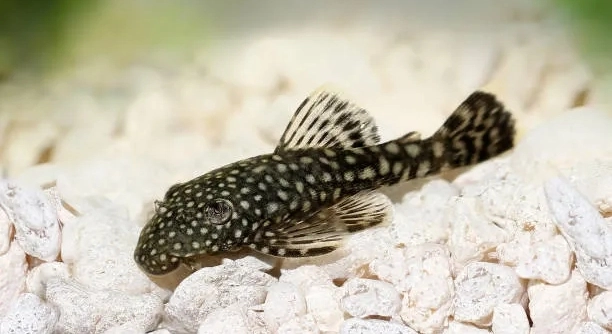
Bristlenose plecos are small freshwater fish that many aquarists keep for their cleaning habits. They are gentle creatures that often interact with their surroundings and respond to changes in their environment in subtle ways.
Research suggests that bristlenose plecos do show behavioral changes in response to their owners’ emotions. They may react to stress or calmness through movement, feeding patterns, and social interactions, indicating a form of emotional perception, though it is limited compared to mammals.
Observing their reactions can offer insights into their subtle behaviors and help maintain a healthier, more engaging aquarium environment for these fish.
How Bristlenose Plecos Respond to Human Presence
Bristlenose plecos are sensitive to movements and sounds around them. They often change their behavior when someone approaches the tank, slowing their movements or hiding among decorations. Some plecos seem to become more active when they recognize a consistent caretaker, swimming near the front of the tank or moving along the glass as if observing. These reactions are subtle and can vary depending on the individual fish and its comfort level. Plecos may also respond to changes in the lighting or vibrations caused by tapping or leaning against the tank. Over time, repeated interactions can shape how these fish behave, making them more confident or cautious. Observing these patterns gives insight into their perception and adaptive behaviors. Understanding these responses is important for providing a stable environment that reduces stress. In some cases, these reactions might also indicate health concerns if behavior suddenly changes.
Their responses to presence are more noticeable in calm, consistent environments.
Tracking these subtle behaviors helps identify emotional and physical well-being. Watching closely, I noticed that one of my plecos would linger near my hands during feeding, while another remained hidden, demonstrating individual differences. By maintaining a steady routine and minimizing sudden disturbances, plecos tend to become more interactive. Even minor changes in water temperature or flow can influence their reactions. Behavioral cues like fin movements, body posture, or slight retreats indicate sensitivity to the surrounding energy. Recognizing these patterns allows me to adjust feeding schedules, decorations, and interactions to make the tank more comfortable. While they do not experience emotions like humans, their responses suggest a form of awareness, showing that even small fish can react meaningfully to environmental and human influences over time.
Signs of Stress and Comfort
Stress in bristlenose plecos can show as hiding, erratic swimming, or refusal to eat.
Monitoring water conditions, tank decorations, and daily routines reduces stress and supports a healthier environment for the fish. Consistent care is crucial for their comfort.
Plecos express comfort in subtle ways, including slow, deliberate movements, exploring the tank, and feeding without hesitation. I’ve seen my plecos glide over surfaces calmly after adjusting the water flow and ensuring quiet surroundings. Providing hiding spots like caves or driftwood helps them feel secure. Stress can also arise from overcrowding or incompatible tank mates, leading to aggression or prolonged hiding. By observing these patterns, adjustments in tank setup, lighting, and feeding routines can promote their well-being. Maintaining clean water, stable temperature, and gentle handling improves their behavior and makes interactions more predictable. Understanding these nuances allows me to create an environment that feels safe, encouraging natural behaviors while minimizing stress. Observing these tiny responses provides insight into their preferences and subtle interactions with the environment.
Feeding Behavior and Emotional Response
Bristlenose plecos often show interest in feeding when they sense familiar movements or routines. They may swim closer to the food source or increase activity around feeding times. Subtle changes in behavior can indicate comfort or stress during these moments, reflecting their sensitivity to the environment.
I noticed that my plecos react differently depending on my presence during feeding. Some will approach immediately when I enter the room, while others linger in hiding until the food touches the tank. Their responses seem linked to trust built over time. Feeding patterns also change with water quality or temperature fluctuations. For example, after a water change, my plecos may be hesitant to eat for a short period, showing they are aware of environmental shifts. Consistent routines help them feel more secure and reduce hesitation during feeding, improving overall health and behavior.
Observing their reactions during feeding gives insight into their subtle emotional perception. My plecos show excitement through fin movements and gentle nudges at the glass. When I introduce new food, some explore cautiously while others immediately start eating, showing individual differences. Over time, repeated observations help me understand their comfort levels and stress triggers. Adjusting feeding methods and locations based on their reactions enhances their well-being. These behavioral cues are reliable indicators of their mood and environmental comfort, helping maintain a healthier, more engaging aquarium.
Interaction with Tank Environment
Plecos respond to decorations, hiding spots, and tank layout, showing comfort or stress through movement and exploration. Adjusting the environment can significantly influence their behavior and well-being.
Changes in water flow, placement of caves, or introduction of plants impact how plecos navigate and feel secure. I observed that after rearranging driftwood and adding small hiding areas, my plecos spent more time exploring and less time hiding. Water temperature and lighting also influence activity, with brighter light sometimes causing cautious movements, while dimmer conditions encourage exploration. Even minor disturbances, like tapping on the glass, can trigger sudden retreats, indicating their sensitivity. By carefully observing these behaviors, I can create a stable and engaging environment, promoting natural activities and reducing stress.
Providing enrichment and observing plecos’ reactions strengthens their interaction with the tank. When I placed a small moss ball near their favorite cave, one pleco curiously nudged it for several minutes, while another circled it before returning to a hiding spot. Rearranging decorations gradually allows plecos to adjust without stress. Water parameters, such as oxygen levels and pH, also affect their comfort and activity. Monitoring these elements ensures a healthier environment and supports consistent feeding and social behaviors. Through careful observation, I learned that even slight adjustments can enhance their engagement and confidence in the tank.
Recognizing Subtle Cues
Bristlenose plecos communicate through small movements and gestures. Fin flicks, slight body shifts, and swimming patterns often indicate comfort, curiosity, or mild stress. Paying attention to these subtle cues can help gauge their reactions to changes in the tank environment.
Over time, I noticed that my plecos’ reactions became predictable. One would retreat slightly when I adjusted decorations, while another would swim confidently toward new objects. These differences show individual temperament. By observing these cues consistently, I can better respond to their needs, making the tank environment more stable and supportive for each fish.
Social Behavior in Plecos
Bristlenose plecos exhibit both solitary and social tendencies depending on tank conditions, species, and individual personality. They interact by following each other, sharing hiding spots, or displaying gentle nudges. Observing these behaviors reveals their comfort level and can guide tank management practices to minimize stress.
Impact of Lighting
Lighting affects plecos’ activity and stress levels. Dimmer lighting encourages exploration and feeding, while bright lighting may cause hiding or reduced movement. Adjusting light gradually helps maintain a calm and comfortable environment for them.
FAQ
Can bristlenose plecos really sense emotions?
Bristlenose plecos do not feel emotions like humans, but they react to changes in their environment that may reflect emotional cues from their owners. Subtle differences in voice, movement, and daily routines can affect their behavior. Over time, they may associate certain actions with comfort or stress. I noticed that when I approached the tank calmly, my plecos would swim toward the front, but sudden movements made them retreat quickly. These reactions suggest a form of awareness rather than true emotional sensing. Consistent observation helps me understand their responses better.
How do bristlenose plecos show comfort?
Comfortable plecos display slow, smooth movements, explore the tank actively, and feed readily. They may linger near their favorite hiding spots without showing signs of stress. My plecos tend to glide over surfaces calmly after adjusting the lighting or adding decorations that create secure areas. They also interact gently with other tank mates and rarely dart around in panic. These behaviors indicate that they feel secure and relaxed.
What are common stress behaviors in plecos?
Hiding for extended periods, erratic swimming, or refusing food are signs of stress. Environmental factors like poor water quality, sudden temperature changes, overcrowding, or incompatible tank mates can trigger these behaviors. I observed that after a major water change, my plecos briefly hid and hesitated to eat. Over time, maintaining consistent conditions and avoiding abrupt changes reduced these stress responses. Watching their subtle cues, like fin flicks or slow retreats, can provide early warning before stress becomes severe.
Can plecos recognize their owners?
Plecos may recognize consistent caretakers through repeated interactions. They respond to familiar movements, feeding routines, and even sounds near the tank. In my experience, some plecos swim toward the glass when I approach during feeding, while others remain cautious until food is introduced. These responses reflect recognition of routine patterns rather than conscious awareness of the person. Consistent interaction helps them feel secure and reduces hesitation or stress in daily routines.
Do plecos communicate with each other?
Bristlenose plecos communicate primarily through body language and minor physical contact. Nudges, swimming patterns, and fin displays can indicate social hierarchy, curiosity, or tolerance. I noticed that my plecos occasionally follow each other around the tank or share hiding spots without aggression. These subtle interactions show that plecos maintain social awareness and respond to their companions’ behaviors, contributing to their overall comfort and activity levels.
How do tank conditions affect pleco behavior?
Water temperature, pH levels, oxygen content, and tank decorations all influence pleco behavior. In my tank, small adjustments in water flow or adding caves led to more confident exploration. Sudden changes in lighting or introducing new tank mates can trigger stress responses. Observing behavior after changes helps identify optimal conditions. Maintaining stable parameters supports feeding, social interactions, and general well-being, minimizing signs of discomfort or anxiety.
Can plecos form bonds with other fish?
While plecos are not social in the same way as schooling fish, they can coexist peacefully with compatible species. My plecos sometimes swim near other non-aggressive tank mates or share hiding spots without conflict. These interactions suggest a level of recognition and tolerance, which contributes to a calmer environment. Creating enough space and providing multiple hiding areas prevents territorial disputes and encourages natural, stress-free behaviors.
Do plecos respond differently to new objects?
Introducing decorations or enrichment items often triggers cautious inspection. Some plecos explore immediately, while others retreat and observe from a distance. I added a small moss ball and noticed one pleco nudged it gently, while another circled it slowly before returning to its cave. These reactions indicate curiosity balanced with caution, reflecting their sensitivity to environmental changes. Gradual introductions help plecos adapt without causing stress.
How can I tell if my pleco is healthy and happy?
Healthy, content plecos show smooth swimming, regular feeding, and active exploration. Bright, intact fins and clear eyes are also indicators of good health. In my experience, consistent behavior patterns and occasional interactions with the environment signal that plecos are comfortable. Deviations like hiding, lethargy, or refusal to eat usually point to stress or health issues, which can be addressed by checking water quality, diet, and tank setup.
What daily practices help plecos thrive?
Maintaining clean water, stable temperature, and a consistent feeding schedule is essential. Providing hiding spots, gentle lighting, and a balanced diet encourages natural behavior. I routinely monitor water parameters and observe their movements to ensure comfort. These small, consistent efforts help my plecos remain active, healthy, and more responsive to their environment.
Are plecos sensitive to human emotions indirectly?
Plecos respond to vibrations, movements, and sounds, which can indirectly reflect human emotions. For instance, sudden loud noises or hurried movements may cause stress, while calm and predictable actions encourage activity. I observed that approaching the tank quietly during feeding resulted in more confident interactions. Their sensitivity highlights the importance of stable routines and gentle care.
How long does it take plecos to adjust to new tanks?
Adjustment depends on individual temperament and tank conditions. Some plecos explore immediately, while others take several days to feel secure. In my experience, providing hiding spots, stable water conditions, and minimal disturbances speeds up adaptation. Monitoring behavior during this period helps identify stress and ensures a smooth transition.
Do plecos show preferences for specific areas in the tank?
Yes, plecos often select caves, driftwood, or shaded areas for resting. My plecos each have preferred spots, returning consistently unless disturbed. These preferences indicate comfort and a sense of security. Adjusting tank layout to accommodate these areas supports natural behaviors and reduces stress, enhancing overall well-being.
Can plecos learn routines?
Plecos can recognize feeding schedules and patterns of interaction. Repeated exposure to consistent routines allows them to anticipate food or environmental changes. I noticed my plecos swimming near the glass around feeding time, showing they adapted to the schedule. Routine encourages confidence and reduces stress, making care more predictable and manageable.
Final Thoughts
Bristlenose plecos are small fish with surprisingly complex behaviors. Observing them closely reveals subtle patterns that reflect their comfort, curiosity, and reactions to changes in their environment. They do not experience emotions like humans, yet they respond to factors that indicate stress or calmness, such as movements, sounds, and feeding routines. I have found that keeping a consistent routine and monitoring their responses makes a noticeable difference in their activity and well-being. Plecos may approach the front of the tank when they recognize a familiar caretaker or retreat when sudden disturbances occur. These responses show their awareness of environmental cues, even if they are not conscious emotional reactions.
Maintaining stable water conditions, proper lighting, and suitable hiding spots is key to supporting plecos’ natural behaviors. Changes in tank setup, such as adding new decorations or adjusting water flow, should be introduced gradually to avoid unnecessary stress. In my experience, small adjustments like placing a cave in a preferred area or providing gentle water flow can encourage exploration and calm activity. Feeding routines also play an important role. When food is offered consistently and calmly, plecos exhibit more confident behavior and interact with the environment more freely. Observing their subtle body movements, swimming patterns, and fin flicks provides insight into how they perceive their surroundings, which can help identify potential issues before they become serious problems.
Each pleco has its own personality, and paying attention to these differences helps create a healthier, more comfortable tank. Some fish are bold and curious, exploring new objects immediately, while others are cautious and take time to adjust. Understanding these individual traits allows caretakers to provide a better environment tailored to their needs. Providing proper nutrition, enrichment, and a calm, stable environment promotes long-term health and reduces stress. Watching their responses over time is both rewarding and informative, revealing the intricate ways these small fish interact with their surroundings. By observing consistently and making thoughtful adjustments, it is possible to ensure that bristlenose plecos thrive and maintain natural behaviors, creating a balanced and engaging aquatic environment.

Hello,
If you enjoy the content that we create, please consider saying a "Thank You!" by leaving a tip.
Every little bit helps us continue crafting quality advice that supports the health, happiness, and well-being of pets around the world, for pets of all shapes, sizes, and species.
We really appreciate the kindness and support that you show us!